ট্র্যাকিং ফিল্টার বোঝা

A ট্র্যাকিং ফিল্টার — একটি অর্ডার-ট্র্যাকিং ফিল্টার বা সিঙ্ক্রোনাস ফিল্টার নামেও পরিচিত — একটি সংকীর্ণ ব্যান্ড-পাস ফিল্টার এতে ব্যবহৃত হয় কম্পন বিশ্লেষণ যন্ত্র যা মেশিনের ঘূর্ণন গতির নির্বাচিত গুণিতক বা অর্ডার অনুসরণ করতে স্বয়ংক্রিয়ভাবে তার কেন্দ্র কম্পাঙ্ক (সেন্টার ফ্রিকোয়েন্সি) স্থানান্তরিত করে। উদাহরণস্বরূপ, একটি “1× ট্র্যাকিং ফিল্টার” ক্রমাগত রানিং-স্পিড ফ্রিকোয়েন্সিতে লক হয়ে থাকে, বাকি সব বাদ দিয়ে শুধুমাত্র মৌলিক 1× কম্পোনেন্ট পাস করতে দেয়; একটি 2× বা 3× ফিল্টার একইভাবে রানিং স্পিডের দ্বিগুণ বা তিনগুণ অনুসরণ করে। যেহেতু ফিল্টারটি একটি নির্দিষ্ট ফ্রিকোয়েন্সিতে স্থির না থেকে গতির সাথে সাথে চলে, তাই এটি পরিমাপ করতে পারে অ্যামপ্লিটিউড এবং ফেজ যন্ত্র ত্বরান্বিত হওয়া বা নীচে প্রবাহিত হওয়ার সময়ও একটি সিঙ্ক্রোনাস উপাদান। এটি পরিবর্তনশীল-গতির সরঞ্জাম, স্টার্টআপ এবং কোস্টডাউন ট্রানজিয়েন্ট এবং একক অর্ডার উপাদানগুলি বিচ্ছিন্ন করার জন্য ট্র্যাকিং ফিল্টারগুলি অপরিহার্য করে তোলে অর্ডার বিশ্লেষণ.
১. ট্র্যাকিং ফিল্টার কীভাবে কাজ করে
মৌলিক নীতি
- গতি রেফারেন্স: a টাকোমিটার বা কিফেজর প্রতি বিপ্লবে একটি পালস সরবরাহ করে।
- ফ্রিকোয়েন্সি গণনা: যন্ত্রটি সেই পালসগুলির সময় থেকে তাৎক্ষণিক ঘূর্ণন ফ্রিকোয়েন্সি নির্ণয় করে।
- অর্ডার গুণন: এটি সেই ফ্রিকোয়েন্সিকে নির্বাচিত অর্ডার সংখ্যা দ্বারা গুণ করে — ১, ২, ৩ এবং আরও অনেক কিছু।
- ফিল্টার কেন্দ্রীভবন: একটি সংকীর্ণ ব্যান্ড-পাস ফিল্টার ফলাফল ফ্রিকোয়েন্সিতে কেন্দ্রীভূত করা হয়।
- ক্রমাগত সামঞ্জস্য: গতি পরিবর্তনের সাথে সাথে, ফিল্টারের কেন্দ্র ফ্রিকোয়েন্সি বিনা বাধায় এটিকে অনুসরণ করে।
- আউটপুট: শুধুমাত্র নির্বাচিত অর্ডার সমৃদ্ধ একটি পরিষ্কার ফিল্টারকৃত সংকেত।
নির্ধারক কৌশলটি হল ফিল্টারটি ট্যাকোমিটারের সাথে সংযুক্ত, তাই এটি সর্বদা জানে যে আগ্রহের অর্ডার বর্তমানে ফ্রিকোয়েন্সি অক্ষে কোথায় অবস্থিত — এমন কিছু যা একটি নির্দিষ্ট ফিল্টার কখনও করতে পারে না এমন একটি মেশিনে যার গতি পরিবর্তিত হয়।
ফিল্টার বৈশিষ্ট্য
- ব্যান্ডউইথ: সাধারণত কেন্দ্র ফ্রিকোয়েন্সির ±২–১০%।
- সংকীর্ণতা: সংলগ্ন ফ্রিকোয়েন্সিগুলি কার্যকরভাবে প্রত্যাখ্যান করে।
- ট্র্যাকিং রেট: দ্রুত পরিবর্তনশীল গতি অনুসরণ করতে সক্ষম।
- একাধিক ফিল্টার: আধুনিক যন্ত্রগুলি একবারে বেশ কয়েকটি অর্ডার ট্র্যাক করতে পারে।
২. প্রয়োগ
১. স্টার্টআপ এবং কোস্টডাউন বিশ্লেষণ
এটি প্রধান অ্যাপ্লিকেশন। মেশিন চালু হওয়ার সময় বা গতি পরিসীমা জুড়ে কোস্ট ডাউন হওয়ার সময়, একটি ট্র্যাকিং ফিল্টার ১× উপাদানকে ক্রমাগত অনুসরণ করে:
- ট্রানজিয়েন্টের সময় গতির বিপরীতে ১× প্রশস্ততা এবং ফেজ ট্র্যাক করুন — একই ডেটা যা একটির সময় ক্যাপচার করা হয়েছিল রান-আপ.
- তৈরি করুন বোড প্লট গতির বিপরীতে প্রশস্ততা এবং ফেজের।
- চিহ্নিত করুন সংকটপূর্ণ গতি প্রশস্ততার শিখর থেকে।
- ইস্টিমেট ড্যাম্পিং প্রতিটি অনুরণন শিখরের প্রস্থ থেকে।
- একাধিক মোড প্রকাশ করতে 2× এবং 3× একই সাথে ট্র্যাক করুন।
২. পরিবর্তনশীল গতির সরঞ্জাম
- ক্রমাগত পরিবর্তনশীল গতি সত্ত্বেও অর্ডার-ভিত্তিক পরিমাপ বজায় রাখুন।
- ভিএফডি-চালিত মোটরগুলি যাদের গতি প্রক্রিয়ার সাথে পরিবর্তিত হয়।
- বায়ু টারবাইনগুলি ঝড়ের বাতাসে সাড়া দেয়।
- প্রক্রিয়া সরঞ্জাম যার গতি লোডের সাথে ড্রিফট করে।
- গতির ওঠানামা সত্ত্বেও ধারাবাহিক প্রবণতা, কারণ সবকিছু স্থির ফ্রিকোয়েন্সির পরিবর্তে অর্ডারের সাথে সম্পর্কিত।
৩. ব্যালেন্সিং
- ১× উপাদানকে সম্পূর্ণ জুড়ে ট্র্যাক করুন ব্যালেন্সিং পদ্ধতি।
- পরিষ্কার পড়ার জন্য অ-১× বিষয়বস্তু ফিল্টার করুন।
- শুধুমাত্র ১× ফ্রিকোয়েন্সিতে ফেজ পরিমাপ নিন।
- অসম্পর্কিত কম্পন উৎসগুলি প্রত্যাখ্যান করে নির্ভুলতা উন্নত করুন।
৪. অর্ডার-নির্দিষ্ট বিশ্লেষণ
- বিস্তারিত অধ্যয়নের জন্য একটি নির্দিষ্ট অর্ডার বিচ্ছিন্ন করুন।
- এর অগ্রগতি পর্যবেক্ষণ করতে ২× ট্র্যাক করুন মিসঅ্যালাইনমেন্ট.
- অনুসরণ করুন ব্লেড পাসিং ফ্যান এবং পাম্পগুলিতে অর্ডার।
- ফ্রিকোয়েন্সি উপাদানগুলি আলাদা করুন যা অন্যথায় ওভারল্যাপ করবে।
3. ট্র্যাকিং ফিল্টারের সুবিধাসমূহ
গতি স্বাধীনতা
- গতির পরিবর্তন যাই হোক না কেন পরিমাপগুলি অর্থপূর্ণ থাকে।
- বিভিন্ন গতি থেকে ডেটা একই অর্ডার ভিত্তিতে তুলনা করা যায়।
- যেকোনো যন্ত্রের জন্য অপরিহার্য যা ধ্রুবক গতি বজায় রাখে না।
উপাদান বিচ্ছিন্নকরণ
- একটি অর্ডারকে অন্য সকল উপস্থিত ফ্রিকোয়েন্সি থেকে আলাদা করে।
- সম্পূর্ণ বর্ণনা থেকে পরিষ্কার সংকেত প্রদান করে। FFT.
- সেই অর্ডারের জন্য সংকেত-থেকে-শোর অনুপাত উন্নত করে।
- সেই অর্ডারের নির্ভুল প্রশস্ততা এবং পর্যায় পরিমাপ সক্ষম করে। এই সমকালীন ফোকাস ধারণাগতভাবে সম্পর্কিত সমকালীন গড়কারণ, যা গতি-লক্ষী উপাদানগুলিকে শোর বাইরে উত্তোলন করতে ট্যাকোমিটার ব্যবহার করে।
ক্ষণস্থায়ী বিশ্লেষণ
- গতির পরিবর্তনের মধ্য দিয়ে উপাদানগুলি সরাসরি অনুসরণ করে।
- ত্বরণ এবং হ্রাসকরণের সময় ক্রমাগত পরিমাপ প্রদান করে।
- স্থির অবস্থার প্রয়োজন নেই।
- গতি-নির্ভর আচরণ প্রকাশ করে যা একটি স্থির পরিমাপ মিস করবে।
4. সীমাবদ্ধতা এবং বিবেচনা
এটির জন্য একটি ট্যাকোমিটার প্রয়োজন
- একটি নির্ভুল গতি রেফারেন্স বাধ্যতামূলক।
- ট্যাকোমিটার সিগন্যালের গুণমান সরাসরি ফিল্টার কর্মক্ষমতা সীমিত করে।
- গতি রেফারেন্স ছাড়া সরঞ্জামে এটি ব্যবহার করা যায় না।
- প্রতি বিপ্লবে একটি পালস নির্ভরযোগ্য হতে হবে, অন্যথায় ট্র্যাকিং বিচ্ছিন্ন হয়।
এটি শুধুমাত্র সিঙ্ক্রোনাস উপাদান ট্র্যাক করে
- অ-সিঙ্ক্রোনাস ত্রুটি ক্যাপচার করা হয় না — বেশিরভাগ সহ বেয়ারিং ত্রুটি, যা উৎপাদন করে অ-সিঙ্ক্রোনাস কম্পন.
- বৈদ্যুতিক-লাইন ফ্রিকোয়েন্সি ট্র্যাক করা হয় না।
- র্যান্ডম এবং ব্রডব্যান্ড কম্পন ফিল্টার করা হয়।
- সম্পূর্ণ রোগনির্ণয়ের জন্য পরিপূরক বিশ্লেষণ প্রয়োজন।
ফিল্টার-ব্যান্ডউইথ ট্রেড-অফ
- সংকীর্ণ ফিল্টার: সংলগ্ন ফ্রিকোয়েন্সির উন্নত প্রত্যাখ্যান, কিন্তু গতি পরিবর্তনে প্রতিক্রিয়া আরও ধীর।
- প্রশস্ত ফিল্টার: দ্রুত ট্র্যাকিং, কিন্তু কাছাকাছি উপাদান স্বীকার করতে পারে।
- সর্বোত্তম: ৫–১০% ব্যান্ডউইথ বেশিরভাগ অ্যাপ্লিকেশনের জন্য উপযুক্ত, নির্বাচনীতা এবং ট্র্যাকিং গতির ভারসাম্য রাখে।
৫. ট্র্যাকিং ফিল্টার বনাম FFT
ট্র্যাকিং ফিল্টার এবং FFT প্রতিযোগী নয়, পরিপূরক সরঞ্জাম। FFT স্থিতিশীল গতিতে সম্পূর্ণ স্পেকট্রাম দেখায়; ট্র্যাকিং ফিল্টার পরিবর্তনশীল গতির মধ্যে একটি অর্ডার অনুসরণ করে। সারণী প্রতিটি কোথায় উৎকর্ষ লাভ করে তা সংক্ষিপ্ত করে।
| বৈশিষ্ট্য | FFT বিশ্লেষণ | ট্র্যাকিং ফিল্টার |
|---|---|---|
| গতির প্রয়োজনীয়তা | যেকোনো গতিতে কাজ করে | ট্যাকোমিটার প্রয়োজন |
| গতি পরিবর্তন | স্থিতিশীল গতি প্রয়োজন | পরিবর্তনশীল গতি পরিচালনা করে |
| তথ্য | সম্পূর্ণ বর্ণালী, সকল কম্পাঙ্ক | একমাত্র প্রথম অর্ডার |
| অ-সিঙ্ক্রোনাস ত্রুটি | সমস্ত ত্রুটি শনাক্ত করে | অ-সিঙ্ক্রোনাস উপাদান মিস করে |
| ক্ষণস্থায়ী বিশ্লেষণ | কঠিন | চমৎকার |
| সবচেয়ে উপযুক্ত | সাধারণ নির্ণয়বিদ্যা, স্থিতিশীল গতি | গুরুত্বপূর্ণ গতি বিশ্লেষণ, পরিবর্তনশীল গতি |
৬. আধুনিক বাস্তবায়ন
ডিজিটাল ট্র্যাকিং ফিল্টার
- আধুনিক বিশ্লেষণকারীর অভ্যন্তরীণ সফটওয়্যারে বাস্তবায়িত।
- একই সাথে একাধিক অর্ডার ট্র্যাক করুন — 1×, 2×, 3× একযোগে।
- সামঞ্জস্যযোগ্য ব্যান্ডউইথ প্রদান করে।
- ক্ষণস্থায়ী সময়ে রিয়েল টাইমে প্রদর্শন করে।
অর্ডার বিশ্লেষণের সাথে একীকরণ
- ট্র্যাকিং ফিল্টার ব্যাপক অর্ডার বিশ্লেষণের ভিত্তি গঠন করে।
- সম্পূর্ণ অর্ডার বর্ণালী নিষ্কাশিত হয়, সমস্ত অর্ডার একসাথে।
- ফলাফল অর্ডার এবং গতির রঙ মানচিত্র হিসাবে প্রদর্শিত হয়, ঘনিষ্ঠভাবে সম্পর্কিত ওয়াটারফল এবং ক্যাসকেড ডিসপ্লে।
- গুরুত্বপূর্ণ গতি স্বয়ংক্রিয়ভাবে অর্ডার-ট্র্যাকিং ডেটা থেকে শনাক্ত করা যায়।
৭. ফিল্ড ব্যালেন্সিংয়ে ট্র্যাকিং ফিল্টার
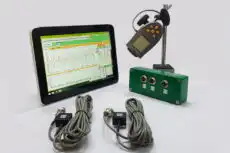
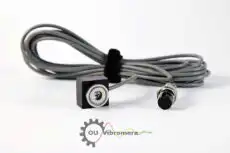
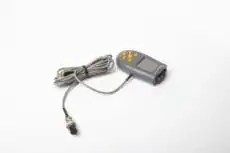
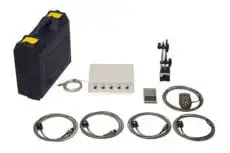
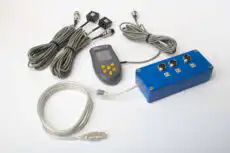
একটি পোর্টেবল যন্ত্রে ট্র্যাকিং ফিল্টার হল যা একটি ব্যালেন্সিং পরিমাপকে সৎ রাখে যখন গতি পুরোপুরি স্থিতিশীল থাকবে না। শুধুমাত্র ১× অর্ডার প্রবেশ করিয়ে এবং প্রত্যাখ্যান করে অন্য সবকিছু, এটি সফটওয়্যারকে একটি পরিষ্কার বিস্তার-এবং-দশা ভেক্টর সরবরাহ করে। Balanset-1A ঠিক এই পদ্ধতি ব্যবহার করে: এর ট্যাকোমিটার পালস চলমান গতি নির্ধারণ করে, সিঙ্ক্রোনাস ১× উপাদান কার্যকর গতিতে যন্ত্রের নিজের বেয়ারিংয়ে নিষ্কাশিত হয়, এবং ফলাফল ভেক্টর পরীক্ষামূলক ওজন এবং সংশোধন গণনা চালিত করে — তারপর সংশোধনের পরে অবশিষ্ট কম্পন নিশ্চিত করে। ট্র্যাকিং ফিল্টার হল নির্ভরযোগ্য প্রক্রিয়া যা বাস্তব, সামান্য অস্থির যন্ত্রপাতিতে সেই সংখ্যাগুলি পুনরাবৃত্তিযোগ্য করে তোলে।
ট্র্যাকিং ফিল্টারগুলি বিশেষায়িত কিন্তু শক্তিশালী সরঞ্জাম, বিশেষত ঘূর্ণায়মান গতিশীলতা এবং পরিবর্তনশীল-গতি সরঞ্জামের জন্য। গতি পরিবর্তনের সময় নির্বাচিত ক্রমে তাদের ফোকাস ধরে রেখে, তারা ক্ষণস্থায়ী বিশ্লেষণ এবং গতি-স্বাধীন পর্যবেক্ষণ সক্ষম করে যা সাধারণ FFT কৌশল মিলাতে পারে না — যা ঠিক কেন তারা সমালোচনামূলক-গতি শনাক্তকরণ এবং উন্নত যন্ত্রপাতি ডায়াগনস্টিক্সের জন্য কেন্দ্রীয় থাকে।

