গহ্বরণ নির্ণয় করা


ক্যাভিটেশন একটি ধ্বংসাত্মক ঘটনা যা পাম্প এবং অন্যান্য হাইড্রলিক সিস্টেমে ঘটে: একটি তরলে বাষ্প বুদবুদ দ্রুত গঠন এবং হিংস্র সংকোচন (বিস্ফোরণ)। এটি ঘটে যখন তরলের স্থানীয় স্ট্যাটিক চাপ এর বাষ্প চাপের নীচে পড়ে, তাই তরল মুহূর্তের জন্য পরিবেষ্টিত তাপমাত্রায় ফুটে যায় এবং চাপ পুনরুদ্ধার হওয়ার সাথে সাথে পুনরায় ঘনীভূত হয়। যদিও এটি প্রায়ই একটি “হিসিং” বা “মার্বেল ঝড়ঝড় করা” শব্দ হিসাবে বর্ণিত হয়, গহ্বরণ ভাইব্রেশন এর একটি উল্লেখযোগ্য উত্স এবং ইম্পেলার এবং কেসিংয়ে গুরুতর, ক্ষয়কারী ক্ষতি সৃষ্টি করতে পারে। সবচেয়ে গুরুত্বপূর্ণভাবে, এটি একটি হাইড্রোলিক সমস্যার একটি চিহ্ন যান্ত্রিক নয় — তবে এটি সহজেই কম্পন বিশ্লেষণ দিয়ে সনাক্ত করা যায়, যা এটিকে একটি প্রক্রিয়া ত্রুটি নির্ণয় করতে কম্পন ব্যবহারের একটি শাস্ত্রীয় উদাহরণ করে তোলে।
১. সংজ্ঞা: গহ্বরণ কি?
গহ্বরণের পদার্থবিজ্ঞান স্থানীয় চাপ এবং বাষ্প চাপের মধ্যে সম্পর্কের উপর নির্ভর করে। একটি পাম্পের ভিতরে, যখন এটি ইম্পেলার চোখে প্রবেশ করে তখন তরল ত্বরান্বিত হয়, এবং বার্নুলির নীতি অনুসারে সেই ত্বরণ স্থানীয় চাপ হ্রাস করে। যদি চাপ তরলের বাষ্প চাপের নিচে পড়ে, ছোট বাষ্প গহ্বর নিউক্লিয়েট করে। তারা কেবল তখনই বেঁচে থাকে যতক্ষণ প্রবাহ তাদের উচ্চ-চাপ অঞ্চলে বহন করে — সাধারণত ফলকের সাথে কয়েক মিলিমিটার এগিয়ে — যেখানে তারা প্রায় তাত্ক্ষণিকভাবে সংকোচিত হয়। প্রতিটি সংকোচন একটি মাইক্রোস্কোপিক বিস্ফোরণ যা একটি তীক্ষ্ণ চাপ স্পাইক এবং উচ্চ-ফ্রিকোয়েন্সি শক্তির একটি বিস্ফোরণ প্রকাশ করে। প্রতি সেকেন্ডে গঠিত হাজার হাজার বুদবুদ দ্বারা সেই গুণন করুন এবং সংমিশ্রণ প্রভাব শ্রুতিমধুর শব্দ এবং পরিমাপযোগ্য কম্পন উভয়ই, ধাতব পৃষ্ঠের ধীর, নিরলস পিটিং সহ।
২. গহ্বরণের দুটি ধরন
ক) চুষণ গহ্বরণ
এটি সবচেয়ে সাধারণ ফর্ম। এটি ঘটে যখন পাম্পটি তরল দিয়ে “ক্ষুধার্ত” হয় — অর্থাৎ, যখন নেট পজিটিভ সাকশন হেড এভেইলেবল (NPSHa) পাম্পের জন্য প্রয়োজনীয় নেট পজিটিভ সাকশন হেডের (NPSHr) নিচে পড়ে।
- প্রক্রিয়া: ইম্পেলার চোখে কম চাপ তরলকে ফুটতে বাধ্য করে, বাষ্প বুদবুদ গঠন করে। যেহেতু এই বুদবুদগুলি ইম্পেলার ফলকের সাথে উচ্চ-চাপ অঞ্চলে বহন করা হয়, তারা হিংস্রভাবে সংকোচিত হয়।
- কারণসমূহ: একটি বন্ধ চুষণ ফিল্টার বা ছাঁকনী, একটি আংশিকভাবে বন্ধ চুষণ ভালভ, একটি চুষণ লাইন যা খুব দীর্ঘ বা খুব ছোট ব্যাসের, বা একটি পাম্প যা খুব বেশি উচ্চতা থেকে তরল উত্থাপন করতে প্রয়োজন।
সাকশন-সাইড মার্জিন মৌলিকভাবে একটি NPSH সমস্যা, তাই ইনস্টলেশন ডিজাইন বা ট্রাবলশুটিং করার সময় সংখ্যাগুলি স্পষ্টভাবে পরীক্ষা করা সহায়ক; আমাদের NPSH ক্যালকুলেটর উপলব্ধ হেড গণনা করে এবং একটি সিস্টেম ক্যাভিটেশন থ্রেশহোল্ডের কত কাছাকাছি চলছে তা দেখায়।
খ) ডিসচার্জ ক্যাভিটেশন
এটি কম সাধারণ এবং তখন ঘটে যখন পাম্পের ডিসচার্জ চাপ অত্যন্ত বেশি থাকে, ফ্লুইড পাম্প থেকে বেরিয়ে যেতে বাধা দেয়।
- প্রক্রিয়া: ফ্লুইড ইমপেলার ভেনের মধ্যে আটকে যায় এবং উচ্চ বেগে পুনর্সঞ্চালিত হয়, একটি কম-চাপ শূন্যস্থান তৈরি করে যেখানে বাবল গঠিত হয়। সেই বাবলগুলি তখন কম-চাপ এলাকা থেকে বেরিয়ে আসার সময় বিস্ফোরিত হয়।
- কারণসমূহ: একটি বন্ধ বা বন্ধ ডিসচার্জ ভালভ, বা একটি “ডেড হেড”এর বিরুদ্ধে পম্পিং — সম্পূর্ণভাবে বন্ধ ডিসচার্জ লাইন।
ডিসচার্জ ক্যাভিটেশনের পিছনে উচ্চ-বেগ অভ্যন্তরীণ পুনর্সঞ্চালন ঘনিষ্ঠভাবে প্রবাহ সম্পর্কিত রিসার্কুলেশন, আরেকটি কম-প্রবাহ অস্থিতিশীলতা যা একই রকম উপসর্গ ভাগ করে এবং বেশ কয়েকটি জিনিসের মধ্যে একটি সেন্ট্রিফিউগাল পাম্পের ত্রুটি একজন বিশ্লেষক আলাদা করতে শেখেন।
৩. ক্যাভিটেশনের কম্পন স্বাক্ষর
হাজার হাজার ছোট বাষ্প বাবলের হিংস্র বিস্ফোরণ একটি একক, সুন্দর ফ্রিকোয়েন্সি তৈরি করে না। পরিবর্তে এটি একটি অত্যন্ত বৈশিষ্ট্যযুক্ত কম্পন স্বাক্ষর তৈরি করে:
- উচ্চ-ফ্রিকোয়েন্সি ব্রডব্যান্ড শব্দ: প্রাথমিক সূচক হল “শব্দ মেঝে”তে একটি উল্লেখযোগ্য বৃদ্ধি FFT বর্ণালী, বিশেষত উচ্চ ফ্রিকোয়েন্সিতে (সাধারণত ২,০০০ Hz এর উপরে)। এটি পৃথক শিখর হিসাবে নয় বরং র্যান্ডম শক্তির একটি বিস্তৃত “হাম্প” হিসাবে প্রদর্শিত হয়।
- র্যান্ডম এবং অস্থির: কম্পন র্যান্ডম এবং অ-পর্যায়িক — যা ঠিক কেন এটি কোনো তীক্ষ্ণ লাইন তৈরি করে না — এবং সামগ্রিক প্রশস্ততা মুহূর্ত থেকে মুহূর্তে লক্ষণীয়ভাবে ওঠানামা করতে পারে। এই র্যান্ডমনেস হল যা ক্যাভিটেশনকে সাধারণ প্রবাহ থেকে আলাদা করে টার্বুলেন্স, যা মৃদু এবং নিম্ন ফ্রিকোয়েন্সিতে থাকে।
- ব্লেড পাস ফ্রিকোয়েন্সির সম্ভাব্য হারমোনিক্স: কিছু ক্ষেত্রে র্যান্ডম শক্তি ব্লেড পাস ফ্রিকোয়েন্সি (BPF = ভেনের সংখ্যা × রানিং স্পিড) এবং এর হারমোনিক্স, কিন্তু প্রধান বৈশিষ্ট্য হল ব্রডব্যান্ড শব্দের মেঝে। পাম্পগুলিতে এই একই উপাদানকে প্রায়শই বলা হয় ভেন পাসিং ফ্রিকোয়েন্সি.
শক্তি ব্রডব্যান্ড এবং আবেগপ্রবণ হওয়ার কারণে, পুনরাবৃত্তিমূলক প্রভাবগুলির জন্য সুরক্ষিত কৌশলগুলি রোগনির্ণয়কে তীক্ষ্ণ করতে পারে: এনভেলপ বিশ্লেষণ এবং মেট্রিক্স যেমন ক্রেস্ট ফ্যাক্টর দ্রুত বুদবুদ-সংকোচন ক্ষণস্থায়ী প্রতিক্রিয়াগুলিতে দৃঢ়ভাবে প্রতিক্রিয়া জানায়। যদি ক্যাভিটেশন অগ্রগামী হয়ে থাকে তবে এটি গৌণ ক্ষতি সৃষ্টি করতে পারে — ইম্পেলার এর ক্ষয় — যা তখন একটি খাঁটি যান্ত্রিক প্রবর্তন করে অসাম্য যা উচ্চ 1× শিখর হিসাবে দেখা যায়, এটি একটি দরকারী অনুস্মারক যে একটি ত্রুটি অন্যটি তৈরি করতে পারে।
4. নিশ্চিতকরণ
স্বাক্ষর যেহেতু র্যান্ডম শোরগোলের একটি, এটি অন্যান্য অশান্তি- বা প্রবাহ-সম্পর্কিত উৎসগুলির সাথে বিভ্রান্ত হতে পারে, তাই মেরামতের জন্য প্রতিশ্রুতিবদ্ধ হওয়ার আগে নিশ্চিতকরণ মূল্যবান:
- শোনা যাচ্ছে: ক্যাভিটেশন প্রায়শই একটি স্বতন্ত্র শ্রবণযোগ্য শব্দ তৈরি করে, যেমন পাম্পের ভিতরে গড়িয়ে পড়া বালুকণা বা মার্বেলগুলি — অপারেটর মেঝেতে যা প্রথমে লক্ষ্য করে তা।
- প্রক্রিয়া পরিবর্তন: সন্দেহজনক সাকশন ক্যাভিটেশনের জন্য, আংশিকভাবে বন্ধ সাকশন ভালব সাবধানে এবং ধীরে ধীরে খোলা, বা সাকশন স্ট্রেইনার পরিষ্কার করা, অবিলম্বে উচ্চ-ফ্রিকোয়েন্সি শব্দ হ্রাস বা দূর করা উচিত। এই ইচ্ছাকৃত পরিবর্তন-এবং-পর্যবেক্ষণ পরীক্ষা উপলব্ধ সবচেয়ে কার্যকর নিশ্চিতকরণগুলির মধ্যে একটি, কারণ এটি সরাসরি হাইড্রোলিক কারণকে পরিচালনা করে।
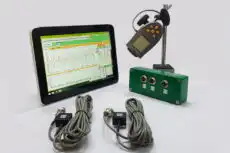
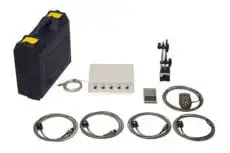
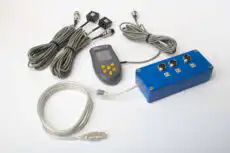
ক্যাভিটেশনকে দ্রুত সমাধান করা অত্যন্ত গুরুত্বপূর্ণ। প্রতিটি ইমপ্লোশন একটি মাইক্রোস্কোপিক জেট হ্যামারের মতো কাজ করে, ইম্পেলার ভেনগুলি এবং পাম্প ভল্যুট থেকে চিপিয়ে বের করে এবং সময়ের আগে ব্যর্থতার দিকে পরিচালিত করে। ক্ষেত্রে, ব্যবহারিক ওয়ার্কফ্লো হল একটি কম্পনন বিশ্লেষকে ব্রডব্যান্ড স্বাক্ষর নিশ্চিত করা, হাইড্রোলিক কারণ দূর করা, এবং তারপর যন্ত্রটি একটি পরিচ্ছন্ন যান্ত্রিক অবস্থায় ফিরে এসেছে তা যাচাই করা। এর মতো একটি বহনযোগ্য দ্বি-চ্যানেল যন্ত্র Balanset-1A সেই চূড়ান্ত পদক্ষেপের জন্য ভালভাবে উপযুক্ত: একবার প্রক্রিয়া ত্রুটি নিরাপদ হয়ে গেলে, এটি 1× পরিমাপ করে বিস্তার এবং দশা অপারেটিং গতিতে পাম্পের নিজস্ব বিয়ারিংগুলিতে, তাই যেকোনো অবশিষ্ট ভারসাম্যহীনতা ক্ষয় দ্বারা ছেড়ে যাওয়া পরিমাপ করা যেতে পারে এবং স্থানে সংশোধন করা যেতে পারে ব্যালেন্সিং.

