কেন্দ্রাবর্তী পাম্প ত্রুটি বোঝা

কেন্দ্রীয় পাম্পের ত্রুটিসমূহ হল কেন্দ্রীয় পাম্প ডিজাইন এবং অপারেশনের সাথে অনন্য ব্যর্থতা এবং সমস্যা: পরিধান-বলয় বিনাশ, প্যাঁচবিশিষ্ট নালী এবং ব্যাপক প্রসারক ক্ষয়, ইম্পেলার-টু-কেসিং শূন্যস্থান ক্ষতি, ক্যাভিটেশন ক্ষতি, হাইড্রলিক অসম্পূর্ণতা, এবং রিসার্কুলেশন নিম্ন প্রবাহে। কেন্দ্রীয় পাম্পগুলি সাধারণ ঘূর্ণনশীল যন্ত্রপাতির সমস্যা শেয়ার করে — বেয়ারিং ত্রুটি, সিল ক্ষয় এবং মিসঅ্যালাইনমেন্ট — কিন্তু তাদের তাদের হাইড্রলিক্স থেকে এবং ঘূর্ণনশীলের মধ্যে চলমান ইন্টারঅ্যাকশন থেকে উদ্ভূত অনন্য ব্যর্থতা মোডও রয়েছে ইম্পেলার এবং স্থির প্যাঁচবিশিষ্ট নালী বা ব্যাপক প্রসারক।
শিল্প তরল পরিচালনার কর্মঘোড়া হিসাবে, কেন্দ্রীয় পাম্পগুলি এই নির্দিষ্ট ত্রুটিগুলি সম্পর্কে স্পষ্ট বোঝাপড়া পুরস্কৃত করে — বিশেষত যেগুলি অভ্যন্তরীণ শূন্যস্থান এবং হাইড্রোলিক শক্তি — কারণ এই বোঝাপড়াই কার্যকর পাম্প-নির্ভরযোগ্যতা প্রোগ্রামের ভিত্তি। তারা পাম্পের ত্রুটি এর বৃহত্তর পরিবারের মধ্যে রয়েছে, কিন্তু তাদের হাইড্রলিক ব্যক্তিত্ব তাদের আলাদা করে।
১. পরিধান-বলয় বিনাশ — সংজ্ঞায়িত সমস্যা
যদি একটি ত্রুটি কেন্দ্রীয় পাম্পের প্রতীকী হয়, তবে এটি পরিধান-বলয় পরিধান। পরিধান বলয়গুলি হল ত্যাগযোগ্য উপাদান যা ইম্পেলার এবং কেসিংয়ের মধ্যে একটি ছোট চলমান শূন্যস্থান বজায় রাখে, অভ্যন্তরীণ পুনরাবর্তনকে কমিয়ে দেয় — উচ্চ-চাপ নিঃসরণ তরল নিম্ন-চাপ চোষণে ফিরে যাওয়ার ফুটো — এবং অনেক বেশি ব্যয়বহুল ইম্পেলার এবং কেসিংকে রক্ষা করে যা তারা রক্ষা করে।
পরিধান প্রক্রিয়া
- ঘর্ষণজনিত ক্ষয়: তরলের কণাগুলি ধীরে ধীরে বলয় পৃষ্ঠগুলি ক্ষয় করে।
- ফাঁক বৃদ্ধি: নতুন হলে একটি সাধারণ ০.২৫–০.৭৫ মিমি শূন্যস্থান পরিধান হলে ১.৫–৩.০ মিমি খোলা।
- হার: তরল ঘর্ষণ দ্বারা পরিচালিত — পরিষ্কার জলে ধীর, কাদামাটিতে দ্রুত।
পরিধান করা বলয় পাম্পের জন্য কী করে
- কর্মক্ষমতা ক্ষতি: অভ্যন্তরীণ পুনরাবর্তন বৃদ্ধির সাথে সাথে হ্রাস করা মাথা এবং প্রবাহ।
- দক্ষতা হ্রাস: ৫–১৫% সাধারণত একবার শূন্যস্থান অত্যধিক হয়।
- উচ্চতর কম্পন: ঊর্ধ্বমুখী ভেন-প্যাসিং ফ্রিকোয়েন্সি (VPF) প্রশস্ততা যেহেতু ফাঁক বিস্তৃত হয়।
- হাইড্রলিক রেডিয়াল বল: অসামঞ্জস্যপূর্ণ ফিসফাস রোটরকে পার্শ্বে ঠেলে দেয়।
- আগাম পুনঃসংচালন সূচনা: অস্থিরতা সুষম বলয়ের তুলনায় উচ্চতর প্রবাহ হারে শুরু হয়।
সনাক্তকরণ কর্মক্ষমতা পরীক্ষা (একটি মাথা-প্রবাহ বক্ররেখা যা ডিজাইনের চেয়ে সমতল হয়ে গেছে), স্পেকট্রামে বর্ধিত VPF প্রশস্ততা, অভিযান্ত্রণের সময় ভিজ্যুয়াল পরিদর্শন এবং অনুভব গেজ সহ সরাসরি ফাঁক পরিমাপ একত্রিত করে।
২. ভল্যুট, কেসিং এবং কাটওয়াটারের ক্ষয়
পরিধান বলয়ের বাইরে, স্থির হাইড্রলিক পথগুলি তাদের নিজস্ব বৈশিষ্ট্যপূর্ণ স্থানে ক্ষয়িত হয়। ভল্যুটে এবং কেসিংয়ে ভল্যুট এবং কেসিং আক্রমণ ভল্যুট গ্রাসনালিতে, কাটওয়াটার অঞ্চলে এবং স্রাব নোজেলে কেন্দ্রীভূত হয়, যা ক্ষতিকারক কণা, গহ্বরকরণ এবং উচ্চ স্থানীয় বেগ দ্বারা চালিত; ফলাফল হল পরিবর্তিত প্রবাহ পথ, স্থানান্তরিত হাইড্রলিক বল এবং, গুরুতর ক্ষেত্রে, প্রাচীর-ভেদী ক্ষয় এবং ফিসফাস। মেরামতের অর্থ ওয়েল্ড বিল্ড-আপ এবং পুনরায় যন্ত্রণ, বা কেসিং প্রতিস্থাপন।
ভল্যুট জিহ্বা (কাটওয়াটার) বিশেষ উল্লেখের যোগ্য, কারণ এর টিপ পাম্পের সর্বোচ্চ-বেগ প্রবাহে অবস্থিত। সেখানে ক্ষয় টিপকে বোঁতা করে এবং ইমপেলার-কাটওয়াটার ফাঁক পরিবর্তন করে, সরাসরি VPF স্পন্দন প্রশস্ততা পরিবর্তন করে; আকৃতি বিকৃতি হাইড্রলিক কর্মক্ষমতা হ্রাস করে, এবং নিরলস চাপ স্পন্দন জিহ্বা সম্পূর্ণভাবে ক্লান্তি এবং ফাটতে পারে। অতি-সংকীর্ণ ইমপেলারে (অথবা তুলনীয় কম-ফ্লো-রেট অবস্থায়) ডিফিউজার পাম্প সমতুল্য সমস্যাগুলি ডিফিউজার-বেল ক্ষয় বা ক্ষতি এবং পরিবর্তিত ইমপেলার-থেকে-ডিফিউজার ফাঁক হিসাবে প্রদর্শিত হয়, যা চাপ পুনরুদ্ধারকে নষ্ট করে, দক্ষতা হ্রাস করে এবং অতিরিক্ত কম্পন ফ্রিকোয়েন্সি প্রবর্তন করতে পারে।
৩. ইমপেলার-নির্দিষ্ট ক্ষতি
ইমপেলার, একমাত্র ঘূর্ণনশীল ভিজ্জিত অংশ হিসাবে, একাধিক স্বতন্ত্র ক্ষতির ধরন জমা করে:
- বেল ক্ষয় এবং সংক্ষয়: ক্ষতিকারক সেবায় অগ্রণী-প্রান্ত পরিধান, স্তন্য-পক্ষীয় গহ্বরকরণ পিটিং এবং বেলের রাসায়নিক পাতলা হওয়া — সবকিছু যা অসাম্য এবং কর্মক্ষমতা হারান।
- শ্রাউড ক্ষতি: সামনের বা পিছনের শ্রাউডে ফাটল, সাথে ক্ষয় বা জারণ যা হাইড্রলিক সিল এবং থ্রাস্ট ব্যালেন্স দুর্বল করে থ্রাস্ট বেয়ারিং.
- ইম্পেলার-আই ক্ষতি: প্রবেশদ্বার চোখ বিশেষভাবে ক্যাভিটেশন এবং উচ্চ-বেগের প্রবেশ প্রবাহ থেকে ক্ষয়ের জন্য প্রবণ, উভয়ই সাকশন পারফরম্যান্স হ্রাস করে।
যেহেতু ক্ষয় এবং জমা প্রায় কখনোই সমান্তরালভাবে ভর সরায় বা যোগ করে না, ব্যবহারিক ফলাফল প্রায় সবসময় 1× এ বৃদ্ধি হয় রানিং-স্পিড যে কম্পনন তারা সৃষ্টি করে তার কারণে অসমতা থেকে উদ্ভূত হয় — এই কারণেই যে কোনো ইম্পেলার মেরামতের পরে ব্যালেন্সিং মান অনুশীলন।
৪. হাইড্রলিক কর্মক্ষমতা ত্রুটি
কিছু “ত্রুটি” সত্যিই পাম্প যা তার ডিজাইন পয়েন্ট থেকে দূরে চালিত হচ্ছে তার প্রতিবাদ। ডিজাইন-বহির্ভূত অপারেশন সাধারণ থ্রেড: এ কম প্রবাহ পাম্প পুনর্সঞ্চালন, উচ্চ রেডিয়াল বল এবং ক্রমবর্ধমান ক্যাভিটেশন ঝুঁকির সম্মুখীন হয়; এ বেশি প্রবাহ এটি মোটর ওভারলোড, ক্যাভিটেশন এবং উচ্চ-বেগের ক্ষয় দেখে। নির্ভরযোগ্যতার জন্য সেরা দক্ষতা পয়েন্টের (BEP) মোটামুটি 80–110% এর মধ্যে মিষ্টি স্থান। আলাদাভাবে, অপর্যাপ্ত NPSH — অপর্যাপ্ত নেট পজিটিভ সাকশন হেড — ইম্পেলার প্রবেশকে বঞ্চিত করে এবং ক্যাভিটেশন ট্রিগার করে; এটি মূলত একটি সিস্টেম সমস্যা যা পাম্পের ভিতরে প্রকাশ পায়, এবং এটি সাধারণত নিরাময়ের জন্য পাম্প মেরামতের পরিবর্তে সিস্টেম পরিবর্তন দাবি করে। একটি NPSH ক্যালকুলেটর উপলব্ধ মার্জিন পরীক্ষা করার একটি দ্রুত উপায়, যখন অ্যাফিনিটি আইন ক্যালকুলেটর পাম্প যখন ভিন্ন গতিতে চলে তখন শিরোনাম, প্রবাহ এবং শক্তি কীভাবে পরিবর্তিত হয় তা পূর্বাভাস দিতে সহায়তা করে।
৫. একটি ডায়াগনোস্টিক পদ্ধতি
কার্যকর নির্ণয় যন্ত্রের তিনটি দৃষ্টিভঙ্গি স্তরিত করে। কম্পন নির্ণয় প্রথমে আসা: ক্ষয় বা জমা থেকে অসমতার জন্য 1× উপাদান প্রবণতা; পরিধান-রিং এবং ফাঁক অবস্থার প্রক্সি হিসাবে VPF বিস্তার দেখুন; অফ-ডিজাইন প্রবাহ থেকে পুনর্সঞ্চালন থেকে কম-ফ্রিকোয়েন্সি শক্তি খুঁজুন; ব্রডব্যান্ড পড়ুন টার্বুলেন্স ক্যাভিটেশনের একটি চিহ্ন হিসাবে; এবং সাধারণ পর্দা বেয়ারিং ত্রুটি ফ্রিকোয়েন্সি. কর্মক্ষমতা পরীক্ষণ অনুসরণ করুন — হেড–প্রবাহ বক্ররেখা বেসলাইনের বিপরীতে, শক্তি বনাম প্রবাহ, গণনা করা দক্ষতা এবং উপলব্ধ এনপিএসএইচের যাচাইকরণ। পরিদর্শন লুপ বন্ধ করে: ওয়্যার-রিং ক্লিয়ারেন্স স্পেসিফিকেশনের বিপরীতে পরীক্ষা করা হয়, ইম্পেলার অবস্থা ক্ষয়, জারণ এবং ক্র্যাকের জন্য মূল্যায়ন করা হয়, ভল্যুট অভ্যন্তরীণ পরীক্ষা করা হয় এবং সংযোগ যাচাই করা হয়।
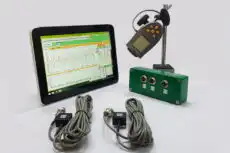
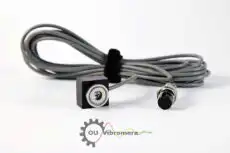
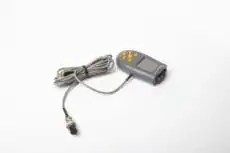
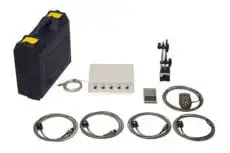
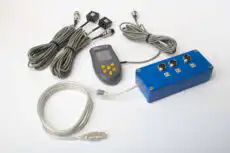
মাঠে, একটি পোর্টেবল দুই-চ্যানেল বিশ্লেষক যেমন Balanset-1A একজন প্রযুক্তিবিদকে ক্যাপচার করতে দেয় বিস্তার এবং দশা প্রতিটি বেয়ারিংয়ে, ১× এবং ভিপিএফ লাইন ট্রেন্ড করুন এবং — যখন ক্ষয় ইম্পেলারকে ভারসাম্যের বাইরে নিয়ে গেছে — এটি সঠিক করুন এবং অবশিষ্ট ভারসাম্যহীনতা নিশ্চিত করুন পাম্পটি তার বেসপ্লেট থেকে না টেনে।
৬. ডিজাইন, অপারেশন এবং রক্ষণাবেক্ষণের মাধ্যমে প্রতিরোধ
বেশিরভাগ সেন্ট্রিফিউগাল পাম্প ত্রুটি সেবার আগে এবং সময়ে নেওয়া সিদ্ধান্ত দ্বারা হ্রাস বা এড়ানো হয়। এর উপর ডিজাইন পক্ষ, ক্ষতিকারক কর্তব্যের জন্য ক্ষয়-প্রতিরোধী উপকরণ বেছে নিন, রাসায়নিক কর্তব্যের জন্য জারণ-প্রতিরোধী সংকর বেছে নিন, দীর্ঘ জীবনের জন্য দৃঢ় ওয়্যার-রিং বেছে নিন এবং সুরক্ষামূলক কোটিং যেখানে সহায়ক। মধ্যে অপারেশন বিইপির কাছাকাছি চালান, পর্যাপ্ত এনপিএসএইচ মার্জিন রাখুন (সাধারণত প্রয়োজনীয় এনপিএসএইচের ১.৫–২×), ডেডহেডিং বা খুব কম প্রবাহ এড়ান, ফিল্ট্রেশন বা স্থির হওয়ার মাধ্যমে তরল পরিষ্কারতা নিয়ন্ত্রণ করুন এবং কর্মক্ষমতা পরামিতি মনিটর এবং ট্রেন্ড করুন। মধ্যে রক্ষণাবেক্ষণ ক্লিয়ারেন্স সীমায় পৌঁছালে ওয়্যার-রিং প্রতিস্থাপন করুন (সাধারণত নতুন মানের ২–৩×), যেকোনো ইম্পেলার মেরামত বা পরিষ্কারের পরে রোটর ভারসাম্য করুন, নির্ভুলতা ধারণ করুন অ্যালাইনমেন্ট সিল সিস্টেম ভালো অবস্থায় রাখুন এবং পর্যায়ক্রমে কর্মক্ষমতা যাচাই করুন।
পুনরাবৃত্ত পাঠ হল যে সেন্ট্রিফিউগাল পাম্প নির্ভরযোগ্যতা যান্ত্রিক অবস্থার সংযোগস্থলে বাস করে — ক্লিয়ারেন্স, সংযোগ, ভারসাম্য — এবং হাইড্রোলিক কর্মক্ষমতা — প্রবাহ, চাপ, দক্ষতা। ব্যাপক পর্যবেক্ষণ যা যুগল করে কম্পন বিশ্লেষণ কর্মক্ষমতা পরীক্ষা সহ তাই বিলাসিতা নয় বরং কার্যকর সেন্ট্রিফিউগাল পাম্প পরিচালনার ব্যবহারিক মূল।