অবশিষ্ট উপযোগী জীবনকাল (RUL) বোঝা






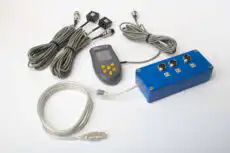
অবশিষ্ট উপযোগী জীবনকাল (RUL) এমন একটি অনুমান যা নির্দেশ করে একটি সরঞ্জাম উপাদান বা ব্যবস্থা সংজ্ঞায়িত ব্যর্থতার থ্রেশহোল্ডে পৌঁছানো বা রক্ষণাবেক্ষণ হস্তক্ষেপের প্রয়োজন হওয়ার আগে কতক্ষণ কাজ করতে পারে। RUL বর্তমান অবস্থা সূচক থেকে গণনা করা হয় — ভাইব্রেশন লেভেল, প্রবণতা অগ্রগতির হার এবং ত্রুটির ধরণের বৈশিষ্ট্য — এবং এটি রোগনির্ণয়মূলক বিশ্লেষণ এর প্রধান আউটপুট। এটি সাধারণত অপারেটিং ঘন্টা, ক্যালেন্ডার দিন বা হস্তক্ষেপের প্রয়োজনীয় চক্র হিসাবে প্রকাশ করা হয়।
RUL অনুমান হল ভবিষ্যদ্বাণীমূলক রক্ষণাবেক্ষণ প্রোগ্রামের চূড়ান্ত লক্ষ্য: এটি কাঁচা অবস্থা পর্যবেক্ষণ ডেটা থেকে এগিয়ে যাওয়ার জন্য প্রস্তুত, কার্যকর বুদ্ধিমত্তা। একটি সঠিক RUL মান সর্বোত্তম রক্ষণাবেক্ষণ সময়সূচী সক্ষম করে, সরঞ্জাম ব্যবহার সর্বাধিক করে এবং প্রাথমিক হস্তক্ষেপ (যা ভাল সেবা জীবন নষ্ট করে) এবং দেরী ব্যর্থতা উভয়ই (যা মেরামতের নিজেই চেয়ে অনেক বেশি খরচ করে) কমায়।
১. RUL প্রগনোস্টিক চিত্রে কোথায় ফিট করে
RUL সর্বোত্তমভাবে বোঝা যায় যেকোনো পরিমাপযোগ্য উত্তর যা প্রগনোসিস উত্পন্ন করে। শৃঙ্খল চলে ত্রুটি সনাক্তকরণ (একটি সমস্যা বিদ্যমান) মাধ্যমে রোগনির্ণয় (সমস্যাটি কী তা) থেকে প্রগনোসিস (এটি কীভাবে বিকশিত হবে) — এবং RUL হল সংখ্যা যা প্রগনোসিস ফিরিয়ে দেয়। এটি তাই এর তলার ডায়াগনোসিসের মতোই বিশ্বাসযোগ্য: ভুলভাবে সনাক্ত করা ত্রুটির উপর নির্মিত একটি অবশিষ্ট-জীবন অনুমান, গণিত কীভাবে পরিষ্কারভাবে করা হয় তা নির্বিশেষে বিভ্রান্ত করবে। আন্তর্জাতিকভাবে, প্রগনোস্টিক প্রক্রিয়া যা RUL ফলন ISO 13381-এর মতো মান দ্বারা বর্ণিত হয়, যখন বৃহত্তর ডেটা-প্রক্রিয়াকরণ কাঠামো ISO 13374.
২. RUL গণনা পদ্ধতি
প্রবণতা-ভিত্তিক RUL
সবচেয়ে সাধারণ পদ্ধতি, এবং রুটিন এর একটি সরাসরি এক্সটেনশন ট্রেন্ড বিশ্লেষণ:
- পরামিতি প্লট করুন — কম্পন বলুন অ্যামপ্লিটিউড — সময়ের বিরুদ্ধে।
- ডেটা একটি প্রবণতা লাইন ফিট করুন।
- ব্যর্থতা সংজ্ঞায়িত করুন থ্রেশহোল্ড (একটি সতর্কতা সীমা বা ট্রিপ লেভেল).
- থ্রেশহোল্ড ক্রসিং প্রবণতা এক্সট্রাপলেট করুন।
- সেই ক্রসিং এ সময় RUL।
- উদাহরণ: একটি বেয়ারিং এনভেলপ ৫ গ্রাম এর কম্পন, প্রতি মাসে ১ গ্রাম বৃদ্ধি, ১০ গ্রাম এ সতর্কতা → RUL = ৫ মাস।
এটি সঠিকভাবে একটি গণনা কম্পন-প্রবণতা থেকে অবশিষ্ট-জীবন অনুমানকারী, যা ঢাল ফিট করে এবং আপনার জন্য সীমা পর্যন্ত প্রকল্প করে।
মডেল-ভিত্তিক RUL
- পদার্থবিজ্ঞান-ভিত্তিক অবচয় মডেল ব্যবহার করে।
- উদাহরণ: ক্র্যাক-বৃদ্ধি মডেল এবং বিয়ারিং ক্লান্তি-জীবন সমীকরণ।
- চাপ, চক্র এবং উপাদান বৈশিষ্ট্যগত বিস্তারিত জ্ঞান প্রয়োজন।
- আরও নির্ভুল, কিন্তু তৈরি এবং রক্ষণাবেক্ষণ করতে আরও জটিল।
ডেটা-চালিত RUL
- ঐতিহাসিক ব্যর্থতা ডেটায় প্রশিক্ষিত মেশিন লার্নিং।
- পূর্ববর্তী, অনুরূপ অগ্রগতির সাথে প্যাটার্ন-ম্যাচিং।
- পরিসংখ্যানগত টিকে থাকার বিশ্লেষণ।
- চলমান-থেকে-ব্যর্থতার ক্ষেত্রে বড় ডেটাসেট প্রয়োজন।
হাইব্রিড পদ্ধতি
- প্রবণতা এক্সট্রাপোলেশন বিশেষজ্ঞ বিচারের সাথে মিলিয়ে দিন।
- নির্দিষ্ট মেশিনের প্রকৌশল জ্ঞান ব্যবহার করে পরিসংখ্যানগত পূর্বাভাস সামঞ্জস্য করুন।
- দৈনন্দিন শিল্প ব্যবহারের জন্য সবচেয়ে ব্যবহারিক পদ্ধতি।
3. RUL প্রকাশ এবং অনিশ্চয়তা
সময় ভিত্তি
- ক্যালেন্ডার সময়: দিন, সপ্তাহ, মাস — সবচেয়ে সাধারণ।
- কর্মক্ষম ঘন্টা: বিরত চলমান অ্যাকাউন্ট।
- চক্র বা শুরু: চক্রাকার যন্ত্রপাতি এবং ঘন ঘন শুরু সরঞ্জামের জন্য।
- উৎপাদন ইউনিট: টন প্রক্রিয়াজাত, যন্ত্রাংশ তৈরি।
আত্মবিশ্বাস এবং অনিশ্চয়তা
- RUL স্বাভাবিকভাবে অনিশ্চিত — এগুলি পূর্বাভাস, তথ্য নয়।
- আত্মবিশ্বাস ব্যবধানের সাথে এটি প্রকাশ করুন: “৩০–৯০ দিন, ৯০% আত্মবিশ্বাস।”
- অথবা সম্পূর্ণ সম্ভাব্যতা বিতরণ হিসাবে।
- ব্যর্থতা যত কাছে আসে অনিশ্চয়তা তত সংকুচিত হয়, যখন আরও ডেটা এবং একটি স্পষ্ট প্রবণতা থাকে।
পরিসীমা বনাম বিন্দু অনুমান
- বিন্দু অনুমান: “৪৫ দিন RUL” — বিভ্রান্তিকরভাবে নির্ভুল।
- সীমা: “৩০–৬০ দিন RUL” — আরও সৎ।
- সর্বোত্তম অনুশীলন: সর্বদা একটি পরিসীমা দিন যা অনিশ্চয়তাকে স্বীকার করে।
৪. সিদ্ধান্ত গ্রহণের জন্য RUL ব্যবহার করা
রক্ষণাবেক্ষণ সময়কাল
- RUL সর্বোত্তম উইন্ডো নির্দেশ করলে কাজ নির্ধারণ করুন।
- সংগ্রহ নেতৃত্ব সময়ের জন্য অ্যাকাউন্ট করুন।
- উৎপাদন সময়সূচীর সাথে সমন্বয় করুন।
- RUL মেয়াদ উত্তীর্ণ হওয়ার আগে সর্বদা পরিকল্পনা করুন, একটি নিরাপত্তা মার্জিন রেখে।
সুরক্ষা মার্জিন
- অ-সংকটপূর্ণ: পূর্বাভাসিত RUL এর ৫০–৭৫% এ পরিকল্পনা করুন।
- গুরুত্বপূর্ণ: RUL এর ২৫–৫০% এ পরিকল্পনা করুন।
- সংকটপূর্ণ: RUL এর ১০–২৫% এ পরিকল্পনা করুন — ইচ্ছাকৃতভাবে রক্ষণশীল।
- যুক্তি: পূর্বাভাস অনিশ্চয়তা শোষণ করুন এবং ব্যর্থতা এড়ান সমালোচনামূলক যন্ত্রপাতি.
সম্পদ পরিকল্পনা
- RUL এর ভিত্তিতে যন্ত্রাংশ অর্ডার করুন।
- পূর্বাভাসিত চাহিদা অনুযায়ী শ্রম নির্ধারণ করুন।
- আগে থেকে আউটেজ সময়কাল পরিকল্পনা করুন।
- দীর্ঘমেয়াদী সরবরাহের জন্য সময়মতো ঠিকাদার নিয়োগ করুন।
৫. RUL অনুমান আপডেট করা
ক্রমাগত সংশোধন
- প্রতিটি নতুন পরিমাপের সাথে RUL পুনরায় গণনা করুন।
- অতিরিক্ত ডেটা আসার সাথে সাথে প্রবণতা পুনরায় ফিট করুন।
- অগ্রগতির হার পরিবর্তিত হলে সামঞ্জস্য করুন।
- সবচেয়ে সাম্প্রতিক অনুমানকে সবচেয়ে নির্ভুল হিসাবে বিবেচনা করুন।
অগ্রগতি পর্যবেক্ষণ
- রৈখিক অগ্রগতি: RUL তুলনামূলকভাবে স্থিতিশীল, ধারাবাহিকভাবে হ্রাস পাচ্ছে।
- ত্বরান্বিত হচ্ছে: RUL ক্যালেন্ডার সময়ের চেয়ে দ্রুত হ্রাস পায় — ত্রুটি ত্বরান্বিত হচ্ছে।
- স্থিতিশীল: RUL হ্রাস পাচ্ছে না — ত্রুটি স্থির হয়েছে, যদিও পর্যবেক্ষণ ব্যবধান কঠোর করা এটি নিশ্চিত করার জন্য মূল্যবান।
৬. ত্রুটির ধরন অনুযায়ী RUL
বেয়ারিং ত্রুটি
- সাধারণ RUL: খাম সনাক্তকরণ থেকে ৩–১২ মাস।
- সূচকীয় অগ্রগতি সাধারণ — RUL শেষের কাছাকাছি দ্রুত হ্রাস পায়।
- খাম বিশ্লেষণের সাথে ভাল পূর্বাভাসযোগ্যতা ট্রেন্ডিং.
অসাম্য
- প্রায়শই অগ্রগামী হওয়ার চেয়ে স্থিতিশীল থাকে।
- যদি কম্পন অত্যধিক না হয় তবে RUL কার্যকরভাবে অনির্দিষ্ট।
- জরুরি সময়সূচীর পরিবর্তে তীব্রতার উপর ভিত্তি করে সময়সূচী তৈরি করুন। যেখানে অসাম্য সমস্যা রয়েছে, প্রতিকার সাধারণত সংশোধনমূলক ব্যালেন্সিং প্রতিস্থাপনের পরিবর্তে।
ফাটল
- একবার সনাক্ত হলে দ্রুত অগ্রগতি করতে পারে।
- RUL: সাধারণত সপ্তাহ থেকে মাস পর্যন্ত।
- উচ্চ অনিশ্চয়তা, কারণ ফাটল বৃদ্ধি অ-রৈখিক।
- একটি রক্ষণশীল পদ্ধতি যুক্তিসঙ্গত।
7. ডকুমেন্টেশন এবং সিস্টেম ইন্টিগ্রেশন
RUL রিপোর্ট
- বর্তমান RUL অনুমান এবং এর আস্থা।
- সেই অনুমানকে সমর্থন করে এমন প্রবণতা ডেটা।
- এটি গণনা করতে ব্যবহৃত পদ্ধতি।
- সম্পৃক্ত অনুমান এবং অনিশ্চয়তা।
- সুপারিশকৃত হস্তক্ষেপ সময় — বিষয়বস্তু যা স্বাভাবিকভাবে একটি নির্ণয়ক প্রতিবেদন.
ট্র্যাকিং এবং আপডেট
- প্রতিটি ত্রুটির জন্য একটি RUL ইতিহাস বজায় রাখুন।
- প্রতিটি অনুমান প্রকৃত ফলাফলের বিপরীতে ট্র্যাক করুন।
- পূর্বাভাস মডেলগুলি উন্নত করার জন্য তুলনা থেকে শিখুন।
- অনুমানগুলি যখন সঠিক প্রমাণিত হয়েছে এবং যখন হয়নি তা রেকর্ড করুন।
রক্ষণাবেক্ষণ এবং উৎপাদন সিস্টেমের সাথে সংহতকরণ
- RUL একটি CMMS-এর মধ্যে রক্ষণাবেক্ষণ সময়সূচীতে সরাসরি প্রবেশ করে।
- কাজের অর্ডার এবং যন্ত্রাংশ অর্ডারকরণ RUL সীমানায় স্বয়ংক্রিয়ভাবে চালু করা যায়।
- উৎপাদন পরিকল্পনা পূর্বাভাসিত আউটেজের চাহিদা সম্পর্কে সচেতন হয়ে ওঠে, যাতে রক্ষণাবেক্ষণ কম চাহিদার সময়ের সাথে সংযুক্ত করা যায়।
- এটি উৎপাদন লক্ষ্যগুলিকে নির্ভরযোগ্যতার চাহিদার বিরুদ্ধে ভারসাম্য রাখে।
সামঞ্জস্যপূর্ণ, পুনরাবৃত্তিযোগ্য রিডিং সংগ্রহ করা যার উপর একটি বিশ্বাসযোগ্য RUL নির্ভর করে তা হল ক্ষেত্রকাজ, এবং এটি সেখানে যেখানে একটি সক্ষম পোর্টেবল যন্ত্র এর স্থান অর্জন করে। দুই-চ্যানেল বিশ্লেষক যেমন Balanset-1A একজন প্রযুক্তিবিদকে প্রতিটিতে তুলনীয় কম্পন পরিমাপ লগ করতে দেয় পর্যায়ক্রমিক-পর্যবেক্ষণ পরিদর্শন — এবং, যখন ত্রুটি অসম্ভব হয়ে ওঠে, রোটর তাৎক্ষণিক স্থানে সংশোধন করুন যা কেবল তার পতন পূর্বাভাস করার পরিবর্তে। অবশিষ্ট-কার্যকর-জীবন অনুমান হল পূর্বাভাসমূলক ক্ষমতা যা ভবিষ্যদ্বাণীমূলক রক্ষণাবেক্ষণকে সত্যিই অপ্টিমাইজ করে তোলে: শর্ত প্রবণতা থেকে হস্তক্ষেপ কখন প্রয়োজন তা পূর্বাভাস করে, RUL সময়সূচী সমর্থন করে যা সরঞ্জাম ব্যবহার, ব্যর্থতার ঝুঁকি এবং রক্ষণাবেক্ষণ খরচ ভারসাম্য রাখে — সম্পদ এবং যারা তাদের বজায় রাখে তাদের উভয় থেকে সর্বাধিক মূল্য বের করে।

