পর্যায়ক্রমিক পর্যবেক্ষণ বোঝা






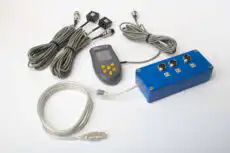
পর্যায়ক্রমিক পর্যবেক্ষণ (রুট-ভিত্তিক, নির্ধারিত বা ব্যবধান পর্যবেক্ষণ নামেও পরিচিত) একটি অবস্থা পর্যবেক্ষণ পদ্ধতি যেখানে প্রশিক্ষিত প্রযুক্তিবিদরা ম্যানুয়ালি সংগ্রহ করেন ভাইব্রেশন এবং অন্যান্য অবস্থা ডেটা সরঞ্জাম থেকে নিয়মিত ব্যবধানে — সাপ্তাহিক, মাসিক বা ত্রৈমাসিক — পূর্বনির্ধারিত পরিমাপ রুট অনুসরণ করে। একটি পোর্টেবল দিয়ে সজ্জিত ডেটা কালেক্টর বা অ্যানালাইজার, প্রযুক্তিবিদ সময়সূচী অনুযায়ী প্রতিটি মেশিনে পরিদর্শন করেন, নির্দিষ্ট পয়েন্টে পাঠ নেন এবং ডেটা একটি কেন্দ্রীয় ডাটাবেসে আপলোড করেন ট্রেন্ডিং, বিশ্লেষণ এবং অ্যালার্ম মূল্যায়ন।
পর্যায়ক্রমিক পর্যবেক্ষণ বিপুল সংখ্যক মেশিন কভার করার সবচেয়ে সাশ্রয়ী উপায়, প্রাথমিক ত্রুটি সনাক্তকরণ এর মূল্যের বিপরীতে যুক্তিসঙ্গত বাস্তবায়ন খরচ। এটি বেশিরভাগ শিল্প ভবিষ্যদ্বাণীমূলক রক্ষণাবেক্ষণ কর্মসূচির মেরুদণ্ড, সাধারণত পর্যবেক্ষণকৃত সরঞ্জামের ৮০–৯৫% কভার করে, যার সাথে অনলাইন সিস্টেম সবচেয়ে গুরুত্বপূর্ণ ৫–২০% সংরক্ষিত। এই ধরনের একটি কর্মসূচি নির্বাচন এবং চালানোর জন্য আন্তর্জাতিক কাঠামো নির্ধারিত হয় ISO 17359, অবস্থা পর্যবেক্ষণের জন্য সাধারণ নির্দেশিকা।
1. পর্যবেক্ষণ কৌশলগুলির মধ্যে এর অবস্থান
অবস্থা পর্যবেক্ষণ একটি হ্যান্ডহেল্ড মিটার সহ একজন প্রযুক্তিবিদ থেকে একটি স্থায়ীভাবে তারযুক্ত সুরক্ষা ব্যবস্থা পর্যন্ত একটি বর্ণালী জুড়ে বিস্তৃত। পর্যায়ক্রমিক পর্যবেক্ষণ বিস্তৃত, ব্যবহারিক মধ্য-পথ দখল করে। এটি আলাদা ক্রমাগত পর্যবেক্ষণ, যা একটি মেশিনকে রিয়েল-টাইমে নিশ্চিত সেন্সর দিয়ে পর্যবেক্ষণ করে এবং এটি এর পিছনে অপারেশনাল ইঞ্জিন রুট-ভিত্তিক ডেটা সংগ্রহ। পরিচালনামূলক নীতিটি সহজ: ব্যর্থতার পরিণতির সাথে পর্যবেক্ষণ তীব্রতা মেলান। একটি অতিরিক্ত পাম্প ত্রৈমাসিক পরীক্ষায় এবং একটি একমাত্র-বেঁচে থাকা কম্প্রেসর একটি ক্রমাগত সিস্টেমে পারে — এবং উচিত — একই উদ্ভিদে সহাবস্থান করতে।
2. বাস্তবায়নের উপাদান
পরিমাপ রুট
- মেশিন এবং পরিমাপ পয়েন্টগুলির একটি পূর্বনির্ধারিত অনুক্রম।
- দক্ষ প্রযুক্তিবিদ ভ্রমণের জন্য অপ্টিমাইজ করা।
- এলাকা, সিস্টেম বা অ্যাক্সেসযোগ্যতা দ্বারা গোষ্ঠীভুক্ত।
- সাধারণত প্রতি রুট ১০০–৫০০ পয়েন্ট।
- রুট সম্পন্ন হওয়ার সময় মোটামুটি ২–৮ ঘণ্টা।
পরিমাপের ফ্রিকোয়েন্সি
- গুরুত্বপূর্ণ সরঞ্জাম: সাপ্তাহিক থেকে মাসিক।
- উল্লেখযোগ্য সরঞ্জাম: মাসিক থেকে ত্রৈমাসিক।
- সাধারণ সরঞ্জাম: ত্রৈমাসিক থেকে ছয় মাসে একবার।
- বর্ধিত ফ্রিকোয়েন্সি: যখনই প্রবণতা অবনতি দেখায়।
ডেটা সংগ্রহের সরঞ্জাম
- রুট নেভিগেশন সহ হ্যান্ডহেল্ড ডেটা সংগ্রাহক।
- পোর্টেবল কম্পন বিশ্লেষণকারী।
- তাপমাত্রা পরিমাপক বা যোগাযোগ থার্মোমিটার, একটি তাপমাত্রা সেন্সর.
- অতিশব্দ সনাক্তকারী আল্ট্রাসাউন্ড বিশ্লেষণ.
- সকল একটি সাধারণ ডাটাবেসের সাথে সিঙ্ক্রোনাইজড।
৩. সুবিধাসমূহ
সাশ্রয়ী মূল্য
- কোনো স্থায়ী সেন্সর ইনস্টলেশন খরচ নেই।
- একটি পোর্টেবল যন্ত্র সেট অনেক মেশিন পর্যবেক্ষণ করে।
- শত শত বা হাজার হাজার মেশিনে স্কেল করে।
- অনলাইন পর্যবেক্ষণের তুলনায় প্রতি-মেশিন খরচ কম।
নমনীয়তা
- সরঞ্জাম প্রোগ্রামে যোগ করা বা সরানো সহজ।
- পরিস্থিতি পরিবর্তনের সাথে সাথে ব্যবধান পরিবর্তন করা যায়।
- পরিমাপের পরামিতিগুলি অবাধে সামঞ্জস্য করা যায়।
- পরিধি সংশোধনের জন্য কোনো পুঁজি বিনিয়োগের প্রয়োজন নেই।
ডায়াগনস্টিক সক্ষমতা
- প্রযুক্তিবিদ বিস্তারিত সম্পাদন করতে পারেন বর্ণালী বিশ্লেষণ সাইটে।
- একাধিক পরিমাপ পয়েন্ট এবং দিক সহজেই নেওয়া যায়।
- একটি সমস্যা শনাক্ত হওয়ার মুহূর্তেই অতিরিক্ত পরীক্ষা সম্ভব।
- মানব বিচার তাৎক্ষণিকভাবে মেশিনে প্রয়োগ করা হয়।
৪. সীমাবদ্ধতা
শনাক্তকরণ বিলম্ব
- গড় শনাক্তকরণ বিলম্ব পরিমাপ ব্যবধানের অর্ধেক।
- একটি মাসিক পথ তাই ত্রুটি শুরু থেকে শনাক্তকরণ পর্যন্ত গড়ে দুই সপ্তাহের বিলম্ব।
- পরিদর্শনের মধ্যে দ্রুত অবনতি সম্পূর্ণভাবে মিস করা যেতে পারে।
- এটি অত্যন্ত দ্রুত ব্যর্থতা মোডের জন্য উপযুক্ত নয়।
ক্ষণস্থায়ী ঘটনা মিস করা হয়েছে
- সময় সমস্যা স্টার্ট-আপ এবং শাটডাউন অক্যাপচার ছাড়াই যেতে পারে।
- বিরামচিহ্নযুক্ত ত্রুটিগুলি পরিমাপের মধ্যে লুকিয়ে থাকতে পারে।
- প্রক্রিয়া-ব্যাঘাতী কম্পন সহজেই উপেক্ষা করা যায়।
- জরিপের সময় কোনো পাঠের জন্য মেশিনটি চলমান থাকতে হবে।
ক্রমাগত সুরক্ষা নেই
- এটি স্বয়ংক্রিয় শাটডাউন প্রদান করতে পারে না।
- রুট পরিদর্শনের মধ্যে সরঞ্জাম নিরীক্ষণ করা হয় না।
- এটি অন্যান্য সুরক্ষা ব্যবস্থার উপর নির্ভর করে — তাপমাত্রা সুইচ, নিবেদিত যন্ত্রপাতি সুরক্ষা, এবং এই জাতীয় অন্যান্য।
৫। সর্বোত্তম অনুশীলন
রুট ডিজাইন
- সরঞ্জামের যুক্তিসঙ্গত গ্রুপিং।
- একটি দক্ষ ভ্রমণ পথ।
- সামঞ্জস্যপূর্ণ পরিমাপ শর্তাবলী (দিনের সময়, মেশিন লোডিং)।
- পর্যাপ্ত সময় বরাদ্দ, যাতে রিডিং কখনও তাড়াহুড়ো না করা হয়।
- পথে নির্মিত নিরাপত্তা বিবেচনা।
পরিমাপ সামঞ্জস্য
- প্রতিবার একই পরিমাপ অবস্থান।
- নথিভুক্ত পয়েন্ট, ফটো বা ড্রয়িং দ্বারা সমর্থিত।
- সামঞ্জস্যপূর্ণ সেন্সর স্থাপনা এবং অভিযোজন — যান্ত্রিক মাউন্টিং যা ISO 5348 ত্বরণমিটারের জন্য সমাধান করে।
- পরিদর্শন জুড়ে অনুরূপ অপারেটিং শর্তাবলী।
- প্রতিটি প্রযুক্তিবিদের জন্য স্ট্যান্ডার্ডাইজড প্রক্রিয়া।
ডেটা কোয়ালিটি
- যন্ত্রগুলি সীমার মধ্যে আছে তা যাচাই করুন ক্যালিব্রেশন.
- প্রতিটি রিডিং এর আগে সেন্সর মাউন্টিং এবং ক্যাবলিং পরীক্ষা করুন।
- মেশিনটি একটি স্থিতিশীল অপারেটিং অবস্থায় আছে তা নিশ্চিত করুন।
- যে কোনো রিডিং পুনরাবৃত্তি করুন যার মান সন্দেহজনক দেখায়।
- অস্বাভাবিক অবস্থা স্থানে নথিভুক্ত করুন।
6. ব্যবধান নির্বাচন এবং অপ্টিমাইজেশন
বিবেচনা করার কারণ
- গুরুত্ব: আরও গুরুত্বপূর্ণ সরঞ্জাম আরও ঘন ঘন পর্যবেক্ষণ করা হয়।
- ব্যর্থতা-মোড গতি: ধীর অবনতি দীর্ঘ ব্যবধান সম্ভব করে।
- ঐতিহাসিক ডেটা: পরিচিত অবনতির হার পছন্দ নির্দেশনা দেয়।
- ব্যর্থতার খরচ: উচ্চ-পরিণাম সরঞ্জাম উচ্চতর ফ্রিকোয়েন্সি ন্যায্য করে।
- রিডানডেন্সি: উপলব্ধ ব্যাকআপ দীর্ঘ ব্যবধান গ্রহণযোগ্য করে তোলে।
সরঞ্জাম প্রকারের মধ্যে সাধারণ ব্যবধান
- গুরুত্বপূর্ণ ঘূর্ণনশীল (ব্যাকআপ ছাড়া): সাপ্তাহিক থেকে মাসিক।
- গুরুত্বপূর্ণ ঘূর্ণনশীল: মাসিক।
- সাধারণ ঘূর্ণনশীল: ত্রৈমাসিক।
- অ-সংকটপূর্ণ: অর্ধ-বার্ষিক বা বার্ষিক।
- সমন্বিত: সমস্যা দেখা দেওয়ার মুহূর্তে ফ্রিকোয়েন্সি বৃদ্ধি করুন।
চলমান অপ্টিমাইজেশন
- রক্ষণশীলভাবে শুরু করুন, প্রায়শই মাসিক।
- প্রমাণিত স্থিতিশীল সরঞ্জামের জন্য ব্যবধান বাড়ান (ত্রৈমাসিক দিকে)।
- প্রবণতা সমস্যার জন্য তাদের শক্ত করুন (সাপ্তাহিক বা এমনকি দৈনিক)।
- অত্যন্ত স্থিতিশীল, অ-গুরুত্বপূর্ণ মেশিন সরান; যেকোনো যা ব্যর্থ হতে শুরু করেছে তা যোগ করুন।
- উপলব্ধ সংস্থানগুলির বিরুদ্ধে ক্রমাগত পুনরায় ভারসাম্য কভারেজ।
৭. কর্মপ্রবাহ
ডেটা সংগ্রহ
- ডেটা সংগ্রাহকে রুট লোড করুন।
- প্রথম মেশিনে নেভিগেট করুন।
- পদ্ধতি অনুযায়ী পরিমাপ করুন।
- যন্ত্রটি স্বয়ংক্রিয়ভাবে প্রতিটি পাঠকে সরঞ্জাম আইডি দিয়ে ট্যাগ করে।
- পরবর্তী পয়েন্টে এগিয়ে যান।
- রুট সম্পন্ন করুন।
ডেটা বিশ্লেষণ
- কেন্দ্রীয় ডাটাবেসে ডেটা আপলোড করুন।
- সফটওয়্যার স্বয়ংক্রিয়ভাবে মানগুলি ট্রেন্ড করে এবং অ্যালার্মের বিপরীতে পরীক্ষা করে।
- একটি ব্যতিক্রম রিপোর্ট সমস্যাগুলি হাইলাইট করে।
- বিশ্লেষক সেই ব্যতিক্রমগুলি পর্যালোচনা করে।
- উদ্বেগজনক প্রবণতা বিস্তৃত বিশ্লেষণ গ্রহণ করে, যা আঁকা হয় বেসলাইন ডেটা এবং একটি সতর্কতা বা অ্যালার্ম লেভেল তুলনার জন্য।
পদক্ষেপ
- মনোযোগের প্রয়োজন এমন সরঞ্জামগুলির জন্য কাজের অর্ডার তৈরি করুন।
- অনুযায়ী রক্ষণাবেক্ষণ সময়সূচী করুন সিভিয়ারিটি.
- মেরামতগুলি কার্যকর ছিল তা যাচাই করে লুপ বন্ধ করুন।
যখন ডেটা একটি রোটর সমস্যা যেমন চিহ্নিত করে অসাম্য, একটি রুট যন্ত্র যা ভারসাম্যপূর্ণ মোডের সাথে প্রযুক্তিবিদকে দ্বিতীয় ট্রিপ ছাড়াই কাজ করতে দেয়। একটি দ্বি-চ্যানেল Balanset-1A, উদাহরণস্বরূপ, একটি রুট বিশ্লেষক এবং একটি হিসাবে দ্বিগুণ করে ফিল্ড ব্যালেন্সিং সরঞ্জাম: একই ডিভাইস যা একটি বৃদ্ধিশীল 1× প্রবণতা রেকর্ড করেছিল তা প্রশস্ততা এবং পর্যায় পরিমাপ করতে পারে এবং নিজস্ব বিয়ারিংয়ে রোটর সংশোধন করতে পারে, একটি অনুসন্ধানকে সরাসরি একটি সমাধানে পরিণত করে।

