ความเข้าใจเกี่ยวกับอายุการใช้งานที่เหลืออยู่ (RUL)

อายุการใช้งานที่เหลืออยู่ (RUL) คือการประมาณระยะเวลาที่ส่วนประกอบหรือระบบของอุปกรณ์สามารถทำงานต่อไปได้ก่อนที่จะถึงเกณฑ์ความล้มเหลวที่กำหนดไว้หรือต้องการการบำรุงรักษา RUL คำนวณจากตัวบ่งชี้สภาพปัจจุบัน— การสั่นสะเทือน ระดับ, แนวโน้ม อัตราความคืบหน้า และลักษณะของประเภทความเสีย—และเป็นผลลัพธ์หลักของ การวิเคราะห์เชิงพยากรณ์ โดยมักจะแสดงเป็นชั่วโมงการทำงาน วันปฏิทิน หรือรอบจนกว่าจะต้องมีการแทรกแซง
การประมาณค่า RUL เป็นเป้าหมายสูงสุดของ การบำรุงรักษาเชิงคาดการณ์ โครงการ: โดยแปลงข้อมูล การติดตามสภาพ เป็นสติปัญญาเชิงรุก ค่า RUL ที่มั่นคง ช่วยให้สามารถกำหนดเวลาการบำรุงรักษาที่เหมาะสม เพิ่มการใช้งานอุปกรณ์ให้สูงสุด และลดการแทรกแซงที่ก่อนกำหนด (ซึ่งสิ้นเปลืองการให้บริการที่ดี) และความล้มเหลวที่ล่าช้า (ซึ่งมีค่าใช้จ่ายมากกว่าการซ่อมแซมมาก)
1. RUL อยู่ที่ไหนในภาพการวินิจฉัยเชิงคาดการณ์
RUL เข้าใจได้ดีที่สุดว่าเป็น คำตอบ ที่การวินิจฉัยเชิงคาดการณ์สร้างขึ้น ห่วงโซ่มีจาก การตรวจจับข้อผิดพลาด (ปัญหามีอยู่) ผ่าน การวินิจฉัย (ปัญหาคืออะไร) เพื่อเพื่อการวินิจฉัยเชิงคาดการณ์ (วิธีที่มันจะพัฒนา)—และ RUL คือตัวเลขที่การวินิจฉัยเชิงคาดการณ์ส่งคืน ดังนั้นจึงเชื่อถือได้เท่านั้นกับการวินิจฉัยที่อยู่ข้างใต้นั้น: การประมาณอายุการใช้งานที่เหลือซึ่งสร้างขึ้นบนความผิดพลาดที่ระบุไม่ถูกต้องจะทำให้เข้าใจผิดไม่ว่าคณิตศาสตร์จะถูกต้องแค่ไหน ในระดับสากล กระบวนการวินิจฉัยเชิงคาดการณ์ที่ให้ผล RUL อธิบายไว้ในมาตรฐานเช่น ISO 13381 ในขณะที่กรอบการประมวลผลข้อมูลที่กว้างขึ้นปรากฏใน ISO 13374.
2. วิธีการคำนวณ RUL
RUL ตามแนวโน้ม
วิธีที่พบบ่อยที่สุด และเป็นส่วนขยายโดยตรงของการ การวิเคราะห์แนวโน้ม:
- วาดพล็อตพารามิเตอร์—เช่น การสั่นสะเทือน แอมพลิจูด — เมื่อเทียบกับเวลา
- ลากเส้นแนวโน้มผ่านข้อมูล
- กำหนดความล้มเหลว เกณฑ์ (ลิมิตสัญญาณเตือนหรือ ระดับตัดการทำงาน).
- ประมาณค่าแนวโน้มไปยังจุดตัดเกณฑ์
- เวลาถึงจุดตัดดังกล่าวคือ RUL
- ตัวอย่าง: ตลับลูกปืน เอ็นเวลอป การสั่นสะเทือน 5 g เพิ่มขึ้น 1 g ต่อเดือน โดยมีลิมิตสัญญาณเตือนที่ 10 g → RUL = 5 เดือน
นี่คือการคำนวณที่อยู่เบื้องหลังตัวประมาณ แนวโน้มการสั่นสะเทือนคงเหลือเพื่อประมาณอายุการใช้งานที่เหลือ ซึ่งปรับค่าความชันและประมาณค่าไปยังลิมิตสำหรับคุณ
RUL ตามแบบจำลอง
- ใช้โมเดลการเสื่อมสภาพที่ขึ้นอยู่กับฟิสิกส์
- ตัวอย่าง: โมเดลการเติบโตของรอยแตกและ ตลับลูกปืนเม็ดกลิ้ง สมการอายุการใช้งานทางความเหนื่อย
- ต้องมีความรู้รายละเอียดเกี่ยวกับความเครียด วงจร คุณสมบัติของวัสดุ
- แม่นยำกว่า แต่ซับซ้อนกว่าในการสร้างและบำรุงรักษา
RUL ที่ขับเคลื่อนด้วยข้อมูล
- แมชชีนเลิร์นนิงที่ได้รับการฝึกจากข้อมูลความล้มเหลวในอดีต
- การจับคู่รูปแบบกับความก้าวหน้าที่คล้ายคลึงกันในอดีต
- การวิเคราะห์การอยู่รอดทางสถิติ
- ต้องใช้ชุดข้อมูลขนาดใหญ่ของกรณีการทำงานจนล้มเหลว
วิธีไฮบริด
- รวมการประมาณค่าแนวโน้มกับการตัดสินใจของผู้เชี่ยวชาญ
- ปรับการทำนายทางสถิติโดยใช้ความรู้ด้านวิศวกรรมของเครื่องจักรที่เฉพาะเจาะจง
- แนวทางการใช้งานที่ประหยัดที่สุดสำหรับการใช้งานในอุตสาหกรรมทั่วไป
3. การแสดงอายุการใช้งานที่เหลือและความไม่แน่นอน
ฐานเวลา
- เวลาตามปฏิทิน: วัน สัปดาห์ เดือน — ส่วนใหญ่ที่พบเห็นบ่อย
- ชั่วโมงการทำงาน: พิจารณาการทำงานที่ไม่ต่อเนื่อง
- รอบการทำงานหรือการเริ่มต้น: สำหรับเครื่องจักรแบบวัฏจักรและอุปกรณ์ที่เริ่มต้นบ่อย
- หน่วยการผลิต: ตันที่ประมวลผล ชิ้นส่วนที่ผลิต
ความมั่นใจและความไม่แน่นอน
- อายุการใช้งานที่เหลือนั้นไม่แน่นอนโดยเนื้อแท้ — สิ่งเหล่านี้คือการพยากรณ์ ไม่ใช่ข้อเท็จจริง
- แสดงโดยใช้ช่วงความเชื่อมั่น: “30–90 วัน ความเชื่อมั่น 90%”
- หรือเป็นการแจกแจงความน่าจะเป็นแบบเต็ม
- ความไม่แน่นอนจะลดลงเมื่อใกล้เข้าสู่ความล้มเหลว เมื่อมีข้อมูลมากขึ้นและแนวโน้มชัดเจนขึ้น
ช่วงเทียบกับการประมาณค่าจุด
- การประมาณค่าจุด: “45 วัน อายุการใช้งานที่เหลือ” — เป็นการกำหนดที่หลอกลวง
- พิสัย: “30–60 วัน อายุการใช้งานที่เหลือ” — ซื่อสัตย์มากกว่า
- แนวทางปฏิบัติที่ดีที่สุด: ให้ช่วงที่ยอมรับความไม่แน่นอนเสมอ
4. การใช้อายุการใช้งานที่เหลือในการตัดสินใจ
เวลาการบำรุงรักษา
- จัดกำหนดการงานเมื่ออายุการใช้งานที่เหลือบ่งชี้ช่วงเวลาที่เหมาะสมที่สุด
- บัญชีเวลาการส่งมอบของซัพพลายเออร์
- ประสานงานกับตารางการผลิต.
- วางแผนก่อนจะถึง RUL เสมอ โดยเหลือส่วนแบ่งความปลอดภัย
ระยะขอบความปลอดภัย
- ไม่วิกฤต: วางแผนที่ 50–75% ของ RUL ที่คาดการณ์
- สำคัญ: วางแผนที่ 25–50% ของ RUL
- วิกฤต: วางแผนที่ 10–25% ของ RUL — อนุรักษ์โดยจำเจ
- เหตุผล: ดูดซับความไม่แน่นอนในการคาดการณ์และหลีกเลี่ยงความล้มเหลว เครื่องจักรสำคัญ.
การวางแผนทรัพยากร
- สั่งซื้อชิ้นส่วนตามพื้นฐาน RUL
- จัดตารางการทำงานให้ตรงกับความต้องการที่คาดการณ์
- วางแผนระยะเวลาการหยุดทำงานล่วงหน้า
- เพื่อให้สัญญากับผู้รับเหมาสำหรับรายการที่มีเวลานำหน้านาน
5. การอัพเดต RUL Estimates
การแก้ไขอย่างต่อเนื่อง
- คำนวณ RUL ใหม่ด้วยการวัดใหม่ทุกครั้ง
- ติดตั้งแนวโน้มใหม่เมื่อข้อมูลเพิ่มเติมมาถึง
- ปรับเมื่อใดก็ตามที่อัตราความก้าวหน้าเปลี่ยนแปลง
- ถือว่าการประมาณการล่าสุดเป็นการประมาณการที่แม่นยำที่สุด
การติดตามความก้าวหน้า
- ความก้าวหน้าเชิงเส้น: RUL ค่อนข้างเสถียร นับลงเรื่อยๆ
- การเร่งความเร็ว: RUL ลดลงเร็วกว่าเวลาตามปฏิทิน — ความเสียหายเพิ่มขึ้นเร็วขึ้น
- มั่นคง: RUL ไม่ลดลง — ความเสียหายหยุดชะงัก แม้ว่าจะคุ้มค่าที่จะบีบการตรวจสอบช่วงเวลาให้แน่นขึ้นเพื่อยืนยัน
6. RUL ตามประเภทความเสียหาย
ข้อบกพร่องของตลับลูกปืน
- ระยะเวลาค่าเฉลี่ย (RUL): 3–12 เดือน นับจากการตรวจจับแบบ envelope
- ความก้าวหน้าแบบเอกโพเนนเชียลนั้นพบได้ทั่วไป — RUL ลดลงอย่างรวดเร็วใกล้จุดสิ้นสุด
- สามารถคาดการณ์ได้ดีด้วยเทคนิค envelope การติดตามแนวโน้ม.
ความไม่สมดุล
- มักมีความเสถียรมากกว่าจะเกิดการเปลี่ยนแปลง
- RUL นั้นถือว่าเป็นระยะเวลาไม่จำกัดหากความสั่นสะเทือนไม่มากเกินไป
- จัดกำหนดการตามระดับความรุนแรง ไม่ใช่ตามเวลาเร่งด่วน ที่ซึ่ง ความไม่สมดุล เป็นปัญหา แนวทางแก้ไขโดยปกติจะเป็น การถ่วงสมดุล การแก้ไขแบบแก้เพื่อให้กลับมาทำงานได้ มากกว่าการแทนที่
รอยแตกร้าว
- อาจก้าวหน้าอย่างรวดเร็วเมื่อได้รับการตรวจจับ
- RUL: สัปดาห์ถึงเดือน โดยปกติ
- ความไม่แน่นอนสูง เพราะว่า รอยแตก อัตราการเพิ่มขึ้นนั้นไม่เป็นเชิงเส้น
- ควรใช้แนวทางที่ระมัดระวังมากขึ้น
7. เอกสารและการบูรณาการระบบ
รายงาน RUL
- ค่าประมาณ RUL ในปัจจุบันและความเชื่อมั่นของมัน
- ข้อมูลแนวโน้มที่สนับสนุนค่าประมาณดังกล่าว
- วิธีการที่ใช้ในการคำนวณ
- สมมติฐานและความไม่แน่นอนที่เกี่ยวข้อง
- เวลาที่แนะนำสำหรับการแทรกแซง — เนื้อหาที่สามารถป้อนลงใน รายงานการวินิจฉัย.
การติดตามและอัปเดต
- รักษาประวัติ RUL สำหรับแต่ละข้อบกพร่อง
- ติดตามการเปรียบเทียบการประมาณแต่ละครั้งกับผลลัพธ์จริง
- เรียนรู้จากการเปรียบเทียบเพื่อปรับปรุงโมเดลการพยากรณ์
- บันทึกเมื่อการประมาณพิสูจน์ได้ว่าถูกต้องและเมื่อไม่ถูกต้อง
การบูรณาการกับระบบการบำรุงรักษาและการผลิต
- RUL ช่วยฟีดข้อมูลโดยตรงไปยังการกำหนดตารางการบำรุงรักษาภายในระบบ CMMS
- คำสั่งงานและการสั่งซื้ออะไหล่สามารถเริ่มต้นได้อย่างอัตโนมัติที่เกณฑ์ RUL
- การวางแผนการผลิตจะรับรู้ถึงความต้องการการหยุดทำงานที่คาดการณ์ไว้ ซึ่งอนุญาตให้การบำรุงรักษาสามารถจัดตำแหน่งให้ตรงกับช่วงเวลาที่ความต้องการต่ำ
- นี่คือการสมดุลระหว่างเป้าหมายการผลิตกับความต้องการด้านความเชื่อถือได้
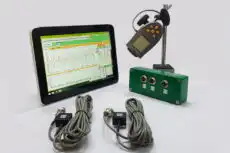
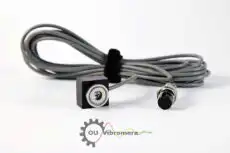
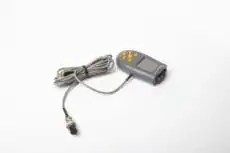
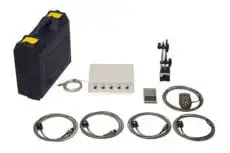
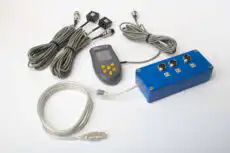
การรวบรวมการอ่านค่าที่สอดคล้องกันและเกิดซ้ำได้ซึ่ง RUL ที่น่าเชื่อถือขึ้นอยู่กับงานภาคสนาม และนี่คือที่ที่เครื่องมือแบบพกพาที่มีประสิทธิภาพได้รับตำแหน่ง การวิเคราะห์สองช่องสัญญาณ เช่น Balanset-1A ช่วยให้ช่างเทคนิคบันทึกการวัดความสั่นสะเทือนที่เปรียบเทียบได้ในแต่ละ การตรวจสอบเป็นระยะ การเยี่ยมชม และเมื่อข้อบกพร่องกลายเป็นการไม่สมดุลโรเตอร์ ให้แก้ไขโรเตอร์ในสถานที่แทนที่จะเพียงทำนายการลดลงของมัน การประมาณการใช้งานที่เหลืออยู่คือความสามารถในการพยากรณ์ที่ทำให้การบำรุงรักษาตามสภาพเป็นการจัดปลูกที่เหมาะสมที่สุด: โดยการพยากรณ์เมื่อจำเป็นต้องมีการแทรกแซงจากแนวโน้มสภาพ RUL สนับสนุนการกำหนดตารางที่สมดุลระหว่างการใช้งานอุปกรณ์ ความเสี่ยงของความล้มเหลว และต้นทุนการบำรุงรักษา เพื่อดึงค่าสูงสุดจากทั้งสินทรัพย์และบุคคลที่บำรุงรักษาพวกเขา

