Razumevanje rotora u rotacijskoj mašineriji




A rotor je primarni rotirajući sklop unutar mašine. Obično se sastoji od centralnog vratila na koje su montirani drugi komponenti — impeleri, lopatice, magneti ili rotori — podržani ležajima i projektovani da prenose moment i obavljaju korisni rad. Proučavanje kako se rotor ponaša tokom rotacije, uključujući njegove vibracije i otklone, je dinamika rotora, kritično polje u mašinskom inženjerstvu. Pošto su gotovo svi problemi koje inženjer pronalazi sa analizu vibracija potiče iz rotora ili deluje na rotor, razumevanje je početna tačka za dijagnostiku i balansiranje.
1. Definicija: Šta je rotor?
U najširem smislu, rotor je sve ono što se rotira kao jedno telo oko ose mašine. To nije samo vratilo već ceo sistem rotacije — vratilo plus svaki deo fikisran, stegnut, zakovičan ili zavarenit sa njim — zajedno sa ležajima i struktuom oslanenja koja ograničava njegovu kretanje, kolektivno sistema rotor-ležaja. Način na koji je ta masa raspoređena oko ose i kako je kruta vratila relativno na njenu radnu brzinu, govore gotovo sve o dinamičkom ponašanju rotora’.
2. Fundamentalna klasifikacija: Kruta nasuprot fleksibilna rotora
Najvažnije razlikovanje u dinamici rotora je da li se rotor ponaša kao “kruto” ili kao “fleksibilno” telo. Ova klasifikacija je ne zasnovana na krutosti materijala već na odnosu između radne brzine mašine i kritične brzine — njegovih prirodnih frekvencija savijanja. Ista čelična vratila može biti kruta u jednoj mašini i fleksibilna u drugoj, čisto zbog brzine na kojoj radi.
Kruti rotori
Rotor se smatra kruti kada je njena radna brzina znatno ispod njene prve kritične brzine savijanja — tipično ispod oko 70% prve kritične brzine. Na ovim brzinama vratilo se ne savija značajno pod dinamičkim opterećenjem, i ceo rotor može se tretirati kao jedna kruta masa.
- Karakteristike: teže biti kraće, kompaktnije i raditi na nižim brzinama.
- Balansiranje: može biti potpuno ispravljena sa dvije ravnine dinamičko balansiranje pod principima mehanike krutog tela.
- Primjeri: većina standardnih elektromotora, niskobrzinski ventilatori, brusni diskovi i mnoge radne kolo pumpi.
Fleksibilni rotori
Rotor je fleksibilni kada je dizajniran da radi blizu, na ili iznad jedne ili više njegovih kritičnih brzina savijanja. Kako se približava kritičnoj brzini, vratilo se deflektuje i znatno se savija, usvajajući karakteristični savinut oblik — njegov oblik moda.
- Karakteristike: teže biti dugačke, vitke i raditi na visokim brzinama.
- Balansiranje: dvoslojno balansiranje je nedovoljno. Fleksibilni rotori trebaju metode sa više ravni koje uzimaju u obzir savijanje vratila, uključujući modalno uravnotežavanje (ispravljanje svakog oblika moda posebno) ili metode sa više brzina koeficijent uticaja balansiranja.
- Primjeri: velike parne i gasne turbine, brzohodni kompresori, dugačke pogonske vratile i generatorske rotore.
Projektovanje i analiza fleksibilnih rotora je daleko kompleksnije jer se njihovo dinamičko ponašanje menja sa brzinom. Predviđanje gde će te kritične brzine padati je sama po sebi zadatak dizajna; kalkulatorom kritičnih brzina rotora daje brzu prvu procenu prve prirodne frekvencije savijanja iz podataka vratila i raspona ležajeva.
3. Uobičajene Komponente Rotorskog Skupa
Rotor je više nego samo osovina. Tipičan sklop može uključiti:
- Vratilo: središnji element koji prenosi moment.
- Impeleri, lopatice ili krilci: komponente koje vrše rad na fluidu u pumpama, ventilatorima i turbinama.
- Armatura / namoti: rotirajući dio elektromotora ili generatora.
- Ležajni rukavci: visoko polirani dijelovi osovine koji se nalaze u klizni ležaj.
- Spojnice: čaure koje povezuju rotor sa susjednom mašinom, same po sebi izvor problema kroz greške na spajanju.
- Aksijalni prstenovi: komponente koje prenose aksijalnu silu na aksijalni ležaj.
- Prstenovi ili ravnine balansiranja: određeni korekcijskih ravnina gdje je mase korekcije dodaje se tijekom balansiranja.
4. Uobičajeni Problemi Vezani za Rotore
Analiza vibracija koristi se za detektovanje širok raspon grešaka koje nastaju u rotorskom sklopu:
- Neuravnoteženost: najčešći problem, uzrokovan neravnomjernom raspodjelom mase oko ose.
- Savijeno vratilo: fizički savoj ili svitak u osovini.
- Napuklina vratila: razvijajući umor pukotine koji može dovesti do katastrofalnog sloma.
- Neporavnanje: iako je strogo problem između rotora, nanosi visoke napone u rotorskom sklopu.
- Trenje između rotora i statora: kontakt između rotacijskih i nepomičnih dijelova mašine.
- Labavost: labav prilog komponente kao što je radna kola na osovini.
Većina njih se ispoljava kao karakterističan frekvencijski potpis — neuravnoteženost (disbalans) pri 1× brzini obrtaja, neusklađenost (misalignment) pri 2×, labavost kao dugi niz harmonika — što analitičaru omogućava da ih razlikuje jedne od drugih bez rastavljanja.
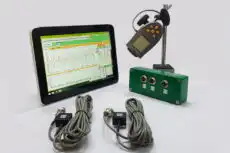
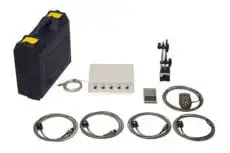
5. Balansiranje rotora u polju
Nebalansiranost, daleko najčešća greška rotora, ispravlja se balansiranje: dodavanjem ili odstranjivanjem malih masa kako bi se masena os vratila prema geometrijskoj osi. Za sastavljena mašinu to se radi na mjestu umjesto na mašini za balansiranje. Prenosivi dvokanalski instrument kao što je Balanset-1A mjeri amplitudu i fazu 1× u vlastitim ležajima rotora pri radnoj brzini, izračunava koeficijente uticaja i određuje masu i kut koji treba dodati u svakoj ispravljačkoj ravnini — hvatajući pravo ponašanje rotora pri radu, uključujući učinke sklopa i temperature koje mašina za balansiranje nikada ne vidi.

