Razumijevanje nestabilnosti vrtloženja i udarca rotora


Vrtloženje i whip — najčešće se susreće kao vrtložno kretanje ulja i udarac ulja — su dva povezana i izuzetno opasna oblika samopobuđene, subsinhroni vibracija koji se javljaju u brzohodnim rotirajućim mašinama koje rade u ležajima s fluidnom filmom (klizni) ležajima. Oni nisu prisilne vibracije vođene greškama kao što su neuravnoteženost ili neporavnanje; umjesto toga oni su nestabilnosti rotora gdje kretanje samog rotora stvara upravo one sile koje održavaju i pojačavaju vibracije. U oba slučaja osovina se “vrti u orbiti” — precesira se naprijed u velikoj orbiti unutar zazora ležaja, prateći putanju sasvim odvojenu od vlastite rotacije.
1. Definicija: Što su vrtnja i preskakanje?
Vrijedno je odvojiti dva koncepta koja svakodnevni izraz “vrtnja” zbunjuje zajedno. Rotacija je rotor koji se okreće oko vlastite geometrijske osi. Vrtloženje (ili precesija) je orbitaliteta te osi kao cjeline oko većeg kruga unutar ležaja — zamislite valjajući novčić čije se središte također petlja oko stola. Svi rotori se malo vrte; problemi počinju kada vrtnja prestane biti benigna odgovor na rezidualnu neuravnoteženost i postaje samopobuđen, crpeći svoju energiju iz stabilne rotacije umjesto iz bilo kojeg vanjskog utjecaja. Uljno vrtnje je samopobuđena precesija koju pokriva film ulja iz ležaja; uljno preskakanje je nasilna rezonancija u koju se to može preobraziti. Budući da je izvor energije sama rotacija, te nestabilnosti ne mogu se uravnotežiti — što je ključna razlika u odnosu na sinkrona pitanja.
2. Mehanizam: Kako se to događa?
U ležaju sa fluidnom folijom rotirajuća osovina nije podržana kontaktom metala na metal već visokim pritiskom klina ulja. Osovina ne sjedi u sredini ležaja; vozi se gore s jedne strane, pomaknuta opterećenjem koje nosi. Dok površina žurnala vući ulje oko prstenastog razmaka, mazivo cirkulira na prosječnoj brzini malo ispod polovice brzine površine osovine — fluid koji dodiruje osovinu kreće se brzinom osovine, fluid protiv nepomičnog zida ležaja je skoro nepokretan, a skupna prosječna vrijednost pada malo ispod 0,5×.
Uljno vrtnje se javlja kada ovaj krući film počne da “gura” malo opterećenu osovinu ispred sebe, odvlačeći je u veliku naprijed orbitu oko ležaja. Frekvencija vrtnje postavljena je prosječnom brzinom filma ulja koja obično pada između 42% i 48% radne brzine (0,42× do 0,48×). Ta karakteristična podsinkrona signatura — bliska, ali nikada točno, polovici od radna brzina — je otisak koji analitičari traže. (Brojka “malo ispod polovice” je također razlog što se uljno vrtnje ponekad labavo naziva “vrtnjom na polovici brzine,” iako je prava vrijednost nikada ne dostiže 0,5×.)
3. Uljno vrtnje: Prethodnica
Uljno vrtnje je obično otvarajuća faza nestabilnosti — upozorenje, a ne još katastrofa. Njegove karakteristike su:
- Frekvencija: pojavljuje se kao različit vrh u FFT spektar između 0,42× i 0,48× RPM-a.
- Ponašanje: frekvencija vrtloženja povećava se kako se stroj ubrzava, uvijek praćenja te ~45% proporcije brzine rada. Na pokretanju se penje kao podsinkrona sjena ispod linije 1×.
- Ozbiljnost: može proizvesti visoku ali ponekad stabilnu vibraciju, i može se pojaviti ili nestati kako se opterećenje, brzina ili temperaturaulja mijenjaju. Nepoželjno, sigurno — ali ne uvijek odmah destruktivno.
- Osjetljivost: lagani oslonac, pregromadni ili istrošeni ležajevi su obično krivci, jer niska specifična opterećenja dozvoljavaju uljnom klinu da dominira položajem vratila’s.
4. Uljni sudar: Kritična opasnost
Uljni sudar je mnogo teži slučaj koji nastaje direktno iz uljnog vrtloga. Pojavljuje se kada mašina ubrzava do točke gdje se frekvencija uljnog vrtloga (otprilike 45% brzine rada) diže kako bi se susrela s prvo prirodna frekvencija — njegova prva kritična brzina. U tom trenutku se vrtlog “zaključava na” prirodnu frekvenciju i izaziva potpuno rezonancija. Njegove karakteristike su:
- Frekvencija: vibracija se zaključava na prvoj prirodnoj frekvenciji rotora i se ne povećava dalje, čak i dok mašina nastavlja ubrzavati — pa je sub-sinhroni vrh “izravnan” dok se 1× vrh nastavlja dalje.
- Amplituda: vibracija postaje veoma velika, nastojeći biti nasilna i nestabilna.
- Ponašanje: uljni sudar je izuzetno razoran i ne se ne čisti dalje ubrzavanjem. Može uništiti ležajeve, brtve i sam rotor u vrlo kratkom vremenu, ponekad kroz teško trljanje rotora kako se orbita popunjava zazor.
Brzina na kojoj se sudar počinje obično je nešto više od dvostruke prve kritične brzine rotora — točka gdje linija ~0.5× vrtloga prelazi prvu prirodnu frekvenciju. Mašina uhvaćena u uljnom sudaru trebala bi hitno gašenje; upravo je ovo scenarij na koji zaštita mašina sistemi su projektirani da se isključe.
5. Kako prepoznati vrtlog i sudar
- Spektralna analiza: tražite jak sub-sinhroni vrh. Tijekom ubrzavanja, ako se frekvencija tog vrha povećava s brzinom, to je vrtlog; ako se “izravna” na fiksnoj vrijednosti dok se 1× vrh nastavlja penjati, prešao je u sudar.
- Orbitalni dijagram: orbita vratila je veliki krug ili elipsa koji se kreće naprijed, često sa 1× komponentom superponiranom da bi se dobio karakterističan uzorak “petlje u petlji”.
- Waterfall dijagram: dijagram vodopada (ili kaskada) sa pokretanja daje najjasniju moguću sliku, pokazujući kako se frekvencija vrtnje povećava sa brzinom sve dok se ne presječi sa prvom prirodnom frekvencijom i ne zaključa se u bičenje. Mapiranje tih presjecišta je upravo ono što Campbell dijagram za.
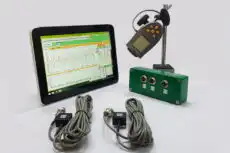
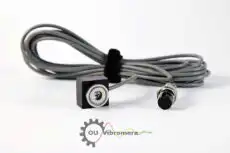
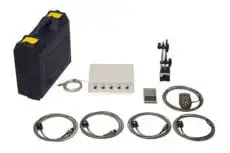
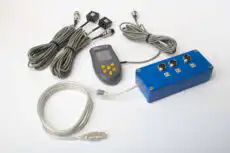
Pošto vrtnja i bičenje živjele ispod 1×, analizator mora doseći dobro ispod brzine rada i precizno razriješiti fazu. Prenosivi dvokanalski instrument kao što je Balanset-1A hvata sinhronizovanu amplituda i faza komponentu brzine rada tokom pokretanja ili zaustavljanja, što omogućava inženjeru da potvrdi na mjestu da je tvrdoglavi niskofrekventni vrh prava nestabilnost ležaja, a ne obična nebalansiranost — i, što je jednako korisno, isključi problem balansiranja prije nego što krene u ispravljanje koje nikada ne bi moglo funkcionirati.
6. Uzroci i rješenja
Ove nestabilnosti su određene dizajnom ležaja, geometrijom rotora, viskozitetom ulja, temperaturom i opterećenjem — zamršenim skupom interakcija koji je formalno zahvaćen u dinamika rotora. Nisu uzrokovane nebalansiranošću i ne mogu se liječiti balansiranje; mjere su promjene na nivou dizajna:
- Prijeđite na stabilniju geometriju ležaja, kao što je ležaj sa naginjućim patinama.
- Promijenite viskozitet ulja ili radnu temperaturu kako biste pomaknuli ponašanje filma.
- Povećajte specifično opterećenje ležaja tako da se vratilo čvrsto postavi i uljni klin više ne bude dominantan.
- Dodajte žljebove, aksijalne brane ili profile u obliku limuna koji prekidaju cirkumferentijalni tok ulja koji hrani vrtnju.
Srodna nestabilnost, vrtložno strujanje pare, nastaje od aerodinamičkih, a ne od sila u uljnom filmu, u turbinama ali proizvodi sliku sličnu samouzbuđenoj podsinhronoj — podsjetnik da je “vrtnja” porodica fenomena ujedinjenih jednom karakteristikom: rotor koji ulazi energiju u svoju vlastitu orbitu.

