Udaranje u analizi vibracija: uzroci i prepoznavanje


U analizu vibracija, udaranje (ili udar) je karakteristična pojava označena sporim, periodičkim porastom i padom amplitude vibracija signala. Javlja se kada su dvije odvojene komponente vibracija vrlo bliske — ali ne identične — frekvencija prisutne istovremeno i kombinuju se. Rezultat vremenski oblik signala izgleda kao jedan sinusni signal čija amplituda polako nabujava i shrćava u ritmičnom, gotovo disajućem obrascu. Prepoznavanje udaranja je dragocjeno jer je to direktan, nedvosmislen potpis dva koeksistirajuća izvora koji se kreću pri gotovo istoj brzini.
1. Definicija: Šta je udarna vibracija?
Udarna vibracija nije sama po sebi jedna frekvencija — to je audibilna i mjerljiva posledica interakcije dvije frekvencije. Uhu proizvodi karakterističan “treperav” ili pulsni zvuk; na amplituda uređaju se pokazuje kao očitavanje koje se ne zadržava stabilno, već oscilira gore-dole u redovnom ciklusu. Što su dvije izvorne frekvencije bliže, to su nabujavanje sporije i izrazitije; što su dalje, to je pulsacija brža, dok na kraju uho i analizator jednostavno čuju dva različita tona umesto jednog moduliranog tona.
To čini udaranje fundamentalno drugačijim od amplituda modulacije uzrokovane kvarom unutar jednog stroja. Udaranje zahtijeva dva nezavisna pobuda uporedive jačine; to je interferencija efekat, a ne defekt u jednoj komponenti.
2. Fizika iza udaranja
Udaranje je rezultat konstruktivne i destruktivne interferencije. Kada se vrhunci dva vibracijska talasa poravnaju (u fazi), njihove amplitude se sabiraju, proizvodeći veću ukupnu amplitudu. Kada se vrhunac jednog talasa poravna sa padinom drugog (van faze), djelomično ili potpuno se poništavaju, proizvodeći manju ukupnu amplitudu. Ovaj kontinuiran ciklus pojačavanja i poništavanja kreira karakterističan zvuk i obrazac vibriranja udaranja.
Frekvencija ove modulacije amplitude, poznate kao frekvencija udaranja, jednak je apsolutnoj razlici između dvije izvorne frekvencije:
Udarna frekvencija = |Frekvencija 1 − Frekvencija 2|
Na primjer, ako dva stroja generiraju vibracije od 29,5 Hz i 30,5 Hz, rezultirajuća udarna frekvencija je |29,5 − 30,5| = 1,0 Hz. Ukupna amplituda će se dakle podizati i padati jednom u sekundi. Primjetite važnu suptilnost: vibracija koju zaista osjećate oscilira nog otprilike na prosjek od dvije frekvencije (ovdje oko 30 Hz), dok sporo omotača na njega pulsira pri stopi udaranja od 1 Hz. Maksimalna amplituda dostignuta na svakom vrhuncu te omotače je zbir dvije pojedinačne amplitude — tako da dva jednaka izvora od 2 mm/s mogu privremeno kombinovati u gotovo 4 mm/s.
3. Česte uzroke udaranja u industrijskoj opremi
Budući da udaranje jasno upućuje na dvije blisko razmaknute vodeće frekvencije, to je koristan dijagnostički znak. Česti izvori u industrijskim okruženjima uključuju:
- Više mašina na zajedničkoj konstrukciji: klasičan primjer su dvije identične pumpe ili ventilatori koji rade na istoj baznoj ploči ili sistemu cijevi. Ako se njihove radne brzine malo razlikuju (na primjer 1780 rpm i 1785 rpm), proizvode nisko-frekvencijsku modulaciju. Ovo je usko povezano sa radnom brzinom (1×) vibracijama iz svake jedinice.
- Električni motori: modulacija može se pojaviti između rotacijske frekvencije motora i električne frekvencije — na primjer frekvencija prolaza polova u asinkronom motoru, gdje se overlapa sa dvostruko frekvencija klizanja. Ove modulacije su karakteristična za određene električnih kvarova.
- Viške pumpe ili kompresori: interakcija između različitih stepeni koji rade na malo različitim efektivnim brzinama.
- Reduktori: interakcija između dvije frekvencije zahvata zupčanika sa sličnom brojem zuba.
- Hidraulične ili aerodinamičke pulsacije: interakcija između dva različita izvora turbulencije vezane za protok, kao što su overlaping hidrauličke sile ili aerodinamičke sile.
4. Kako detektovati modulaciju u podacima vibracija
Analiza vremenskog valnog oblika
vremenski oblik signala je najdirektnije način za promatranje modulacije. Signal pokazuje jasnu, ponavljajući obrazac amplitudne modulacije. Vrijeme između dva uzastopna vrha amplitude (ili dva dna) je period modulacije; njen recipročni izraz je frekvencija modulacije. Dugi prozor hvatanja je esencijalan — ako je zapis kraći od jedne periode modulacije, vidjećete samo dio porasta i možete ga pogrešno čitati kao jednostavan uspinjući ili padajući trend.
Analiza frekvencijskog spektra (FFT)
Na frekvenciji spektar, pojavljuje se udar kao dva različita vrha smještena vrlo blizu jedan drugome. Standardni FFT može nedostajati rezolucija da ih odvoji, pa se stapaju u jedan široki vrh. Za pravilnu dijagnozu udarca analitičar mora povećati spektralnu rezoluciju — koristeći više linija, dulju akviziciju, ili Zoom FFT fokusirane na regiju od interesa. Potreban broj linija i propusnost možete unaprijed odrediti s Kalkulator rezolucije FFT. Kada su razriješene, dvije komponentne frekvencije koje stvaraju udarac postaju jasno vidljive, a njihova separacija trebala bi biti jednaka promatranoj frekvenciji udarca.
5. Udarac u praktičnom mjerenju na terenu
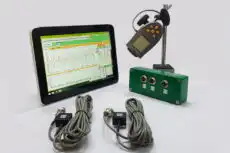
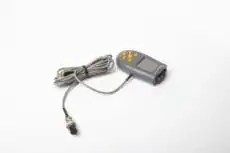
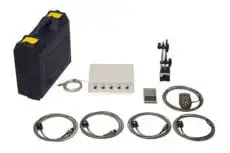
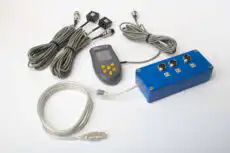
Na mjestu, razlikovanje genuitnog udarca od jedne greške je jednostavno s pravim instrumentom. Prijenosni analizator s dva kanala kao što je Balanset-1A vam omogućava da pratite užitak vremenskog oblika i spektar visoke rezolucije jedan pored drugoga, a postavljanjem jednog kanala na svaki stroj možete potvrditi jesu li dvije jedinice koje rade gotovo na istom radna brzina izvor. Budući da udarac povećava očitanje vrha, također je vrijedno provjeriti je li nabrekla amplituda aktivirala nivo alarma čak i kada je prosječna vibracija prihvatljiva — instrumen vršna vrijednost i RMS očitanja će reći različite priče.
6. Je li udarac problem?
Udarac sam po sebi nije greška — to je simptom međusobnog djelovanja frekvencija. Međutim, može biti i problematičan:
- Iritantna buka: rastući i padajući zvuk je često primjetniji i iritantniji za osoblje nego stalan ton.
- Zabrinutosti vezane uz amplitudu vrha: maksimalna amplituda tijekom konstruktivne interference može biti gotovo dvostruka u odnosu na svaki pojedinačni signal. Ovaj vrh može premašiti granice alarma ili nametnuti prekomjerna ciklička naprezanja na komponente — hranjeći mehaničko zamor — čak i kada je prosječna vibracija prihvatljiva.
- Maskiranje ostalih problema: fluktuirajući signal može otežati detekciju ostalih osnovnih problema vibracija koji su skriveni ispod modulacije.
Rješavanje problematičnog boja obično znači identificiranje dviju frekvencija izvora i zatim premještanje brzine jednog stroja (tako da se dvije više ne poklapaju), retuiranje strukture da se pomakne od rezonancija, ili dodavanjem prigušenje da bi se supresirale amplitude vrhova. Gdje je sama komponenta 1× pretjerana, korekcija neuravnoteženost na svakom stroju smanjuje energiju dostupnu za boj.

