Razumijevanje frekvencije prolaska pola

Frekvencija prolaska pola (PPF) je niskofrekventna vibracija komponenta koja nastaje u AC indukcionom motoru dok rotirajuće magnetno polje klizi pored rotora. Izračunava se kao broj polova pomnožen frekvencija klizanja: PPF = broj polova × (sinhrona brzina − stvarna brzina) / 60. Budući da je klizanje malo, PPF je vrlo niska frekvencija — obično samo nekoliko herca — i obično se ne pojavljuje kao samostalni vrh, već kao bočne trake raspoređene na PPF razmaku oko komponenti brzine obrtaja i mrežne frekvencije. Ta modulacija povezana s klizanjem znatno se pojačava kada motor ima zračni raspor ekscentricitet, slomljene šipke rotora ili problem poravnanja rotor-stator. Zbog toga je PPF jedan od najkorisnijih alata za razdvajanje električnih kvarova od čisto mehaničkih problema.
PPF je dijagnostički važan jer povišene bočne trake raspoređene na ovoj frekvenciji direktno ukazuju na elektromagnetni problem — ekscentrični rotor, slomljene šipke rotora, neujednačen vazdušni zazor ili dinamičku interakciju rotor-stator — a ne na neuravnoteženost ili neporavnanje. Ako se pravilno pročita, analitičaru govori da li treba otvoriti motor ili da traži problem drugdje u sistemu.
1. Izračunavanje frekvencije prolaska polova
Osnovna formula
- PPF = P × (Nsinhronizacija − N) / 60
- gdje P = broj polova,
- Nsinhronizacija = sinhrona brzina u RPM (Nsinhronizacija = 120 × mrežna frekvencija / P),
- N = stvarna brzina rotora u RPM,
- a rezultat je izražen u Hz. Član (Nsinhronizacija − N) / 60 je frekvencija klizanja izražena u Hz.
Imajte na umu da se PPF zasniva na razlici između sinhrone i stvarne brzine — klizanje. Pri nultom opterećenju indukcioni motor radi gotovo pri sinhronoj brzini, tako da PPF teži nuli; kako opterećenje raste, klizanje, a time i PPF, rastu s njim, obično dostižući raspon od otprilike 0,5–3,5 Hz pri nazivnom opterećenju. Nemojte miješati PPF sa čisto mehaničkim redom P × brzina obrtaja (za 4-polni motor pri 1750 RPM to iznosi oko 116,7 Hz) — to je harmonik obrtanja vratila, a ne frekvencija prolaska polova. Kada trebate brzo pretvoriti brzinu obrtaja u niz redova, naš Kalkulator harmonijskih frekvencija pretvara RPM u Hz kroz redove 1×–10×, Kalkulator Frekvencije Električnog Defekta Motora prikazuje elektromagnetske frekvencije jednu pored druge.
Radni primjeri
4-polni motor sa 1750 RPM (50 Hz napajanje):
- Sinhrona brzina Nsinhronizacija = 120 × 60 / 4 = 1800 RPM.
- Frekvencija klizanja = (1800 − 1750) / 60 = 0,83 Hz.
- PPF = 4 × (1800 − 1750) / 60 = 3,33 Hz
- U vibracionom spektar pojavljuje se kao bočne trake raspoređene na ±3,33 Hz oko vrha 1× brzine obrtaja (29,2 Hz) i oko 2× mrežne frekvencije (120 Hz) — obrazac dijagnostički za ekscentricitet i slomljene šipke rotora.
6-polni motor sa 970 RPM (50 Hz napajanje):
- Sinhrona brzina Nsinhronizacija = 120 × 50 / 6 = 1000 RPM.
- Frekvencija klizanja = (1000 − 970) / 60 = 0,5 Hz.
- PPF = 6 × (1000 − 970) / 60 = 3,0 Hz
- Bočne trake raspoređene na svega ±3,0 Hz oko 1× vrha (16,2 Hz) ili oko 2× mrežne frekvencije (100 Hz) lako se previde.
- Njihovo razrješavanje zahtijeva pažljivu analizu visoke rezolucije spektralne analize.
2. Fizički mehanizam
Kako se generiše elektromagnetna sila
Niz događaja koji kreiraju PPF je jednostavan:
- Namotaji statora stvaraju magnetno polje koje rotira sinhronom brzinom.
- To polje je organizirano u magnetne polove u N–S–N–S obrascu.
- Rotor radi nešto sporije zbog klizanja, pa polovi magnetnog polja neprekidno kližu pored rotora umjesto da ostanu fiksirani uz njega.
- Svaki put kada pol magnetnog polja proklizi pored određene tačke na rotoru (šipka s visokim otporom, ekscentrična strana vazdušnog zazora), magnetna sila koja djeluje na tu tačku se modulira.
- Sa P polova, ta tačka se prolazi P puta po ciklusu klizanja.
- Frekvencija nastale modulacije je stoga P × frekvencija klizanja = PPF — sporo “udaranje” superponirano na vibraciju brzine vrtnje i mrežne frekvencije.
Ujednačen vazdušni raspor — zdrav motor
- Rotor je centriran u otvoru statora.
- Vazdušni raspor je ujednačen oko cijele obim.
- Magnetne sile su uravnotežene i poništavaju jednu drugu.
- Modulacija povezana s PPF-om je stoga vrlo niske amplitude.
Ekscentričan vazdušni raspor — neispravan motor
- Rotor je pozicioniran van centra od habanje ležaja, a savijeno vratilo, ili proizvodna greška.
- Vazdušni raspor je manji na jednoj strani i veći na suprotnoj.
- Magnetne sile postaju nebalansirane — jače gdje je raspor manji.
- Pojavljuje se neto radijalna sila — nebalansirane magnetne privlačnosti — i ona je modulirana pri PPF-u dok polovi polja klize kroz uži dio zračnog raspora.
- Bočne trake raspoređene pri PPF-u razvijaju se oko glavnih spektralnih vrhova i rastu sa ozbiljnošću.
3. Bočni spektri i dijagnostički obrasci
Statička ekscentričnost
Ovdje je centar rotora pomjeren ali nepokretan u odnosu na stator:
- Obrazac: povišena komponenta 2× mrežne frekvencije (100/120 Hz); bočne trake prolaza polova su slabe ili odsutne jer se pomak ne rotira zajedno s vratilom.
- Uzrok: habanje ležaja, deformacija okvira ili čeone ploče, ili greška u obradi kućišta statora.
- Amplituda: amplituda 2× mrežne frekvencije ukazuje na ozbiljnost ekscentričnosti.
Dinamička ekscentričnost
Ovdje centar rotora orbitira, ili se vrti, oko centra statora:
- Obrazac: vrhovi 1× brzine vrtnje i 2× mrežne frekvencije s bočnim trakama raspoređenim pri PPF-u (npr. ±3,33 Hz u gore navedenom primjeru s 4 pola).
- Uzroci: savijeno vratilo, rotor ekscentričnost, rotor-stator trenje ili ležaja labavost.
- Ozbiljnije: to signalizira aktivnu dinamičku interakciju, a ne fiksni pomak. Ista porodica bočnih traka prolaza polova oko 1× i njegovih harmonika je klasičan potpis slomljenih šipki rotora.
Mješovita ekscentričnost
- Kombinacija statičkih i dinamičkih efekata.
- Ovo je najčešće stanje pronađeno u realnim motorima.
- Proizvodi složene obrasce bočnih spektara.
- Potrebna je pažljiva analiza za ispravan pristup.
4. Dijagnostička interpretacija
Budući da je PPF svega nekoliko herca, procjenjuje se prema jačini svojih bočnih traka oko vrhova 1× brzine vrtnje i 2× mrežne frekvencije, čitano kao kontinuum:
Niska — bočne trake prolaza polova jedva vidljive iznad razine šuma
- Normalno stanje.
- Ujednačeni razmak zraka i dobar stupanj koncentričnosti rotora i statora.
- Nema potrebe za korektivnom akcijom.
Umjerena — bočne trake jasno vidljive, ali daleko ispod nosećeg vrha
- Blaga neujednačenost zračnog raspora ili rana degradacija strujnog kruga rotora.
- Pratite trend i provjerite stanje ležaja.
- Ako je dostupno, provjerite poziciju rotora.
- Nije odmah kritično, ali zaslužuje pažnju.
Visoka — bočne trake se približavaju amplitudi nosećeg vrha
- Značajna ekscentričnost, slomljene šipke rotora ili problem sa zračnim rasporom.
- Izraženo nisko-frekventno “udaranje” može se osjetiti ili čuti pri PPF-u.
- Rizik od kontakta rotora sa statorom.
- Rastući elektromagnetni procesi koji ubrzavaju oštećenje.
- Planirajte popravku ili zamjenu.
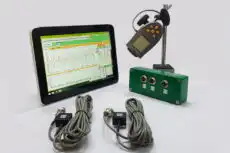
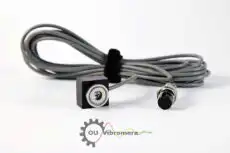
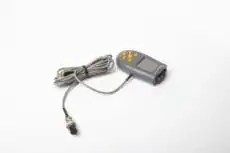
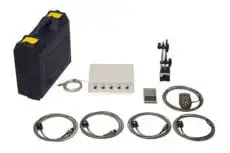
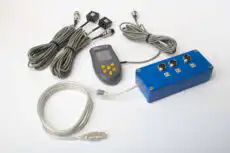
U praksi analitičar rijetko procjenjuje PPF u izolaciji. Prijenosni dvokanalnog analizator kao što je Balanset-1A, korišten na kućištima ležajeva, snima spektar i razlučuje bočne trake prolaza polova oko vrhova 1× i mrežne frekvencije — i, jednako važno, potvrđuje je li dominantna komponenta elektromagnetna ili jednostavan vrh 1× mehaničkog kvara. Ta razlika određuje sve što slijedi: elektromagnetni potpis upućuje vas u unutrašnjost motora, dok čist vrh 1× koji nestaje istog trenutka kada se napajanje isključi upućuje na neuravnoteženost možete ispraviti pomoću terensko balansiranje rotor na mjestu.
5. Veza sa drugim frekvencijama motora
PPF je jedan ton u prepunom spektru motora, i prepoznavanje gdje se nalazi u odnosu na svoje susjedne tonove je pola bitke. Tipična hijerarhija za motor sa 4 pola, 1750 RPM na 60 Hz napajanju je:
- Frekvencija klizanja: (1800 − 1750) / 60 ≈ 0,83 Hz.
- PPF: P × frekvencija klizanja — ovdje oko 3,3 Hz, najniži ton u porodici.
- Brzina obrtaja (1×): oko 29,2 Hz.
- Mrežna frekvencija: 60 Hz (ili 50 Hz u Evropi).
- Mehanički red rotora P × brzina vrtnje: oko 117 Hz — često pogrešno zamijenjen s PPF-om, ali je to harmonik brzine vratila.
- 2× linijska frekvencija: 120 Hz (ili 100 Hz) — ključna elektromagnetna komponenta za ekscentričnost.
- Frekvencija prolaska šipki rotora: broj šipki rotora × brzina vrtnje, u opsegu kiloherca.
Bliska razmaknutost 2× mrežne frekvencije (120 Hz) i obližnjeg harmonici brzine vrtnje (4. red se ovdje nalazi na oko 117 Hz) je upravo razlog zašto se elektromagnetni kvarovi tako lako zamjenjuju s mehaničkim — i zašto je fina struktura bočnih traka prolaza polova, a ne sama amplituda, presudan pokazatelj. Kada slika ostane nejasna, isključivanje napajanja je definitivan test: elektromagnetna komponenta nestaje trenutno s poljem, dok mehanička opada tek kako se rotor zaustavlja.
6. Metode Korekcije
Za mehanički ekscentricitet
- Zamijenite istrošene ležajeve kako biste obnovili ispravnu centriranost rotora.
- Ispravite savijenu osovinu ili zamijenite rotor.
- Ponovno montirajte rotor ako je greška u instalaciji.
- Provjerite poravnanje krajnjeg poklopca i čvrstinu vijaka.
Za proizvodni ekscentricitet
- Teški slučajevi mogu zahtijevati ponovno bušenje rotora ili statora.
- Zamijenite motor ako je to ekonomski opravdano.
- Prihvatite stanje ako vibracija ostaje unutar prihvatljivih granica.
- Dokumentirajte to kao referentnu vrijednost za buduće uspoređivanje.
Za probleme s razmakom zraka
- Provjerite stanje ležaja i zamijenite ako je istrošen.
- Provjerite aksijalnu poziciju rotora.
- Ispitajte stator na znakove deformacije okvira ili problema s krajnjim poklopcima.
- Izmjerite stvarni razmak zraka gdje je dostupan.
Frekvencija prolaza polova je, ukratko, komponenta niske frekvencije povezana s klizanjem, specifična za motor, koja otvara uvid u elektromagnetnu interakciju rotor-stator i ujednačenost zračnog raspora. Ovladavanje njenim izračunom, prepoznavanje potpisa njenih bočnih traka i praćenje trendova njihove amplitude omogućava inženjeru da dijagnosticira elektromagnetne kvarove s pouzdanošću — i usmjeri napore održavanja na pravo mjesto umjesto lova na mehanički uzrok koji nikada nije ni postojao.

