Razumijevanje magnetskog povlačenja u elektromotorama


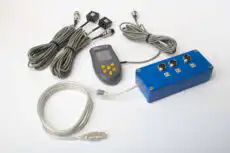
Magnetno privlačenje — naziva se i neuravnoteženo magnetsko povlačenje, ili UMP — je neto radijalna elektromagnetska sila koja se javlja u elektromotorama i generatorima kada vazdušni zazor između rotora i statora nije ujednačen. Kada se rotor nalazi off-centar u otporu statora, zazor se sužava na jednoj strani i širi na drugoj. Pošto magnetska atrakcija varira obrnuto s kvadratom zazora, sila na strani s manjim zazorom je daleko jača, stvarajući neto povlačenje koje vuče rotor prema toj strani. Rezultat je sprega između mehaničke ekscentričnost i elektromagnetske sile koja, ako se ostavi nezaustljena, može sama sebe pojačavati.
Magnetno privlačenje obično generiše vibracija na frekvencijama povezanim s mrežnom frekvencijom — najkarakterističnije na dvostrukoj vrijednosti električne mrežne frekvencije (120 Hz kod napajanja od 60 Hz, 100 Hz kod napajanja od 50 Hz) kada je ekscentricitet statički — može značajno izazvati progib rotora, ubrzava habanje ležaja, i u ozbiljnim slučajevima završava se katastrofalnim kontaktom rotora i statora. Razumijevanje toga je ključno za dijagnostiku kvarovi motora ispravno.
1. Fizički mehanizam
Ujednačeni zazor (normalno stanje)
- Rotor centriran u otvoru statora.
- Zazor ujednačen oko čitave periferije (obično 0,3–1,5 mm).
- Magnetne sile na suprotnim stranama se ravnoteže i međusobno poništavaju.
- Neto radijalna sila ≈ nula.
- Minimalna elektromagnetna vibraciona energija.
Ekscentrični zazor zraka (stanje neujednaćenog magnetnog privlačenja)
Kada rotor radi ekscentrič no:
- Asimetrija zazora: jedna strana se suzužava (npr. 0,5 mm) dok se suprotna strana širi (npr. 1,0 mm).
- Zakon obrnutog kvadrata: magnetna sila ∝ 1/zazor², pa je sila na uskoj strani mnogo veća.
- Neto sila: neuravnotežene sile se više ne poništavaju, ostavljajući neto povlačenje prema strani sa najmanjim zazorom.
- Veličina: može doseći stotine do hiljadnog njutna čak i u motorima umjerene veličine.
- Smjer: uvijek prema strani sa najmanjim zazorom.
Zašto dvostruka frekvencija mreže?
Snažna komponenta na 2× mrežne frekvencije predstavlja klasičan pokazatelj UMP-a uzrokovanog fiksnim (statičkim) ekscentricitetom:
- Balansirano trofazno napajanje proizvodi rotirajuće magnetno polje suštinski konstantne magnitude — samo polje jednostavno ne pulsira.
- Međutim, radijalna magnetna (Maxwellova) sila u bilo kojoj fiksnoj tački na statoru proporcionalna je kvadratu lokalne gustine magnetnog fluksa (B²); budući da se gustina fluksa u toj tački mijenja s mrežnom frekvencijom, lokalna radijalna sila pulsira na 2× mrežne frekvencije.
- Kod ujednačenog zazora te pulsacije sile su simetrične oko provrta i uglavnom se poništavaju; statički ekscentricitet narušava tu simetriju, ostavljajući neto pulsirajuću silu — i vibraciju — na 2×f.
- Motor od 60 Hz → vibracija od 120 Hz; motor od 50 Hz → vibracija od 100 Hz.
- Dinamički ekscentricitet (uski zazor koji rotira zajedno s vratilom) ponaša se drugačije: uglavnom se javlja na 1× brzine rada s frekvenciju prolaska polova bočnim frekvencijama (sidebands) umjesto kao jasan vrh na 2×f.
Nijedan pojedinačni vrh sam po sebi nije dokaz. Magnetno zasićenje, žljebljenje statora i neuravnoteženost napona napajanja također mogu povećati komponente povezane s mrežnom frekvencijom, tako da povišeni vrh na 2×f treba potvrditi provjerama struje, opterećenja/bez opterećenja i zračnog zazora prije nego što se proglasi UMP.
To stavlja neujednaćeno magnetno privlačenje čvrsto u porodicu električnih kvarova, razlika od čisto mehaničkih izvora čak i kada se simptom — jak vrh na 2× — na prvi pogled čini sličan.
2. Uzroci neuravnotežene magnetske sile
Habanje ležaja
- Najčešći uzrok pojave neuravnotežene magnetske sile.
- Zazor u ležaju omogućava rotoru da se vrti van centra.
- Gravitacija vukle rotor nadole, smanjujući donji zazor u magnetskom polju.
- Neuravnotežena magnetska sila tada povlači rotor dalje van centra.
- Pozitivna povratna sprega: neuravnotežena magnetska sila ubrzava upravo trošenje ležaja koje je izazvala.
Tolerancije iz proizvodnje
- Ekscentričnost rotora: rotor nije savršeno okrugao ili nije centriran na svojoj osovini.
- Ekscentričnost statora: otvor nije koncentričan sa površinama montaže.
- Greške pri montaži: krajnji poklopci nisu poravnani, ili je rotor iskošen tokom montaže.
- Akumulacija tolerancije: akumulacija malih grešaka koje se zbrajaju u merljivu ekscentričnost.
Uzroci tokom pogona
- Termička ekspanzija: diferencijalna ekspanzija remeti uniformnost zazora.
- Deformacija okvira: meka noga ili naprezanje montaže deformiše okvir.
- Defleksija osovine: opterećenje ili sile spoja savijaju osovinu.
- Problemi s temeljima: sjedanje ili pogoršanje pomjera položaj motora’.
3. Efekti i posledice
Direktni efekti
- Radijalna sila na rotoru: kontinualni potisak prema jednoj strani.
- Preopterećenje ležaja: jedan ležaj snosi dodatno magnetsko opterećenje.
- Vibracija na 2×f: povišena elektromagnetska komponenta.
- Defleksija osovine: magnetska sila savija osovinu, pogoršavajući ekscentričnost.
Mehanizam progresivnog otkaza
UMP može pokrenuti samo-pojačavajući ciklus otkaza:
- Početna ekscentričnost (od trošenja ležaja ili proizvodnje).
- Magnetska sila se razvija prema strani uskog razmaka.
- Sila otklanja rotor dalje, dodatno sužavajući razmak.
- Manji razmak stvara jačyu silu.
- Trošenje ležaja ubrzava se na opterećenoj strani.
- Ekscentričnost i sila nastavljaju rasti.
- Konačan kontakt rotora i statora i katastrofalan otkaz.
Sekundarna oštećenja
- Ubrzano trošenje ležaja od asimetrično raspoređenog opterećenja.
- Moguće trenja rotora i statora što oštećuje oba dijela.
- Savijanje osovine ili trajno savijanje.
- Oštećenje namotaja statora od udaraca rotora.
- Gubitak efikasnosti od ne-optimalnog zranog razmaka.
4. Detekcija i dijagnoza
Potpis vibracija
- Primarni indikator: povišena 2× linijska frekvencija (120 Hz ili 100 Hz).
- Karakterističan obrazac: amplituda 2×f prelazi 30–50% amplitude 1× brzina obrtaja vibracija.
- Potvrda: komponenta 2×f nije proporcionalna mehaničkom neubalansu.
- Nezavisnost od opterećenja: amplituda 2×f ostaje relativno konstantna sa opterećenjem, za razliku od mehaničkih izvora.
Čitanje ovih vrhova pravilno zahteva prvo preciznu frekvencijsku osu. Jasna spektar, riješena sa FFT i usidrana na radnu brzinu, je ono što vam dozvoljava da odvojite 2× mreža-frekvencijski vrh od 2× rada-brzinski vrh — jedina najvažnija razlika u ovoj dijagnozi.
Razlikovanje UMP od drugih izvora 2×
| Izvor | Karakteristike |
|---|---|
| Neporavnanje | 2× radna brzina (ne 2× mrežna frekvencija); visoka aksijalna vibracija |
| Magnetno privlačenje | 2× mrežna frekvencija (120/100 Hz); elektromagnetnog porekla |
| Kvarovi statora | 2× mrežna frekvencija; prisutan nebalans struje |
| Rezonancija okvira | 2× mrežna frekvencija; vibracija okvira uvelike nadmašuje vibraciju ležaja |
Dodatni dijagnostički testovi
Mjerenje zračnog raspora
- Izmeriti razliku na nekoliko tačaka oko obima (zahteva demontažu motora).
- Ekscentričnost veća od 10% prosečne razlike ukazuje na problem.
- Dokumentovati minimalne i maksimalne vrednosti razlike.
Analiza struje
- Proveriti fazne struje na balans.
- Trenutna netraga može biti udružena sa UMP.
- Trenutni spektar pokazuje komponentu frekvencije mreže 2×.
Test bez opterećenja
- Pokrenite motor bez sprege pri nultom opterećenju.
- Ako vibracijska komponenta 2×f ostaje visoka, izvor je elektromagnetni (UMP ili greška statora).
- Ako se naglo smanji, izvor je mehanička neusklađenost.
Ovaj test bez opterećenja je odlučujući terenski pregled: jasno odvaja elektromagnetni uzrok od mehaničkog i trebao bi biti proveden prije bilo kakve invazivne dezasemblacije. A kalkulator frekvencije električne greške motora pomaže u provjeri gdje bi 2×f i povezane komponente trebale biti za danu napajanje i broj polova.
5. Kvantifikacija sile magnetnog povlačenja
Približni odnos
Sila UMP može se procijeniti iz jednostavne proporcionalnosti:
F ∝ (ekscentričnost / zazor) × snaga motora. Sila raste otprilike linearno sa ekscentričnosti, raste naglo kako se zazor smanjuje, i povećava se sa veličinom motora.
Tipične veličine
- 10 KS motor, 10% ekscentričnost: ~50–100 lbf.
- 100 KS motor, 20% ekscentričnost: ~500–1.000 lbf.
- 1000 KS motor, 30% ekscentričnost: ~5.000–10.000 lbf.
- Uticaj: sile ovog razmjera snažno opterećuju ležajeve i mogu vidljivo otkloniti vratile.
6. Metode Korekcije
Za ekscentričnost uzrokovanu ležajima
- Zamijenite istrošene ležajeve kako biste obnovili ispravnu centriranost rotora.
- Koristite ležajeve sa manjim tolerancijama ako se ekscentričnost ponovi.
- Provjerite da je odabir ležaja adekvatan za opterećenja motora, uključujući UMP.
- Provjerite prislonjaj ležaja na vratilu i u krajnjim kućištima.
Za proizvodni ekscentricitet
- Manja (< 10%): prihvatite i pratite ako je vibracija prihvatljiva.
- Umjerena (10–25%): razmotrite prebušivanje statora ili obradu rotora.
- Teška (> 25%): zamjena motora ili veći remont.
- Garancija: proizvođačka ekscentričnost može biti zahtjev za garanciju na novim motorima.
Za probleme pri montaži i instalaciji
- Provjerite poravnanje krajnjih kućišta i moment pritezanja vijaka.
- Otklonite svaku grešku mekog oslonca (soft-foot) stanje.
- Osigurajte da se okvir nije deformisao uslijed naprezanja pri montaži.
- Provjerite da li strujni vodovi ili sile spojke izvlače motor iz položaja.
7. Strategije prevencije
Dizajn i odabir
- Navedite tesne tolerancije zračnog zazora za kritične primjene.
- Odaberite kvalitetne motore od proizvoditelja sa dobrom reputacijom.
- Veći zazori u zraku smanjuju veličinu UMP (uz određeni trošak za efikasnost).
- Razmotrite magnetske ležajne sisteme za ekstremne primjene.
Instalacija
- Pažljivo poravnajte tijekom instalacije.
- Eliminujte mektani oslonac prije konačnog stezanja vijaka.
- Provjerite aksijalnu poziciju i hod rotora.
- Osigurajte da su krajnje čaure pravilno poravnane i pritegnute.
Održavanje
- Zamijenite ležajeve prije nego što istrošenost postane pretjerana.
- Pratite trend vibracija na 2× frekvenciji mrežnog napona tijekom vremena.
- Provjeri balans i poravnanja povremeno.
- Čuvajte motor čistim kako biste spriječili blokade hlađenja i toplinsku distorziju koju one uzrokuju.
8. Posebna razmatranja
Veliki motori
- Sile neuravnoteženog rotora (UMP) mogu biti ogromne — tonami sile.
- Izbor ležaja mora uzeti u obzir UMP opterećenja.
- Proračuni deflekcije osovine trebaju uključiti UMP.
- Monitoring međuzraka može biti ugrađen u velike kritične motore.
Motori visokih brzina
- Centrifugalne sile kombinujte sa UMP.
- Mogućnost nestabilnosti ako je UMP previše velik.
- Tesne tolerancije međuzraka su kritične.
Vertikalni motori
- Gravitacija ne centrira rotor kao što to čini kod horizontalnih motora.
- UMP može povući rotor prema bilo kojoj strani.
- aksijalni ležaj mora nositi težinu rotora plus bilo koju aksijalnu UMP komponentu.
9. Povezanost sa ostalim problemima motora
UMP i ekscentričnost rotora
- Ekscentricitet uzrokuje UMP.
- UMP može pogoršati ekscentričnost (pozitivna povratna sprega).
- Oboje stvaraju vibracije, ali na različitim frekvencijama (1× naspram 2×f).
UMP i kvarovi statorskih namotaja
- Oba proizvode vibraciju sa 2× frekvencijom mrežnog napona.
- Kvarovi statorskih namotaja dodatno pokazuju neuravnoteženost struje.
- UMP nastaje od ekscentričnosti bez neuravnoteženosti struje.
- Dva se mogu javiti zajedno — kvara statorskih namotaja i ekscentričnosti zajedno.
UMP i vijek trajanja ležaja
- UMP se dodaje radijalnim opterećenjima ležaja.
- Skraćuje vek trajanja ležaja (vek ∝ 1/opterećenje³).
- Proizvodi asimetrično trošenje ležaja.
- Jedan ležaj može otkazati preuranjeno dok drugi ostaje prihvatljiv.
10. Učvršćivanje na terenu
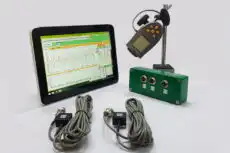
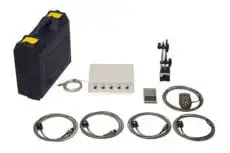
Magnetno privlačenje predstavlja važnu spregu između mehaničkog i elektromagnetnog svijeta unutar motora. Prepoznavanje UMP-a kao izvora vibracija na 2× mrežne frekvencije, razumijevanje njegove povezanosti s ekscentricitetom zračnog zazora, te uvažavanje njegove sposobnosti da izazove progresivni otkaz putem preopterećenja ležaja, omogućavaju ispravnu dijagnozu. U praksi je postupak jednostavan: pratite trend komponente 2×f, izvedite test bez opterećenja kako biste potvrdili elektromagnetni uzrok, i isključite mehaničke uzroke koji na to liče. Prijenosni dvokanalni analizator poput Balanset-1A bilježi amplituda i faza komponenti brzine vrtnje i dvostruke linijske frekvencije na sklopljenom motoru pri radnoj brzini, što inženjeru pomaže da razlikuje pravo neusklađanje UMP od mehanskog 1× neuravnoteženost koji jednostavno trebaju terensko balansiranje — i tako cilja pravi kvar umjesto da slijedi simptom.

