Razumijevanje sonde bliskosti (senzori vrtložnih struja)
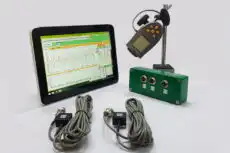
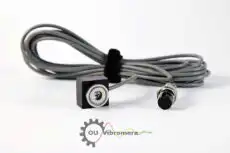
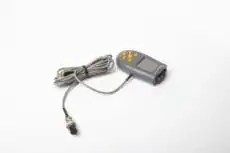
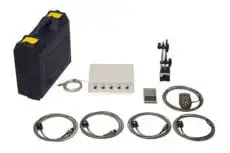

A sondu blizine — poznatija i kao sonda vrtložnih struja ili transducer pomaka — je beskontaktni senzor koji mjeri jaz između svoga vrha i provodnog cilja, gotovo uvijek rotacijske osovine. Gdje akcelerometar se prriborava na kućište i percipira kako se struktura ljulja, sonda bliskosti gleda kroz ležajnog kućišta i prijavljuje stvarno kretanje osovine u odnosu na svoj ležaj. Ta razlika čini je primarnim senzorom za zaštitu i monitoring visokobrzinih, kritičnih mašina koje rade u ležajima sa fluidnom folijom, i ona je osnova relativne monitoringa vibracija na turbomašinama širom svijeta.
1. Definicija: Šta je sonda bliskosti?
Definirajuća karakteristika sonde bliskosti je što mjeri relativni pomak — položaj površine osovine u odnosu na montažu senzora — direktno, u mikrometrima ili milima. To je fundamentalno drugačije od seizmičkog senzora kao što je pretvarač brzine ili akcelerometar, koji mjeri apsolutno kretanje dijela na koji je prikačen. Na velikoj mašini sa teškom, krućom kućištem i relativno lako osovinom koja se oslanja na uljni film, kućište se skoro ne pomjera dok osovina može značajno kruži unutar svog klizni ležaj. U toj situaciji samo senzor koji prati osovinu vidi pravu sliku, zbog čega aproksimativni senzori dominiraju zaštitu mašinerije na turbinama i kompresoriima.
2. Sistem aproksimativnog senzora: Tri usklađene komponente
Kompletan lanac mjerenja sa aproksimativnim senzorom sastavljen je od tri precizno usklađena dijela, kalibrirana zajedno kao set:
- Sonda: senzor sa navojitim kućištem sa zapečaćenim vrhom koji sadrži ravnu zavojnicu od žice. Instalira se na određenu fizičku razmak od osovine i zaključava se na mjestu.
- Produžni kabl: koaksijalni kabl definisane dužine koji povezuje senzor sa upravljačem. Njegova dužina je dio elektronskog podešavanja sistema, nije proizvoljna veza.
- Proximitor / upravljač: elektronski modul koji generiše visokofrekvencijski radio-frekvencijski (RF) signal, upućuje ga u zavojnicu senzora i demodulira vraćeni signal kako bi proizveo izlazni napon proporcionalan razmaku.
Pošto su tri elementa podešena kao jedinica — obično na industrijski standardni faktor skale od 200 mV po mil (približno 7,87 mV/µm) — oni su ne zamjenjivi sa komponentama iz drugog sistema. Miješanje senzora iz jednog seta sa upravljačem ili kablom drugačije dužine narušava kalibraciju i čitanja. Ukupna greška električne dužine se korigira sa kompenzacijom kabla, a sastavljeni lanac bi trebao doći sa sertifikat kalibracije dokumentacijom koja potvrđuje njegov faktor skale.
3. Kako funkcioniše: Princip vrtložne struje
Proximitor šalje svoj RF signal u zavojnicu vrha, koja radiira malo magnetsko polje. Kada se vrh približi vodljivoj osovini, to polje indukuje male cirkulirajuće struje — vrtložne struje — u površinskom sloju materijala osovine. Vrtložne struje stvaraju vlastito suprotstavno magnetno polje, a energija koju apsorbiraju opterećuje zavojnicu. Količina izgubljene energije ovisi o tome koliko je vodljiva površina blizu: što je osovina bliža, to su vrtložne struje jače i veće je opterećenje.
Blizinomjer mjeri ovo opterećenje i proizvodi dva naslojena izlaza: Jednosmjerni napon proporcionalno s prosjek zazor, i Naizmjenični napon proporcionalno s dinamičan kretanjem osovine dok vibrira.
Jer tehnika radi na induciranim strujama u metalu umjesto na mehaničkom kontaktu ili svjetlosti, otporna je na ulje, prašinu i tlak u šupljini ležaja, ali je osjetljiva na električku i magnetsku uniformnost površine osovine — točka koja se pojavljuje ispod iznošaja. Istu fiziku primjenjuje šira obitelj sonde s vrtložnim strujama korištene za beskontaktno mjerenje pomaka.
4. Što mjere sonde blizine
Jedna sonda — a posebno par — daje nevjerojatnu količinu informacija o zdravlju i ponašanju rotora:
- Radijalna vibracija: par montiran 90° odvojeno hvata kretanje osovine u dvije dimenzije, koju analizator kombinira u orbita vratila — direktnu sliku putanje koju srednja linija prati svaki okret.
- Aksijalni (uzdužni) položaj: sonda usmjerena na kraj osovine mjeri aksijalni pomak, prvu liniju obrane protiv aksijalni ležaj kvara.
- Položaj srednje linije osovine: DC komponenta izvještava o prosječnom položaju osovine unutar njezine brzine ležaja, otkrivajući habanje ležaja, promjene opterećenja i osa vratila pomak tijekom zagrijavanja stroja.
- Brzina rotacije i faza: sonda koja prati ključ ili zareza puca jednom po okretanju, djelujući kao visoko pouzdana Keyphasor ili tahometar koji snabdijeva faza referencu za balansiranje i dijagnostiku.
- Odstupanje (runout): mjerenje pri spor om okretanju na niskoj brzini kvantificira kombinovanu mehaničko i električno trčanje površine osovine, koja se zatim oduzima od mjerenja u radu kako bi se izolirao pravi dinamički pokret.
5. Prednosti i mjesta primjene
Sonde blizine su podrazumevani izbor za zaštitu velikih, kritičnih turbomašina, iz nekoliko povezanih razloga:
- Beskontaktno: ništa se ne dodiruje sa osovinom, pa nema habanja i nema ograničenja brzine nametnute senzorom — idealno za brzohodnu službu.
- Direktno promatranje osovine: vide šta osovina radi unutar ležaja, što na mašini sa teškim kućištem i mnogo više od kretanja kućišta.
- Odziv do 0 Hz (DC): hvataju i dinamičku vibraciju i prosječnu poziciju, nešto što akcelerometar — koji ne može mjeriti stalnu promjenu — fundamentalno ne može.
- Visoka pouzdanost: zapečaćene, otporne i izgrađene za teške, vruće, maste okoline i kontinuiranu službu.
Iz tih razloga, gotovo su univerzalne na velikim parnim i plinskim turbinama, centrifugalnim i aksijalnim kompresorima, turbogeneratorima i velikim pumpama i motorima koji rade u kliznim ili radijalnim ležajevima, gdje je njihova instalacija obavezna prema standardima kao što su API 670. Njihov prirodan dodatak na mašinama sa valjčanim ležajevima je ubrzanjemjerac montiran na kućištu, i mnogi praćenje u realnom vremenu (online monitoring) sistemi koriste oba. Kada mašina na fluidnom filmu razvije neuravnoteženost, par sondi X–Y ga čini vidljivim kao rastući 1× orbit, i terenska korekcija može se izvršiti na mjestu sa prenosivim analizatorom sa dva kanala kao što je Balanset-1A, koji čita amplitudu 1× i fazu koju pružaju sonde i računa potrebnu tegovi za korekciju.
6. Praktične zamke
- Električni runout: lokalne varijacije u permeabilnosti vratila ili rezidualnom magnetizmu kreiraju lažni vibracijski signal koji nema nikakve veze sa stvarnim kretanjem. Oduzimanje runout-a pri sporom vrtanju to uklanja.
- Pogrešan ciljna materijal: kalibrirana skala faktora pretpostavlja specifičnu leguru vratila (najčešće AISI 4140 čelik). Različiti materijal pomjera osjetljivost i mora biti ponovno karakteriziran.
- Razmak van dozvoljenog opsega: sonda mora biti u svom linearnom opsegu — obično centrirana blizu −10 V DC. Preblizu ili preduljeko i odziv postaje nelinearan ili se seče.
- Ogrebotine i prevlake: bilo koji površinski nedostatak ili prevlaka na posmatranom traku vratila se čita kao kretanje, tako da traka mora biti glatka, okrugla i ujednačena.

