Razumijevanje prolazne vibracije
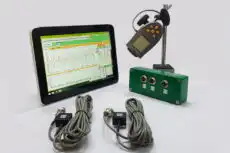

Prolazna vibracija je privremena, kratkotrajna vibracija koja se javlja tijekom promjene radnog stanja stroja — događaj van stalnog stanja. Klasični primjeri su gašenja stroja pokretanja i (usporavanje). Za razliku od stalne vibracije, koja se mjeri pri konstantnoj brzini i opterećenju, prolazna analizu vibracija se bavi hvatanjem dinamičkog odgovora stroja dok prolazi kroz niz brzina ili stanja — i taj prolazak otkriva svojstva sistema rotor-ležaja koju pokus pri stalnoj brzini nikada ne može otkriti.
1. Definicija: Što je prolazna vibracija?
Tijekom rada u stalnom stanju vratilo se okreće jednom brzinom, pa je spektar vibracija u biti stacionaran i jedan FFT ga dobro opisuje. U prolaznom događaju brzina je pokretna meta: svaka frekvencija vezana uz brzinu klizi gore ili dolje s vratilom dok prirodne frekvencije ostaju fiksne. Interes je upravo ono što se događa kada se te pokretne i fiksne frekvencije poklapaju. To čini pokretanje i slobodno zaustavljanje pokuse zasebnu i informacijski bogatstu kategoriju mjerenja.
2. Zašto je analiza prolazne vibracije važna?
Analiza prolazne vibracije je primarni način razumijevanja fundamentalnih dinamičkih svojstava rotora i njegovih oslonaca — prije svega, identificiranja stroja kritične brzine.
Tijekom pokretanja ili gašenja, brzina je prelazi široki raspon frekvencija. Kako se brzina rotacije (1X) prolazi kroz bilo koju od prirodnih frekvencija mašine, rezonancija stanje se formira i amplituda vibracija je značajno pojačana. Snimanjem podataka kroz ovaj prelazak, inženjeri mogu precizno utvrditi frekvencije na kojima se ta resonancija javlja — nešto što nije vidljivo ako se mašina posmatra samo pri njenoj normalnoj brzini rada.
Ove informacije su bitne za:
- Dizajn mašine i testiranje prihvatljivosti: Potvrdu da kritične brzine održavaju siguran razmak od normalne radne brzine, često kao dio kriterija prihvatljivosti prema standardima kao što su ISO 20816-1 (moderni nasljedbnik ISO 10816) ili, za sisteme zaštite, API 670.
- Dijagnostika: Promjena lokacije kritične brzine tijekom vremena ukazuje na razvitak strukturnog problema — napukli rotor, olabavljenje temelja, ili promjena krutosti oslonca. Usporedba uzastopnih prijelaza u trčanju je moćna tehnika praćenja trenda.
- Fleksibilni rotor Balansiranje: Balansiranje fleksibilnog rotora zahtijeva poznavanje njegovog odgovora pri kritičnim brzinama, a ti se podaci prikupljaju tijekom prolaznog stanja — osnova modalno uravnotežavanje.
3. Specijalizirani grafički prikazi analize
Jer se brzina stalno mijenja, jedan statički FFT spektar ne može predstavljati prolazni događaj. Podaci se umjesto toga prikazuju na grafikonima koji prate kako vibracija varira sa brzinom (RPM):
- Bode dijagram: Najčešće korišteni prolazni grafikon. Prikazuje 1X-filtrirane amplitude i faza na dva grafikona, oba u odnosu na brzinu. Rezonanca se manifestuje kao amplitudni vrh praćen karakterističnim faznim pomakom od otprilike 180° kroz kritičnu brzinu — kod stvarnih mašina na tačno fazno ponašanje utiču prigušenje, anizotropija oslonaca i susjedni modovi, pa se fazna kriva čita zajedno s amplitudnim vrhom, a ne kao samostalni pokazatelj.
- Nyquistov (polarni) grafikon: Kombinira 1X amplitudu i fazu u jedinstvenu polarnu krivu. Resonancija se pojavljuje kao različita petlja, a promjer te petlje povezan je s tim kako je lagano prigušen način.
- Dijagram pada vode / Kaskadni prikaz: 3D prikaz koji stepiće uzastopne FFT spektre kako se brzina mijenja, stvarajući “vodopod” efekt. Idealan je za gledanje sve komponenti frekvencije — ne samo 1X — kako se razvijaju kroz prolazno stanje, što je kako se ne-sinkroni ponašanja i harmonici detektuju. Povezani prikaz, Campbell dijagram, kartira ova prelaska rezonancije prema brzini.
4. Zahtjevi za prikupljanje podataka
Hvatanje prolaznih podataka zahtijeva specifičnu instrumentaciju i konfiguraciju:
- Analizator s više kanala: Sustav sposoban uzorkovanja nekoliko kanala vibracija i kanala brzine istovremeno, tako da amplituda i faza s različitih ležajeva ostaju vremenski usklađene.
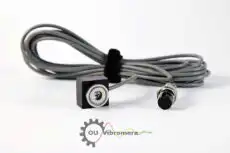
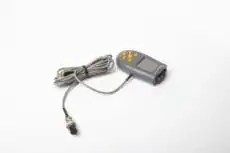
- Tahometar / Keyphasor: Referenca brzine i faze jednom po okretaju je apsolutno obavezna. Analizator je koristi za kontinuirano praćenje brzine i omogućavanje mjerenja faze koja Bodeovi i Nyquistovi dijagrami zahtijevaju — bez nje, nijedan dijagram se ne može proizvesti.
- Dovoljna memorija i brzina obrade: Instrument mora bilježiti kontinuirani protok podataka tokom cijelog trajanja pokretanja ili zaustavljanja, što na vrlo velikim mašinama može trajati nekoliko minuta.
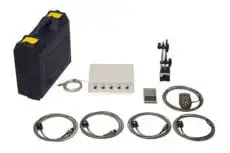
5. Prolazna u odnosu na ustaljeno stanje, i praksa u polju
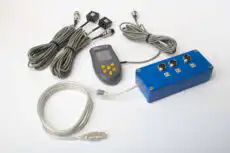
Korisno je držati dva režima usporedno. Mjerenje u ustaljenom stanju odgovara na "kako se stroj ponaša upravo sada?"; prolazno mjerenje odgovara na "koja su inherentna dinamika ovog stroja, i mijenjaju li se?" Oba spadaju u kompletan program — osnovna vrijednost spuštanje brzine zabilježeno kada je stroj zdrav postaje referenca prema kojoj se kasnije vožnje prosućuju. Za rutinsku polnu djelatnost prolazna kretanja od najveće praktične vrijednosti je ubrzanje do radne brzine tijekom terensko balansiranje. Prijenosni dvokanalski instrument kao što je Balanset-1A, sa svojom referentnom brzinom i fazom jednom po okretaju, prati amplitudu i fazu 1× dok se rotor ubrzava — potvrđujući da stroj prolazi svoje kritične brzine i da stabilno radi prije nego što se bilo koje čitanje balansiranja smatra pouzdanim, i upozoravaši ako rezonancija sjedi neugodan blizu radne brzine.

