Razumijevanje Bodeovog dijagrama u analizi vibracija

A Bode dijagram (izgovara se “bo-di,” po inženjeru Hendriku Bodeu) je specijalizovani graf koji prikazuje kako se vibracija se mijenja sa brzinom rotacije. Kombinuje dva grafikona na zajedničkoj osi brzine (RPM) — krivu amplitude iznad krive faze — i predstavlja primarni alat za pronalaženje kritične brzine. Budući da se najreprezentativniji podaci pojavljuju tijekom promjene brzine, Bodeov dijagram se gotovo uvijek pravi iz kontroliranog zalet ili slobodno zaustavljanje.
1. Definicija: Šta je Bodeov dijagram?
Dijagram se sastoji od dva grafikona koja dijele istu horizontalnu os brzine:
- An grafik amplitude (gornje), prikazuje veličinu 1X — sinhrone — vibracije kako se brzina mijenja.
- A grafik faze (donje), prikazuje faza zaostajanje te 1X vibracije u odnosu na vremensku referencu jednom po okretaju na osovini.
Čitane zajedno, dvije krive daju kompletan prikaz dinamičkog ponašanja rotora. Ključno je što su podaci filtrirani samo na 1X komponentu — izoluju sinhronog odgovora (dominiranog neuravnoteženost) od svega drugoga u spektru, što je upravo ono što rezonancijsku signaturu čini tako čistom.
2. Zašto je Bodeov dijagram važan
Bodeov dijagram je definitivni način za identifikovanje kritičnih brzina. Kritična brzina je rotaciona brzina koja se poklapa sa jednom od prirodnih frekvencija rotora, stvarajući rezonancija i značajno pojačavajući njegovu vibraciju. Dva klasična indikatora obilježavaju kritičnu brzinu:
- Izrazit vrh u dijagramu amplitude. Kako brzina prolazi kroz prirodnu frekvenciju, amplituda raste do maksimuma a zatim pada.
- Pomak od 180 stepeni u dijagramu faze. Prilikom prolaska kroz rezonancu, fazno kašnjenje se mijenja za ukupno približno 180 stepeni. Kod jednostavnog, slabo prigušenog odziva s jednim modom, tačka faznog pomaka od 90 stepeni predstavlja koristan pokazatelj rezonance — precizniji od samog amplitudnog vrha kada prigušenje zamagljuje vrh. Kod stvarnih mašina, međutim, prigušenje, anizotropni ležajevi, obližnji modovi i kompenzacija radijalnog bacanja pomjeraju ove orijentire, pa fazni prelaz treba koristiti zajedno s amplitudnim vrhom, Nyquist petljom, procjenom prigušenja i ponovljivim podacima pri zaletanju/zaustavljanju.
Znati tačno gdje padaju kritične brzine omogućava inženjerima da održe neprekidne radne brzine dalje od njih, izbjegavajući visoku vibraciju, ubrzano trošenje i rizik od katastrofalnog kvara koji bi donela vožnja na kritičnoj brzini. Lokacije se mogu predvidjeti unaprijed sa kalkulatorom kritičnih brzina rotora i vizuelizovane preko radnog opsega na Campbell dijagram, zatim potvrdjene prema izmjerenom Bodeovu dijagramu.
3. Interpretacija Bodeovog dijagrama
Osim lociranja kritičnih brzina, dijagram otkriva mnogo više o sistemu rotora:
- Faktor pojačanja (AF): oštrinu vrha rezonancije odražava koliko prigušenje sistem posjeduje prigušenja. Uski, visoki vrh znači malo prigušenja i visokog faktora pojačanja — potencijalno opasno — dok široki, ravni vrh označava dobro prigušen, otporniji rotor.
- Razdvojene kritične brzine: ako rotor ima nejednaku krutost u horizontalnom i vertikalnom smjeru (anizotropnu podršku), može pokazati dva blisko raspoređena vrha rezonancije umjesto jednog, poznata kao “razdvojena kritična.”
- Promjene sistema: poređenje Bodeovih dijagrama snimljenih tokom vremena otkriva strukturnu promjenu. Razvijajući se prslina vratila ili labavljenje vijaka temelja mijenja lokaciju i preuoblikuje vrhove kritične brzine, često prije nego što se pojavi bilo koji drugi simptom.
- Informacije o balansiiranju: dijagram je neophodno za balansiranje fleksibilnih rotora na više brzina i u više korekcijskih ravnina, jer pokazuje odgovor rotora na svakoj brzini i ukazuje gdje moraju biti postavljeni korekcijski utezi kako bi se kontrolisala specifična kritična brzina.
4. Prikupljanje podataka i instrumentacija
Generisanje Bodeovog dijagrama zahtijeva tri stvari koje rade zajedno:
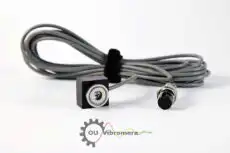
- Vibracijski osjetilac — najčešće sondu blizine mjereći direktno pomjeranje vratila, iako se senzori montirani na kućištu također koriste na mnogim mašinama.
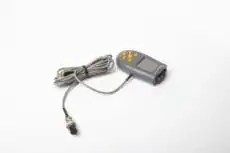
- Senzor faze — tahometar ili Keyphasor dajući jedan čist puls po okretaju vratila.
- Sistem za prikupljanje podataka koji je sposoban pratiti amplitudu i fazu 1X filtrirane signale kontinuirano tokom promjene brzine.
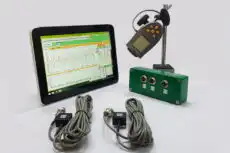
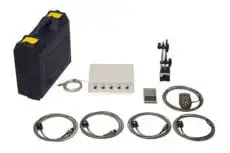
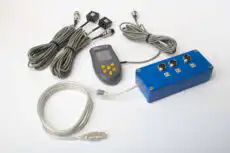
Podaci se prikupljaju tokom kontrolisanog pokretanja ili usporenije kako bi mašina prošla kroz cijeli raspon brzina i svaku kritičnu brzinu u njoj. Na opremama opšte namjene koja nemaju trajne sonde blizine, prijenosni analizator sa dva kanala kao što je Balanset-1A obavlja istu ulogu na terenu: aktivacijom iz svog laserskog tahometra, beležii sinhronizovane amplitudu i fazu 1X kroz pokretanje ili zaustavljanje tako da analitičar može nacrtati odziv i identificirati rezonancije na mestu, bez trajne instrumentacije mašine.
5. Bode dijagram i priloženi prikazi
Bode dijagram je jedan od familije prikaza prolaznih podataka i najmoćniji je kada se čita zajedno sa svojima roditeljima. Nyquist dijagram prikazuje istu amplitudu-i-fazu informacije kao jedna polarna kriva, gde rezonancija prati jasnu petlju. A kaskadna (vodoskočna) crtacija slaže pune spektre prema brzini, tako da non-sinhrone komponente — koje Bode dijagram samo 1X namerno ignoriše — postaju vidljive. Odabir prave kombinacije ovih prikaza pretvara zapis pokretanja u detaljnu sliku dinamika rotora.
Bodeov dijagram s terenskog instrumenta
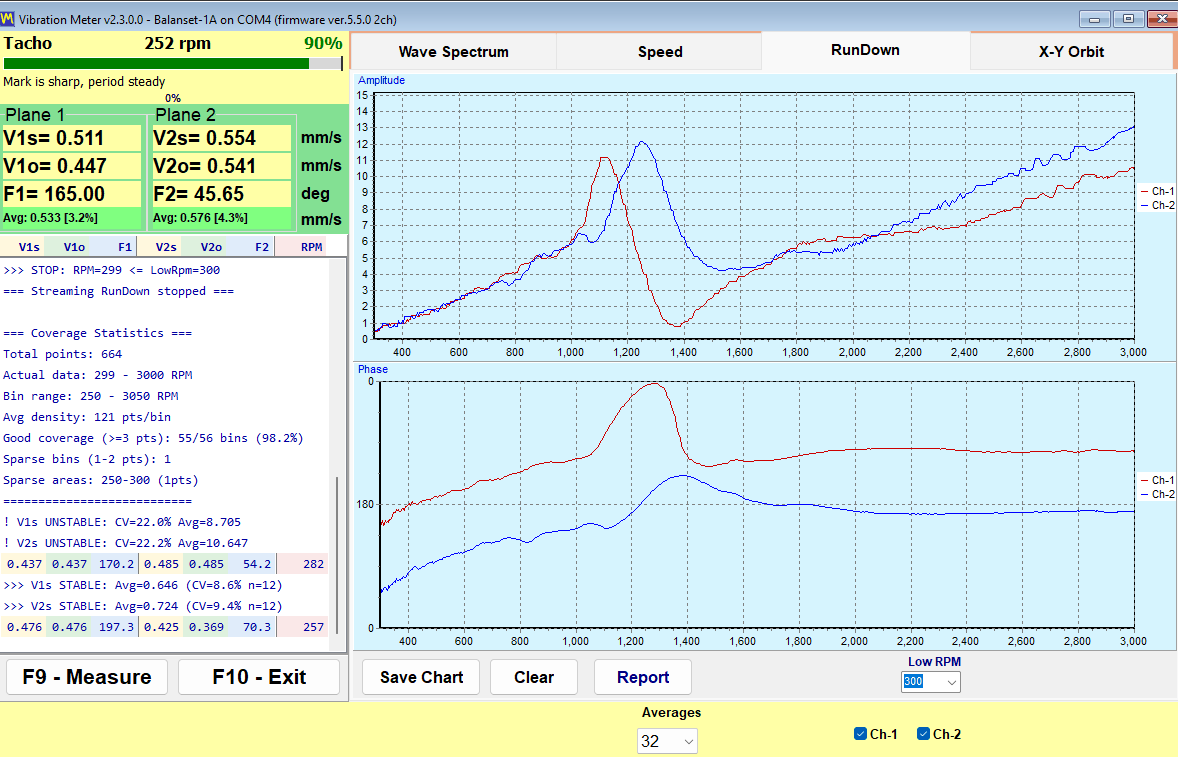
Na Balanset-1A Bode-par se bilježi na kartici „Run-down” prozora mjerača vibracija: dok se rotor usporava ili ubrzava, program bilježi 1× amplitudu i fazu u odnosu na brzinu — jedna sirova vrijednost po okretaju, bez izglađivanja — što je upravo podatak od kojeg se pravi Bodeov dijagram.
Prije čitanja krivulja vrijedi znati dva detalja o prikazu. Fazna krivulja je iscrtana kao jedna neprekidna linija: kada prođe kroz 0/360°, osa jednostavno dobija još jednu traku od 0…360° umjesto da linija skoči na suprotni rub grafikona. A kada podaci tahometra ispadnu, program ostavlja praznine umjesto da crta lažne ravne segmente. Rezonanca se tada čita na klasičan način opisan gore — amplitudni vrh praćen faznim pomakom od otprilike 180°.
Snimanje se automatski zaustavlja ispod praga „Low RPM” (podesivo 100–2000 RPM, zadano 300), a izvještaj o zaustavljanju čuva snimke oblika signala, spektra i X-Y orbite snimljene pri radnoj brzini uz Bodeove krivulje.