Razumijevanje triboelektrične buke
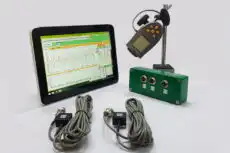
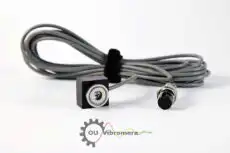
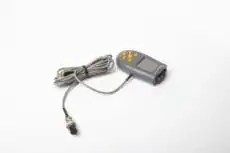
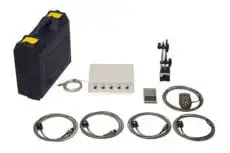

Triboelektrična buka je oblik električne interferencije koja zagađuje signale vibracija, posebno one od piezoelektričnih akcelerometri. To je niskofrekventna, neponovljiva buka nastala unutar samog kabela senzora kada je kabl izložen mehaničkom kretanju — savijanju, fleksiji ili udarcu. Budući da buka nema nikakve veze sa stvarnom vibracija mašine, može proizvesti ozbiljne greške pri mjerenju ako se ne razumije i ne kontrolira.
1. Definicija: Što je triboelektrična buka?
Triboelektrična buka se najjednostavnije može zamisliti kao samoistvoren artefakt: kabl koji nosi signal je, takođe, kada se kreće, stvarajući vlastiti parazitni signal. Najproblematičnija je sa piezoelektričnim akcelometrima jer je njihov izlaz minuciozni električni naboj koji se dovodi u pojačalo vrlo velike impedancije, a to pojačalo ne može razlikovati pravi naboj iz mašine od parazitnog naboja nastalom u kabelu. Zagađenje je stvarno, ali mašina koju ono čini da se pojavljuje nije zapravo vibrirajuća na taj način.
2. Uzrok: Triboelektrični efekt
Buka se stvara triboelektričnim efektom — ista fizika koja gradi statički naboj kada trljate dva nejednaka materijala jedan o drugoga a zatim ih odvojite. Tipičan koaksijalni kabl akcelometra sadrži centralni vodič, dielektrični (izolacijski) sloj i vanjski pleteni štit.
Kada se kabl savije, dielektrik i vanjski štit trljaju jedan o drugoga i odvajaju se, generirajući mali statički naboj. Taj naboj se pojavljuje kao napon na kapacitivnosti kabela, a osjetljivo pojačalo spojeno na senzor — bilo vanjsko pojačivačem naboja ili unutarnja elektronika IEPE akcelerometar — vjerno ga bilježi. Rezultat je niskofrekventna “buka” ili parazitni naponski skok koji se leži na vrhu stvarnog signala vibracija.
3. Karakteristike triboelektrične buke
Triboelektrična buka ima prepoznatljiv otisak, što je ključ za razlikovanje od stvarne greške na mašini:
- Niska frekvencija: to je pretežno fenomen niske frekvencije, koji se tipično javlja ispod 10 Hz.
- Lažni šiljci: često se pojavljuje kao nasumičan, šiljci visokog amplituda u vremenski oblik signala koji se poklapaju s kretanjem kabela.
- Spektar “ski-nagib”: u FFT spektar podiže nivo buke oštro na kraju vrlo niske frekvencije, a zatim pada s povećanjem frekvencije, što daje klasičan oblik “ski-nagiba” silazno. (Ovaj isti oblik može proizaći i iz integracije ili stabilizacije senzora, tako da uzrok mora biti potvrđen.)
- Nije ponovljivo: buka nije sinhronizirana s rotacijom vratila i ne ponavlja se između uzastopnih mjerenja — za razliku od stvarne greške, koja se pojavljuje mjerenje za mjerenje.
4. Zašto je to problem
Triboelektrična buka postoji upravo u frekventnom opsegu gdje se nalazi neka od najvažnijih dijagnostičkih informacija. Može maskirati stvarne niskofrekventne signale iz mašine, što je posebno štetno na sporitokunima gde ključni potpisi greške — neuravnoteženost i neporavnanje na 1× brzinu vrtnje — već padaju blizu ili ispod 10 Hz. Buka može ili sakriti ove prave komponente ili biti pogrešno shvaćena kao greška, i u oba slučaja vodi direktno do pogrešne dijagnoze: zdrava mašina označena kao neispravna, ili prava greška sakrijena ispod lažnog poda. Budući da visokofrekvencijska filtracija — filtriranja signala bi također uklonila vrlo niskofrekventne podatke koje pokušavate zadržati, buka mora biti sprečena na izvoru umjesto da se filtrira naknadno.
5. Kako sprečiti triboelektričnu buku
Triboelektrična buka je jedna od najsprečavajućih grešaka pri mjerenju u vibracioskoj analizi. Kontrolira se kroz ispravan odabir kabela i, iznad svega, pažljiva instalacija:
- Koristite kabel visokog kvaliteta, niskobučna. Poznati proizvodioci senzora nude dedicirani “niskobučni” kabel koji nosi vodljivijedan grafit sloj između dielektrika i vanjskog zaštitnog sloja. Ovaj sloj djeluje kao odvodnik, odvodeći statički naboj prije nego što se može nakupiti i dramatično smanjujući triboelektrični efekt.
- Osigurajte kabel. Ovo je jedan od najvažnijih praktičnih koraka. Vežite ili zalijepite kabel čvrsto na površinu mašine što bliže senzoru, tako da vibrira sa mašine umjesto da se savija i mota neovisno. Labave petlje i viseći dijelovi su primarni izvori buke — dobar menadžment kabela je dio dobrog senzora montaža.
- Izbjegavajte udare kabela. Rutiran kabela dalje od rotirajućih vratila, lopatica ventilatora i bilo kojih drugih pokretnih dijelova koji ga mogu udariti ili lupati.
- Pravilno uzemljite. Iako uzemljenja ne rješava izravno triboelektrički efekt, slijeđenje uputstava proizvoðača za uzemljenja senzora i kabliranja sprječava druge probleme električne buke kao što su petlje uzemljenja, čuvajući cjelokupni signal čistim.
S ispravnim kablom i — što je najvažnije — pravilno osigurana rutiranje, efekti triboelektrijske buke mogu biti gotovo potpuno eliminirani, dajući čišće i pouzdanije podatke o vibracijama niske frekvencije. Ista disciplina pokazuje rezultate kada se prelazite sa praćenje stanja stroja u aktivnu korekciju: kada prijenosni analizator kao što je Balanset-1A mjeri amplitudu i fazu 1× za terensko balansiranje, signala bez buke u visokim frekvencijama je upravo ono na što proračun faze ovisi.

