Сынақ Ішінгі Роторларды түсіну





A cracked rotor is a ротор немесе циклдік стресс астында материал арасында таралатын ынамсыздық сынық — сынамалау белік. Бұл мәні сәйкес күндестік, бірақ термин shaft crack, біраҝ термин шамалап білік элементінің орнына толық ротор қоршамасын баса айтады. Сынақ ішінгі роторлар барлық машина ақаулықтарының аса қауіпті ұлығы болып табылады, себебі сынық кішкене, анықталмайтын ақауынан толық апатты сындырғанға дейін бірнеше күн немесе апта ішінде өсе алады vibration мониторингу оны анықтай алады. Салмақ қамасы біліктің құрылымының түрі іс-әрекетінің революция сигналы болған 2× (екінші гармоника) құрамдастырған сайын сынықтың өсетін құрамы, білік құрамының екі рет эк революция ерекшелігі арқылы өндіктен қысылып жасалғанда ес жасалғанда.
1. Анықтамасы және неге сынықтар соншалықты қауіпті
A fatigue crack in a rotating shaft behaves very differently from a static flaw. Each revolution applies a full tension-compression bending cycle to the cracked section, so the rotor accumulates damage at the same rate it accumulates revolutions — thousands of stress cycles per minute. The treacherous part is the timeline: the crack may sit benign and invisible for years, then enter a phase of rapid acceleration in which the margin between “first reliably detectable” and “fractured” is measured in days. This compressed warning window is precisely why a confirmed crack is normally treated as grounds for immediate shutdown, және неге үздіксіз техникалық жай-күйді бақылау критикалық машиналарда негізделеді.
2. Роторларда сынықтар қалай дамиды
Сынықтың басталуы сайты
Сынықтар әрқашан стресс концентрациясында басталады — геометриялық немесе металлургиялық белгілі пайда болуы мүмкін, мұнда жергілік стресс номиналды деңгейінен жоғары сез елестеген немесе рәні шайтан болды:
- Keyways: пилі бұрыштар кілттіктің ұштарында — бірінші орында орын алатын ең кең таралған инициялау орны.
- Диаметрдің өзгерісі: мойындар, сатылар және ауысындар.
- Науа салынған бөлімдер: ауырлықты сыйыстыратын науа түбілері.
- Ойық және крест-бұрандалар: майлау өткелдері немесе бекіту ойықтары.
- Пресс-сығындау шеттері: қысымдық сәйкестендіру, ішінде қалдық ауырлық пен үйіндінің әсерін қалдырады.
- Welds: жылу әсерінің аймақтары және еңгеу ұштары.
- Тозаңдау ойықтары: беттік ақаулар corrosion дайын жасалған сынық бастапқы орындарында әрекет етеді.
- Індеу белгілері: құрал белгілері, өзгеше негіздік ауырлыққа перпендикуляр бағытталғанда.
Сынықтың өсу процесі
- Микросынық түзілуі: ауырлық сыйыстырғыш орында инициялау, әдетте 1 мм-ден төменде.
- Салмақ таралуы: сынық әрбір ауырлық цикліндегі біртіндік түрде өседі — бұл сатысы бірнеше жыл ұзақ болуы мүмкін.
- Acceleration: сынықтар өскен сайын стресс интенсивтілігі көбейеді және өсу қарқындылығы ускоряется.
- Анықталатын сәт: диаметрінің шамамен 10–30% кезінде 2× вибрациясы көрінетін болады.
- Critical size: қалған сопы артық жүктемені ұстай алмайды.
- Ықтыс бөлінуі: бірден, толық білік ысырмасы.
Әр сәтте ынамдатушы күш циклдік fatigue, сондықтан циклдік ығу стрессін азайтатын бәрсе — жақсы теңдеу, дәл туралау — түзу сынық өсуін баяулатады.
3. Сипаттамалық 2X вибрациялық сигнатура
Сынықтар неге 2X вибрация өндіреді
Механизм деп аталатын тыныс сынығы:
- Сынық жабық (сығу): сынық аймақ сығуға айналғанда (горизонтальды білік үшін ротацияның төмені), сынық беттері бір-біріне басылады және білік қатаңдығы жоғары.
- Сынық ашық (кернеу): сынық ротацияға түсінік (ротацияның үсті), ол ашылады және білік қатаңдығы төмен.
- Екі рет революцияда: сондықтан қатаңдық революцияда екі рет өзгереді — бір рет сынық жоғарыға бағытталған ориентациядан өткен кезде және екінші рет төмен.
- 2× forcing: бұл қатаңдық өзгеруі ротациялық жылдамдықтың екі есеінде 2× вибрациялық жауап жасайды.
- Амплитудасының өсуі: тесік терендеген сайын қатаңдық асимметриясы артады және 2× амплитудасы оның бірге өседі.
Вибрация сипаттамалары
- Негізгі көрсеткіш: уақыт өте келе пайда болатын және жылжымалы өсетін 2× компоненты.
- 1× changes: the 1× running-speed вибрация тесік ротордың қалдық ізсінуін тудағаны үшін де көтеріліп қалуы мүмкін.
- Жоғары гармоникалар: 3× and 4× harmonics тесік ауырғандығы кезінде пайда болуы мүмкін.
- Phase behaviour: фаза бұрыштары іске қосу және үстін ауырқайлап қарай өзгереді таза unbalance ынамдағы жауап — негізгі ажыратқыш.
- Температураның сезімтальігі: 2× амплитудасы білік температурасына байланысты өзгеріп қалуы мүмкін, бұл тесік қаншалықты оңай ашылатынына әсер етеді.
жоғары 2× бірақ өз алдына тесік болғанын дәлелдемейтіні бар ойы болғалы жалықпайды — misalignment және кейбір түрлер looseness де 2× көтеретін. Ажыратқылық ерекшеліктері болса жылжымалы growth уақыт бойы және резонанстың аралығындағы ерекше фаза әрекеті, өйткені тренд болу және өтпелі сынау да, екеуі де қолданылады.
4. Анықтау және диагностика
Діріл мониторингі
2X/1X қатынасын тренделеу
The most practical field indicator is the ratio of 2× amplitude to 1× amplitude, watched over time through trending:
- Normal machinery: 2×/1× below about 0.2–0.3.
- Suspect crack: 2×/1× above 0.5 and increasing.
- Confirmed crack: 2×/1× approaching or exceeding 1.0.
- Emergency: 2×/1× above 2.0 — immediate shutdown recommended.
Өтпелі сынау
- Bode plots іске қосу және үстін ауырқайлап қарай жазылды.
- Тесіктелген ротор резонанстың аралығынан өткен сайын аномалды 2× әрекет көрсетеді.
- екіден төбе әрқайсысының жартысында пайда болуы мүмкін critical speed, өйткені 2× күш әдеттегі жылдамдықтың жартысында резонансты қозғайды.
- Фаза өзгерістері нормальды теңсіздік жауабынан ерекшеленеді.
Бұзушылық емес зерттеу
Вибрация сізге қарау керек екенін айтады; ақырсыз бұзарлық сынау арқылы тұрақты түрде тексеріңіз сынықты растайды және өлшемін анықтайды:
- Магниттік бөлшектер инспекциясы (MPI): бетінің және жақын бетінің сынықтарын анықтайды.
- Dye penetrant: беттік сынықтарды көзбен анықтау.
- Ультрадыбыстық тестілеу (UT): ішкі сынықтарды анықтайды және олардың тереңдігін өлшейді.
- Eddy current: контактсыз беттік сынықты анықтау.
- Radiography: сындырмалы компоненттердегі ішкі сынықты анықтау.
5. Төтенше жагдайларға жауап беру
Сынық қаугі сезілген кезде
- Мониторингті ұлғайту: айлық мониторингтен күндік немесе үздіксіз мониторингке көшу.
- Әрекет істеу ынамдылығын төмендету: мүмкін болған жағдайда жылдамдықты немесе жүктемені азайту.
- Ағымды инспекцияны жоспарлау: ең ерте мүмкін кезде NDT зерттеуін қолдану.
- Тоқтатуға дайындықты: ауыстырмалы валны тапсыруға орнатпа беріңіз және жөндеу процедурасын жоспарлаңыз.
- Тәуекел бағалау: бақталған өсу қарқынынан болу мүмкін істеліктің уақытын бағалау.
Егер Бұлын Растайтын Болса
- Ұзақ уақыт тоқтату — анықталған, шектеулі уақыт ішінде қауіпсіз әрекет етудің ресми тәуекел бағалауы көрсетпесе.
- No restart валы ауыстырылғанға немесе жөндеген болғанға дейін.
- Валты ауыстыру ең сенімді шешім.
- Түбегейлі себепті анализ булын қайда пайда болғанын анықтау және қайталануын болдырмау үшін.
6. Алдын алу стратегиялары
Design
- Stressing концентрацияларын жою немесе азайту.
- Екі жағалай филет радиустарын пайдаланыңыз (өйткені ережесі R диаметрінен 0.1 × артық).
- Мүмкін болғандықтан кілттік жолдарын болдырмау; ықтимал сақтау орнына.
- Орынды материалды және жылу өндеу көрсетіңіз.
- Шату критерийлерінің төзімділігін жақсарту үшін сүйлесім өндеуінің түрлерін қолданыңыз.
Operation
- Maintain good балансты сапасы циклдық ойыту стрессін азайту үшін.
- Hold precision валты туралау ойытусыдың сәттік құрылымын азайту үшін.
- Критикалық жылдамдықтарында ұзақ уақыт әрекет ету болдырмау.
- Асыра ғана жылдамдықтарының оқиғасын болдырмау.
- Термалды стресстің тиімді қыздыру және салқындату арқылы басқарылуы.
Maintenance
- Вибрациялық мониторингтің тұрақты орындалуы айқын 2× трендтемесі арқылы.
- Мерзімді бус-құрылымды тестілеу — жыл сайын немесе тәуекел бағалауына сәйкес.
- Корозияны болдырмау — ол құпалық ретті сындырудан қорғайды.
- Вибрациялық амплитудасын төмен ұстап, циклдік стресстi азайту.
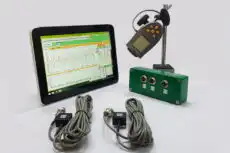
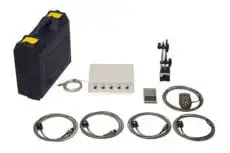
Іс жүзінде жақсы балансы ерекше атап өткен дұрыс — өйткені ол ұстап тұру бригадасы өндіріс аймағында қолдана алатын әйгілі алдын алу шарасы. Осындай ішінара екі арна ғана талдау құрылғысы Балансет-1А машинаның өзінің подшипниктері мен бағдарламалар ішінде 1× амплитудасын және фазасын өлшейді, бірінші немесе екі жазықтық түзету trial weight, driving the қалдық дисбалансы оның ISO 21940-11 мақсатына дейін. Төмен 1× күштері әрбір құлыпталуына және иілуіне аз циклдік өндіктестік стрессін білдіреді — төсінеген жовығын сындырудағы төлемін ұзартуға түрікті түспіндеуге. Сол құрылғы іс жүзінде стартап мен берісінің амплитудасы-фаза деректерін түріктеп, дыхалау сындыруын әділетті балансты ажыратуын құрайды.
Сындырылған роторлар айналмалы машиналарындағы ең критикалық ойын істі бір түрінен бөлектейді. Вибрациялық мониторингтің ішіндегі 2× қолтасымасының сипаттамасын анықтап, мерзімді емес-құрылымды тексерісімінің комбинациясы барлық сақтандырылған ынамдарын қамтамасыз етеді, ағымды сындырышты алдын алып оның ауырлығы болсын және балама ұлғайтылған бұл құрайды.

