कम्बाइन हार्वेस्टर रोटर्स कसे संतुलित करावे: निदान, पद्धती & वास्तविक बचत

1. परिचय
जेव्हा कापणीच्या मध्यभागी combineचा threshing drum संपूर्ण मशीनला हलवू लागतो, तेव्हा कारण जवळजवळ नेहमीच एकच असते: एक असंतुलित rotor. Rotors of agricultural machinery (threshing drums of combines, straw choppers, rotary mowers, etc.) rotate at high speeds and carry significant mass. Even a slight असमतोल in such rotors can cause strong कंपने, affecting the operation of the entire machine. संतुलन rotors is a crucial part of servicing combines and mowers, which determines the reliability and efficiency of the equipment. However, in practice, this aspect often receives insufficient attention. As a result, unbalanced units lead to accelerated wear of parts, unexpected breakdowns in the peak season, and even pose a safety threat. This material examines in detail why rotor balancing is so necessary, which units require it, what balancing methods exist, and how the modern device Balanset-1A helps to solve vibration problems. Real examples and economic calculations will show farmers and managers of farms that proper balancing is not an expense but an investment in uninterrupted operation and long service life of the equipment.
2. What is imbalance and its consequences
Rotor imbalance म्हणजे rotationच्या अक्षाच्या संदर्भात वस्तुमानाचे असमान वितरण होय. दुसऱ्या शब्दांत, rotorच्या एखाद्या “जड” बाजू किंवा विभागामुळे फिरताना vibration निर्माण होते. असंतुलनाचे दोन मुख्य प्रकार वेगळे ओळखले जातात: static आणि dynamic.
स्थिर असंतुलन occurs when the center of gravity of the rotor does not coincide with its axis of rotation. For example, if the rotor is freely suspended or mounted on horizontal prisms, it will turn with the heavy part down. To eliminate such imbalance, it is enough to add or remove weight in one plane until the center of gravity aligns with the axis of rotation.
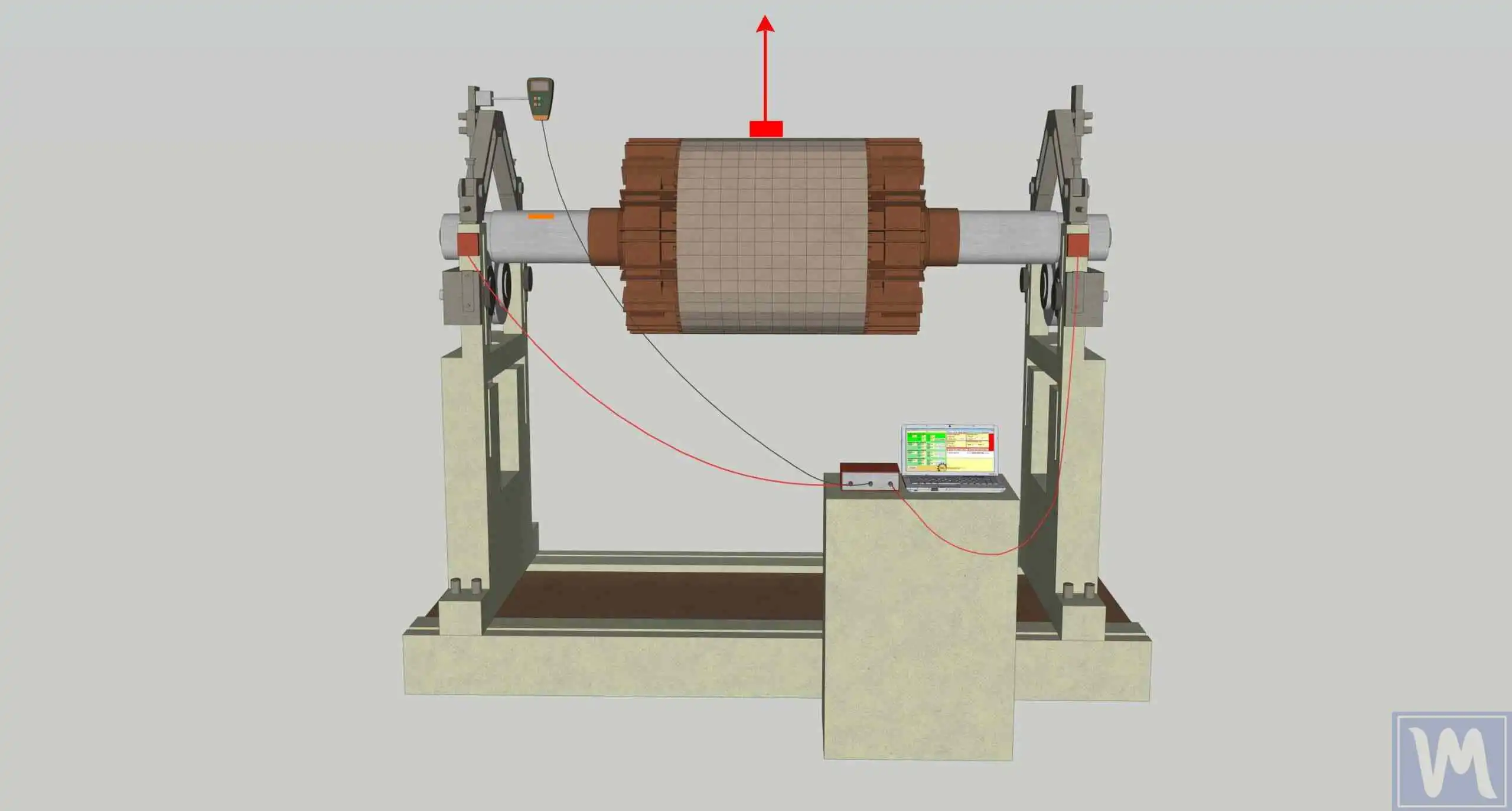
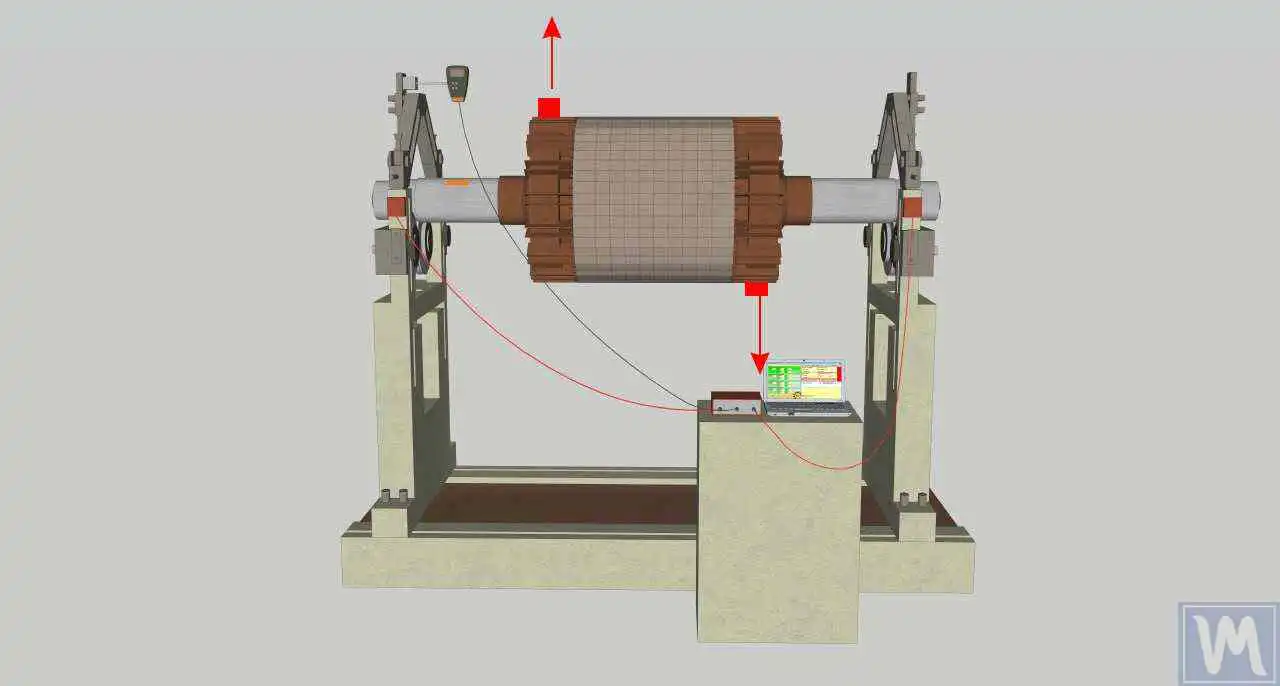
गतिशील असंतुलन हे अधिक क्लिष्ट आहे: जेव्हा जड विभाग rotorच्या वेगवेगळ्या टोकांवर असतात तेव्हा ते घडते. Static स्थितीत असा rotor संतुलित दिसू शकतो, कारण विरुद्ध टोकांवरील जड बिंदू एकमेकांची भरपाई करत असल्यासारखे वाटते; पण फिरताना त्या विभागांमधून निर्माण होणारे centrifugal force वेगवेगळ्या planesमध्ये कार्य करतात आणि vibration निर्माण करतात. Dynamic imbalance एका बिंदूवर वजन वाढवून दूर करता येत नाही – balancing in two planes आवश्यक आहे (रोटरच्या प्रत्येक टोकाला).
असंतुलनाचे परिणाम लवकर दिसू लागतात आणि उपकरणांवर नकारात्मक परिणाम करतात. असंतुलित rotorमधून निर्माण होणारे तीव्र vibration bearings आणि mountsवर dynamic load वाढवते, त्यामुळे ते अकाली निकामी होतात. वर्षानुवर्षे टिकायला हवे असलेले units काही महिन्यांत झिजतात – उदाहरणार्थ, bearings दर 2-3 महिन्यांनी बदलावे लागतात आणि त्यात अनेकदा ठराविक बेअरिंग दोष such as raceway spalling.
असंतुलित फिरणाऱ्या भागांमुळे फ्रेम आणि फास्टनिंगमध्ये धातूचा थकवा येतो: क्रॅक दिसतात, बोल्ट सैल होतात आणि माउंट्स विकृत होतात.
In addition, vibration reduces the performance and efficiency of the machine. Part of the energy is wasted on oscillations rather than useful work. In severe cases, equipment can lose a substantial share of its productivity if its mechanisms are not balanced. A combine with a vibrating drum threshes and cleans grain worse, and crop losses may increase. For the operator, severe vibration means reduced comfort and fatigue; the cabin is noisy, and small parts rattle.
In some cases, imbalance also becomes a safety issue: a spun-up heavy fragment (e.g., a straw chopper knife when a fastener breaks) poses a danger, and excessive vibration can make it difficult to control the machinery. Therefore, imbalance is not just a slight vibration, but a serious problem leading to increased wear, accidents, reduced efficiency, and human risks.
3. Which Rotary Units of Combines and Mowers Require Balancing
कम्बाइन्स आणि रोटरी मॉवरमधील जवळजवळ सर्व फिरणारी युनिट्स, ज्यांचे वस्तुमान किंवा रोटेशन वेग लक्षणीय आहे, त्यांना संतुलन आवश्यक आहे.
Threshing Drum of the Combine
This is the main rotor in a classic combine harvester, responsible for threshing grain. The drum usually has a large diameter, weighs hundreds of kilograms, and rotates at high speeds (e.g., 500–1000 rpm). Manufacturers balance the drum at the factory, but over time, the balance may be disturbed due to wear of beaters, dirt adhesion, part replacement after repair, etc. An unbalanced threshing drum causes vibration transmitted to the entire combine body, accelerating the wear of bearings and frame. The concave, drum beaters, and drive belts are especially affected. Regular dynamic balancing of the drum is necessary for the smooth operation and long service life of the combine (it is noted that after any work with the drum – beater replacement, shaft repair – rebalancing is required).
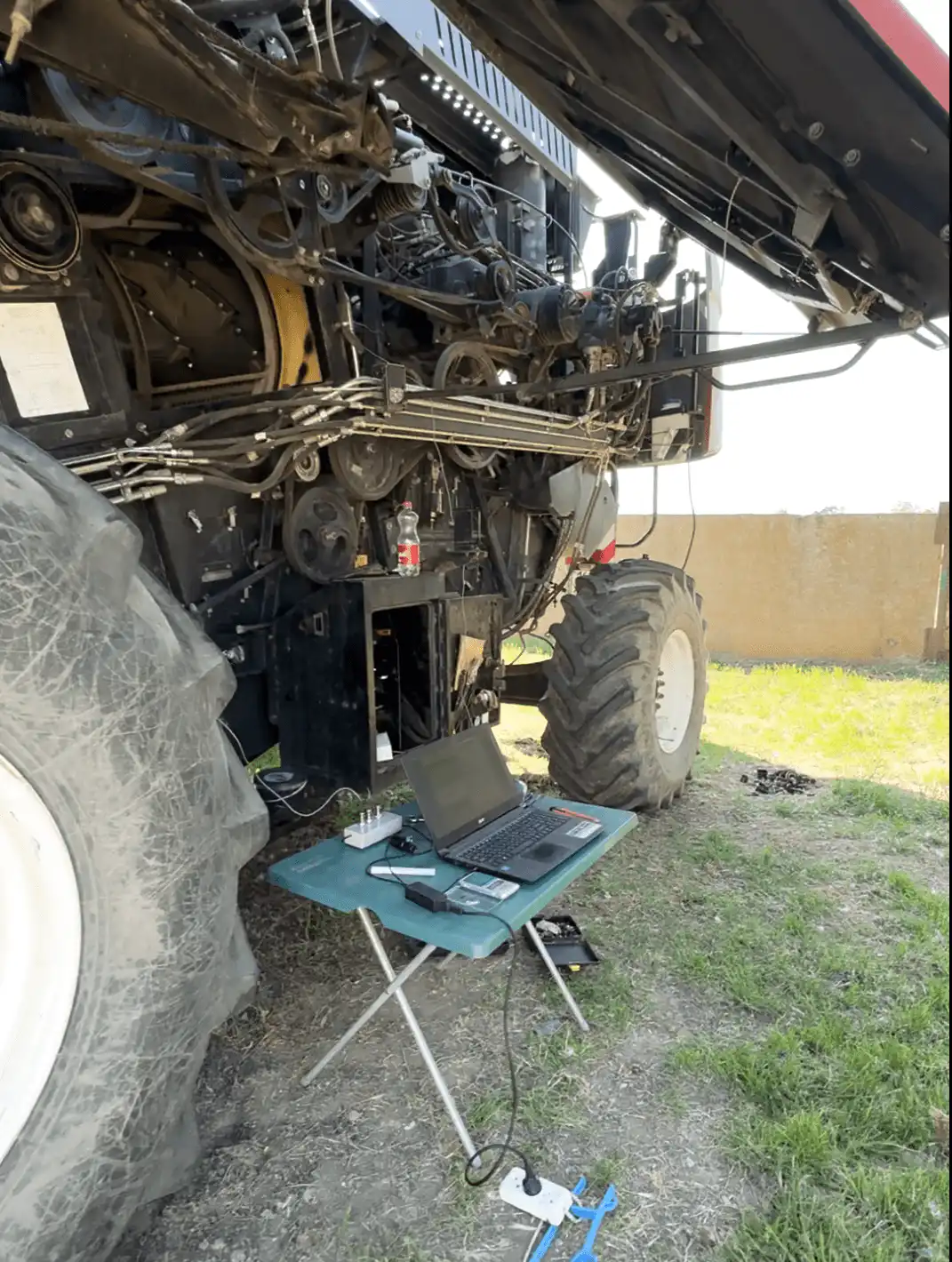
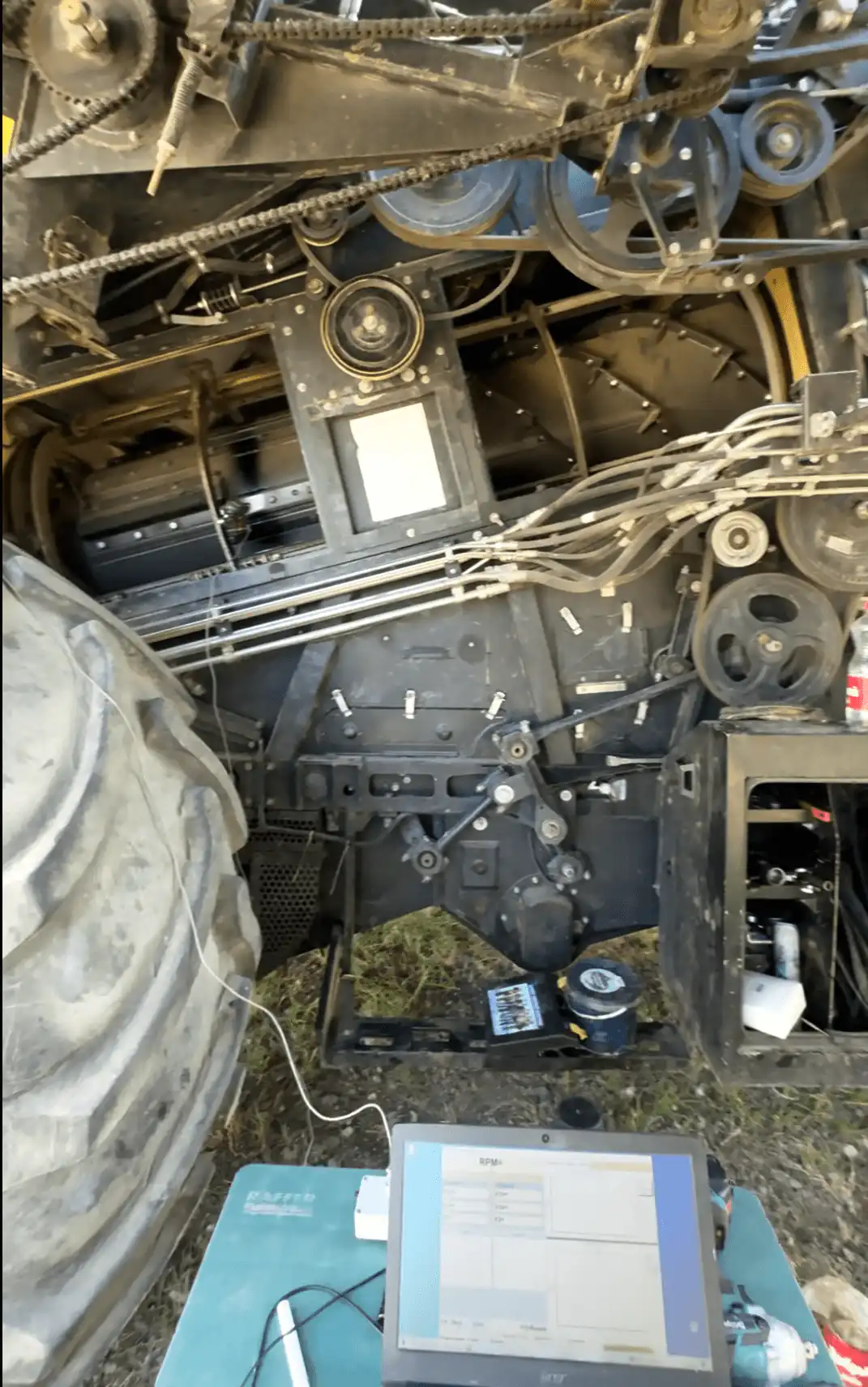
Beater and Rotor Systems of Threshing
In combines, besides the main drum, there are other rotating units of the threshing-separator device. In classic combines, behind the drum is a beater (throwing drum) that accelerates the passage of mass to the straw walker – it also rotates at high speed and causes vibrations when imbalanced. In rotary combines, instead of a drum, a long main rotor (axial rotor) is used, performing both threshing and separation. Such a rotor is essentially a long screw/drum that needs critical dynamic balancing. Any of these units (drum, beater, rotor) must be carefully balanced, otherwise vibration will reduce threshing efficiency and may disable costly components (straw walkers, sieves, bearings, etc.).
स्ट्रॉ हेलिकॉप्टर
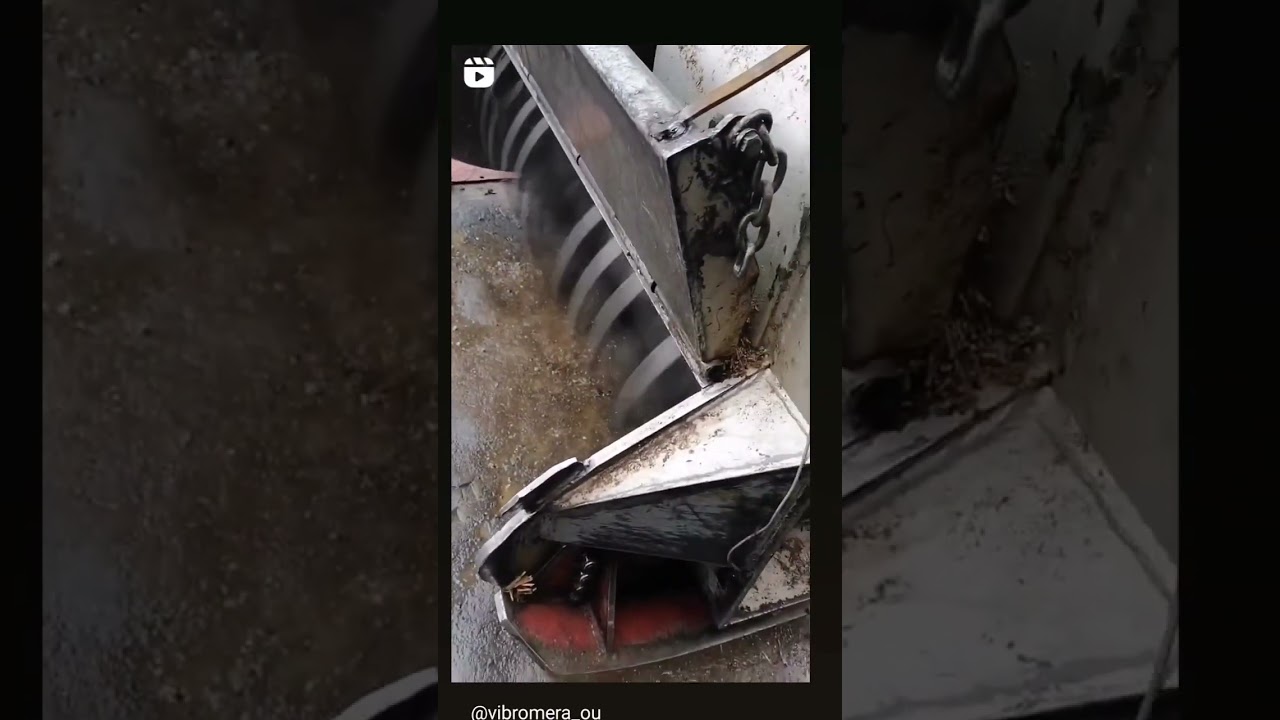
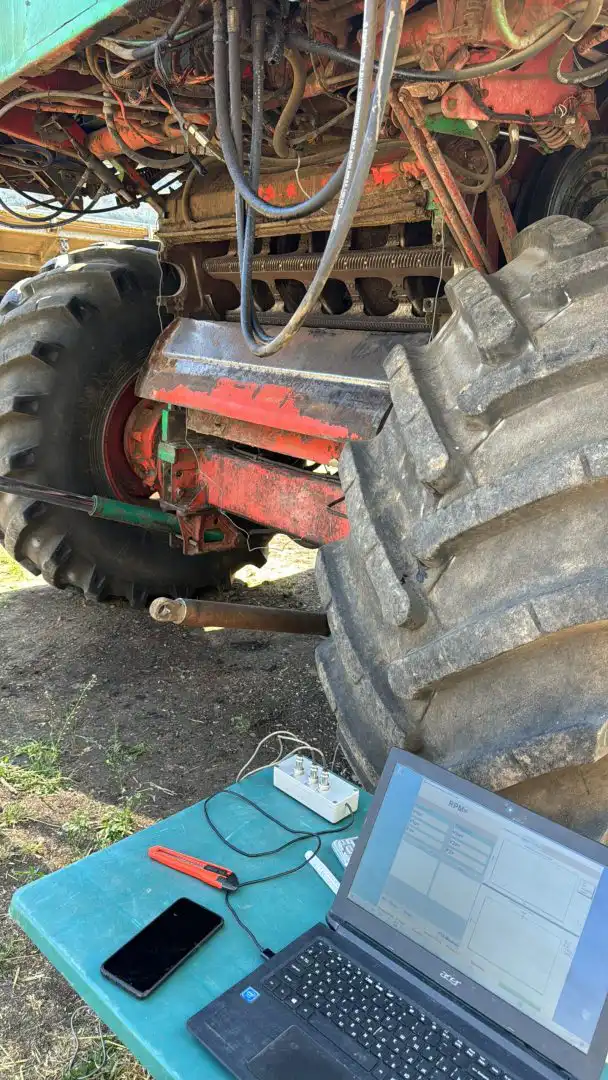
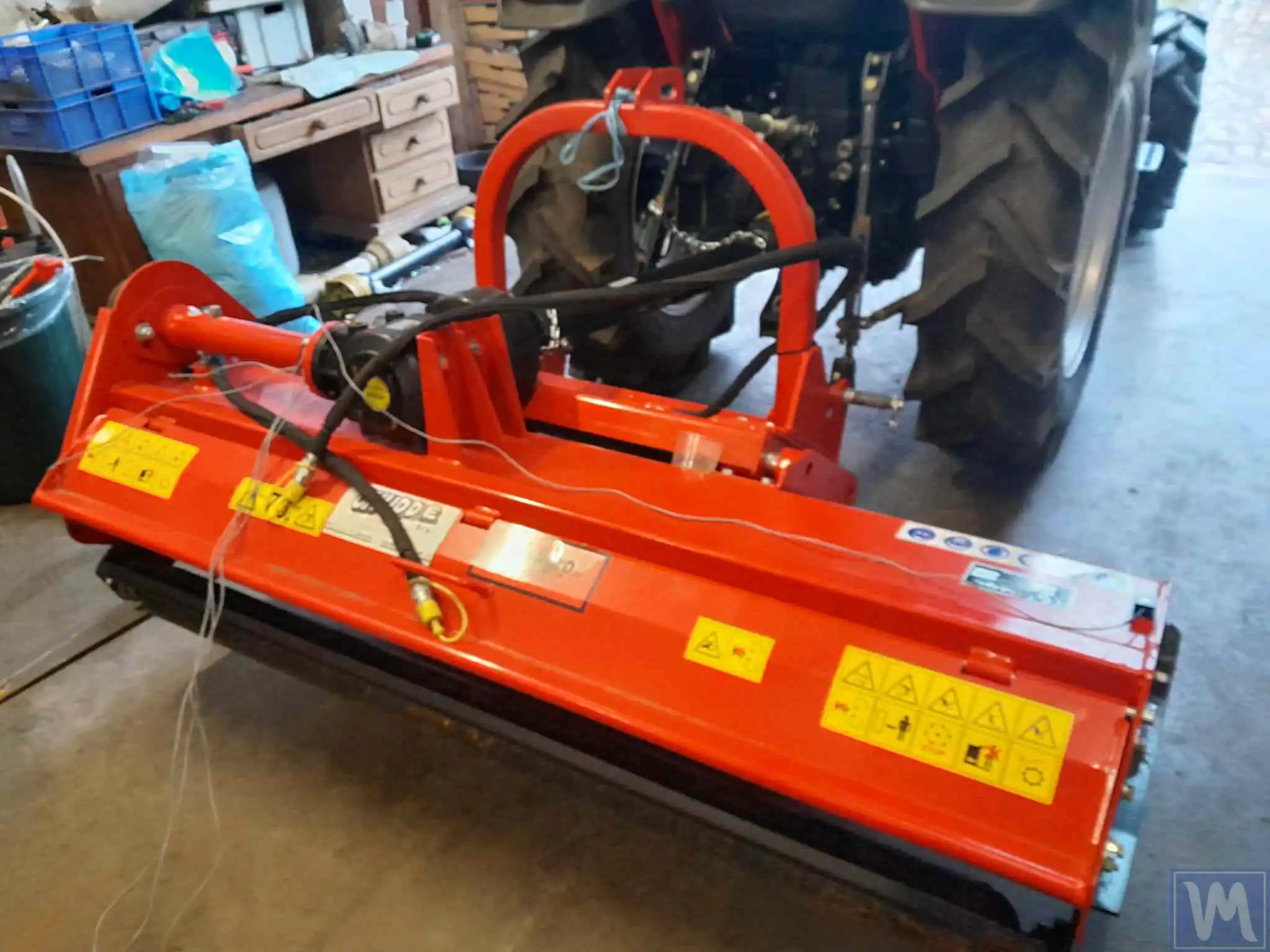
हे unit combineच्या बाहेरच्या भागात बसवलेले असते आणि पेंढा चिरणे व विखुरणे यासाठी वापरले जाते. Straw chopper rotor साधारणतः rotary knives किंवा hammers असलेला cylindrical shaft असतो. तो पेंढा बारीक चिरण्यासाठी अतिशय वेगाने फिरतो, अनेकदा 2500-4000 rpm. Chopperचे imbalance हे combineमधील vibrationचे एक सामान्य कारण आहे, कारण कालांतराने knives बोथट होऊ शकतात, त्यांचे वजन वेगवेगळे होऊ शकते, आणि कधी कधी knives तुटून निघून जातात, ज्यामुळे mass distribution गंभीरपणे बिघडतो. याशिवाय chopperचे housing तुलनेने पातळ असल्याने ते deform होऊ शकते. असंतुलित straw chopperमुळे combineच्या मागील भागात जाणवण्याजोगी हलचल निर्माण होते; त्यामुळे fastenings तुटू शकतात, bearings नष्ट होऊ शकतात, आणि chopperचे housingही फुटू शकते. प्रत्येक मोठ्या knife maintenanceवेळी straw chopperचे balancing केले पाहिजे. या unitचे वैशिष्ट्य असे की structural flexibility मुळे, म्हणजे housing पातळ असल्यामुळे, balancing करताना भेगा नसणे आणि सर्व भागांची fastening विश्वासार्ह असणे याकडे विशेष लक्ष द्यावे लागते.
Rotary Mowers and Mulchers
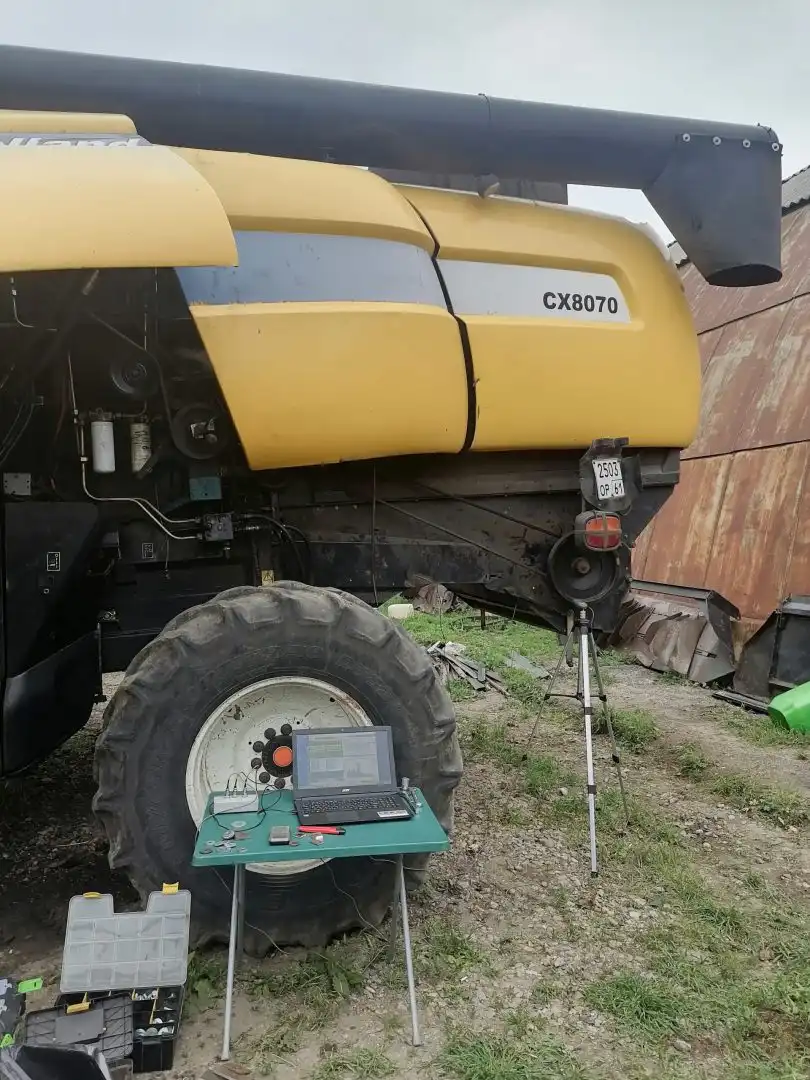
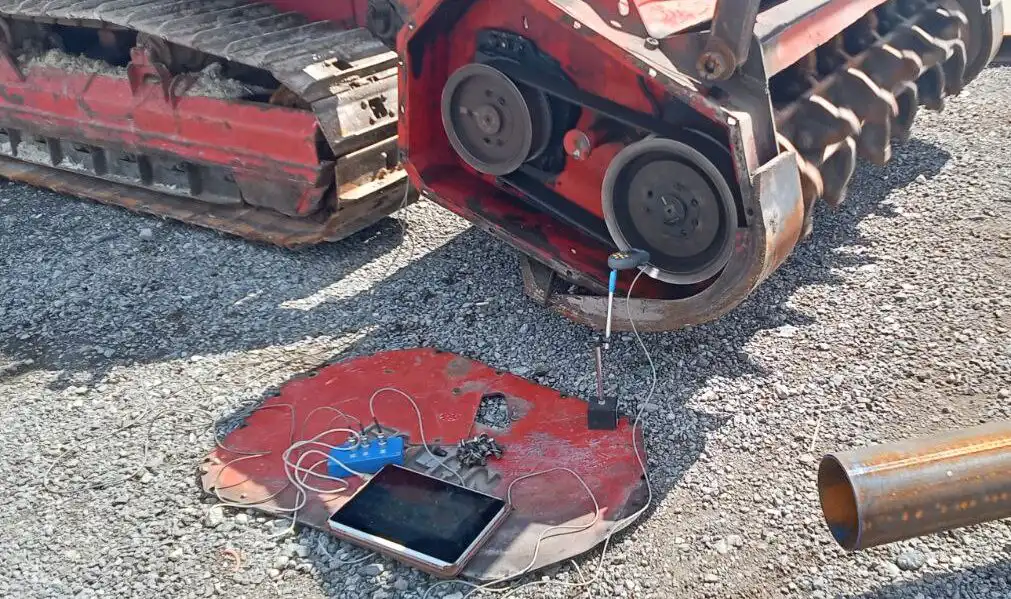
Rotary mowers या श्रेणीत गवत कापण्यासाठी किंवा वनस्पतींचे अवशेष चिरण्यासाठी वापरल्या जाणाऱ्या त्या कृषी यंत्रांचा समावेश होतो ज्यात cutting tools फिरतात. यात गवतासाठी drum आणि disc mowers, rotary mulchers, तसेच mounted किंवा towed unitsवरील chopper mowers यांचा समावेश होतो. ज्या कोणत्याही mowerमध्ये knivesसह वेगाने फिरणारा drum किंवा shaft असतो, ती imbalance समस्यांना प्रवण असते. उदाहरणार्थ, मोठा shaft आणि pivotवर लटकवलेल्या अनेक knives असलेला grass chopper किंवा mulcher, combineच्या straw chopperसारखा. Knives बदलताना किंवा परकीय वस्तूंना धडकताना हा rotor सहज संतुलन गमावतो. परिणामी mower vibrate होऊ लागते, जे tractor power take-off आणि aggregateच्या frameसाठी धोकादायक ठरते; housingमध्ये भेगा पडतात आणि support bearings निकामी होतात. Mower rotorचे balancing हे combineइतकेच महत्त्वाचे आहे. विशेष म्हणजे, लांब mower shaftचे “डोळ्याने” static balancing करण्याचे प्रयत्न बहुतेकदा अपयशी ठरतात; dynamic balancing आवश्यक असते. Mulchers आणि mowersची नियमित तपासणी व balancing केल्यास knife breakage टाळता येते, vibration कमी होते, tractorचे काम अधिक smooth होते आणि संपूर्ण unitचे service life वाढते.
इतर युनिट्स
Other rotating units where balancing improves performance include, for example, fans and centrifuges in equipment. A combine has a grain cleaning fan rotating at high speeds – dust adhesion or bent blades cause imbalance, reducing cleaning efficiency and destroying fan bearings. Additionally, chaff and straw spreaders (disc or blade, installed behind the chopper) should be balanced – usually, it is a pair of discs with blades, their imbalance causes vibration of the combine body. In grain processing equipment – augers, crusher drums, centrifuge rotors – balancing is also mandatory, although they go beyond the scope of the considered topic. The main principle: any massive part rotating at high speed should be balanced. This applies to both new parts (factory balancing) and especially units after repair or long operation. Ignoring the balancing of such a unit sooner or later leads to the problems described above.
4. Methods of Rotor Balancing
रोटर बॅलन्सिंगसाठी अनेक पध्दती आहेत, अंमलबजावणी परिस्थिती, अचूकता आणि आवश्यक उपकरणे यामध्ये भिन्न आहेत.
Factory Balancing
Almost all manufacturers of combines and mowers balance key rotary units at the factory. Specialized balancing machines are used, where the drum or rotor is installed, and with the help of sensitive sensors and test weights, the imbalance is determined. Then balancing weights are added to the rotor (e.g., plates are screwed on, washers are welded, or small holes are drilled in heavy areas for lightening). Factory balancing ensures that new parts meet strict vibration tolerances. साधक: high accuracy, use of stationary equipment, and quality control. बाधक: imbalance can occur again during operation (e.g., due to wear or repair), and in the field, there is no possibility of a factory machine.
Static Balancing (on-site without equipment)
ही सर्वात सोपी पद्धत आहे, जी शेतकरी अनेकदा “जुन्या पद्धतीने” वापरतात. Rotor काढून prismsवर ठेवला जातो किंवा अक्षावर टांगला जातो, ज्यामुळे तो गुरुत्वाकर्षणाखाली मोकळेपणाने फिरू शकतो. जड बाजू खाली वळते, त्यानंतर विरुद्ध बाजूला वजन वाढवले जाते किंवा शक्य असल्यास जड बाजूकडून वजन काढले जाते. Rotor कोणत्याही स्थितीत स्वतःहून वळल्याशिवाय स्थिर राहेपर्यंत ही प्रक्रिया पुन्हा केली जाते; हे center of gravity rotationच्या अक्षाशी जुळल्याचे चिन्ह आहे.
Static balancing can balance discs or short drums where the imbalance is essentially concentrated in one plane. Pros of the method: simplicity, no need for expensive devices – a makeshift stand is enough. बाधक: it does not eliminate dynamic (moment) imbalance. For long rotors (length much greater than diameter), static balancing is insufficient. For example, a rotary mower shaft may have two heavy sections on opposite ends; statically, they mutually compensate, and the rotor seems balanced on prisms, but at working speed, strong vibration will occur. Thus, static balancing can be applied only to relatively small and narrow parts (pulleys, flywheels), and for long rotors of agricultural machines, it is ineffective.
Dynamic Balancing on a Machine
या पद्धतीमध्ये विशेष कार्यशाळा किंवा सेवा केंद्रांमध्ये रोटर संतुलित करणे समाविष्ट आहे जेथे बॅलेंसिंग मशीन आहे. सुधार समतल (at the ends of the rotor) – this eliminates both static and dynamic (moment) imbalance.
A trial weight method is often used: first, a known weight is attached in test positions, vibration change is measured, and based on these changes, the program calculates the required corrective masses. Then weights are fixed on the rotor (e.g., with bolts or welding) in specified places and vibration is rechecked. लाभ: डायनॅमिक बॅलन्सिंगची उच्च अचूकता - किमान अवशिष्ट कंपन मानकांनुसार (GOST, ISO, इ.) मिळवता येतात. तोटे: रोटर पूर्णपणे वेगळे करणे आणि कार्यशाळेत वितरित करणे आवश्यक आहे, जे नेहमीच शक्य नसते.
In-situ Balancing
This is a modern and very convenient approach, known as इन-साइटु संतुलन, where the rotor is balanced directly on the machine without complete disassembly. It is implemented using portable dynamic balancing devices. Such devices (e.g., Balanset-1A, detailed in the next section) include vibration sensors and a tachometer, जे rotorच्या bearing housingला जोडलेले असतात, आणि vibration analysisसाठी संगणकाशी जोडलेले एक electronic unit.
ही प्रक्रिया machineवरील balancingसारखीच आहे: rotorला machineच्या standard driveने फिरवले जाते, उदाहरणार्थ combine engine किंवा mower असल्यास tractor PTO. Device vibrationचे amplitude आणि phase मोजते; नंतर trial weights वापरून imbalance मोजला जातो आणि corrective weights कुठे बसवायचे ते दर्शवले जाते. “On-site” balancingमुळे प्रत्यक्ष assembly conditionsमध्ये असलेले imbalance अचूकपणे दूर करता येते, कारण coupling joints, knives, bolts आणि balanceवर परिणाम करणारे इतर सर्व घटक यात विचारात घेतले जातात. Pros of the method: minimal disassembly, time-saving – often the balancing device allows balancing, for example, a straw chopper in an hour or two right on the farm, whereas taking it to the factory would take days. Large rotors, which are difficult to disassemble and transport, can be balanced. The method is accessible – it is enough to have the device itself or invite a specialist with it. बाधक: सावधगिरी आणि सुरक्षितता खबरदारी आवश्यक आहे (साइटवर रोटर संतुलित आहेत, कामाच्या क्षेत्राला कुंपण घालणे आवश्यक आहे).
Comparison of Methods
To summarize, static balancing is suitable only for the simplest cases with narrow rotors and does not solve the vibration problem of even moderately wide rotors. Dynamic balancing is the only reliable way to eliminate all types of imbalance on high-speed rotors. Balancing in service workshop conditions ensures high accuracy but is associated with downtime and logistics. Portable on-site balancing allows quickly returning equipment to operation and is sufficiently accurate for most tasks. The best approach for a farm is regular preventive balancing: inspect and balance rotors before vibration leads to a breakdown. For example, after replacing knives on a chopper or drum repairs, it is worth dynamically balancing it immediately, without waiting for strong runout to appear. Next, we will look in more detail at the on-site balancing technology using the modern Balanset-1A device.
5. Balancing using the Balanset-1A Device
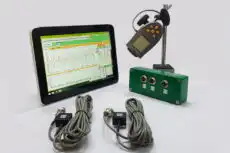
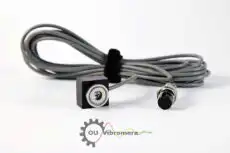
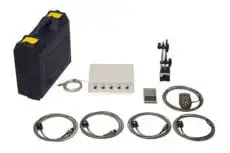
Balanset-1A is a portable vibrometer-balancer specifically designed for dynamic balancing of rotors directly at their place of operation. The device allows balancing in one plane (static) as well as in two planes (full dynamic) for a wide range of equipment types. It consists of a set of sensors and an electronic module connected to a laptop: the kit includes two vibration sensors (accelerometers) for measuring rotor vibration, an optical tachometer sensor for reading rotations and angular position, an interface block (कंपन विश्लेषक), and software. The entire kit weighs a few kilograms and is housed in a small case, making it easy to transport directly from farm to farm. Even an engineer without deep knowledge of vibration diagnostics can use the Balanset-1A: the device and software automate the measurement and calculation process, providing clear prompts to the user. The main philosophy of such a device is that rotor balancing should be achievable on-site by farm personnel without lengthy training and excessive costs.
The balancing process using the Balanset-1A is as follows. First, the rotor is prepared: safety is paramount – the rotor is cleaned of dirt and straw, and it is checked that all knives or hammers are intact and rotate freely (especially in a straw chopper, where a stuck knife can periodically cause imbalance), and any foreign attachments are removed (for example, spreaders if they interfere). Then, vibration sensors are installed on the housing near the rotor supports – usually perpendicular to the axis of rotation, at each end of the housing where the bearings are located. A small reflective mark is attached to the rotor (e.g., on the pulley), and an optical sensor (tachometer) is placed opposite it on a magnetic stand. All sensors are connected to the Balanset-1A block, which is then connected to a laptop with the balancing program. The operator then sets the parameters in the program: the balancing mode is selected (usually two-plane for long rotors), and the characteristics of the trial weight (its mass and installation radius) are entered. Now the rotor can be started – either by starting the combine engine at the required thresher speed, or by engaging the tractor PTO for the mower, or using an electric motor if the rotor is removed and mounted on stationary supports. During the first run, the device measures the initial vibration level: amplitude (in mm/s) and phase of imbalance at each sensor. These values are saved as baseline.
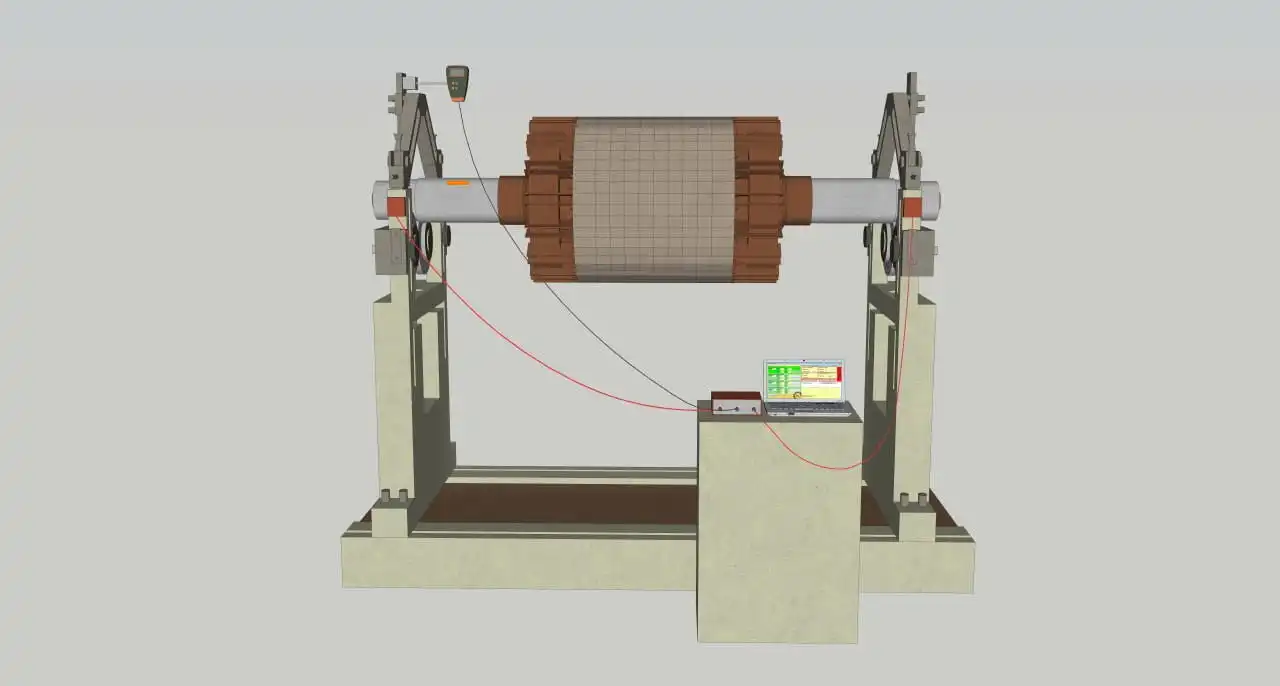
पुढील टप्पा चाचणी वजनाची स्थापना आहे.
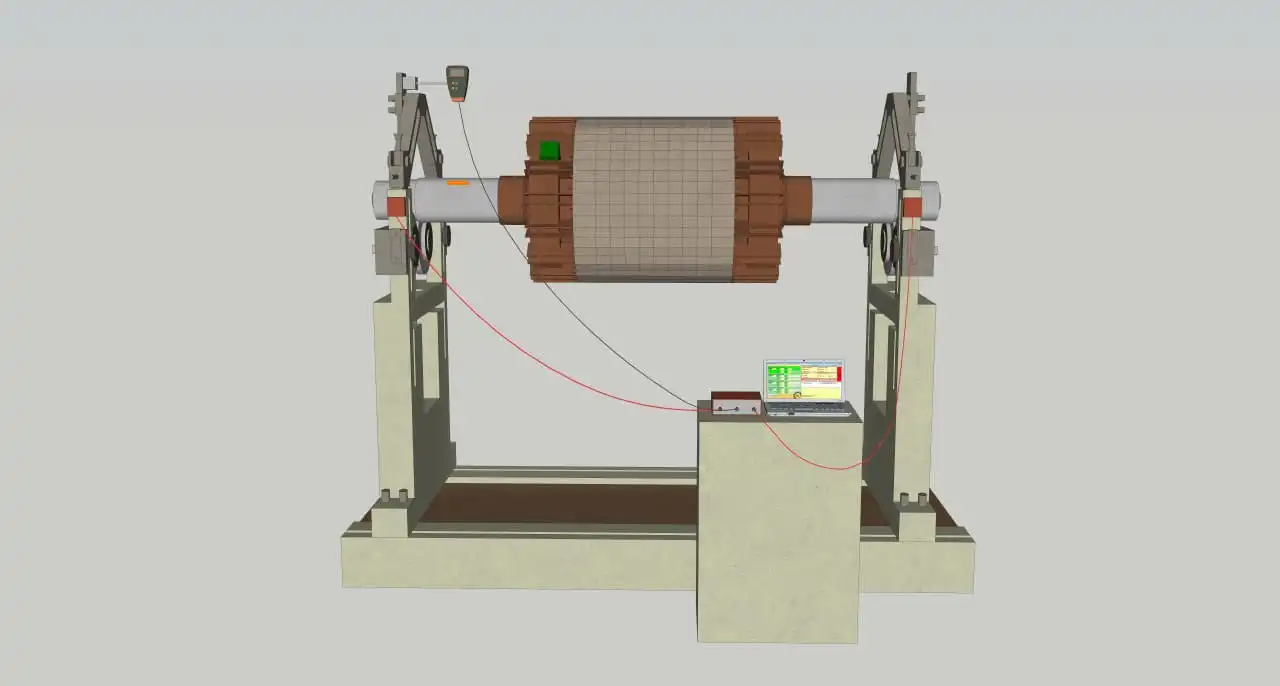
Then the trial weight is removed and repositioned in the second plane – at the other end of the rotor – and the run with measurement is repeated.
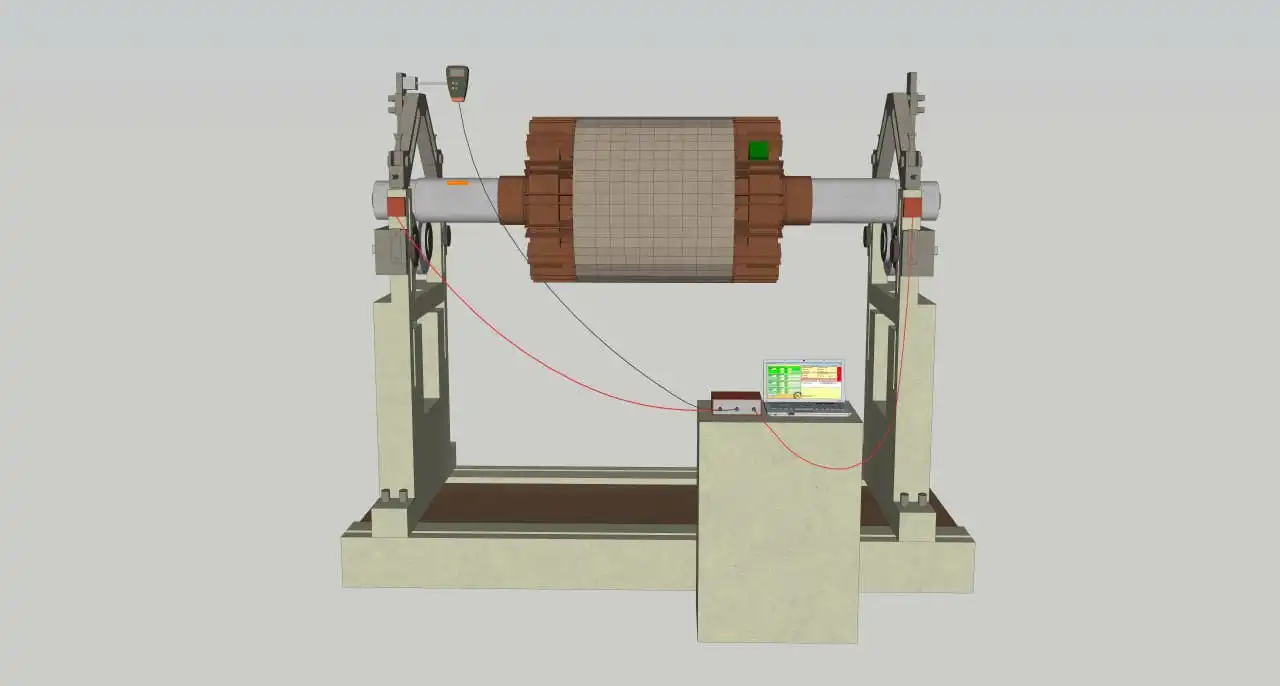
परिणामी, प्रोग्रामला प्रत्येक विमानातील असंतुलनावर ज्ञात वजनाच्या प्रभावावर डेटा प्राप्त होतो.
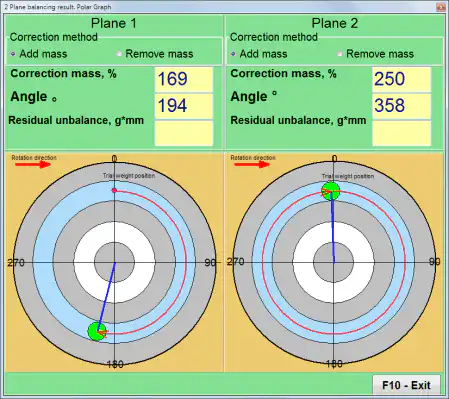
Fig. 7.37. Results of calculation of corrective weights – free position.
Polar diagram
For example, it may be calculated that 169 grams should be added to the left end of the rotor at an angle of 194°, and 250 grams to the right end at an angle of 358° from the trial weight installation point.
Next, corrective weights are installed: the device suggests where exactly to attach the weights. Typically, metal plates/washers of the required weight are screwed or welded on. If the rotor has special bolts or perforated flanges at the edges, the weight is attached to them (many combines originally have holes on the drum ends for balancing). In field conditions, a set of steel washers of different diameters is often used as convenient weights that can be screwed onto the knife mounting bolts or other rotor elements.
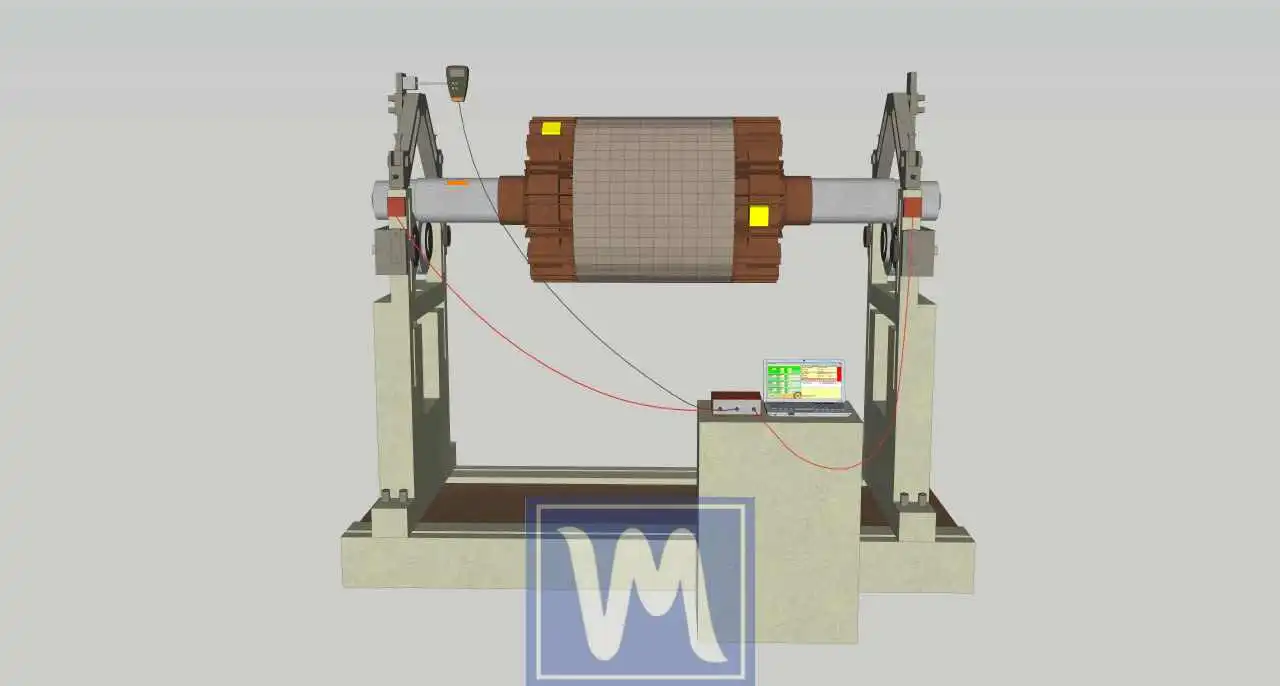
After installing the calculated weights, a test run is conducted: the rotor is spun again to operating speed, and vibration readings are taken. If the balancing is done correctly, the vibration level drops sharply and falls within acceptable limits (usually, the vibration speed decreases to a few mm/s). The device may show, for example, that the residual vibration is 1–2 mm/s – an excellent result for agricultural machinery. To check whether the remaining अवशिष्ट असंतुलन meets a target balance grade, you can use a अवशिष्ट असंतुलन कॅल्क्युलेटर (ISO 21940-11). If the vibration still exceeds the allowable limit, the program may recommend adding additional small weights – they are added and checked again until a satisfactory result is achieved.
For severely unbalanced rotors, multi-step balancing is sometimes used: first, balance at a reduced speed, then repeat the procedure at a higher speed, and so on until reaching operating speed. This is necessary if it is dangerous to spin the rotor immediately at high imbalance – step by step, the main vibration is removed, and then it is brought to an ideal state at full rotation speed.
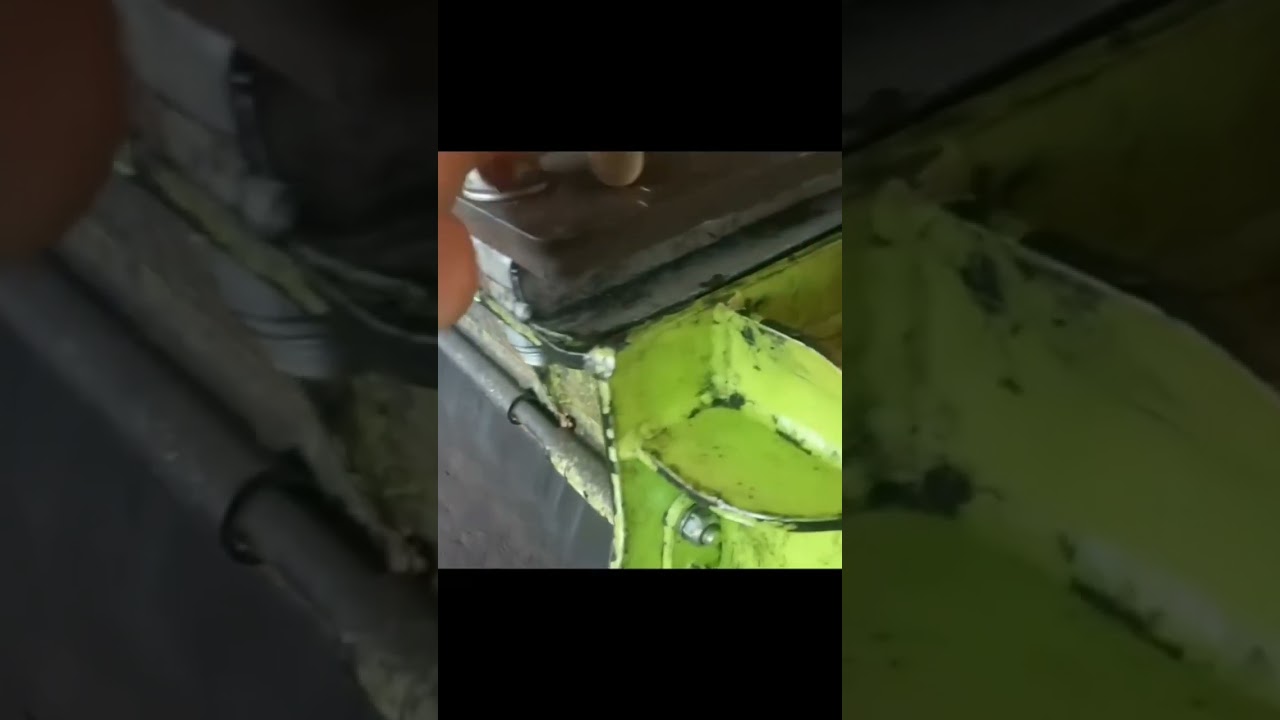
प्रत्यक्षात Balanset-1A चा वापर अनेक शेतांना जटिल vibration समस्यांवर मात करण्यात आधीच मदत करून गेला आहे. उदाहरणार्थ, rotary chopperचे मालक अनेकदा rotorला prismsवर ठेवून homemade पद्धतीने static balancing करण्याचा प्रयत्न करत, पण vibration कायम राहत असे. Portable deviceच्या मदतीने vibration पूर्णपणे दूर करणे शक्य झाले: corrective weights बसवल्यानंतर mulcherचे operation smooth झाले, आणि tractor driverला दीर्घकाळ काम करताना अडथळा आणणारा hum व shaking नाहीसे झाले. Combinesमध्येही अशीच परिस्थिती दिसते: straw chopperमध्ये knives बदलल्यानंतर imbalance निर्माण झाला तर शेतकऱ्याला संपूर्ण chopper उतरवण्याची गरज नसते; तो काही तासांत थेट combineवर balancing करू शकतो. याचे एक प्रत्यक्ष उदाहरण म्हणजे Claas combineवरील chopper balancing: हंगामानंतर एक hammer हरवला आणि rotor जोरात vibrate होऊ लागला. Deviceने सुमारे 15-17 mm/s vibration speed दाखवली, जी frameवर स्पष्ट जाणवत होती. Rotorच्या विरुद्ध टोकांवर एकूण सुमारे 90 ग्रॅम वस्तुमानाच्या दोन washer sets बसवल्यानंतर vibration 2 mm/s पेक्षा कमी झाली. त्यामुळे chopperच्या bearingsना हानी पोहोचण्याचा धोका न घेता combineचे operation सुरू राहिले. खालील आकृतीमध्ये अशा प्रक्रियेनंतर straw chopper rotorवर बसवलेल्या balancing washersना हिरव्या रंगाने दर्शवले आहे. त्या rotorच्या आधीच्या “जड” बिंदूच्या विरुद्ध टोकांना screw केल्या आहेत. यामुळे rotorचे rotation समसमान झाले.
Advantages of Balancing with the Balanset-1A
- Speed and mobility: The device can be brought directly to the field or hangar, eliminating the need to transport heavy units to the workshop. Even a large drum can be balanced in its own bearings on the combine. During the harvest season, this is especially valuable – minimizing equipment downtime.
- Accuracy and completeness of balancing: Two-plane analysisमुळे dynamic imbalance दूर केला जातो, जो “डोळ्याने” साध्य करता येत नाही. परिणाम factory standardsशी तुलनीय असतात: vibration अशा पातळीवर कमी होते की componentsवरील हानिकारक परिणाम नाहीसे होतात. Device loadचे अचूक स्थान आणि वजन दर्शवते, त्यामुळे अंदाजपंचेची गरज राहत नाही.
- कर्मचाऱ्यांसाठी प्रवेशयोग्यता: Modern devices do not require deep specialized training. The Balanset-1A software interface is intuitive, and calculations are automated. A farm specialist, after brief training, can perform balancing independently, without involving external organizations.
- बहुउपयोगिता: The same Balanset-1A kit is suitable for numerous tasks: from balancing a straw chopper and a combine fan to a wood chipper rotor or an electric motor. It is a profitable acquisition for a large agricultural enterprise with diverse equipment.
6. Economic Benefits of Balancing
नियमित रोटर बॅलन्सिंग ही एक गुंतवणूक आहे जी खर्च कमी करून आणि कार्यक्षमता वाढवून कमी वेळेत फेडते.
- Reduction in repair and maintenance costs. नमूद केल्याप्रमाणे, असंतुलन लक्षणीयरीत्या बेअरिंग्ज आणि इतर भागांचे आयुष्य कमी करते.
- Minimization of downtime and preservation of the harvest. A combine breakdown at the height of the harvest can lead to crop losses, missed opportunities due to delayed harvesting, and costs for urgent repairs. An unbalanced rotor is a hidden danger that can strike at the most inopportune moment (e.g., a thresher bearing fails, and the combine stops). By timely servicing and balancing rotor units, farmers avoid emergency downtimes. Equipment operates reliably during the most critical periods. Even if using a mobile balancing service (which costs a certain amount), it is incomparably cheaper than keeping a backup combine or losing part of the harvest due to a breakdown.
- Increased work efficiency and fuel savings. Balanced mechanisms operate more smoothly and with less load. This means that engine energy is maximally used for useful work – threshing, cutting, shredding – rather than damping vibrations and noise. Across the farm, this has a noticeable effect: reduced specific fuel and energy consumption per ton of processed grain or feed. Exact figures are hard to achieve without measurements, but in our field experience even a fuel saving of a few percent for large combines and tractors adds up over a season, saving money. Additionally, the operator can work at full optimal speed without fear of damaging the machine, completing the work faster. Indirectly, balancing also affects work quality: a smoothly operating combine threshes and cleans grain better, damages fewer grains, and loses less, which is also economically beneficial (more marketable yield).
- Extension of equipment lifespan. Vibration हा machineryचा क्रमांक एक शत्रू आहे, जो हळूहळू मशीनला “मारक ठरत” जातो. जास्त vibration नसलेला combine किंवा mower त्याच्या standard service lifeपेक्षा जास्त काळ टिकतो, त्यामुळे fleet updateवरील मोठा खर्च पुढे ढकलता येतो. नवीन combine खरेदी करणे ही मोठी capital investment असते, त्यामुळे आधीच विकत घेतलेल्या यंत्राचा जास्तीत जास्त उपयोग करणे तर्कसंगत आहे. Balancing हे तुलनेने कमी खर्चिक काम आहे, पण ते rotorsचे आणि त्यामुळे संपूर्ण equipmentचे आयुष्य लक्षणीयरीत्या वाढवते. योग्य देखभाल केल्यास जुनी यंत्रेसुद्धा कार्यक्षमता टिकवून यशस्वीपणे वापरता येतात.
- Benefit from owning balancing equipment. मोठ्या कृषी होल्डिंग्स आणि सेवा उपक्रमांसाठी, Balanset-1A सारखे स्वतःचे पोर्टेबल बॅलन्सर घेणे आर्थिकदृष्ट्या व्यवहार्य आहे.
In simple terms, balancing eliminates hidden money losses. The funds invested in it return through: reduced repair costs, absence of forced downtime, more efficient operation, and equipment longevity. This is especially important in conditions where the profitability of agribusiness depends on a clear schedule of fieldwork and cost optimization.
7. निष्कर्ष
Balancing the rotors of combines and mowers is a prerequisite for the reliable and safe operation of agricultural machinery. Throughout the article, we have seen that imbalance, whether static or dynamic, leads to serious negative consequences: from severe wear of bearings and parts to accidents and reduced yield. Regular balancing of key units (threshing drums, straw choppers, mower rotors, etc.) helps avoid these problems. There are different methods – from simple static balancing to high-precision dynamic balancing. The best results are achieved with dynamic balancing, and modern equipment like the Balanset-1A makes it accessible right in the field, without long downtimes. The conclusion is simple: by saving time on balancing, we then lose much more on repairs and downtimes.
Therefore, it is recommended to include balance checks in the regular maintenance schedule of equipment. For example, before the harvest season, check the balance of the drum and chopper; when preparing the mower for haymaking, ensure there are no rotor vibrations, etc. If signs of imbalance are noticed (vibration, noise, uneven knife wear, frequent bearing failures), do not delay – conduct कंपन निदान आणि संतुलन. Balanset-1A प्रारंभ करण्यासाठी हे एक व्यावहारिक ठिकाण आहे - त्याच्या वैशिष्ट्यांचे पुनरावलोकन करा आणि ते तुमच्या ताफ्याला बसते की नाही ते ठरवा.