Forstå fase i vibrasjonsanalyse


Fase beskriver tidsforholdet mellom to signaler eller, mer nyttig i forbindelse med roterende maskiner, tidspunktet for et vibrasjon signal i forhold til et fast referansemerke på den roterende akselen. Den besvarer spørsmålet om hvor i rotasjonen vibrasjonen skjer, og den måles normalt i grader fra 0° til 360°, en hel omdreining av akselen. Hvis amplitude forteller deg hvor mye en maskin vibrerer og frekvens forteller deg hvor raskt, fase forteller deg hvordan den beveger seg - og det er nettopp det som skiller feil som deler samme frekvens.
Det siste punktet er kjernen i hvorfor fase er viktig. Ubalanse, feiljustering, a bøyd aksel og løshet kan alle heve 1× kjørehastighet toppen; fase er ofte den eneste måten å skille dem fra hverandre uten å demontere maskinen.
1. Hvordan fase måles
Det trengs to signaler for å lese av fase:
- Et vibrasjonssignal - den primære målingen fra en akselerometer eller nærhetssonde og følger med på maskinens bevegelse.
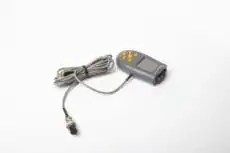
- Et referansesignal - en tidspuls én gang per omdreining fra en turteller, rettet mot en stripe av reflekterende tape eller et nøkkelhull, slik at den avgir en ren puls hver gang merket passerer sensoren. Funksjonelt sett er dette den samme rollen som en permanent installert Keyphasor.
vibrasjonsanalysator måler deretter tidsforsinkelsen mellom referansepulsen og den første positive toppen av vibrasjonssignalet ved en valgt frekvens - vanligvis 1× kjørehastigheten - og konverterer denne forsinkelsen til en vinkel. En avlesning på 90° betyr for eksempel at vibrasjonstoppen kommer en fjerdedel av en omdreining etter at referansemerket har passert turtelleren. Fordi resultatet er knyttet til en spesifikk frekvens, oppgis fase oftest sammen med 1×-komponenten; den samme ideen, generalisert over hele spekteret, er det som gjør fasevinkel en byggestein i diagrammer som f.eks. Bode og Nyquist diagrammer.
2. Fasens diagnostiske kraft
Fase er langt mer enn et tall. Ved å sammenligne avlesninger som er tatt på forskjellige steder på en maskin, i samme måleretning, kan en analytiker bekrefte eller avkrefte spesifikke diagnoser med stor sikkerhet. Det gjennomgående temaet er sammenligningen av to steder: Hvis de beveger seg sammen peker bildet én vei; hvis de beveger seg i motfase peker det mot et annet. Underavsnittene nedenfor dekker de klassiske mønstrene.
Bekrefter ubalanse
Ren ubalanse gir lignende faseavlesninger - vanligvis innenfor ±30° - når den måles i samme radiale retning (f.eks. horisontalt) ved begge lagrene på en rotor. Hele rotoren trekkes i én retning i ett og samme øyeblikk av det tunge punktet, slik at de to endene marsjerer i takt. Sammenligning av horisontale og vertikale målinger ved ett lager gir en annen ledetråd: ekte ubalanse har en tendens til å vise en forskjell på omtrent 90° mellom dem.
Diagnostisering av feiljustering
Fase er en av de mest definitive måtene å bekrefte skaftet på feiljustering. Ta aksiale fasemålinger på hver side av en kobling: en faseforskyvning på 180° (±30°) på tvers av den er et typisk tegn på vinkelforskyvning, og viser at når den ene akselen beveger seg aksialt ut, beveger den andre seg inn - en svingende vippebevegelse ved koblingen.
Skille ubalanse fra en bøyd aksel
Både ubalanse og a bøyd aksel gir 1× vibrasjon, men fasen skiller dem fra hverandre. Aksiale fasemålinger i de to endene av samme motor- eller pumpeaksel som avviker med ca. 180°, indikerer en bøyning: Endene beveger seg i motsatt aksial retning når bøyningen roterer.
Identifisere løshet eller sprekker i fundamentet
Når fasemålingene er uregelmessige, ustabile eller ikke kan gjentas, mekanisk løshet er den vanlige mistenkte. En markant faseendring når sonden flyttes fra en maskinfot til bunnplaten, eller fra bunnplaten til fundamentet, tyder på en løs ankerbolt eller et sprukket fundament - og antyder utilstrekkelige fundamentets stivhet.
Bekrefter resonans
Når en maskin kjører opp eller kjører gjennom en kritisk hastighet, gjør 1×-fasen en karakteristisk 90° forskyvning nøyaktig ved resonans topp og et skift på hele 180° over hele resonansområdet. Å følge med på denne svingningen — lett fanget opp under en friløp - er en definitiv måte å bekrefte at det dreier seg om resonans og ikke et forceringsproblem.
3. En hurtigreferanse for fasemønstre
| Observasjon | Sannsynlig diagnose |
|---|---|
| Begge lagrene i fase, samme radielle retning | Ubalanse |
| ≈180° på tvers av koblingen, aksial | Vinkelfeiljustering |
| ≈180° på tvers av de to endene av en aksel, aksial | Bøyd / krum aksel |
| Uregelmessig, ikke-repeterbar fase | Mekanisk løshet |
| 90 graders forskyvning på toppen, 180 grader gjennom området | Resonans / kritisk hastighet |
Disse reglene er veiledende, ikke garantier: bekreft med amplitude, spektrumform og harmonisk innhold før du forplikter deg til en reparasjon.
4. Fase som nøkkelen til balanse
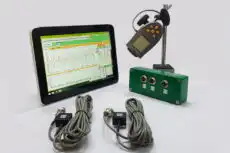
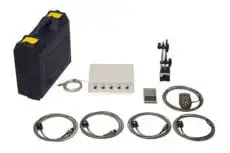
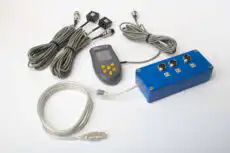
Fase er uunnværlig for Rotorbalansering. Den 1× faseavlesningen peker direkte på vinkelplasseringen til den tunge flekken i forhold til referansemerket, og forteller teknikeren nøyaktig hvor han skal legge til eller fjerne en korreksjonsvekt. I praksis registrerer analysatoren amplitude og fase før en prøvevekt er tilpasset, igjen etterpå, og bruker endringen til å beregne påvirkningskoeffisienter som gir den endelige korreksjonen. Et bærbart tokanalsinstrument som f.eks. Balanset-1A utfører denne amplitude- og fasemålingen i maskinens egne lagre ved driftshastighet, og verifiserer deretter gjenværende ubalanse når vektene er på plass. For å regne ut vinkelfordelingen når en korreksjon må deles mellom vektene, vår Vibrasjonsfasevinkelkalkulator håndterer vektorgeometrien.
5. Hvorfor fase kompletterer bildet
Uten fase ser en vibrasjonsanalytiker bare en del av historien - størrelser og frekvenser, men ingen følelse av hvordan strukturen faktisk deformeres gjennom hver sving. Fase gir den manglende konteksten, konverterer en liste over topper til en klar beskrivelse av bevegelsen og øker diagnostisk selvtillit dramatisk. Det er forskjellen mellom å vite at en maskin vibrerer og å vite hvorfor den gjør det. Derfor hører fase hjemme i enhver seriøs diagnose og er det ufravikelige grunnlaget for felt balansering.

