ทำความเข้าใจเฟสในการวิเคราะห์การสั่นสะเทือน

เฟส อธิบายความสัมพันธ์ด้านเวลาระหว่างสัญญาณสองตัว หรือที่มีประโยชน์กว่าในงานเครื่องจักรหมุน คือจังหวะเวลาของสัญญาณ การสั่นสะเทือน เมื่อเทียบกับเครื่องหมายอ้างอิงคงที่บนเพลาหมุน มันตอบคำถามว่า โดยที่ ที่รอบการหมุนที่การสั่นสะเทือนเกิดขึ้น และโดยปกติจะวัดเป็นองศาตั้งแต่ 0° ถึง 360° ซึ่งเท่ากับหนึ่งรอบการหมุนของเพลา หาก แอมพลิจูด บอกคุณว่า เท่าไร เครื่องจักรกำลังสั่นอย่างไรและ ความถี่ บอกคุณว่า เร็วแค่ไหน, เฟสบอกคุณว่า มันกำลังเคลื่อนที่อย่างไร — และนี่เองคือสิ่งที่แยกความขัดข้องที่มีความถี่เดียวกันออกจากกัน
ประเด็นสุดท้ายนี้คือหัวใจว่าทำไมเฟสจึงสำคัญ ความไม่สมดุล, การจัดตำแหน่งที่ไม่ถูกต้อง, เพลาโค้ง และ ความหลวม ล้วนทำให้ยอด 1× ของ ความเร็วรอบการทำงาน สูงขึ้นได้; เฟสมักเป็นวิธีเดียวที่แยกมันออกจากกันได้โดยไม่ต้องถอดเครื่อง
1. การวัดเฟสทำอย่างไร
ต้องใช้สัญญาณสองตัวในการอ่านค่าเฟส:
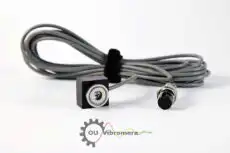
- สัญญาณการสั่นสะเทือน — การวัดหลักจาก มาตรความเร่ง หรือ โพรบวัดระยะใกล้ ที่เฝ้าดูการเคลื่อนที่ของเครื่องจักร
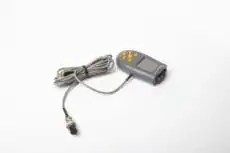
- สัญญาณอ้างอิง — พัลส์จับเวลาหนึ่งครั้งต่อรอบจาก เครื่องวัดความเร็วรอบ, เล็งไปที่แถบของ เทปสะท้อนแสง หรือร่องลิ่ม เพื่อให้ยิงพัลส์ที่สะอาดทุกครั้งเมื่อเครื่องหมายผ่านเซนเซอร์ ในเชิงหน้าที่นี่คือบทบาทเดียวกับ คีย์เฟเซอร์.
เครื่องวิเคราะห์การสั่นสะเทือน จากนั้นจะวัดเวลาหน่วงระหว่างพัลส์อ้างอิงกับจุดพีคบวกแรกของสัญญาณการสั่นสะเทือนที่ความถี่ที่เลือก — โดยทั่วไปคือความเร็วรอบ 1× — แล้วแปลงเวลาหน่วงนั้นให้เป็นมุม ตัวอย่างเช่น ค่าที่อ่านได้ 90° หมายความว่าจุดพีคของการสั่นสะเทือนมาถึงหลังจากเครื่องหมายอ้างอิงผ่านทาโคมิเตอร์ไปแล้วหนึ่งในสี่ของรอบการหมุน เนื่องจากผลลัพธ์ผูกอยู่กับความถี่เฉพาะ เฟสจึงมักถูกระบุคู่กับองค์ประกอบ 1× เสมอ แนวคิดเดียวกันนี้เมื่อขยายไปทั่วทั้งสเปกตรัม คือสิ่งที่ทำให้ มุมเฟส ซึ่งเป็นองค์ประกอบพื้นฐานของกราฟอย่าง โบเด และ นีควิสต์ แผนภาพ
2. พลังการวินิจฉัยของเฟส
เฟสไม่ใช่แค่ตัวเลข เมื่อเปรียบเทียบค่าที่อ่านได้จากจุดต่าง ๆ บนเครื่องเดียวกัน ในทิศทางการวัดเดียวกัน นักวิเคราะห์สามารถยืนยันหรือตัดความเป็นไปได้ของการวินิจฉัยเฉพาะได้อย่างมั่นใจสูง ธีมที่เกิดซ้ำคือการเปรียบเทียบสองตำแหน่ง: หากมันเคลื่อนที่ พร้อมกัน ภาพจะชี้ไปทางหนึ่ง; หากมันเคลื่อนที่ใน ตรงข้ามกัน ก็จะชี้ไปอีกทาง ส่วนย่อยด้านล่างครอบคลุมรูปแบบคลาสสิก
การยืนยันความไม่สมดุล
ความไม่สมดุลล้วน (pure unbalance) ให้ค่าเฟสที่ใกล้เคียงกัน — โดยทั่วไปอยู่ภายในประมาณ ±30° — เมื่อวัดในทิศทางรัศมีเดียวกัน (เช่น แนวนอน) ที่ตลับลูกปืนทั้งสองข้างของโรเตอร์ ทั้งโรเตอร์ถูกดึงไปในทิศทางเดียวกันในขณะเดียวกันโดยจุดหนัก ทำให้ปลายทั้งสองข้างเคลื่อนไหวสอดคล้องกัน การเปรียบเทียบค่าที่อ่านได้ในแนวนอนกับแนวตั้งที่ตลับลูกปืนจุดเดียวกันให้เบาะแสเพิ่มเติม: ความไม่สมดุลที่แท้จริงมักแสดงความแตกต่างประมาณ 90° ระหว่างทั้งสองแนว
การวินิจฉัยการเรียงตัวผิดปกติ
เฟสเป็นหนึ่งในวิธีที่ชัดเจนที่สุดในการยืนยัน การจัดตำแหน่งที่ไม่ถูกต้อง ของเพลา วัดเฟสแนวแกนทั้งสองด้านของ ข้อต่อ: การเลื่อนเฟส 180° (±30°) ที่จุดนั้นคือลักษณะเฉพาะตามตำราของการเยื้องศูนย์เชิงมุม (angular misalignment) ซึ่งแสดงให้เห็นว่าขณะที่เพลาข้างหนึ่งเคลื่อนออกตามแนวแกน อีกข้างหนึ่งเคลื่อนเข้า — เป็นการเคลื่อนไหวแบบโยกไกวคล้ายไม้กระดกที่จุดต่อคัปปลิ้ง
การแยกความไม่สมดุลออกจากเพลาคด
ทั้งความไม่สมดุลและ เพลาโค้ง ทำให้การสั่นสะเทือนที่ 1× เพิ่มขึ้น แต่เฟสสามารถแยกแยะทั้งสองกรณีนี้ได้ ค่าเฟสตามแนวแกนที่วัดที่ปลายทั้งสองข้างของเพลามอเตอร์หรือปั๊มตัวเดียวกันที่แตกต่างกันประมาณ 180° บ่งชี้ถึงเพลาโก่ง (bow): ปลายทั้งสองข้างเคลื่อนที่ไปในทิศทางตามแนวแกนที่ตรงข้ามกันขณะที่ส่วนโค้งหมุน
การระบุความหลวมหรือฐานรากแตกร้าว
เมื่อการอ่านเฟสผิดปกติ ไม่เสถียร หรือทำซ้ำไม่ได้ โดยทั่วไปผู้ต้องสงสัยคือ ความหลวม ทางกล การเปลี่ยนแปลงเฟสอย่างชัดเจนเมื่อย้ายโพรบจากฐานรองเครื่องไปยังเบสเพลต หรือจากเบสเพลตไปยังฐานราก ชี้ไปที่สลักยึดหลวมหรือฐานรากแตกร้าว — และบอกใบ้ถึง ความแข็งของฐานราก.
การยืนยันเรโซแนนซ์
เมื่อเครื่องจักรเร่งรอบหรือปล่อยไหลผ่าน ความเร็ววิกฤต เฟส 1× เกิดการเลื่อนแบบเฉพาะเจาะจง 90° ที่ตำแหน่งพอดีกับ เรโซแนนซ์ จะเกิดยอด และเฟสจะเปลี่ยนเต็ม 180° ตลอดบริเวณเรโซแนนซ์ การเฝ้าดูการแกว่งนั้น — ซึ่งจับได้ง่ายระหว่าง โคสต์ดาวน์ — เป็นวิธีที่ชัดเจนในการยืนยันว่าเป็นเรโซแนนซ์ ไม่ใช่ปัญหาแรงกระตุ้น
3. คู่มืออ้างอิงอย่างรวดเร็วสำหรับรูปแบบเฟส
| การสังเกต | การวินิจฉัยที่เป็นไปได้ |
|---|---|
| ตลับลูกปืนทั้งสองอยู่ในเฟสเดียวกัน ในทิศทางรัศมีเดียวกัน | ความไม่สมดุล |
| ≈180° ข้ามจุดต่อคัปปลิ้ง ตามแนวแกน | การเยื้องศูนย์เชิงมุม |
| ≈180° ข้ามปลายทั้งสองข้างของเพลาเดียวกัน ตามแนวแกน | เพลาคด / โก่ง |
| เฟสผิดปกติ ทำซ้ำไม่ได้ | ความหลวมทางกล |
| เลื่อน 90° ที่จุดพีค เลื่อน 180° ตลอดช่วงนั้น | เรโซแนนซ์ / ความเร็ววิกฤต |
กฎเหล่านี้เป็นแนวทาง ไม่ใช่การรับประกัน: ควรยืนยันร่วมกับแอมพลิจูด รูปร่างสเปกตรัม และเนื้อหาของ ฮาร์โมนิก ก่อนตัดสินใจซ่อม
4. เฟสในฐานะกุญแจของการถ่วงสมดุล
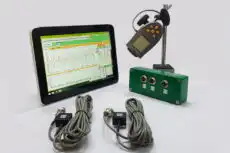
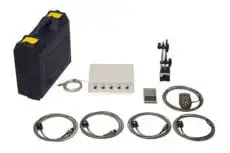
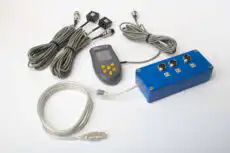
เฟสเป็นสิ่งขาดไม่ได้สำหรับ การปรับสมดุลโรเตอร์. ค่าเฟส 1× ชี้ตรงไปยังตำแหน่งเชิงมุมของจุดหนักเทียบกับเครื่องหมายอ้างอิง บอกช่างอย่างแม่นยำว่าควรเพิ่มหรือลด น้ำหนักแก้ไข ที่ใด ในทางปฏิบัติ เครื่องวิเคราะห์จะบันทึกแอมพลิจูดและเฟสก่อนติดตั้ง น้ำหนักทดลอง แล้ววัดอีกครั้งหลังจากนั้น และใช้การเปลี่ยนแปลงเพื่อคำนวณ ค่าสัมประสิทธิ์อิทธิพล ที่ให้การแก้ไขสุดท้าย เครื่องมือพกพาแบบสองช่องสัญญาณ เช่น Balanset-1A ทำการวัดแอมพลิจูดและเฟสนี้ในตลับลูกปืนจริงของเครื่องที่ความเร็วใช้งาน จากนั้นตรวจสอบ ความไม่สมดุลที่เหลืออยู่ เมื่อติดตั้งน้ำหนักเรียบร้อยแล้ว สำหรับการคำนวณการแยกมุมเมื่อต้องแบ่งการแก้ไขออกเป็นหลายก้อน เครื่องมือของเรา เครื่องคำนวณมุมเฟสการสั่น จัดการเรขาคณิตเวกเตอร์ให้
5. เหตุใดเฟสจึงทำให้ภาพสมบูรณ์
หากไม่มีเฟส นักวิเคราะห์การสั่นสะเทือนจะเห็นเพียงส่วนหนึ่งของเรื่อง — ขนาดและความถี่ แต่ไม่รู้ว่าโครงสร้างเสียรูปจริงอย่างไรในแต่ละรอบ เฟสเติมบริบทที่ขาดหายไปนั้น เปลี่ยนรายการยอดให้กลายเป็นคำอธิบายการเคลื่อนที่ที่ชัดเจน และยกระดับความมั่นใจในการวินิจฉัยอย่างมาก มันคือความต่างระหว่างการรู้ว่าเครื่องจักรสั่นกับการรู้ว่าทำไมมันสั่น ด้วยเหตุนี้ เฟสจึงควรอยู่ในการวินิจฉัยที่จริงจังทุกครั้ง และเป็นรากฐานที่ต่อรองไม่ได้ของการถ่วงสมดุลหน้างาน การถ่วงสมดุล.

