ISO 7919-1: Evaluering av maskinvibrasjoner ved hjelp av målinger på roterende aksler





ISO 7919-1 - “Mekaniske vibrasjoner - Evaluering av maskinvibrasjoner ved målinger på roterende aksler - Del 1: Generelle retningslinjer” - er den viktigste internasjonale standarden for måling og bedømmelse av vibrasjoner på roterende aksel av en maskin. Det er det direkte motstykket til ISO 10816 (nå modernisert som ISO 20816 serien), som omhandler vibrasjoner målt på det ikke-roterende lagerhuset. Der standarden for lagerhuset lytter til strukturen, overvåker ISO 7919 selve akselen ved hjelp av berøringsfrie nærhetsprober for å måle rotorens bevegelse i forhold til lagrene. Denne forskjellen er viktigst på store, kritiske maskiner med væskefilmlagre - turbiner, kompressorer og store pumper - der rotorens sanne dynamiske oppførsel utgjør forskjellen mellom sikker drift og et ødelagt lager.
1. Anvendelsesområde og måleprinsipp
Standarden beskriver generelle prosedyrer for måling og evaluering av vibrasjoner på roterende aksler. Det grunnleggende prinsippet er at den interessante størrelsen er den vibrerende bevegelsen til selve akselen, som normalt måles relativ til det stasjonære lagerhuset. Dette er det kritiske avviket fra målinger av lagerhus som dekkes av ISO 20816. Akselvibrasjon er den foretrukne målingen på maskiner der rotoren er massiv sammenlignet med et relativt fleksibelt hus, og som kjører i væskefilm glidelagre. I slike tilfeller kan det oppstå store akselbevegelser inne i lageravstanden uten at de overføres til utsiden av huset - slik at et akselerometer i huset rett og slett ikke vil fange dem opp. Målet er å vurdere alvorlighetsgraden av denne dynamiske akselbevegelsen og på den måten beskytte maskinen mot lagerskader eller rotor-stator-kontakt.
2. Målingsmengder
Standarden spesifiserer hvilke parametere som skal måles og evalueres. Den primære størrelsen for overordnet vibrasjonsintensitet er Sp-p, den topp-til-topp vibrerende forskyvning av akselen. Dette representerer det totale utslaget av akselens senterlinje når den beveger seg i lageret, og fordi det er uttrykt i mikrometer, kan det sammenlignes direkte med den fysiske lagerklaringen - en unik egenskap som er nyttig for beskyttelse av maskiner.
Standarden verdsetter også andre størrelser for diagnostikk. Den anbefaler at målesystemet skal kunne levere:
- akselbane - banen som akselens senterlinje beskriver, noe som er viktig for å diagnostisere problemer som oljevirvel eller feiljustering.
- Gjennomsnittet av akselens senterlinjeposisjon - en forskyvning som kan indikere en endring i belastning eller innretting.
- Filtrerte verdier - for noen bruksområder vibrasjonen ved 1× driftshastighet evalueres separat for å isolere ubalanse respons.
3. Instrumentering og montering
Denne delen gir praktisk veiledning om maskinvaren. Den spesifiserer et berøringsfritt probesystem som er bygget opp av tre komponenter som er kalibrert sammen og er ikke utskiftbare:
- Sonden (sensoren) - de virvelstrøm følerspiss.
- En skjøteledning av en definert lengde.
- En driver (proximitor) som behandler signalet.
Sonder er montert parvis ved hvert lager, med 90° avstand fra hverandre i en X-Y-konfigurasjon. Dette gjør at systemet kan fange opp hele den todimensjonale bevegelsen til akselsenterlinjen og rekonstruere banen. Standarden understreker at installasjonskvaliteten er avgjørende: stive monteringsbraketter, korrekt sondeavstand og et jevnt “sondespor” på akselen som er fritt for mekanisk eller elektrisk kast som ellers ville ødelagt signalet. Fordi mekanisk og elektrisk runout gir en feil per omdreining som maskerer seg som vibrasjon, blir det normalt brukt slow-roll-kompensasjon ved lav hastighet før dataene er pålitelige.
4. Evalueringskriterier og soner
Standarden tilbyr to komplementære måter å bedømme alvorlighetsgrad på. Den første er en absolutt kriterium: den målte Sp-p sammenlignes med forhåndsdefinerte grenser ved hjelp av en firesonemodell.
- Sone A (Bra): vibrasjonsnivået som forventes av nylig idriftsatte maskiner.
- Sone B (Tilfredsstillende): egnet for ubegrenset langvarig drift.
- Sone C (Utilfredsstillende): et potensielt problem; maskinen bør undersøkes for å finne årsaken.
- Sone D (Uakseptabelt): nivåer som anses som skadelige og krever umiddelbar handling.
Den andre er en endringskriterium: en betydelig økning i vibrasjoner fra en kjent grunnlinje kan være et tidlig varsel om en feil under utvikling, selv når det absolutte nivået fortsatt er innenfor “Satisfactory”-sonen. Del 1 gir bare dette generelle rammeverket - de spesifikke numeriske sonegrensene finnes i de maskinspesifikke delene av ISO 7919-serien, fordi den tillatte forskyvningen for en stor, langsom turbin er svært forskjellig fra den for en liten, høyhastighets kompressor. Som regel skaleres grensene mot det maksimale akselturtallet og, til syvende og sist, mot den tilgjengelige lagerklaringen.
5. Innstilling av alarmer: Varsling og utløsning
I siste del omsettes evalueringskriteriene til et fungerende maskinbeskyttelse system, og anbefaler en todelt alarmstrategi:
- Varsel (alarm) settpunkt: plassert like over maskinens normale, stabile grunnlinje. Hvis den brytes, advares operatøren om at forholdene har endret seg, og at det er grunn til å foreta en undersøkelse.
- Utløsning (nedstengning) settpunkt: en absolutt grense der fortsatt drift sannsynligvis vil forårsake alvorlig skade. Hvis denne grensen overskrides, bør det utløse en automatisk nedstengning for å forhindre katastrofal svikt.
Standarden anbefaler å basere disse settpunktene på både de absolutte sonegrensene - en Trip bør ikke settes over sone C/D-grensen - og ved betydelig endring fra grunnlinjen; et varsel kan utløses hvis vibrasjonen dobles, selv om den forblir i sone B. Denne sammenkoblingen av absolutt og relativ logikk er akkurat det et kontinuerlig beskyttelsessystem trenger for å fange opp både grove avvik og langsom drift.
6. Nøkkelbegreper i praksis
- Vibrasjoner i aksel vs. foringsrør: For maskiner med massive, stive rotorer og fleksible hus er akselbevegelsen en langt mer direkte og pålitelig indikator på den dynamiske tilstanden enn det som når utsiden av huset.
- Beskyttelse av maskiner kommer først: Selv om dataene også brukes til diagnostikk, er ISO 7919-rammeverkets primære rolle å beskytte mot katastrofale feil i sanntid.
- Verdien av relativ bevegelse: Ved å måle akselen mot lageret kan en analytiker måle direkte hvor mye av lagerklaringen som brukes, og finne problemer som oljevirvler eller for stor forspenning.
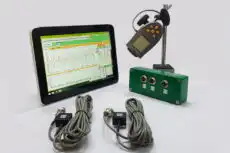
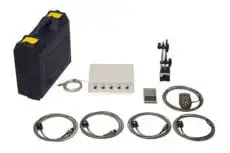
Der denne standarden gjelder for permanent instrumenterte kritiske maskiner, dekker bærbare instrumenter den utfyllende oppgaven med feltdiagnose og korrigering på stedet. En tokanals analysator som f.eks. Balanset-1A måler 1× amplituden og fase i maskinens egne lagre ved driftshastighet, slik at en ingeniør kan bekrefte at en ubalanse som indikeres av en akselvibrasjonstrend, virkelig er en ubalanse - og deretter balansere rotoren og verifisere resultatet uten å forstyrre det installerte proximity-probe-systemet.
7. Standarden og dens familie
ISO 7919-1 er det overordnede dokumentet med “generelle retningslinjer”; de nummererte delene som følger etter det (som dekker spesifikke maskinklasser som dampturbiner, gassturbiner og koblede industrimaskiner), inneholder de faktiske numeriske grensene. Sammen med den husbaserte ISO 20816-serien kompletterer den det tosidige bildet av maskinvibrasjoner - akselbevegelse på den ene siden, strukturell respons på den andre - som ethvert strengt overvåkingsprogram på kritisk maskineri baserer seg på. Den fullstendige, juridisk autoritative teksten er utgitt av International Organization for Standardization og må kjøpes fra den offisielle ISO-katalogen. Denne artikkelen oppsummerer dens struktur og hensikt, slik at konseptene kan brukes uten at man har dokumentet i hånden.

