ਮਸ਼ੀਨਰੀ ਨਿਗਰਾਨੀ ਵਿੱਚ ਤਾਪਮਾਨ ਸੈਂਸਰਾਂ ਨੂੰ ਸਮਝਣਾ


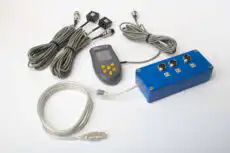
A ਤਾਪਮਾਨ ਸੈਂਸਰ, ਮਸ਼ੀਨਰੀ-ਨਿਗਰਾਨੀ ਦੇ ਅਰਥ ਵਿੱਚ, ਇੱਕ ਅਜਿਹਾ ਯੰਤਰ ਹੈ ਜੋ ਬੇਅਰਿੰਗਾਂ, ਮੋਟਰ ਵਾਈਂਡਿੰਗਾਂ, ਪ੍ਰੋਸੈੱਸ ਤਰਲ ਪਦਾਰਥਾਂ ਜਾਂ ਉਪਕਰਣ ਦੀਆਂ ਸਤਹਾਂ ਦਾ ਤਾਪਮਾਨ ਮਾਪਦਾ ਹੈ, ਜ਼ਿਆਦਾ ਗਰਮੀ, ਲੁਬ੍ਰੀਕੇਸ਼ਨ ਸਮੱਸਿਆਵਾਂ, ਬਹੁਤ ਜ਼ਿਆਦਾ ਰਗੜ ਅਤੇ ਅਸਧਾਰਨ ਸੰਚਾਲਨ ਸਥਿਤੀਆਂ ਦਾ ਪਤਾ ਲਗਾਉਣ ਲਈ ਮਹੱਤਵਪੂਰਨ ਜਾਣਕਾਰੀ ਪ੍ਰਦਾਨ ਕਰਦਾ ਹੈ। ਜਿੱਥੇ ਵਾਈਬ੍ਰੇਸ਼ਨ ਨਿਗਰਾਨੀ ਮਕੈਨੀਕਲ ਖਰਾਬੀਆਂ ਦਾ ਪਤਾ ਲਗਾਉਂਦੀ ਹੈ, ਉੱਥੇ ਤਾਪਮਾਨ ਨਿਗਰਾਨੀ ਥਰਮਲ ਸਥਿਤੀ ਦੀ ਰਿਪੋਰਟ ਦਿੰਦੀ ਹੈ — ਅਤੇ ਦੋਹਾਂ ਦਾ ਸੁਮੇਲ ਕਿਸੇ ਇੱਕ ਨਾਲੋਂ ਬਹੁਤ ਜ਼ਿਆਦਾ ਪ੍ਰਭਾਵਸ਼ਾਲੀ ਹੈ। ਕਿਉਂਕਿ ਬਹੁਤ ਸਾਰੀਆਂ ਮਸ਼ੀਨਰੀ ਅਸਫਲਤਾਵਾਂ ਤੋਂ ਪਹਿਲਾਂ ਤਾਪਮਾਨ ਵਿੱਚ ਵਾਧਾ ਹੁੰਦਾ ਹੈ — ਬੇਅਰਿੰਗਾਂ ਰਗੜ ਕਾਰਨ ਜ਼ਿਆਦਾ ਗਰਮ ਹੋਣਾ, ਓਵਰਲੋਡ ਕਾਰਨ ਵਾਈਂਡਿੰਗਾਂ, ਰਗੜਨ ਕਾਰਨ ਸੀਲਾਂ — ਤਾਪਮਾਨ ਕਿਸੇ ਵੀ ਗੰਭੀਰ ਸਥਿਤੀ ਨਿਗਰਾਨੀ ਪ੍ਰੋਗਰਾਮ ਦਾ ਇੱਕ ਮੁੱਖ ਆਧਾਰ ਹੈ, ਅਤੇ ਇਸਨੂੰ ਟ੍ਰੈਂਡ ਕਰਨ ਨਾਲ ਟੀਮ ਨੂੰ ਕਿਸੇ ਖਰਾਬੀ ਦੇ ਭਿਆਨਕ ਰੂਪ ਲੈਣ ਤੋਂ ਪਹਿਲਾਂ ਦਖਲ ਦੇਣ ਦਾ ਮੌਕਾ ਮਿਲਦਾ ਹੈ।
1. ਮਸ਼ੀਨਰੀ ਲਈ ਸਾਂਝੇ ਸੈਂਸਰ ਕਿਸਮਾਂ
ਚਾਰ ਤਕਨੀਕਾਂ ਲਗਭਗ ਸਾਰੇ ਘੁੰਮਣ ਵਾਲੇ ਉਪਕਰਣ ਕਾਰਜਾਂ ਨੂੰ ਕਵਰ ਕਰਦੀਆਂ ਹਨ, ਜੋ ਸ਼ੁੱਧਤਾ, ਰੇਂਜ, ਟਿਕਾਊਪਣ ਅਤੇ ਲਾਗਤ ਵਿੱਚ ਆਪਸ ਵਿੱਚ ਵਪਾਰ ਕਰਦੀਆਂ ਹਨ।
RTD (ਰੈਜ਼ਿਸਟੈਂਸ ਟੈਂਪਰੇਚਰ ਡਿਟੈਕਟਰ)
ਸਭ ਤੋਂ ਸਟੀਕ ਅਤੇ ਸਥਿਰ ਵਿਕਲਪ, ਅਤੇ ਮਹੱਤਵਪੂਰਨ ਬੇਅਰਿੰਗਾਂ ਅਤੇ ਮੋਟਰ ਵਾਈਂਡਿੰਗਾਂ ਲਈ ਪੂਰਵ-ਨਿਰਧਾਰਿਤ ਵਿਕਲਪ।
- ਸਿਧਾਂਤ: ਇੱਕ ਪਲੈਟੀਨਮ ਤਾਰ ਜਿਸਦਾ ਬਿਜਲੀ ਪ੍ਰਤੀਰੋਧ ਤਾਪਮਾਨ ਦੇ ਨਾਲ ਅਨੁਮਾਨਯੋਗ ਢੰਗ ਨਾਲ ਬਦਲਦਾ ਹੈ।
- ਆਮ ਕਿਸਮਾਂ: Pt100 (0 °C 'ਤੇ 100 Ω) ਅਤੇ Pt1000।
- ਸ਼ੁੱਧਤਾ: ਆਮ ਤੌਰ 'ਤੇ ±0.1–0.5 °C.
- ਰੇਂਜ: −200 ਤੋਂ +600 °C, ਉੱਤਮ ਲੰਬੇ ਸਮੇਂ ਦੀ ਸਥਿਰਤਾ ਦੇ ਨਾਲ।
- ਕੀਮਤ: ਮੱਧਮ ਤੋਂ ਉੱਚ — ਮਹੱਤਵਪੂਰਨ ਅਤੇ ਸ਼ੁੱਧਤਾ ਮਾਪਾਂ ਲਈ ਉਚਿਤ।
ਥਰਮੋਕਪਲ
ਵਿਸ਼ਾਲ ਰੇਂਜ ਅਤੇ ਟਿਕਾਊ, ਗਰਮ ਅਤੇ ਕਠੋਰ ਵਾਤਾਵਰਣਾਂ ਲਈ ਚੰਗੀ ਤਰ੍ਹਾਂ ਅਨੁਕੂਲ।
- ਸਿਧਾਂਤ: ਦੋ ਭਿੰਨ ਧਾਤਾਂ ਦੇ ਜੰਕਸ਼ਨ 'ਤੇ ਤਾਪਮਾਨ ਦੇ ਅਨੁਪਾਤੀ ਇੱਕ ਛੋਟਾ ਵੋਲਟੇਜ ਪੈਦਾ ਹੁੰਦਾ ਹੈ (ਸੀਬੇਕ ਪ੍ਰਭਾਵ)।
- ਕਿਸਮਾਂ: ਟਾਈਪ K (ਸਭ ਤੋਂ ਆਮ), ਨਾਲ ਹੀ ਟਾਈਪ J, T, ਅਤੇ E।
- ਸ਼ੁੱਧਤਾ: ਆਮ ਤੌਰ 'ਤੇ ±1–3 °C.
- ਰੇਂਜ: −200 ਤੋਂ +1300 °C ਤੱਕ, ਕਿਸਮ ਦੇ ਅਨੁਸਾਰ, ਘੱਟ ਲਾਗਤ 'ਤੇ।
- ਉਪਯੋਗ: ਉੱਚ-ਤਾਪਮਾਨ ਨਿਗਰਾਨੀ ਜਿਵੇਂ ਕਿ ਐਗਜ਼ੌਸਟ ਅਤੇ ਭੱਠੀਆਂ।
ਥਰਮਿਸਟਰ
- ਸਿਧਾਂਤ: ਇੱਕ ਸੈਮੀਕੰਡਕਟਰ ਜਿਸਦਾ ਪ੍ਰਤੀਰੋਧ ਤਾਪਮਾਨ ਪ੍ਰਤੀ ਬਹੁਤ ਜ਼ਿਆਦਾ ਸੰਵੇਦਨਸ਼ੀਲ ਹੁੰਦਾ ਹੈ।
- ਸੰਵੇਦਨਸ਼ੀਲਤਾ: ਬਹੁਤ ਉੱਚੀ — ਪ੍ਰਤੀ ਡਿਗਰੀ ਪ੍ਰਤੀਰੋਧ ਵਿੱਚ ਵੱਡੀ ਤਬਦੀਲੀ।
- ਸ਼ੁੱਧਤਾ: ਸੀਮਤ ਰੇਂਜ (ਆਮ ਤੌਰ 'ਤੇ −50 ਤੋਂ +150 °C) ਵਿੱਚ ±0.1–1 °C.
- ਉਪਯੋਗ: ਖਪਤਕਾਰ ਉਪਕਰਣ ਅਤੇ ਕੁਝ ਉਦਯੋਗਿਕ ਉਪਯੋਗ, ਘੱਟ ਲਾਗਤ 'ਤੇ।
ਇਨਫ੍ਰਾਰੈੱਡ (ਗੈਰ-ਸੰਪਰਕ)
- ਸਿਧਾਂਤ: ਕਿਸੇ ਸਤਹ ਤੋਂ ਨਿਕਲਣ ਵਾਲੀ ਤਾਪ ਰੇਡੀਏਸ਼ਨ ਨੂੰ ਖੋਜਦਾ ਹੈ, ਇਸ ਲਈ ਕੋਈ ਭੌਤਿਕ ਸੰਪਰਕ ਜ਼ਰੂਰੀ ਨਹੀਂ।
- ਰੇਂਜ: −50 ਤੋਂ +1000 °C ਅਤੇ ਇਸ ਤੋਂ ਵੱਧ, ਰੀਡਿੰਗ ਦੀ ਲਗਭਗ ±2–5 % ਸ਼ੁੱਧਤਾ ਨਾਲ।
- ਉਪਯੋਗ: ਸਪੌਟ ਜਾਂਚਾਂ ਅਤੇ ਥਰਮਲ-ਇਮੇਜਿੰਗ ਸਰਵੇਖਣ; ਉਹੀ ਭੌਤਿਕ ਸਿਧਾਂਤ ਇਸ ਦੀ ਬੁਨਿਆਦ ਬਣਦੇ ਹਨ ਥਰਮੋਗ੍ਰਾਫੀ, ਜਿੱਥੇ ਸਤਹ ਦੀ ਇਮਿਸੀਵਿਟੀ ਅਤੇ ਟੀਚੇ ਦੀ ਦੂਰੀ ਨੂੰ ਧਿਆਨ ਵਿੱਚ ਰੱਖਣਾ ਜ਼ਰੂਰੀ ਹੈ। ਅਜਿਹੇ ਸਰਵੇਖਣਾਂ ਲਈ ਸਮਝਦਾਰ ਅਲਾਰਮ ਥ੍ਰੈਸ਼ਹੋਲਡ ਇਸ ਵਰਗੇ ਮਾਰਗਦਰਸ਼ਨ ਦੀ ਪਾਲਣਾ ਕਰਦੇ ਹਨ ISO 18434 ਥਰਮੋਗ੍ਰਾਫੀ ਸੀਮਾਵਾਂ.
2. ਬੇਅਰਿੰਗ ਤਾਪਮਾਨ ਨਿਗਰਾਨੀ
ਬੇਅਰਿੰਗ ਸਭ ਤੋਂ ਆਮ ਤਾਪਮਾਨ ਨਿਗਰਾਨੀ ਟੀਚਾ ਹੈ, ਕਿਉਂਕਿ ਰੋਲਿੰਗ-ਐਲੀਮੈਂਟ ਅਤੇ ਜਰਨਲ ਬੇਅਰਿੰਗਾਂ ਲੁਬਰੀਕੇਸ਼ਨ ਦੀ ਖਰਾਬੀ ਅਤੇ ਓਵਰਲੋਡ ਨੂੰ ਸਿੱਧਾ ਗਰਮੀ ਵਿੱਚ ਬਦਲ ਦਿੰਦੀਆਂ ਹਨ।
ਮਾਪ ਸਥਾਨ
- ਬੇਅਰਿੰਗ ਹਾਊਸਿੰਗ ਵਿੱਚ ਏਮਬੈੱਡ ਕੀਤਾ, ਜਿੱਥੋਂ ਤੱਕ ਸੰਭਵ ਹੋਵੇ ਬਾਹਰੀ ਰੇਸ ਦੇ ਨੇੜੇ।
- ਬੇਅਰਿੰਗ ਕੈਪ 'ਤੇ ਸਤਹ-ਮਾਊਂਟ ਕੀਤਾ।
- ਤੇਲ ਡਰੇਨ ਵਿੱਚ, ਤੇਲ-ਲੁਬਰੀਕੇਟਿਡ ਬੇਅਰਿੰਗਾਂ ਲਈ।
- ਵੱਡੀਆਂ ਬੇਅਰਿੰਗਾਂ ਦੇ ਆਲੇ-ਦੁਆਲੇ ਕਈ ਬਿੰਦੂਆਂ 'ਤੇ, ਜਿੱਥੇ ਤਾਪਮਾਨ ਇੱਕਸਾਰ ਨਹੀਂ ਹੁੰਦਾ।
ਸਾਧਾਰਨ ਤਾਪਮਾਨ ਸੀਮਾਵਾਂ
- ਆਲੇ-ਦੁਆਲੇ + 20–40 °C: ਆਮ ਕਾਰਜਸ਼ੀਲ ਤਾਪਮਾਨ।
- ਆਲੇ-ਦੁਆਲੇ + 50–60 °C: ਜ਼ਿਆਦਾਤਰ ਬੇਅਰਿੰਗਾਂ ਲਈ ਸਵੀਕਾਰਯੋਗ ਅਧਿਕਤਮ ਸੀਮਾ।
- > ਆਲੇ-ਦੁਆਲੇ + 70 °C: ਸਮੱਸਿਆ ਸੰਕੇਤਿਤ ਹੈ — ਜਾਂਚ ਕਰੋ।
- > 90–100 °C ਪੂਰਨ: ਜ਼ਿਆਦਾਤਰ ਬੇਅਰਿੰਗਾਂ ਲਈ ਅਲਾਰਮ ਸਥਿਤੀ।
ਇਹ ਅੰਗੂਠੇ ਦੇ ਨਿਯਮਾਂ ਨੂੰ ਹਮੇਸ਼ਾ ਨਿਰਮਾਤਾ ਦੇ ਡੇਟਾ ਅਤੇ ਸੰਬੰਧਿਤ ਦੇ ਵਿਰੁੱਧ ਪਰਖਿਆ ਜਾਣਾ ਚਾਹੀਦਾ ਹੈ ਕੰਪੋਨੈਂਟ ਤਾਪਮਾਨ ਸੀਮਾਵਾਂ ਖਾਸ ਬੇਅਰਿੰਗ, ਸੀਲ ਅਤੇ ਲੁਬਰੀਕੈਂਟ ਲਈ; ਹਾਈ-ਸਪੀਡ ਗਰੀਸ ਉਸ ਤਾਪਮਾਨ 'ਤੇ ਆਪਣੀ ਸੀਮਾ ਦੇ ਨੇੜੇ ਹੋ ਸਕਦੀ ਹੈ ਜੋ ਸਰਕੂਲੇਟਿੰਗ-ਆਇਲ ਬੇਅਰਿੰਗ ਆਰਾਮ ਨਾਲ ਸਹਿ ਲੈਂਦੀ ਹੈ। ਵੱਡੀਆਂ ਮਸ਼ੀਨਾਂ ਵਿੱਚ ਅਕਸਰ ਸਮਰਪਿਤ ਮਾਰਗਦਰਸ਼ਨ ਹੁੰਦਾ ਹੈ, ਜਿਵੇਂ ਕਿ ਜਨਰੇਟਰ ਬੇਅਰਿੰਗ ਤਾਪਮਾਨ ਮਾਨੀਟਰ.
ਟ੍ਰੈਂਡਿੰਗ ਅਤੇ ਅਲਾਰਮ
- ਸਥਾਪਿਤ ਕਰੋ ਬੇਸਲਾਈਨ ਜਾਣੀ ਲੋਡ ਅਤੇ ਆਲੇ-ਦੁਆਲੇ ਦੀਆਂ ਸਥਿਤੀਆਂ ਅਧੀਨ ਹਰੇਕ ਬੇਅਰਿੰਗ ਦਾ ਤਾਪਮਾਨ।
- ਵਧਾਓ ਚੇਤਾਵਨੀ ਬੇਸਲਾਈਨ ਤੋਂ 10–15 °C ਵਾਧੇ 'ਤੇ।
- ਵਧਾਓ ਅਲਾਰਮ 20–25 °C ਵਾਧੇ 'ਤੇ, ਜਾਂ ਪੂਰਨ ਸੀਮਾ 'ਤੇ।
- 30–40 °C ਵਾਧੇ ਜਾਂ ਨਾਜ਼ੁਕ ਪੂਰਨ ਮੁੱਲ 'ਤੇ ਟ੍ਰਿਪ (ਬੰਦ ਕਰੋ)।
ਕਿਉਂਕਿ ਆਲੇ-ਦੁਆਲੇ ਦਾ ਤਾਪਮਾਨ ਅਤੇ ਲੋਡ ਦੋਵੇਂ ਰੀਡਿੰਗ ਨੂੰ ਪ੍ਰਭਾਵਿਤ ਕਰਦੇ ਹਨ, ਬੇਸਲਾਈਨ ਤੋਂ ਬਦਲਾਅ ਦੀ ਟ੍ਰੈਂਡਿੰਗ ਆਮ ਤੌਰ 'ਤੇ ਕਿਸੇ ਵੀ ਇੱਕ ਪੂਰਨ ਸੰਖਿਆ ਨਾਲੋਂ ਵੱਧ ਖੁਲਾਸਾ ਕਰਦੀ ਹੈ — ਇੱਕਸਾਰ ਉੱਪਰ ਵੱਲ ਡ੍ਰਿਫਟ ਖਰਾਬ ਹੋ ਰਹੀ ਬੇਅਰਿੰਗ ਦੀ ਕਲਾਸਿਕ ਸ਼ੁਰੂਆਤੀ ਚੇਤਾਵਨੀ ਦਸਤਖਤ ਹੈ। ਬਹੁ-ਪਾਰਾਮੀਟਰ ਮਾਪਦੰਡ ਜਿਵੇਂ ਕਿ ISO 13373 ਇਹ ਅਲਾਰਮ ਅਤੇ ਖ਼ਤਰੇ ਦੀਆਂ ਸੀਮਾਵਾਂ ਨੂੰ ਰਸਮੀ ਤੌਰ 'ਤੇ ਨਿਰਧਾਰਤ ਕਰਨਾ ਥ੍ਰੈਸ਼ਹੋਲਡ ਸੈੱਟ ਕੀਤੇ ਗਏ ਹਨ।
3. ਵਾਈਬ੍ਰੇਸ਼ਨ ਨਿਗਰਾਨੀ ਨਾਲ ਏਕੀਕਰਨ
ਤਾਪਮਾਨ ਅਤੇ ਵਾਈਬ੍ਰੇਸ਼ਨ ਪੂਰਕ ਮਾਪ ਹਨ, ਅਤੇ ਇਹਨਾਂ ਨੂੰ ਇਕੱਠੇ ਪੜ੍ਹਨ ਨਾਲ ਡਾਇਗਨੌਸਟਿਕ ਭਰੋਸੇਯੋਗਤਾ ਵਿੱਚ ਕਾਫ਼ੀ ਸੁਧਾਰ ਹੁੰਦਾ ਹੈ। ਵਾਈਬ੍ਰੇਸ਼ਨ ਮਕੈਨੀਕਲ ਨੁਕਸ ਨੂੰ ਜਲਦੀ ਖੋਜਦੀ ਹੈ, ਅਕਸਰ ਕਿਸੇ ਵੀ ਗਰਮੀ ਦੇ ਪ੍ਰਗਟ ਹੋਣ ਤੋਂ ਬਹੁਤ ਪਹਿਲਾਂ; ਤਾਪਮਾਨ ਗੰਭੀਰਤਾ ਦੀ ਪੁਸ਼ਟੀ ਕਰਦਾ ਹੈ ਅਤੇ ਘਿਸਾਅ ਜਾਂ ਲੁਬਰੀਕੇਸ਼ਨ ਸਮੱਸਿਆਵਾਂ ਨੂੰ ਦਰਸਾਉਂਦਾ ਹੈ ਜਿਨ੍ਹਾਂ ਦਾ ਇਕੱਲੀ ਵਾਈਬ੍ਰੇਸ਼ਨ ਸਥਾਨੀਕਰਨ ਨਹੀਂ ਕਰ ਸਕਦੀ।
ਦੋ ਮਾਪਦੰਡ ਇੱਕ ਸਧਾਰਨ, ਸ਼ਕਤੀਸ਼ਾਲੀ ਡਾਇਗਨੌਸਟਿਕ ਮੈਟ੍ਰਿਕਸ ਵਿੱਚ ਜੁੜਦੇ ਹਨ:
- ਉੱਚ ਵਾਈਬ੍ਰੇਸ਼ਨ + ਸਾਧਾਰਨ ਤਾਪਮਾਨ: ਇੱਕ ਮਕੈਨੀਕਲ ਸਮੱਸਿਆ ਜਿਵੇਂ ਕਿ ਅਸੰਤੁਲਨ ਜਾਂ ਮਿਸਅਲਾਈਨਮੈਂਟ — ਬਲ ਉੱਚੇ ਹਨ ਪਰ ਘਿਸਾਅ ਅਜੇ ਬਹੁਤ ਜ਼ਿਆਦਾ ਨਹੀਂ ਹੋਇਆ।
- ਉੱਚ ਵਾਈਬ੍ਰੇਸ਼ਨ + ਉੱਚ ਤਾਪਮਾਨ: a ਬੇਅਰਿੰਗ ਨੁਕਸ ਮਹੱਤਵਪੂਰਨ ਘਿਸਾਅ ਦੇ ਨਾਲ, ਆਮ ਤੌਰ 'ਤੇ ਇੱਕ ਉੱਨਤ ਪੜਾਅ।
- ਸਾਧਾਰਨ ਵਾਈਬ੍ਰੇਸ਼ਨ + ਉੱਚ ਤਾਪਮਾਨ: ਲੁਬਰੀਕੇਸ਼ਨ ਦੀ ਸਮੱਸਿਆ, ਜਾਂ ਅਲਾਈਨਮੈਂਟ/ਪ੍ਰੀਲੋਡ ਕਾਰਨ ਘਿਸਾਅ, ਜਿਵੇਂ ਕਿ ਕੱਸਿਆ ਹੋਇਆ ਜਾਂ ਰਗੜ ਸੀਲ।
- ਦੋਵੇਂ ਵਧ ਰਹੇ ਹਨ: ਇੱਕ ਵਧਦੀ ਹੋਈ ਬੇਅਰਿੰਗ ਅਸਫਲਤਾ ਆਪਣੀ ਉਪਯੋਗੀ ਉਮਰ ਦੇ ਅੰਤ ਦੇ ਨੇੜੇ ਆ ਰਿਹਾ ਹੈ।
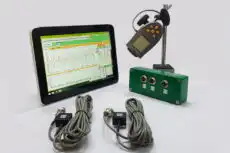
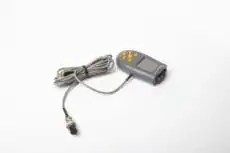
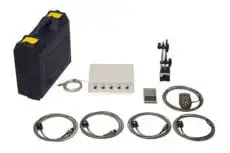
ਇਹ ਜੋੜੀ ਬਿਲਕੁਲ ਇਸ ਲਈ ਹੈ ਕਿਉਂ ਪਰਿਪੱਕ ਭਵਿੱਖਬਾਣੀ-ਸੰਭਾਲ ਰੂਟਾਂ ਵਿੱਚ ਹਰ ਮਾਪ ਬਿੰਦੂ 'ਤੇ ਦੋਵੇਂ ਮਾਪਦੰਡ ਇਕੱਠੇ ਕੀਤੇ ਜਾਂਦੇ ਹਨ। ਅਭਿਆਸ ਵਿੱਚ ਤਸਵੀਰ ਦਾ ਵਾਈਬ੍ਰੇਸ਼ਨ ਵਾਲਾ ਹਿੱਸਾ ਇੱਕ ਪੋਰਟੇਬਲ ਐਨਾਲਾਈਜ਼ਰ ਨਾਲ ਇਕੱਠਾ ਕੀਤਾ ਜਾਂਦਾ ਹੈ — ਉਦਾਹਰਨ ਲਈ, ਇੱਕ ਦੋ-ਚੈਨਲ ਯੰਤਰ ਜਿਵੇਂ ਕਿ Balanset-1A ਬੇਅਰਿੰਗ ਹਾਊਸਿੰਗਾਂ 'ਤੇ ਐਂਪਲੀਟਿਊਡ ਅਤੇ ਫੇਜ਼ ਨੂੰ ਮਾਪਦਾ ਹੈ ਜਦੋਂ ਕਿ ਮਸ਼ੀਨ ਚੱਲ ਰਹੀ ਹੁੰਦੀ ਹੈ, ਤਾਂ ਜੋ ਉਸੇ ਬਿੰਦੂ 'ਤੇ ਲਏ ਗਏ ਸਪੌਟ ਤਾਪਮਾਨ ਰੀਡਿੰਗ ਦੀ ਵਿਆਖਿਆ ਇਕੱਲੇ ਨਹੀਂ ਬਲਕਿ ਵਾਈਬ੍ਰੇਸ਼ਨ ਦੀ ਸਥਿਤੀ ਦੇ ਆਧਾਰ 'ਤੇ ਕੀਤੀ ਜਾ ਸਕੇ।
4. ਇੰਸਟਾਲੇਸ਼ਨ ਦੇ ਵਧੀਆ ਅਭਿਆਸ
ਤਾਪਮਾਨ ਰੀਡਿੰਗ ਉਦੋਂ ਹੀ ਭਰੋਸੇਯੋਗ ਹੁੰਦੀ ਹੈ ਜਿੰਨਾ ਸੈਂਸਰ ਅਤੇ ਉਹ ਗਰਮੀ ਜੋ ਇਸਨੂੰ ਮਾਪਣੀ ਹੈ, ਦੇ ਵਿਚਕਾਰ ਤਾਪੀ ਮਾਰਗ ਭਰੋਸੇਯੋਗ ਹੋਵੇ।
ਸੈਂਸਰ ਲਗਾਉਣ ਦੀ ਥਾਂ
- ਸੈਂਸਰ ਨੂੰ ਗਰਮੀ ਦੇ ਸਰੋਤ — ਬੇਅਰਿੰਗ — ਦੇ ਜਿੰਨਾ ਸੰਭਵ ਹੋ ਸਕੇ ਨੇੜੇ ਰੱਖੋ।
- ਮਾਪੀ ਜਾਣ ਵਾਲੀ ਸਤਹ ਨਾਲ ਚੰਗਾ ਤਾਪੀ ਸੰਪਰਕ ਯਕੀਨੀ ਕਰੋ, ਹਵਾਈ ਖਲਾਅ ਨੂੰ ਖਤਮ ਕਰਨ ਲਈ ਥਰਮਲ ਪੇਸਟ ਦੀ ਵਰਤੋਂ ਕਰੋ।
- ਸੈਂਸਰ ਨੂੰ ਵਾਤਾਵਰਣ ਦੇ ਤਾਪਮਾਨ ਦੇ ਉਤਰਾਅ-ਚੜ੍ਹਾਅ ਅਤੇ ਅਜਿਹੇ ਵਿਕਿਰਨ ਜਾਂ ਸੰਵਹਿਨ ਤਾਪ ਸਰੋਤਾਂ ਤੋਂ ਸੁਰੱਖਿਅਤ ਕਰੋ ਜੋ ਮਾਪ ਦਾ ਨਿਸ਼ਾਨਾ ਨਹੀਂ ਹਨ।
ਵਾਇਰਿੰਗ
- ਸੈਂਸਰ ਲਈ ਸਹੀ ਤਾਰ ਦੀ ਕਿਸਮ ਵਰਤੋ — ਥਰਮੋਕਪਲਾਂ ਲਈ ਕੰਪਨਸੇਟਿੰਗ ਕੇਬਲ ਲਾਜ਼ਮੀ ਹੈ ਤਾਂ ਜੋ ਗਲਤ ਜੰਕਸ਼ਨਾਂ ਦੀ ਸ਼ੁਰੂਆਤ ਤੋਂ ਬਚਿਆ ਜਾ ਸਕੇ।
- ਸਿਗਨਲ ਕੇਬਲਾਂ ਨੂੰ ਉੱਚ-ਕਰੰਟ ਅਤੇ ਉੱਚ-ਵੋਲਟੇਜ ਕੰਡਕਟਰਾਂ ਤੋਂ ਦੂਰ ਰੱਖੋ ਤਾਂ ਜੋ ਬਿਜਲਈ ਸ਼ੋਰ ਨੂੰ ਸੀਮਤ ਕੀਤਾ ਜਾ ਸਕੇ।
- ਕੁਨੈਕਸ਼ਨਾਂ ਨੂੰ ਸਹੀ ਢੰਗ ਨਾਲ ਟਰਮੀਨੇਟ ਕਰੋ, ਅਤੇ ਜਿੱਥੇ ਵਾਤਾਵਰਣ ਦੀ ਲੋੜ ਹੋਵੇ ਉੱਥੇ ਕੇਬਲ ਰਨ ਨੂੰ ਸ਼ੀਲਡ ਅਤੇ ਗਰਾਊਂਡ ਕਰੋ।
5. ਆਮ ਕਾਰਜ
ਤਾਪਮਾਨ ਨਿਗਰਾਨੀ ਘੁੰਮਣ ਵਾਲੇ ਉਪਕਰਣਾਂ ਦੇ ਪੂਰੇ ਸਪੈਕਟ੍ਰਮ ਵਿੱਚ ਦਿਖਾਈ ਦਿੰਦੀ ਹੈ:
- ਬੇਅਰਿੰਗ ਨਿਗਰਾਨੀ: ਸਭ ਤੋਂ ਆਮ ਉਪਯੋਗ — ਸ਼ੁਰੂਆਤੀ ਪਹਿਚਾਣ ਲੁਬਰੀਕੇਸ਼ਨ ਸਮੱਸਿਆਵਾਂ, ਵਿਕਸਿਤ ਹੋ ਰਹੀ ਬੇਅਰਿੰਗ ਖਰਾਬੀ ਦੀ ਪੁਸ਼ਟੀ, ਅਤੇ ਓਵਰਲੋਡ ਖੋਜ।
- ਮੋਟਰ ਸੁਰੱਖਿਆ: ਏਮਬੈਡਡ RTDs ਰਾਹੀਂ ਵਾਈਂਡਿੰਗ ਤਾਪਮਾਨ (ਵਿਰੁੱਧ ਰੱਖਿਆ ਦੀ ਪਹਿਲੀ ਕਤਾਰ ਸਟੇਟਰ ਓਵਰਹੀਟਿੰਗ ਅਤੇ ਹੋਰ ਮੋਟਰ ਨੁਕਸ), ਨਾਲ ਹੀ ਬੇਅਰਿੰਗ ਅਤੇ ਫ੍ਰੇਮ ਤਾਪਮਾਨ ਜੋ ਓਵਰਲੋਡ ਅਤੇ ਨਾਕਾਫ਼ੀ ਕੂਲਿੰਗ ਦਰਸਾਉਂਦੇ ਹਨ।
- ਪ੍ਰਕਿਰਿਆ ਉਪਕਰਣ: ਪੰਪ (ਬੇਅਰਿੰਗ, ਸੀਲ, ਅਤੇ ਕੇਸਿੰਗ ਤਾਪਮਾਨ), ਕੰਪ੍ਰੈਸਰ (ਡਿਸਚਾਰਜ ਅਤੇ ਬੇਅਰਿੰਗ ਤਾਪਮਾਨ), ਅਤੇ ਗੀਅਰਬਾਕਸ (ਤੇਲ-ਸੰਪ ਤਾਪਮਾਨ)।
ਤਾਪਮਾਨ ਸੈਂਸਰ ਇੱਕ ਵਿਆਪਕ ਮਸ਼ੀਨਰੀ-ਨਿਗਰਾਨੀ ਪ੍ਰੋਗਰਾਮ ਵਿੱਚ ਵਾਈਬ੍ਰੇਸ਼ਨ ਸੈਂਸਰਾਂ ਦੇ ਲਾਜ਼ਮੀ ਸਾਥੀ ਹਨ। ਵਾਈਬ੍ਰੇਸ਼ਨ ਵਿਸ਼ਲੇਸ਼ਣ ਮਕੈਨੀਕਲ ਖਰਾਬੀਆਂ ਨੂੰ ਜਲਦੀ ਫੜਦਾ ਹੈ, ਜਦੋਂਕਿ ਤਾਪਮਾਨ ਨਿਗਰਾਨੀ ਥਰਮਲ ਸਥਿਤੀ, ਘ੍ਰਿਣਨ, ਅਤੇ ਲੁਬਰੀਕੇਸ਼ਨ ਦੀ ਉਚਿਤਤਾ ਦੀ ਪੁਸ਼ਟੀ ਕਰਦੀ ਹੈ — ਮਿਲ ਕੇ ਇਹ ਉਪਕਰਣ ਸਿਹਤ ਦੀ ਵਧੇਰੇ ਸੰਪੂਰਨ ਤਸਵੀਰ ਅਤੇ ਅਸਫਲਤਾ ਦੀਆਂ ਵਿਆਪਕ ਸ਼੍ਰੇਣੀਆਂ ਲਈ ਪਹਿਲਾਂ ਚੇਤਾਵਨੀ ਦਿੰਦੇ ਹਨ, ਜੋ ਕਿ ਕੋਈ ਵੀ ਤਕਨਾਲੋਜੀ ਇਕੱਲੇ ਨਹੀਂ ਦੇ ਸਕਦੀ।

