ਮੋਡਲ ਵਿਸ਼ਲੇਸ਼ਣ ਨੂੰ ਸਮਝਣਾ

ਮੋਡਲ ਵਿਸ਼ਲੇਸ਼ਣ ਕਿਸੇ ਸਟ੍ਰਕਚਰ ਜਾਂ ਮਕੈਨੀਕਲ ਸਿਸਟਮ ਦੀਆਂ ਅੰਦਰੂਨੀ ਡਾਇਨਾਮਿਕ ਵਿਸ਼ੇਸ਼ਤਾਵਾਂ ਦਾ ਅਧਿਐਨ ਅਤੇ ਵਿਸ਼ੇਸ਼ਤਾਕਰਨ ਕਰਨ ਦੀ ਪ੍ਰਕਿਰਿਆ ਹੈ। ਇਹ ਵਿਸ਼ੇਸ਼ਤਾਵਾਂ — ਇਸਦੇ ਕੁਦਰਤੀ ਬਾਰੰਬਾਰਤਾਵਾਂ, ਇਸਦੇ ਡੈਂਪਿੰਗ ਅਨੁਪਾਤ, ਅਤੇ ਇਸਦੇ ਮੋਡ ਸ਼ੇਪਸ (mode shapes) — ਇਕੱਠੇ ਸਿਸਟਮ ਦੇ “ਮੋਡਲ ਪੈਰਾਮੀਟਰ” ਕਹਾਉਂਦੇ ਹਨ। ਇਹ ਸਾਰੇ ਮਿਲ ਕੇ ਉਹ ਵਿਲੱਖਣ ਤਰੀਕੇ ਦੱਸਦੇ ਹਨ ਜਿਨ੍ਹਾਂ ਨਾਲ ਕੋਈ ਸਟ੍ਰਕਚਰ ਪਰੇਸ਼ਾਨ ਹੋਣ 'ਤੇ ਕੁਦਰਤੀ ਤੌਰ 'ਤੇ ਵਾਈਬ੍ਰੇਟ ਕਰਦਾ ਹੈ। ਇਹ ਗਿਆਨ ਬੁਨਿਆਦੀ ਹੈ: ਇਹ ਇੰਜੀਨੀਅਰਾਂ ਨੂੰ ਅਜਿਹੇ ਸਟ੍ਰਕਚਰ ਡਿਜ਼ਾਈਨ ਕਰਨ ਦਿੰਦਾ ਹੈ ਜੋ ਡਾਇਨਾਮਿਕ ਬਲਾਂ ਨੂੰ ਸਹਿਣ ਕਰਦੇ ਹਨ, ਅਤੇ ਇਹ ਉਨ੍ਹਾਂ ਨੂੰ ਬਿਲਕੁਲ ਇਹ ਦਰਸਾ ਕੇ ਹਠੀਲੀਆਂ ਵਾਈਬ੍ਰੇਸ਼ਨ ਸਮੱਸਿਆਵਾਂ ਦੀ ਪਛਾਣ ਅਤੇ ਹੱਲ ਕਰਨ ਦਿੰਦਾ ਹੈ ਕਿ ਕਿਹੜੀ ਕੁਦਰਤੀ ਬਾਰੰਬਾਰਤਾ ਉਤੇਜਿਤ ਹੋ ਰਹੀ ਹੈ। ਜਿੱਥੇ ਇੱਕ ਵਾਈਬ੍ਰੇਸ਼ਨ ਸਪੈਕਟ੍ਰਮ 'ਤੇ ਭਰੋਸਾ ਕਰਨ ਲਈ ਬੁਨਿਆਦੀ ਹੈ ਤੁਹਾਨੂੰ ਦੱਸਦਾ ਹੈ ਕਿ ਚੱਲ ਰਹੀ ਮਸ਼ੀਨ ਕਿਹੜੀਆਂ ਬਾਰੰਬਾਰਤਾਵਾਂ ਪੈਦਾ ਕਰ ਰਹੀ ਹੈ, ਮੋਡਲ ਵਿਸ਼ਲੇਸ਼ਣ ਤੁਹਾਨੂੰ ਦੱਸਦਾ ਹੈ ਕਿ ਸਟ੍ਰਕਚਰ ਕਿਹੜੀਆਂ ਬਾਰੰਬਾਰਤਾਵਾਂ ਨੂੰ ਵਧਾਉਣ ਦੀ ਪ੍ਰਵਿਰਤੀ ਰੱਖਦਾ ਹੈ — ਅਤੇ ਇਹ ਫ਼ਰਕ ਸਮਝਣ ਦੀ ਕੁੰਜੀ ਹੈ ਰੈਜ਼ੋਨੈਂਸ (ਅਨੁਨਾਦ).
1. ਟੀਚਾ: ਮੋਡਲ ਪੈਰਾਮੀਟਰਾਂ ਦੀ ਪਛਾਣ
ਹਰ ਸਟ੍ਰਕਚਰ ਦਾ ਆਪਣੇ ਭੌਤਿਕ ਬਣਾਵਟ — ਇਸਦੇ ਪੁੰਜ, ਇਸਦੀ ਕਠੋਰਤਾ, ਅਤੇ ਇਸਦੇ ਡੈਂਪਿੰਗ — ਦੁਆਰਾ ਨਿਰਧਾਰਿਤ ਮੋਡਲ ਪੈਰਾਮੀਟਰਾਂ ਦਾ ਇੱਕ ਵਿਲੱਖਣ ਸਮੂਹ ਹੁੰਦਾ ਹੈ। ਮੋਡਲ ਵਿਸ਼ਲੇਸ਼ਣ ਦਾ ਮਕਸਦ ਇਨ੍ਹਾਂ ਪੈਰਾਮੀਟਰਾਂ ਨੂੰ ਸਹੀ ਢੰਗ ਨਾਲ ਨਿਰਧਾਰਿਤ ਕਰਨਾ ਹੈ:
- ਕੁਦਰਤੀ ਬਾਰੰਬਾਰਤਾਵਾਂ (ਰੈਜ਼ੋਨੈਂਟ ਬਾਰੰਬਾਰਤਾਵਾਂ): ਉਹ ਖਾਸ ਬਾਰੰਬਾਰਤਾਵਾਂ ਜਿਨ੍ਹਾਂ 'ਤੇ ਸਟ੍ਰਕਚਰ ਉਤੇਜਿਤ ਹੋਣ 'ਤੇ ਸਭ ਤੋਂ ਵੱਧ ਐਂਪਲੀਟਿਊਡ ਨਾਲ ਵਾਈਬ੍ਰੇਟ ਕਰਦਾ ਹੈ। ਕਿਸੇ ਵੀ ਅਸਲ ਸਟ੍ਰਕਚਰ ਦੀਆਂ ਇਹੋ ਜਿਹੀਆਂ ਕਈ ਬਾਰੰਬਾਰਤਾਵਾਂ ਹੁੰਦੀਆਂ ਹਨ, ਜੋ ਇੱਕ ਲੜੀ ਵਿੱਚ ਵਧਦੀਆਂ ਜਾਂਦੀਆਂ ਹਨ।
- ਡੈਂਪਿੰਗ ਅਨੁਪਾਤ: ਇੱਕ ਮਾਪ ਹੈ ਕਿ ਹਰ ਮੋਡ 'ਤੇ ਵਾਈਬ੍ਰੇਸ਼ਨ ਕਿੰਨੀ ਤੇਜ਼ੀ ਨਾਲ ਘਟਦੀ ਹੈ — ਦੂਜੇ ਸ਼ਬਦਾਂ ਵਿੱਚ, ਸਟ੍ਰਕਚਰ ਕਿੰਨੀ ਊਰਜਾ ਖਪਤ ਕਰਦਾ ਹੈ। ਹਲਕੀ ਡੈਂਪਿੰਗ ਦਾ ਮਤਲਬ ਹੈ ਇੱਕ ਉੱਚਾ, ਤੰਗ ਰੈਜ਼ੋਨੈਂਸ ਪੀਕ; ਭਾਰੀ ਡੈਂਪਿੰਗ ਦਾ ਮਤਲਬ ਹੈ ਇੱਕ ਨੀਵਾਂ, ਚੌੜਾ ਪੀਕ।
- ਮੋਡ ਸ਼ੇਪ: ਵਿਗਾੜ ਦਾ ਵਿਲੱਖਣ ਪੈਟਰਨ ਜੋ ਸਟ੍ਰਕਚਰ ਆਪਣੀ ਕਿਸੇ ਕੁਦਰਤੀ ਬਾਰੰਬਾਰਤਾ 'ਤੇ ਵਾਈਬ੍ਰੇਟ ਕਰਦੇ ਸਮੇਂ ਅਪਣਾਉਂਦਾ ਹੈ। ਹਰ ਕੁਦਰਤੀ ਬਾਰੰਬਾਰਤਾ ਦਾ ਆਪਣਾ ਸੰਬੰਧਿਤ ਮੋਡ ਸ਼ੇਪ ਹੁੰਦਾ ਹੈ — ਪਹਿਲਾ ਬੈਂਡਿੰਗ ਮੋਡ, ਇੱਕ ਟੋਰਸ਼ਨਲ ਮੋਡ, ਅਤੇ ਹੋਰ।
ਇਨ੍ਹਾਂ ਤਿੰਨ ਮਾਤਰਾਵਾਂ ਦੀ ਜਾਣਕਾਰੀ ਹੋਣ 'ਤੇ, ਇੱਕ ਇੰਜੀਨੀਅਰ ਭਵਿੱਖਬਾਣੀ ਕਰ ਸਕਦਾ ਹੈ ਕਿ ਸਟ੍ਰਕਚਰ ਸੇਵਾ ਵਿੱਚ ਮਿਲਣ ਵਾਲੇ ਕਿਸੇ ਵੀ ਡਾਇਨਾਮਿਕ ਲੋਡ ਪ੍ਰਤੀ ਕਿਵੇਂ ਪ੍ਰਤੀਕਿਰਿਆ ਦੇਵੇਗਾ, ਅਤੇ ਹਾਰਡਵੇਅਰ ਵਿੱਚ ਬਣਾਏ ਜਾਣ ਤੋਂ ਪਹਿਲਾਂ ਹੀ ਸਮੱਸਿਆ ਦਾ ਪਤਾ ਲਗਾ ਸਕਦਾ ਹੈ।
ਤਿੰਨੇ ਪੈਰਾਮੀਟਰ ਮਿਲ ਕੇ ਕਿਉਂ ਕੰਮ ਕਰਦੇ ਹਨ
ਕੋਈ ਵੀ ਇੱਕਲਾ ਪੈਰਾਮੀਟਰ ਆਪਣੇ ਆਪ ਵਿੱਚ ਕਾਫ਼ੀ ਨਹੀਂ ਹੈ। ਇੱਕ ਕੁਦਰਤੀ ਬਾਰੰਬਾਰਤਾ ਤੁਹਾਨੂੰ ਦੱਸਦੀ ਹੈ ਜਿੱਥੇ ਇੱਕ ਰੈਜ਼ੋਨੈਂਸ ਬਾਰੰਬਾਰਤਾ ਧੁਰੇ 'ਤੇ ਕਿੱਥੇ ਪੈਂਦੀ ਹੈ; ਡੈਂਪਿੰਗ ਅਨੁਪਾਤ ਤੁਹਾਨੂੰ ਦੱਸਦਾ ਹੈ ਕਿੰਨੀ ਗੰਭੀਰ ਉਤੇਜਿਤ ਹੋਣ 'ਤੇ ਇਹ ਹੋਵੇਗੀ; ਅਤੇ ਮੋਡ ਸ਼ੇਪ ਤੁਹਾਨੂੰ ਦੱਸਦਾ ਹੈ ਸਟ੍ਰਕਚਰ 'ਤੇ ਕਿੱਥੇ ਗਤੀ ਸਭ ਤੋਂ ਵੱਧ ਹੈ — ਅਤੇ ਇਸ ਲਈ ਕਿੱਥੇ ਕੋਈ ਸੈਂਸਰ ਇਸਨੂੰ ਦੇਖੇਗਾ, ਕਿੱਥੇ ਕੋਈ ਸੁਧਾਰ ਸਭ ਤੋਂ ਪ੍ਰਭਾਵਸ਼ਾਲੀ ਹੋਵੇਗਾ, ਅਤੇ ਕਿੱਥੇ ਇੱਕ ਨੋਡਲ ਬਿੰਦੂ ਲਗਭਗ-ਜ਼ੀਰੋ ਗਤੀ ਦਾ ਸਥਾਨ ਹੈ। ਇਸੇ ਕਰਕੇ ਇਨ੍ਹਾਂ ਪੈਰਾਮੀਟਰਾਂ ਦੀ ਹਮੇਸ਼ਾ ਇੱਕ ਸਮੂਹ ਵਜੋਂ ਚਰਚਾ ਕੀਤੀ ਜਾਂਦੀ ਹੈ।
2. ਮੋਡਲ ਵਿਸ਼ਲੇਸ਼ਣ ਦੀਆਂ ਕਿਸਮਾਂ
ਕਿਸੇ ਸਟ੍ਰਕਚਰ ਦੇ ਮੋਡਲ ਪੈਰਾਮੀਟਰਾਂ ਤੱਕ ਪਹੁੰਚਣ ਦੇ ਤਿੰਨ ਮੁੱਖ ਰਸਤੇ ਹਨ: ਦੋ ਪ੍ਰਯੋਗਾਤਮਕ ਅਤੇ ਇੱਕ ਪੂਰੀ ਤਰ੍ਹਾਂ ਗਣਨਾਤਮਕ।
1. ਪ੍ਰਯੋਗਾਤਮਕ ਮੋਡਲ ਵਿਸ਼ਲੇਸ਼ਣ (EMA)
EMA — ਇਸ ਨਾਲ ਨੇੜਿਓਂ ਸੰਬੰਧਿਤ ਬੰਪ ਟੈਸਟ — ਸਟ੍ਰਕਚਰ ਦੀ ਇੱਕ ਜਾਣੇ-ਪਛਾਣੇ, ਨਿਯੰਤ੍ਰਿਤ ਇਨਪੁਟ ਬਲ ਪ੍ਰਤੀ ਪ੍ਰਤੀਕਿਰਿਆ ਨੂੰ ਮਾਪਦਾ ਹੈ। ਇਹ ਅਸਲ ਹਾਰਡਵੇਅਰ ਦੀ ਜਾਂਚ ਕਰਨ ਦਾ ਮਿਆਰੀ ਤਰੀਕਾ ਹੈ। ਵਰਕਫ਼ਲੋ ਇਸ ਤਰ੍ਹਾਂ ਚੱਲਦਾ ਹੈ:
- ਸਟ੍ਰਕਚਰ ਨੂੰ ਇੱਕ ਮਾਪੇ ਗਏ ਬਲ ਨਾਲ ਉਤੇਜਿਤ ਕਰੋ, ਆਮ ਤੌਰ 'ਤੇ ਇੱਕ ਇੰਸਟਰੂਮੈਂਟਿਡ ਇੰਪੈਕਟ ਹੈਮਰ (ਇਸਦੀ ਟਿਪ 'ਤੇ ਇੱਕ ਫੋਰਸ ਸੈਂਸਰ ਹੁੰਦਾ ਹੈ) ਜਾਂ ਇੱਕ ਇਲੈਕਟ੍ਰੋਡਾਇਨਾਮਿਕ ਸ਼ੇਕਰ ਤੋਂ। ਇਹ ਨਿਯੰਤ੍ਰਿਤ ਉਤੇਜਨਾ ਹੀ ਦਾ ਮੂਲ ਤੱਤ ਹੈ ਇਮਪੈਕਟ ਟੈਸਟਿੰਗ.
- ਇੱਕ ਜਾਂ ਵੱਧ ਥਾਵਾਂ 'ਤੇ ਵਾਈਬ੍ਰੇਸ਼ਨ ਪ੍ਰਤੀਕਿਰਿਆ ਨੂੰ ਮਾਪੋ ਐਕਸੀਲੇਰੋਮੀਟਰ.
- ਗਣਨਾ ਕਰੋ ਫ੍ਰੀਕੁਐਂਸੀ ਰਿਸਪੌਂਸ ਫੰਕਸ਼ਨ (FRF) ਹਰ ਬਿੰਦੂ 'ਤੇ — ਬਾਰੰਬਾਰਤਾ ਦੇ ਨਾਲ ਆਉਟਪੁੱਟ ਵਾਈਬ੍ਰੇਸ਼ਨ ਅਤੇ ਇਨਪੁਟ ਬਲ ਦਾ ਅਨੁਪਾਤ।
- FRF ਦੇ ਸਮੂਹ ਨੂੰ ਫਿੱਟ ਕਰਨ ਅਤੇ ਕੁਦਰਤੀ ਬਾਰੰਬਾਰਤਾਵਾਂ, ਡੈਂਪਿੰਗ, ਅਤੇ ਮੋਡ ਸ਼ੇਪ ਕੱਢਣ ਲਈ ਵਿਸ਼ੇਸ਼ ਸਾਫਟਵੇਅਰ ਦੀ ਵਰਤੋਂ ਕਰੋ। ਸਾਫਟਵੇਅਰ ਫਿਰ ਹਰ ਮੋਡ ਸ਼ੇਪ ਨੂੰ ਐਨੀਮੇਟ ਕਰ ਸਕਦਾ ਹੈ ਤਾਂ ਜੋ ਵਿਸ਼ਲੇਸ਼ਕ ਸ਼ਾਬਦਿਕ ਤੌਰ 'ਤੇ ਦੇਖ ਸਕੇ ਕਿ ਸਟ੍ਰਕਚਰ ਹਰ ਕੁਦਰਤੀ ਬਾਰੰਬਾਰਤਾ 'ਤੇ ਕਿਵੇਂ ਲਚਕਦਾ ਹੈ।
ਕਿਉਂਕਿ ਇਨਪੁਟ ਬਲ ਅਤੇ ਆਉਟਪੁੱਟ ਪ੍ਰਤੀਕਿਰਿਆ ਦੋਵੇਂ ਮਾਪੇ ਜਾਂਦੇ ਹਨ, EMA ਪੂਰੀ ਤਰ੍ਹਾਂ ਸਕੇਲਡ ਮੋਡਲ ਪੈਰਾਮੀਟਰ ਦਿੰਦਾ ਹੈ — ਉਪਲਬਧ ਸਭ ਤੋਂ ਸੰਪੂਰਨ ਪ੍ਰਯੋਗਾਤਮਕ ਵਰਣਨ।
2. ਓਪਰੇਸ਼ਨਲ ਮੋਡਲ ਵਿਸ਼ਲੇਸ਼ਣ (OMA)
OMA ਦੀ ਵਰਤੋਂ ਉਦੋਂ ਕੀਤੀ ਜਾਂਦੀ ਹੈ ਜਦੋਂ ਨਿਯੰਤ੍ਰਿਤ ਬਲ ਲਾਗੂ ਕਰਨਾ ਅਵਿਵਹਾਰਕ ਜਾਂ ਅਸੰਭਵ ਹੋਵੇ, ਜਾਂ ਜਦੋਂ ਅਸਲ ਓਪਰੇਟਿੰਗ ਹਾਲਤਾਂ ਵਿੱਚ ਵਿਵਹਾਰ ਹੀ ਮਹੱਤਵਪੂਰਨ ਹੋਵੇ। ਇੱਥੇ ਸਿਰਫ਼ ਆਉਟਪੁੱਟ ਪ੍ਰਤੀਕਿਰਿਆ ਹੀ ਮਾਪੀ ਜਾਂਦੀ ਹੈ — ਫਿਰ ਵੀ ਐਕਸਲਰੋਮੀਟਰਾਂ ਨਾਲ — ਜਦੋਂ ਕਿ ਸਟ੍ਰਕਚਰ ਆਪਣੇ ਸਧਾਰਨ ਓਪਰੇਸ਼ਨਲ ਜਾਂ ਵਾਤਾਵਰਣਕ ਬਲਾਂ ਦੁਆਰਾ ਉਤੇਜਿਤ ਹੁੰਦਾ ਹੈ: ਇੱਕ ਪੁਲ 'ਤੇ ਹਵਾ, ਇੱਕ ਕਾਰ ਦੇ ਬਾਡੀ ਵਿੱਚ ਸੜਕ ਤੋਂ ਆਉਣ ਵਾਲੇ ਇਨਪੁੱਟ, ਜਾਂ ਚੱਲ ਰਹੀ ਮਸ਼ੀਨ ਦੇ ਅੰਦਰੂਨੀ ਬਲ। ਉੱਨਤ ਐਲਗੋਰਿਦਮ ਫਿਰ ਸਿਰਫ਼ ਪ੍ਰਤੀਕਿਰਿਆ ਡਾਟੇ ਤੋਂ ਮੋਡਲ ਪੈਰਾਮੀਟਰ ਮੁੜ ਪ੍ਰਾਪਤ ਕਰਦੇ ਹਨ। ਇਹ ਇੱਕ ਵਧੇਰੇ ਗੁੰਝਲਦਾਰ ਤਰੀਕਾ ਹੈ ਅਤੇ ਮੋਡ ਸ਼ੇਪ ਅਣਸਕੇਲਡ ਹੀ ਨਿਕਲਦੇ ਹਨ, ਪਰ ਵੱਡੇ ਸੇਵਾ-ਅਧੀਨ ਸਟ੍ਰਕਚਰਾਂ ਲਈ ਇਹ ਅਕਸਰ ਇੱਕੋ ਇੱਕ ਵਿਵਹਾਰਕ ਤਰੀਕਾ ਹੁੰਦਾ ਹੈ। OMA ਸੰਕਲਪਿਕ ਤੌਰ 'ਤੇ ਇਸਦਾ ਨਜ਼ਦੀਕੀ ਰਿਸ਼ਤੇਦਾਰ ਹੈ ਓਪਰੇਟਿੰਗ ਡਿਫਲੈਕਸ਼ਨ ਸ਼ੇਪ (ODS) ਵਿਸ਼ਲੇਸ਼ਣ, ਹਾਲਾਂਕਿ ODS ਇਹ ਦੱਸਦਾ ਹੈ ਕਿ ਕੋਈ ਸਟ੍ਰਕਚਰ ਕਿਸੇ ਦਿੱਤੀ ਓਪਰੇਟਿੰਗ ਹਾਲਤ 'ਤੇ ਅਸਲ ਵਿੱਚ ਕਿਵੇਂ ਹਿੱਲਦਾ ਹੈ, ਨਾ ਕਿ ਇਸਦੇ ਅੰਤਰੀਵ ਮੋਡ ਕੱਢਦਾ ਹੈ।
3. ਵਿਸ਼ਲੇਸ਼ਣਾਤਮਕ ਮੋਡਲ ਵਿਸ਼ਲੇਸ਼ਣ (FEA)
ਇਹ ਪੂਰੀ ਤਰ੍ਹਾਂ ਸਿਧਾਂਤਕ ਰਸਤਾ ਹੈ, ਜੋ ਇੱਕ ਕੰਪਿਊਟਰ ਮਾਡਲ 'ਤੇ ਬਣਿਆ ਹੈ — ਸਭ ਤੋਂ ਆਮ ਤੌਰ 'ਤੇ ਫਿਨਾਈਟ ਐਲੀਮੈਂਟ ਵਿਸ਼ਲੇਸ਼ਣ (FEA)। ਇੰਜੀਨੀਅਰ ਸਟ੍ਰਕਚਰ ਦਾ ਇੱਕ ਵਰਚੁਅਲ ਮਾਡਲ ਬਣਾਉਂਦੇ ਹਨ ਅਤੇ ਸਾਫਟਵੇਅਰ ਕਿਸੇ ਵੀ ਧਾਤ ਨੂੰ ਕੱਟਣ ਤੋਂ ਪਹਿਲਾਂ ਹੀ ਇਸਦੇ ਮੋਡਲ ਪੈਰਾਮੀਟਰਾਂ ਦੀ ਭਵਿੱਖਬਾਣੀ ਕਰਦਾ ਹੈ। FEA ਮਾਡਲ ਨੂੰ ਪ੍ਰਮਾਣਿਤ ਅਤੇ ਸੁਧਾਰਨ ਲਈ ਅਕਸਰ ਬਾਅਦ ਵਿੱਚ EMA ਕੀਤਾ ਜਾਂਦਾ ਹੈ, ਜਿਸ ਨਾਲ ਭਵਿੱਖਬਾਣੀ ਅਤੇ ਮਾਪ ਵਿਚਕਾਰਲਾ ਚੱਕਰ ਬੰਦ ਹੋ ਜਾਂਦਾ ਹੈ ਤਾਂ ਜੋ ਮਾਡਲ 'ਤੇ ਭਵਿੱਖ ਦੇ “ਕੀ-ਜੇ” ਅਧਿਐਨਾਂ 'ਤੇ ਭਰੋਸਾ ਕੀਤਾ ਜਾ ਸਕੇ।
3. ਮੋਡਲ ਵਿਸ਼ਲੇਸ਼ਣ ਦੀਆਂ ਵਰਤੋਂ
- ਰੈਜ਼ੋਨੈਂਸ ਸਮੱਸਿਆਵਾਂ ਦਾ ਨਿਪਟਾਰਾ: ਹੁਣ ਤੱਕ ਦੀ ਸਭ ਤੋਂ ਆਮ ਵਰਤੋਂ। ਜਦੋਂ ਕੋਈ ਮਸ਼ੀਨ ਬਹੁਤ ਜ਼ਿਆਦਾ ਵਾਈਬ੍ਰੇਟ ਕਰਦੀ ਹੈ, ਮੋਡਲ ਵਿਸ਼ਲੇਸ਼ਣ ਇਹ ਦੱਸਦਾ ਹੈ ਕਿ ਕੀ ਇੱਕ ਸਟ੍ਰਕਚਰਲ ਕੁਦਰਤੀ ਬਾਰੰਬਾਰਤਾ ਨੂੰ ਕਿਸੇ ਓਪਰੇਟਿੰਗ ਬਲ ਜਿਵੇਂ ਕਿ ਚੱਲਣ ਦੀ ਗਤੀ ਜਾਂ ਬਲੇਡ ਪਾਸਿੰਗ ਫ੍ਰੀਕੁਐਂਸੀ.
- ਡਿਜ਼ਾਈਨ ਪ੍ਰਮਾਣੀਕਰਨ: ਇੰਜੀਨੀਅਰ ਪੁਸ਼ਟੀ ਕਰਦੇ ਹਨ ਕਿ ਨਵੇਂ ਉਤਪਾਦ ਦੀਆਂ ਕੁਦਰਤੀ ਬਾਰੰਬਾਰਤਾਵਾਂ ਜਾਣੀਆਂ-ਪਛਾਣੀਆਂ ਉਤੇਜਨਾ ਬਾਰੰਬਾਰਤਾਵਾਂ — ਇੰਜਣ RPM, ਬਲੇਡ ਪਾਸ, ਗੀਅਰ ਮੈਸ਼ — ਤੋਂ ਦੂਰ ਰੱਖੀਆਂ ਜਾਣ, ਤਾਂ ਜੋ ਰੈਜ਼ੋਨੈਂਸ ਕਦੇ ਵੀ ਡਿਜ਼ਾਈਨ ਵਿੱਚ ਨਾ ਆਵੇ।
- ਸਟ੍ਰਕਚਰਲ ਸੋਧ: ਇੱਕ ਵਾਰ ਰੈਜ਼ੋਨੈਂਸ ਦੀ ਪਛਾਣ ਹੋ ਜਾਣ 'ਤੇ, ਮੋਡਲ ਮਾਡਲ “ਕੀ-ਜੇ” ਅਧਿਐਨਾਂ ਦਾ ਸਮਰਥਨ ਕਰਦਾ ਹੈ, ਇਸ ਤਰ੍ਹਾਂ ਦੇ ਸਵਾਲਾਂ ਦੇ ਜਵਾਬ ਦਿੰਦੇ ਹੋਏ ਜਿਵੇਂ “ਇਸ ਕੁਦਰਤੀ ਬਾਰੰਬਾਰਤਾ ਨੂੰ ਵਧਾਉਣ ਲਈ ਸਟਿਫਨਰ ਕਿੱਥੇ ਲਗਾਇਆ ਜਾਣਾ ਚਾਹੀਦਾ ਹੈ?” ਕੋਈ ਵੀ ਬਦਲਾਅ ਕੀਤੇ ਜਾਣ ਤੋਂ ਪਹਿਲਾਂ।
- ਸਟ੍ਰਕਚਰਲ ਹੈਲਥ ਮਾਨੀਟਰਿੰਗ: ਸਮੇਂ ਦੇ ਨਾਲ ਮੋਡਲ ਪੈਰਾਮੀਟਰਾਂ ਵਿੱਚ ਤਬਦੀਲੀ ਵਿਕਸਿਤ ਹੋ ਰਹੇ ਨੁਕਸਾਨ ਨੂੰ ਦਰਸਾ ਸਕਦੀ ਹੈ — ਇੱਕ ਵਧਦੀ ਸ਼ਾਫ਼ਟ ਦਰਾੜ, ਉਦਾਹਰਨ ਵਜੋਂ, ਕਠੋਰਤਾ ਘਟਾਉਂਦੀ ਹੈ ਅਤੇ ਇਸ ਲਈ ਇੱਕ ਕੁਦਰਤੀ ਬਾਰੰਬਾਰਤਾ ਨੂੰ ਘਟਾਉਂਦੀ ਹੈ।
4. ਮੋਡਲ ਵਿਸ਼ਲੇਸ਼ਣ ਅਤੇ ਰੈਜ਼ੋਨੈਂਸ ਸਮੱਸਿਆ
ਇਸ ਸਭ ਦਾ ਵਿਹਾਰਕ ਲਾਭ ਦੋ ਅਜਿਹੀਆਂ ਚੀਜ਼ਾਂ ਨੂੰ ਵੱਖ ਕਰਨ ਦੀ ਯੋਗਤਾ ਹੈ ਜੋ ਸਪੈਕਟ੍ਰਮ ਉੱਤੇ ਇੱਕੋ ਜਿਹੀਆਂ ਦਿਖਾਈ ਦਿੰਦੀਆਂ ਹਨ ਪਰ ਜਿਨ੍ਹਾਂ ਦਾ ਇਲਾਜ ਬਿਲਕੁਲ ਉਲਟ ਹੁੰਦਾ ਹੈ: ਇੱਕ ਫੋਰਸਿੰਗ ਸਮੱਸਿਆ ਅਤੇ ਇੱਕ ਰੈਜ਼ੋਨੈਂਸ ਸਮੱਸਿਆ। ਜੇ ਵੱਧ ਵਾਈਬ੍ਰੇਸ਼ਨ ਇੱਕ ਵੱਡੀ ਉਤੇਜਕ ਫੋਰਸ ਤੋਂ ਆਉਂਦੀ ਹੈ — ਜਿਵੇਂ ਕਿ ਬਾਕੀ ਬਚੀ ਅਸੰਤੁਲਨ — ਤਾਂ ਹੱਲ ਫੋਰਸ ਨੂੰ ਘਟਾਉਣਾ ਹੈ। ਜੇ ਇਹ ਇੱਕ ਅਜਿਹੇ ਢਾਂਚੇ ਤੋਂ ਆਉਂਦੀ ਹੈ ਜਿਸ ਦੀ ਕੁਦਰਤੀ ਫ੍ਰੀਕੁਐਂਸੀ ਇੱਕ ਓਪਰੇਟਿੰਗ ਫ੍ਰੀਕੁਐਂਸੀ ਨਾਲ ਮੇਲ ਖਾਂਦੀ ਹੈ, ਤਾਂ ਫੋਰਸ ਘਟਾਉਣ ਨਾਲ ਬਹੁਤ ਘੱਟ ਫ਼ਰਕ ਪੈਂਦਾ ਹੈ; ਇਲਾਜ ਪੁੰਜ ਜਾਂ ਸਟਿਫਨੈੱਸ ਬਦਲ ਕੇ ਕੁਦਰਤੀ ਫ੍ਰੀਕੁਐਂਸੀ ਨੂੰ ਹਿਲਾਉਣਾ, ਜਾਂ ਡੈਂਪਿੰਗ ਜੋੜਨਾ ਹੈ। ਮੋਡਲ ਵਿਸ਼ਲੇਸ਼ਣ ਉਹ ਸੰਦ ਹੈ ਜੋ ਤੁਹਾਨੂੰ ਦੱਸਦਾ ਹੈ ਕਿ ਤੁਸੀਂ ਕਿਸ ਸਥਿਤੀ ਵਿੱਚ ਹੋ। ਸਥਿਤੀਆਂ ਜਿਵੇਂ ਕਿ ਸਟ੍ਰਕਚਰਲ ਰੈਜ਼ੋਨੈਂਸ ਅਤੇ ਫਰੇਮ ਰੈਜ਼ੋਨੈਂਸ ਦਾ ਪਤਾ ਬਿਲਕੁਲ ਇਸੇ ਤਰ੍ਹਾਂ ਲਗਾਇਆ ਜਾਂਦਾ ਹੈ, ਅਤੇ ਵੇਰੀਏਬਲ-ਸਪੀਡ ਮਸ਼ੀਨਰੀ ਉੱਤੇ ਨਤੀਜੇ ਅਕਸਰ ਇੱਕ ਕੈਂਪਬੈੱਲ ਡਾਇਗ੍ਰਾਮ ਵਿੱਚ ਵਰਤੇ ਜਾਂਦੇ ਹਨ ਜੋ ਦਰਸਾਉਂਦਾ ਹੈ ਕਿ ਸਪੀਡ ਰੇਂਜ ਵਿੱਚ ਉਤੇਜਨਾ ਦੇ ਆਰਡਰ ਕਿੱਥੇ ਕੁਦਰਤੀ ਫ੍ਰੀਕੁਐਂਸੀ ਨੂੰ ਪਾਰ ਕਰਦੇ ਹਨ।
5. ਫੀਲਡ ਮਾਪ ਕਿੱਥੇ ਫਿੱਟ ਬੈਠਦਾ ਹੈ
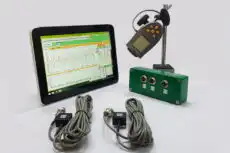
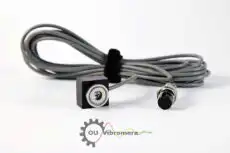
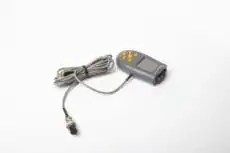
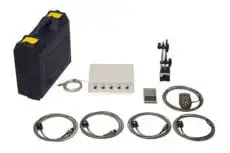
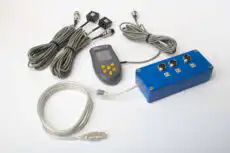
ਪੂਰੀ ਮਲਟੀ-ਪੁਆਇੰਟ ਮੋਡਲ ਟੈਸਟਿੰਗ ਇੱਕ ਸਮਰਪਿਤ ਗਤੀਵਿਧੀ ਹੈ, ਪਰ ਰਿਲਾਇਬਿਲਿਟੀ ਇੰਜੀਨੀਅਰ ਅਕਸਰ ਇਸ ਨੂੰ ਸ਼ੌਪ ਫਲੋਰ ਉੱਤੇ ਇੱਕ ਵਧੇਰੇ ਸੰਖੇਪ ਰੂਪ ਵਿੱਚ ਮਿਲਦਾ ਹੈ: ਬੈਲੇਂਸਿੰਗ ਦੇ ਕੰਮ ਵਿੱਚ ਲੱਗਣ ਤੋਂ ਪਹਿਲਾਂ ਸ਼ੱਕੀ ਕੁਦਰਤੀ ਫ੍ਰੀਕੁਐਂਸੀ ਲੱਭਣ ਲਈ ਇੱਕ ਤੁਰੰਤ ਬੰਪ ਟੈਸਟ। ਇਹ ਕਦਮ ਮਹੱਤਵਪੂਰਨ ਹੈ ਕਿਉਂਕਿ ਇੱਕ ਰੋਟਰ ਨੂੰ ਬੈਲੇਂਸ ਕਰਨਾ ਜਿਸ ਦਾ ਸਪੋਰਟ ਢਾਂਚਾ ਰੈਜ਼ੋਨੈਂਸ ਵਿੱਚ ਹੈ, ਸਿਰਫ਼ ਬੇਕਾਰ ਕੋਸ਼ਿਸ਼ ਹੈ — ਪ੍ਰਤੀਕਿਰਿਆ ਢਾਂਚੇ ਦੁਆਰਾ ਹਾਵੀ ਹੁੰਦੀ ਹੈ, ਨਾ ਕਿ ਅਸੰਤੁਲਨ ਦੁਆਰਾ। ਇੱਕ ਪੋਰਟੇਬਲ ਟੂ-ਚੈਨਲ ਯੰਤਰ ਜਿਵੇਂ ਕਿ Balanset-1A ਇੰਜੀਨੀਅਰ ਨੂੰ ਮਸ਼ੀਨ ਦੇ ਆਪਣੇ ਬੇਅਰਿੰਗਾਂ ਵਿੱਚ ਓਪਰੇਟਿੰਗ ਸਪੀਡ ਉੱਤੇ ਵਾਈਬ੍ਰੇਸ਼ਨ ਕੈਪਚਰ ਕਰਨ ਅਤੇ ਇਹ ਪੁਸ਼ਟੀ ਕਰਨ ਦਿੰਦਾ ਹੈ ਕਿ ਰਨਿੰਗ ਸਪੀਡ ਇੱਕ ਸਟ੍ਰਕਚਰਲ ਕੁਦਰਤੀ ਫ੍ਰੀਕੁਐਂਸੀ ਤੋਂ ਸਾਫ਼ ਹੈ, ਤਾਂ ਜੋ ਬਾਅਦ ਵਾਲੀ ਸਾਈਟ ਬੈਲੇਂਸਿੰਗ (ਫੀਲਡ ਬੈਲੇਂਸਿੰਗ) ਅਸਲ ਵਿੱਚ ਸਹੀ ਸਰੋਤ ਨੂੰ ਸੰਬੋਧਿਤ ਕਰੇ। ਇੱਕ ਵਾਰ ਢਾਂਚੇ ਨੂੰ ਰੱਦ ਕਰ ਦਿੱਤਾ ਜਾਵੇ, ਉਹੀ ਯੰਤਰ ਰੋਟਰ ਨੂੰ ਬੈਲੇਂਸ ਕਰਨ ਅਤੇ ਨਤੀਜੇ ਦੀ ਪੁਸ਼ਟੀ ਕਰਨ ਲਈ ਲੋੜੀਂਦਾ 1× ਐਂਪਲੀਟਿਊਡ ਅਤੇ ਫੇਜ਼ ਮਾਪਦਾ ਹੈ। ਇਸ ਤਰ੍ਹਾਂ ਮੋਡਲ ਵਿਸ਼ਲੇਸ਼ਣ ਦਾ ਵਿਸ਼ਾਲ ਅਨੁਸ਼ਾਸਨ ਅਤੇ ਬੈਲੇਂਸਿੰਗ ਦਾ ਕੇਂਦਰਿਤ ਕੰਮ ਇੱਕ-ਦੂਜੇ ਨੂੰ ਮਜ਼ਬੂਤ ਕਰਦੇ ਹਨ: ਪਹਿਲਾ ਯਕੀਨੀ ਬਣਾਉਂਦਾ ਹੈ ਕਿ ਤੁਸੀਂ ਸਹੀ ਸਮੱਸਿਆ ਹੱਲ ਕਰ ਰਹੇ ਹੋ, ਦੂਜਾ ਇਸਨੂੰ ਹੱਲ ਕਰਦਾ ਹੈ।

