ਰੋਟਰ ਵਾਈਬ੍ਰੇਸ਼ਨ ਵਿੱਚ ਨੋਡਲ ਬਿੰਦੂਆਂ ਨੂੰ ਸਮਝਣਾ

A ਨੋਡਲ ਬਿੰਦੂ — ਜਿਸਨੂੰ ਨੋਡ ਵੀ ਕਿਹਾ ਜਾਂਦਾ ਹੈ, ਜਾਂ ਜਦੋਂ ਗਤੀ ਨੂੰ ਤਿੰਨ ਪਸਾਰਾਂ ਵਿੱਚ ਵੇਖਿਆ ਜਾਵੇ ਤਾਂ ਨੋਡਲ ਲਾਈਨ — ਇੱਕ ਥਰਥਰਾਉਂਦੇ ਰੋਟਰ ਜਿੱਥੇ ਵਿਸਥਾਪਨ ਇੱਕ ਖਾਸ ਕੁਦਰਤੀ ਫ੍ਰੀਕੁਐਂਸੀ. ਭਾਵੇਂ ਸ਼ਾਫਟ ਦਾ ਬਾਕੀ ਹਿੱਸਾ ਮੁੜਦਾ ਅਤੇ ਆਪਣੀ ਗਤੀ ਵਿੱਚ ਘੁੰਮਦਾ ਹੈ, ਨੋਡਲ ਪੁਆਇੰਟ ਸ਼ਾਫਟ ਦੀ ਨਿਊਟ੍ਰਲ ਸਥਿਤੀ ਦੇ ਸਾਪੇਖ ਸਥਿਰ ਰਹਿੰਦਾ ਹੈ। ਨੋਡਲ ਪੁਆਇੰਟ ਮੋਡ ਸ਼ੇਪਸ (mode shapes), ਦੇ ਬੁਨਿਆਦੀ ਗੁਣ ਹਨ, ਅਤੇ ਇਹ ਜਾਣਨਾ ਕਿ ਉਹ ਕਿੱਥੇ ਪੈਂਦੇ ਹਨ, ਰੋਟਰ ਡਾਇਨਾਮਿਕਸ ਵਿਸ਼ਲੇਸ਼ਣ ਲਈ, ਬੈਲੇਂਸਿੰਗ ਰਣਨੀਤੀ ਲਈ, ਅਤੇ ਇਹ ਫੈਸਲਾ ਕਰਨ ਲਈ ਕਿ ਵਾਈਬ੍ਰੇਸ਼ਨ ਸੈਂਸਰ ਕਿੱਥੇ ਲਗਾਏ ਜਾਣ, ਨਿਰਣਾਇਕ ਹੈ। ਜੇ ਇਨ੍ਹਾਂ ਦਾ ਗਲਤ ਅੰਦਾਜ਼ਾ ਲਗਾਇਆ ਜਾਵੇ ਤਾਂ ਬੈਲੰਸਿੰਗ ਦਾ ਕੰਮ ਅਸਫਲ ਹੋ ਜਾਂਦਾ ਹੈ ਜਾਂ ਨਿਗਰਾਨੀ ਸਿਸਟਮ ਅਸਲੀ ਵਾਈਬ੍ਰੇਸ਼ਨ ਪ੍ਰਤੀ ਅੰਨ੍ਹਾ ਹੋ ਜਾਂਦਾ ਹੈ; ਇਨ੍ਹਾਂ ਨੂੰ ਸਮਝ ਲਓ ਤਾਂ ਦੋਵੇਂ ਸੌਖੇ ਹੋ ਜਾਂਦੇ ਹਨ।
1. ਵੱਖ-ਵੱਖ ਵਾਈਬ੍ਰੇਸ਼ਨ ਮੋਡਾਂ ਵਿੱਚ ਨੋਡਲ ਪੁਆਇੰਟ
ਸ਼ਾਫਟ ਦੇ ਹਰੇਕ ਮੋਡ ਦਾ ਆਪਣਾ ਨੋਡ ਅਤੇ ਐਂਟੀਨੋਡ ਦਾ ਪੈਟਰਨ ਹੁੰਦਾ ਹੈ, ਜੋ ਮੋਡ ਨੰਬਰ ਵਧਣ ਨਾਲ ਹੋਰ ਗੁੰਝਲਦਾਰ ਹੁੰਦਾ ਜਾਂਦਾ ਹੈ।
ਪਹਿਲਾ ਬੈਂਡਿੰਗ ਮੋਡ
ਪਹਿਲੇ (ਮੂਲ) ਬੈਂਡਿੰਗ ਮੋਡ ਵਿੱਚ ਆਮ ਤੌਰ 'ਤੇ ਇਹ ਹੁੰਦਾ ਹੈ:
- ਜ਼ੀਰੋ ਅੰਦਰੂਨੀ ਨੋਡ — ਸ਼ਾਫਟ ਦੇ ਪੂਰੇ ਵਿਸਤਾਰ ਵਿੱਚ ਜ਼ੀਰੋ ਡਿਫਲੈਕਸ਼ਨ ਦਾ ਕੋਈ ਬਿੰਦੂ ਨਹੀਂ;
- ਬੇਅਰਿੰਗ ਸਥਾਨਾਂ ਨੂੰ ਲਗਭਗ ਨੋਡ ਵਜੋਂ — ਇੱਕ ਸਧਾਰਨ-ਸਮਰਥਿਤ ਢਾਂਚੇ ਵਿੱਚ ਬੇਅਰਿੰਗ ਲਗਭਗ-ਨੋਡਲ ਪੁਆਇੰਟਾਂ ਵਾਂਗ ਕੰਮ ਕਰਦੇ ਹਨ;
- ਵੱਧ ਤੋਂ ਵੱਧ ਡਿਫਲੈਕਸ਼ਨ ਬੇਅਰਿੰਗਾਂ ਦੇ ਵਿਚਕਾਰਲੇ ਹਿੱਸੇ ਦੇ ਨੇੜੇ; ਅਤੇ
- ਇੱਕ ਸਧਾਰਨ ਆਰਕ ਆਕਾਰ — ਸ਼ਾਫਟ ਇੱਕ ਸਿੰਗਲ ਨਿਰਵਿਘਨ ਵਕਰ ਵਿੱਚ ਮੁੜਦਾ ਹੈ।
ਦੂਜਾ ਬੈਂਡਿੰਗ ਮੋਡ
ਦੂਜੇ ਮੋਡ ਦਾ ਪੈਟਰਨ ਵਧੇਰੇ ਗੁੰਝਲਦਾਰ ਹੁੰਦਾ ਹੈ:
- ਇੱਕ ਅੰਦਰੂਨੀ ਨੋਡ — ਇੱਕ ਇਕੱਲਾ ਬਿੰਦੂ, ਆਮ ਤੌਰ 'ਤੇ ਵਿਚਕਾਰਲੇ ਹਿੱਸੇ ਦੇ ਨੇੜੇ, ਜਿੱਥੇ ਡਿਫਲੈਕਸ਼ਨ ਜ਼ੀਰੋ ਹੁੰਦੀ ਹੈ;
- ਇੱਕ S-ਵਕਰ ਆਕਾਰ — ਸ਼ਾਫਟ ਨੋਡ ਦੇ ਦੋਵੇਂ ਪਾਸੇ ਉਲਟ ਦਿਸ਼ਾਵਾਂ ਵਿੱਚ ਮੁੜਦਾ ਹੈ;
- ਦੋ ਐਂਟੀਨੋਡ — ਨੋਡ ਦੇ ਹਰੇਕ ਪਾਸੇ ਵੱਧ ਤੋਂ ਵੱਧ ਡਿਫਲੈਕਸ਼ਨ; ਅਤੇ
- ਇੱਕ ਵੱਧ ਬਾਰੰਬਾਰਤਾ — ਇਸਦੀ ਕੁਦਰਤੀ ਬਾਰੰਬਾਰਤਾ ਪਹਿਲੇ ਮੋਡ ਤੋਂ ਕਾਫ਼ੀ ਵੱਧ ਹੁੰਦੀ ਹੈ।
ਤੀਜਾ ਮੋਡ ਅਤੇ ਉੱਚੇ ਮੋਡ
- ਤੀਜਾ ਮੋਡ: ਦੋ ਅੰਦਰੂਨੀ ਨੋਡਲ ਪੁਆਇੰਟ ਅਤੇ ਤਿੰਨ ਐਂਟੀਨੋਡ;
- ਚੌਥਾ ਮੋਡ: ਤਿੰਨ ਨੋਡਲ ਪੁਆਇੰਟ ਅਤੇ ਚਾਰ ਐਂਟੀਨੋਡ;
- ਆਮ ਨਿਯਮ: ਮੋਡ N ਦੇ (N − 1) ਅੰਦਰੂਨੀ ਨੋਡਲ ਪੁਆਇੰਟ ਹੁੰਦੇ ਹਨ; ਅਤੇ
- ਵਧਦੀ ਗੁੰਝਲਤਾ: ਉੱਚੇ ਮੋਡ ਹੌਲੀ-ਹੌਲੀ ਵਧੇਰੇ ਗੁੰਝਲਦਾਰ ਵੇਵ ਪੈਟਰਨ ਦਿਖਾਉਂਦੇ ਹਨ।
2. ਨੋਡਲ ਪੁਆਇੰਟਾਂ ਦਾ ਭੌਤਿਕ ਮਹੱਤਵ
ਜ਼ੀਰੋ ਡਿਫਲੈਕਸ਼ਨ — ਪਰ ਵੱਧ ਤੋਂ ਵੱਧ ਤਣਾਅ
ਨੋਡਲ ਪੁਆਇੰਟ 'ਤੇ, ਉਸ ਮੋਡ ਦੀ ਕੁਦਰਤੀ ਬਾਰੰਬਾਰਤਾ 'ਤੇ ਥਰਥਰਾਹਟ ਦੌਰਾਨ:
- ਪਾਸੇ ਵਾਲੀ ਡਿਸਪਲੇਸਮੈਂਟ ਜ਼ੀਰੋ ਹੁੰਦੀ ਹੈ ਅਤੇ ਸ਼ਾਫਟ ਆਪਣੀ ਨਿਊਟ੍ਰਲ ਧੁਰੀ ਵਿੱਚੋਂ ਲੰਘਦਾ ਹੈ;
- ਫਿਰ ਵੀ ਝੁਕਾਓ ਤਣਾਅ ਆਮ ਤੌਰ 'ਤੇ ਵੱਧ ਤੋਂ ਵੱਧ ਹੁੰਦਾ ਹੈ, ਕਿਉਂਕਿ ਉੱਥੇ ਡਿਫਲੈਕਸ਼ਨ ਕਰਵ ਦੀ ਢਲਾਣ ਸਭ ਤੋਂ ਤਿੱਖੀ ਹੁੰਦੀ ਹੈ; ਅਤੇ
- ਕਾਤਰ ਬਲ ਵੀ ਨੋਡ 'ਤੇ ਸਭ ਤੋਂ ਵੱਧ ਹੁੰਦੇ ਹਨ।
ਇਹ ਵਿਪਰੀਤ ਜੋੜਾ — ਸਭ ਤੋਂ ਘੱਟ ਗਤੀ, ਸਭ ਤੋਂ ਵੱਧ ਤਣਾਅ — ਇਸੇ ਲਈ ਨੋਡ ਇੱਕ ਵਧੀਆ ਸਹਾਰਾ-ਸਥਾਨ ਹੋ ਸਕਦਾ ਹੈ ਪਰ ਸਿਰਫ਼ ਗਤੀ ਦੇ ਆਧਾਰ 'ਤੇ ਰੋਟਰ ਦੀ ਸਿਹਤ ਦਾ ਨਿਰਣਾ ਕਰਨ ਲਈ ਖਰਾਬ ਥਾਂ ਹੈ।
ਜ਼ੀਰੋ ਸੰਵੇਦਨਸ਼ੀਲਤਾ
ਨੋਡਲ ਪੁਆਇੰਟ 'ਤੇ ਲਗਾਈ ਗਈ ਬਲ ਜਾਂ ਭਾਰ ਦਾ ਉਸ ਖਾਸ ਮੋਡ 'ਤੇ ਘੱਟੋ-ਘੱਟ ਅਸਰ ਹੁੰਦਾ ਹੈ:
- ਨੋਡ 'ਤੇ ਜੋੜਨਾ ਸੁਧਾਰ ਭਾਰ ਉਸ ਮੋਡ ਨੂੰ ਬੈਲੰਸ ਕਰਨ ਵਿੱਚ ਬਹੁਤ ਘੱਟ ਮਦਦ ਕਰਦਾ ਹੈ;
- ਨੋਡ 'ਤੇ ਲਗਾਏ ਗਏ ਸੈਂਸਰ ਉਸ ਮੋਡ ਲਈ ਘੱਟੋ-ਘੱਟ ਵਾਈਬ੍ਰੇਸ਼ਨ ਦਾ ਪਤਾ ਲਗਾਉਂਦੇ ਹਨ; ਅਤੇ
- ਨੋਡ 'ਤੇ ਸਹਾਰਾ ਜਾਂ ਸੀਮਾ ਮੋਡ ਦੀ ਕੁਦਰਤੀ ਬਾਰੰਬਾਰਤਾ ਨੂੰ ਬਹੁਤ ਘੱਟ ਬਦਲਦੀ ਹੈ।
3. ਬੈਲੰਸਿੰਗ ਲਈ ਵਿਹਾਰਕ ਪ੍ਰਭਾਵ
ਕਰੈਕਸ਼ਨ-ਪਲੇਨ ਦੀ ਚੋਣ
ਇਹ ਜਾਣਨਾ ਕਿ ਨੋਡ ਕਿੱਥੇ ਹਨ, ਪੂਰੀ ਬੈਲੰਸਿੰਗ ਪਹੁੰਚ ਨੂੰ ਦਿਸ਼ਾ ਦਿੰਦਾ ਹੈ, ਅਤੇ ਇਹ ਸਖ਼ਤ (ਰਿਜਿਡ) ਅਤੇ ਲਚਕੀਲੇ (ਫਲੈਕਸੀਬਲ) ਰੋਟਰਾਂ ਵਿਚਕਾਰ ਬਹੁਤ ਵੱਖਰਾ ਹੁੰਦਾ ਹੈ।
ਰਿਜਿਡ ਰੋਟਰਾਂ ਲਈ
- ਉਹ ਪਹਿਲੀ ਕ੍ਰਿਟੀਕਲ ਸਪੀਡ ਤੋਂ ਹੇਠਾਂ ਕੰਮ ਕਰਦੇ ਹਨ;
- ਪਹਿਲਾ ਮੋਡ ਕਾਫ਼ੀ ਹੱਦ ਤੱਕ ਉਤੇਜਿਤ ਨਹੀਂ ਹੁੰਦਾ;
- ਸਟੈਂਡਰਡ ਦੋ-ਤਲ ਬੈਲੇਂਸਿੰਗ ਰੋਟਰ ਸਿਰਿਆਂ ਦੇ ਨੇੜੇ ਪ੍ਰਭਾਵਸ਼ਾਲੀ ਹੁੰਦਾ ਹੈ; ਅਤੇ
- ਨੋਡਲ ਪੁਆਇੰਟ ਮੁੱਖ ਚਿੰਤਾ ਦਾ ਵਿਸ਼ਾ ਨਹੀਂ ਹੁੰਦੇ।
ਫਲੈਕਸੀਬਲ ਰੋਟਰਾਂ ਲਈ
- ਇਹ ਕ੍ਰਿਟੀਕਲ ਸਪੀਡ ਦੇ ਦੌਰਾਨ ਜਾਂ ਉਸ ਤੋਂ ਉੱਪਰ ਚੱਲਦੇ ਹਨ;
- ਮੋਡ ਸ਼ੇਪਾਂ ਅਤੇ ਨੋਡਲ ਪੁਆਇੰਟਾਂ ਨੂੰ ਧਿਆਨ ਵਿੱਚ ਰੱਖਣਾ ਜ਼ਰੂਰੀ ਹੈ;
- ਪ੍ਰਭਾਵਸ਼ਾਲੀ ਸੁਧਾਰ ਪਲੇਨ ਐਂਟੀਨੋਡਾਂ — ਅਧਿਕਤਮ ਡਿਫਲੈਕਸ਼ਨ ਵਾਲੇ ਬਿੰਦੂਆਂ — ਉੱਤੇ ਜਾਂ ਉਹਨਾਂ ਦੇ ਨੇੜੇ ਸਥਿਤ ਹੁੰਦੇ ਹਨ;
- ਗੈਰ-ਪ੍ਰਭਾਵਸ਼ਾਲੀ ਸਥਾਨ ਇੱਕ ਨੋਡ ਉੱਤੇ ਜਾਂ ਉਸਦੇ ਨੇੜੇ ਕਰੈਕਸ਼ਨ ਪਲੇਨ ਹੁੰਦੇ ਹਨ, ਜੋ ਉਸ ਮੋਡ ਨੂੰ ਬਹੁਤ ਘੱਟ ਪ੍ਰਭਾਵਿਤ ਕਰਦੇ ਹਨ; ਅਤੇ
- ਮੋਡਲ ਬੈਲੇਂਸਿੰਗ ਕਰੈਕਸ਼ਨ ਵੇਟਾਂ ਨੂੰ ਵੰਡਦੇ ਸਮੇਂ ਨੋਡਲ-ਪੁਆਇੰਟ ਸਥਾਨਾਂ ਨੂੰ ਸਪੱਸ਼ਟ ਤੌਰ ’ਤੇ ਧਿਆਨ ਵਿੱਚ ਰੱਖਦਾ ਹੈ।
ਉਦਾਹਰਨ: ਦੂਜੇ-ਮੋਡ ਦੀ ਬੈਲੈਂਸਿੰਗ
ਇੱਕ ਲੰਬੇ ਲਚਕਦਾਰ ਸ਼ਾਫਟ ਦੀ ਕਲਪਨਾ ਕਰੋ ਜੋ ਆਪਣੀ ਪਹਿਲੀ ਕ੍ਰਿਟੀਕਲ ਸਪੀਡ ਤੋਂ ਉੱਪਰ ਚੱਲ ਰਿਹਾ ਹੈ, ਦੂਜੇ ਮੋਡ ਨੂੰ ਐਕਸਾਈਟ ਕਰਦੇ ਹੋਏ:
- ਦੂਜੇ ਮੋਡ ਵਿੱਚ ਮਿਡ-ਸਪੈਨ ਦੇ ਨੇੜੇ ਇੱਕ ਨੋਡਲ ਪੁਆਇੰਟ ਹੁੰਦਾ ਹੈ;
- ਸਾਰਾ ਕਰੈਕਸ਼ਨ ਵੇਟ ਮਿਡ-ਸਪੈਨ ਦੇ ਨੇੜੇ — ਨੋਡ ਉੱਤੇ — ਰੱਖਣਾ ਬੇਅਸਰ ਹੋਵੇਗਾ;
- ਸਭ ਤੋਂ ਵਧੀਆ ਰਣਨੀਤੀ ਇਹ ਹੈ ਕਿ ਕਰੈਕਸ਼ਨਾਂ ਨੂੰ ਦੋ ਐਂਟੀਨੋਡਾਂ ਉੱਤੇ ਰੱਖਿਆ ਜਾਵੇ, ਨੋਡ ਦੇ ਹਰੇਕ ਪਾਸੇ ਇੱਕ; ਅਤੇ
- ਬੈਲੈਂਸਿੰਗ ਦੇ ਕਾਰਗਰ ਹੋਣ ਲਈ ਵੇਟ-ਡਿਸਟ੍ਰੀਬਿਊਸ਼ਨ ਪੈਟਰਨ ਦੂਜੇ ਮੋਡ ਸ਼ੇਪ ਨਾਲ ਮੇਲ ਖਾਣਾ ਚਾਹੀਦਾ ਹੈ।
4. ਸੈਂਸਰ-ਪਲੇਸਮੈਂਟ ਬਾਰੇ ਵਿਚਾਰ
ਵਾਈਬ੍ਰੇਸ਼ਨ-ਮਾਪਣ ਦੀ ਰਣਨੀਤੀ
ਨੋਡਲ ਪੁਆਇੰਟਾਂ ਦਾ ਇਸ ਉੱਤੇ ਨਿਰਣਾਇਕ ਪ੍ਰਭਾਵ ਹੁੰਦਾ ਹੈ ਵਾਈਬ੍ਰੇਸ਼ਨ ਨਿਗਰਾਨੀ.
ਨੋਡਲ ਸਥਾਨਾਂ ਤੋਂ ਬਚੋ
- ਇੱਕ ਨੋਡ ਉੱਤੇ ਲੱਗਿਆ ਸੈਂਸਰ ਉਸ ਮੋਡ ਲਈ ਘੱਟੋ-ਘੱਟ ਵਾਈਬ੍ਰੇਸ਼ਨ ਖੋਜਦਾ ਹੈ;
- ਜੇ ਇਹ ਇਕੱਲਾ ਮਾਪਣ ਬਿੰਦੂ ਹੋਵੇ ਤਾਂ ਇਹ ਕਿਸੇ ਗੰਭੀਰ ਵਾਈਬ੍ਰੇਸ਼ਨ ਸਮੱਸਿਆ ਨੂੰ ਖੁੰਝਾ ਸਕਦਾ ਹੈ; ਅਤੇ
- ਇਹ ਸਵੀਕਾਰਯੋਗ ਵਾਈਬ੍ਰੇਸ਼ਨ ਪੱਧਰਾਂ ਦਾ ਗ਼ਲਤ ਪ੍ਰਭਾਵ ਦੇ ਸਕਦਾ ਹੈ।
ਐਂਟੀਨੋਡ ਸਥਾਨਾਂ ਨੂੰ ਨਿਸ਼ਾਨਾ ਬਣਾਓ
- ਐਂਟੀਨੋਡ ਅਧਿਕਤਮ ਵਾਈਬ੍ਰੇਸ਼ਨ ਐਂਪਲੀਟਿਊਡ ਦਿਖਾਉਂਦੇ ਹਨ;
- ਇਹ ਵਿਕਸਿਤ ਹੋ ਰਹੀ ਸਮੱਸਿਆ ਲਈ ਸਭ ਤੋਂ ਸੰਵੇਦਨਸ਼ੀਲ ਹੁੰਦੇ ਹਨ;
- ਸਧਾਰਨ-ਸਮਰਥਿਤ ਰੋਟਰ ਦੇ ਪਹਿਲੇ ਮੋਡ ਲਈ ਐਂਟੀਨੋਡ ਮੱਧ-ਸਪੈਨ ਦੇ ਨੇੜੇ ਸਥਿਤ ਹੁੰਦਾ ਹੈ (ਬੇਅਰਿੰਗਾਂ ਨੀਅਰ-ਨੋਡਸ ਦੇ ਨੇੜੇ ਹੁੰਦੀਆਂ ਹਨ); ਵਿਹਾਰਕ ਤੌਰ 'ਤੇ, ਮਸ਼ੀਨ ਨਿਗਰਾਨੀ ਅਜੇ ਵੀ ਆਮ ਤੌਰ 'ਤੇ ਬੇਅਰਿੰਗ ਹਾਊਸਿੰਗਾਂ 'ਤੇ ਮਾਪ ਲੈਂਦੀ ਹੈ ਕਿਉਂਕਿ ਇਹ ਪਹੁੰਚਯੋਗ, ਮਿਆਰੀ ਮਾਊਂਟਿੰਗ ਸਥਾਨ ਹਨ; ਅਤੇ
- ਉੱਚੇ ਮੋਡਾਂ ਲਈ, ਵਿਚਕਾਰਲੇ ਮਾਪਣ ਬਿੰਦੂਆਂ ਦੀ ਲੋੜ ਪੈ ਸਕਦੀ ਹੈ।
ਕਈ ਮਾਪ ਬਿੰਦੂ
- ਲਚਕਦਾਰ ਰੋਟਰਾਂ ਲਈ, ਕਈ ਧੁਰੀ ਸਥਾਨਾਂ ’ਤੇ ਮਾਪ ਲਓ;
- ਇਹ ਯਕੀਨੀ ਬਣਾਉਂਦਾ ਹੈ ਕਿ ਕੋਈ ਸੈਂਸਰ ਇੱਕ ਨੋਡ ਉੱਤੇ ਬੈਠੇ ਹੋਣ ਕਰਕੇ ਕੋਈ ਮੋਡ ਖੁੰਝ ਨਾ ਜਾਵੇ;
- ਇਹ ਮੋਡ ਸ਼ੇਪਾਂ ਨੂੰ ਪ੍ਰਯੋਗਾਤਮਕ ਤੌਰ ’ਤੇ ਨਿਰਧਾਰਿਤ ਕਰਨ ਦੀ ਸਹੂਲਤ ਦਿੰਦਾ ਹੈ; ਅਤੇ
- ਨਾਜ਼ੁਕ ਉਪਕਰਣ ਅਕਸਰ ਹਰੇਕ ਬੇਅਰਿੰਗ ਅਤੇ ਮਿਡ-ਸਪੈਨ ’ਤੇ ਸੈਂਸਰ ਲਗਾਉਂਦਾ ਹੈ।
5. ਨੋਡਲ-ਪੁਆਇੰਟ ਸਥਾਨਾਂ ਦਾ ਨਿਰਧਾਰਨ
ਵਿਸ਼ਲੇਸ਼ਣਾਤਮਕ ਭਵਿੱਖਬਾਣੀ
- ਫਾਈਨਾਈਟ-ਐਲੀਮੈਂਟ ਵਿਸ਼ਲੇਸ਼ਣ: ਮੋਡ ਸ਼ੇਪਾਂ ਦੀ ਗਣਨਾ ਕਰਦਾ ਹੈ ਅਤੇ ਨੋਡਾਂ ਦੀ ਸਹੀ ਸਥਿਤੀ ਦੱਸਦਾ ਹੈ।
- ਬੀਮ ਥਿਊਰੀ: ਸਧਾਰਨ ਕੌਨਫਿਗਰੇਸ਼ਨਾਂ ਲਈ, ਬੰਦ-ਰੂਪ ਦੇ ਹੱਲ ਨੋਡ ਸਥਾਨਾਂ ਦੀ ਭਵਿੱਖਬਾਣੀ ਕਰਦੇ ਹਨ।
- ਡਿਜ਼ਾਈਨ ਟੂਲ: ਰੋਟਰਡਾਇਨਾਮਿਕਸ ਸਾਫਟਵੇਅਰ ਹਰੇਕ ਮੋਡ ਸ਼ੇਪ ਨੂੰ ਦ੍ਰਿਸ਼ਟੀਗਤ ਤੌਰ ’ਤੇ ਨੋਡਾਂ ਦੇ ਨਿਸ਼ਾਨ ਲਗਾ ਕੇ ਦਿਖਾਉਂਦਾ ਹੈ।
ਪ੍ਰਯੋਗਾਤਮਕ ਪਛਾਣ
1. ਇੰਪੈਕਟ (ਬੰਪ) ਟੈਸਟਿੰਗ — ਸ਼ਾਫਟ ਨੂੰ ਇੱਕ ਇੰਸਟਰੂਮੈਂਟਿਡ ਹੈਮਰ ਨਾਲ ਕਈ ਸਥਾਨਾਂ ’ਤੇ ਮਾਰੋ ਅਤੇ ਕਈ ਬਿੰਦੂਆਂ ’ਤੇ ਪ੍ਰਤਿਕਿਰਿਆ ਮਾਪੋ; ਇੱਕ ਦਿੱਤੀ ਗਈ ਬਾਰੰਬਾਰਤਾ ’ਤੇ ਕੋਈ ਪ੍ਰਤਿਕਿਰਿਆ ਨਾ ਦਿਖਾਉਣ ਵਾਲਾ ਸਥਾਨ ਉਸ ਮੋਡ ਲਈ ਇੱਕ ਨੋਡਲ ਪੁਆਇੰਟ ਹੁੰਦਾ ਹੈ। ਇਸ ਤਕਨੀਕ ਦਾ ਵਿਸਤ੍ਰਿਤ ਵਰਣਨ ਇਸ ਦੇ ਅਧੀਨ ਕੀਤਾ ਗਿਆ ਹੈ ਬੰਪ ਟੈਸਟਿੰਗ ਅਤੇ ਇਮਪੈਕਟ ਟੈਸਟਿੰਗ.
2. ਓਪਰੇਟਿੰਗ-ਡਿਫਲੈਕਸ਼ਨ-ਸ਼ੇਪ ਮਾਪ — ਕ੍ਰਿਟੀਕਲ ਸਪੀਡ ਦੇ ਨੇੜੇ ਓਪਰੇਸ਼ਨ ਦੌਰਾਨ, ਕਈ ਧੁਰੀ ਬਿੰਦੂਆਂ ’ਤੇ ਵਾਈਬ੍ਰੇਸ਼ਨ ਮਾਪੋ, ਡਿਫਲੈਕਸ਼ਨ ਐਂਪਲੀਟਿਊਡ ਨੂੰ ਸਥਿਤੀ ਦੇ ਵਿਰੁੱਧ ਪਲਾਟ ਕਰੋ, ਅਤੇ ਜ਼ੀਰੋ-ਕ੍ਰਾਸਿੰਗਾਂ ਨੂੰ ਨੋਡਲ ਸਥਾਨਾਂ ਵਜੋਂ ਪੜ੍ਹੋ। ਇਹ ਇਸ ਦਾ ਕੇਂਦਰੀ ਹਿੱਸਾ ਹੈ ਓਪਰੇਟਿੰਗ ਡਿਫਲੈਕਸ਼ਨ ਸ਼ੇਪ ਵਿਸ਼ਲੇਸ਼ਣ.
3. ਪ੍ਰੌਕਸਿਮਿਟੀ-ਪ੍ਰੋਬ ਐਰੇ — ਕਈ ਨਾਨ-ਕਾਂਟੈਕਟ ਲਗਾਓ ਪ੍ਰੌਕਸਿਮਿਟੀ ਪ੍ਰੋਬ ਸ਼ਾਫਟ ਦੇ ਨਾਲ-ਨਾਲ ਅਤੇ ਸਟਾਰਟਅੱਪ ਜਾਂ ਦੌਰਾਨ ਸਿੱਧਾ ਡਿਫਲੈਕਸ਼ਨ ਮਾਪੋ ਕੋਸਟਡਾਊਨ; ਨੋਡ ਲੱਭਣ ਲਈ ਇਹ ਸਭ ਤੋਂ ਸਟੀਕ ਪ੍ਰਯੋਗਾਤਮਕ ਤਰੀਕਾ ਹੈ।
6. ਨੋਡਲ ਪੁਆਇੰਟ ਬਨਾਮ ਐਂਟੀਨੋਡ
ਨੋਡ ਅਤੇ ਐਂਟੀਨੋਡ ਇੱਕੋ ਤਸਵੀਰ ਦੇ ਪੂਰਕ ਅੱਧੇ ਹਿੱਸੇ ਹਨ।
| ਨੋਡਲ ਬਿੰਦੂ | ਐਂਟੀਨੋਡ |
|---|---|
| ਜ਼ੀਰੋ ਵਿਕ੍ਰਿਤੀ | ਵੱਧ ਤੋਂ ਵੱਧ ਵਿਕ੍ਰਿਤੀ |
| ਵੱਧ ਤੋਂ ਵੱਧ ਬੈਂਡਿੰਗ ਸਲੋਪ ਅਤੇ ਤਣਾਅ | ਜ਼ੀਰੋ ਬੈਂਡਿੰਗ ਸਲੋਪ |
| ਫੋਰਸ ਲਗਾਉਣ ਜਾਂ ਮਾਪ ਲਈ ਘੱਟ ਪ੍ਰਭਾਵਸ਼ੀਲਤਾ | ਸੁਧਾਰ ਵਜ਼ਨ ਲਈ ਵੱਧ ਤੋਂ ਵੱਧ ਪ੍ਰਭਾਵਸ਼ੀਲਤਾ |
| ਸਹਾਰਾ ਸਥਾਨਾਂ ਲਈ ਆਦਰਸ਼ (ਟ੍ਰਾਂਸਮਿਟਡ ਫੋਰਸ ਨੂੰ ਘੱਟੋ-ਘੱਟ ਕਰਦਾ ਹੈ) | ਸਭ ਤੋਂ ਵਧੀਆ ਸੈਂਸਰ-ਪਲੇਸਮੈਂਟ ਸਥਾਨ |
| — | ਸਾਂਝੇ ਲੋਡਿੰਗ ਹੇਠ ਸਭ ਤੋਂ ਵੱਧ ਤਣਾਅ |
7. ਵਿਹਾਰਕ ਵਰਤੋਂ ਅਤੇ ਕੇਸ ਸਟੱਡੀਜ਼
ਕੇਸ: ਪੇਪਰ-ਮਸ਼ੀਨ ਰੋਲ
- ਸਥਿਤੀ: 1,200 rpm 'ਤੇ ਚੱਲ ਰਿਹਾ ਇੱਕ ਲੰਬਾ (6-ਮੀਟਰ) ਰੋਲ, ਜਿਸ ਵਿੱਚ ਬਹੁਤ ਜ਼ਿਆਦਾ ਵਾਈਬ੍ਰੇਸ਼ਨ ਸੀ।
- ਵਿਸ਼ਲੇਸ਼ਣ: ਇਹ ਪਹਿਲੀ ਕ੍ਰਿਟੀਕਲ ਸਪੀਡ ਤੋਂ ਉੱਪਰ ਚੱਲ ਰਿਹਾ ਸੀ, ਜਿਸ ਨਾਲ ਦੂਜਾ ਮੋਡ ਸਰਗਰਮ ਹੋ ਰਿਹਾ ਸੀ ਅਤੇ ਮਿਡ-ਸਪੈਨ 'ਤੇ ਇੱਕ ਨੋਡ ਬਣ ਰਿਹਾ ਸੀ।
- ਸ਼ੁਰੂਆਤੀ ਕੋਸ਼ਿਸ਼: ਵਜ਼ਨ ਮਿਡ-ਸਪੈਨ — ਸੁਵਿਧਾਜਨਕ ਪਹੁੰਚ ਬਿੰਦੂ — 'ਤੇ ਜੋੜੇ ਗਏ ਸਨ, ਜਿਸ ਦੇ ਨਤੀਜੇ ਮਾੜੇ ਨਿਕਲੇ।
- ਹੱਲ: ਇਹ ਪਛਾਣਦੇ ਹੋਏ ਕਿ ਮਿਡ-ਸਪੈਨ ਹੀ ਨੋਡਲ ਪੁਆਇੰਟ ਸੀ, ਵਜ਼ਨਾਂ ਨੂੰ ਕੁਆਰਟਰ-ਪੁਆਇੰਟਾਂ (ਐਂਟੀਨੋਡਾਂ) 'ਤੇ ਮੁੜ ਵੰਡਿਆ ਗਿਆ।
- ਨਤੀਜਾ: ਵਾਈਬ੍ਰੇਸ਼ਨ 85% ਘੱਟ ਗਈ, ਇੱਕ ਸਫਲ ਮੋਡਲ ਬੈਲੈਂਸ।
ਕੇਸ: ਸਟੀਮ-ਟਰਬਾਈਨ ਨਿਗਰਾਨੀ
- ਸਥਿਤੀ: ਇੱਕ ਨਵੇਂ ਨਿਗਰਾਨੀ ਸਿਸਟਮ ਨੇ ਜਾਣੇ-ਪਛਾਣੇ ਅਸੰਤੁਲਨ ਦੇ ਬਾਵਜੂਦ ਘੱਟ ਵਾਈਬ੍ਰੇਸ਼ਨ ਦਿਖਾਈ।
- ਜਾਂਚ: ਸੈਂਸਰ ਅਣਜਾਣੇ ਵਿੱਚ ਪ੍ਰਮੁੱਖ ਮੋਡ ਦੇ ਨੋਡਲ ਪੁਆਇੰਟ ਦੇ ਨੇੜੇ ਲਗਾਇਆ ਗਿਆ ਸੀ।
- ਹੱਲ: ਐਂਟੀਨੋਡ ਸਥਾਨਾਂ 'ਤੇ ਵਾਧੂ ਸੈਂਸਰਾਂ ਨੇ ਅਸਲ ਵਾਈਬ੍ਰੇਸ਼ਨ ਪੱਧਰ ਦਿਖਾਏ।
- ਸਬਕ: ਨਿਗਰਾਨੀ ਸਿਸਟਮ ਡਿਜ਼ਾਈਨ ਕਰਦੇ ਸਮੇਂ ਹਮੇਸ਼ਾ ਮੋਡ ਸ਼ੇਪਾਂ 'ਤੇ ਵਿਚਾਰ ਕਰੋ।
8. ਉੱਨਤ ਵਿਚਾਰ
ਹਿਲਦੇ ਨੋਡ
ਕੁਝ ਸਿਸਟਮਾਂ ਵਿੱਚ ਨੋਡਲ ਪੁਆਇੰਟ ਓਪਰੇਟਿੰਗ ਹਾਲਤਾਂ ਨਾਲ ਬਦਲਦੇ ਹਨ:
- ਸਪੀਡ-ਨਿਰਭਰ ਬੇਅਰਿੰਗ ਸਟਿਫਨੈਸ ਨੋਡ ਸਥਾਨਾਂ ਨੂੰ ਹਿਲਾਉਂਦੀ ਹੈ;
- ਤਾਪਮਾਨ ਸ਼ਾਫਟ ਦੀ ਸਟਿਫਨੈਸ ਨੂੰ ਪ੍ਰਭਾਵਿਤ ਕਰਦਾ ਹੈ;
- ਪ੍ਰਤੀਕਿਰਿਆ ਲੋਡ 'ਤੇ ਨਿਰਭਰ ਹੋ ਸਕਦੀ ਹੈ; ਅਤੇ
- ਅਸਮਿਤ ਸਿਸਟਮਾਂ ਵਿੱਚ ਖਿਤਿਜੀ ਅਤੇ ਲੰਬਕਾਰੀ ਗਤੀ ਲਈ ਵੱਖ-ਵੱਖ ਨੋਡ ਹੋ ਸਕਦੇ ਹਨ।
ਅਨੁਮਾਨਿਤ ਬਨਾਮ ਸਹੀ ਨੋਡ
- ਸੱਚੇ ਨੋਡ: ਇੱਕ ਆਦਰਸ਼ੀਕ੍ਰਿਤ ਸਿਸਟਮ ਵਿੱਚ ਬਿਲਕੁਲ ਜ਼ੀਰੋ-ਡਿਫਲੈਕਸ਼ਨ ਬਿੰਦੂ।
- ਲਗਭਗ ਨੋਡ: ਇੱਕ ਅਸਲ ਸਿਸਟਮ ਵਿੱਚ ਬਹੁਤ ਘੱਟ — ਪਰ ਬਿਲਕੁਲ ਜ਼ੀਰੋ ਨਹੀਂ — ਡਿਫਲੈਕਸ਼ਨ ਵਾਲੇ ਸਥਾਨ, ਜਿਸ ਵਿੱਚ ਡੈਂਪਿੰਗ ਅਤੇ ਹੋਰ ਗੈਰ-ਆਦਰਸ਼ ਪ੍ਰਭਾਵ ਹੁੰਦੇ ਹਨ।
- ਵਿਹਾਰਕ ਨਤੀਜਾ: ਇੱਕ ਅਸਲ ਨੋਡ ਇੱਕ ਖੇਤਰ ਘੱਟ ਡਿਫਲੈਕਸ਼ਨ ਦਾ ਹੁੰਦਾ ਹੈ, ਨਾ ਕਿ ਇੱਕ ਸਟੀਕ ਗਣਿਤਕ ਬਿੰਦੂ।
9. ਫੀਲਡ ਵਿੱਚ ਇਸਨੂੰ ਕੰਮ 'ਤੇ ਲਗਾਉਣਾ
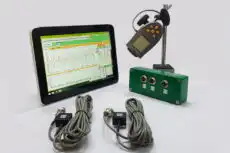
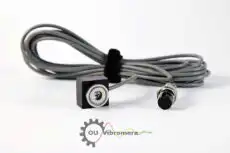
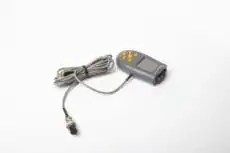
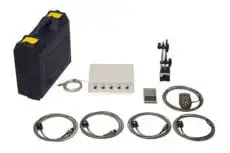
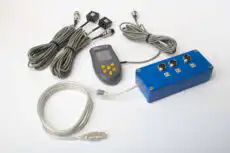
ਜ਼ਿਆਦਾਤਰ ਉਦਯੋਗਿਕ ਮਸ਼ੀਨਰੀ ਬਣਾਉਣ ਵਾਲੇ ਰਿਜਿਡ ਰੋਟਰਾਂ — ਪੰਪ, ਪੱਖੇ, ਮੋਟਰਾਂ, ਅਤੇ ਇਸ ਤਰ੍ਹਾਂ ਦੇ ਹੋਰ — ਲਈ, ਕੰਮ ਕਰਨ ਵਾਲਾ ਨਿਯਮ ਸਾਦਾ ਹੈ: ਪਹਿਲੀ ਕ੍ਰਿਟੀਕਲ ਸਪੀਡ ਤੋਂ ਹੇਠਾਂ ਰਹੋ ਤਾਂ ਮੁਸ਼ਕਲ ਭਰੇ ਬੈਂਡਿੰਗ ਨੋਡ ਕਦੇ ਨਹੀਂ ਦਿਖਾਈ ਦਿੰਦੇ, ਇਸ ਲਈ ਰੋਟਰ ਦੇ ਸਿਰਿਆਂ ਨੇੜੇ ਦੋ ਕਰੈਕਸ਼ਨ ਪਲੇਨ ਹੀ ਕੰਮ ਪੂਰਾ ਕਰ ਦਿੰਦੇ ਹਨ। ਇੱਕ ਪੋਰਟੇਬਲ ਦੋ-ਚੈਨਲ ਐਨਾਲਾਈਜ਼ਰ ਜਿਵੇਂ ਕਿ Balanset-1A ਬਿਲਕੁਲ ਉਹੀ ਸਿੰਗਲ- ਜਾਂ ਦੋ-ਪਲੇਨ ਸਾਈਟ ਬੈਲੇਂਸਿੰਗ (ਫੀਲਡ ਬੈਲੇਂਸਿੰਗ) ਮਸ਼ੀਨ ਦੇ ਆਪਣੇ ਬੇਅਰਿੰਗਾਂ ਵਿੱਚ ਕਰਦਾ ਹੈ, ਐਂਪਲੀਟਿਊਡ ਅਤੇ ਫੇਜ਼ ਵਜ਼ਨਾਂ ਦੀ ਗਣਨਾ ਕਰਨ ਲਈ ਮਾਪਦਾ ਹੈ। ਜਦੋਂ ਕਿਸੇ ਰੋਟਰ ਨੂੰ ਕ੍ਰਿਟੀਕਲ ਸਪੀਡ ਰਾਹੀਂ ਜਾਂ ਉਸ ਤੋਂ ਉੱਪਰ ਚਲਾਉਣਾ ਜ਼ਰੂਰੀ ਹੋਵੇ, ਤਾਂ ਕਈ ਧੁਰਵੀ ਬਿੰਦੂਆਂ 'ਤੇ ਲਈ ਗਈ ਉਹੀ ਐਂਪਲੀਟਿਊਡ-ਅਤੇ-ਫੇਜ਼ ਡੇਟਾ ਵਿਸ਼ਲੇਸ਼ਕ ਨੂੰ ਮੋਡ ਸ਼ੇਪ ਦਾ ਨਕਸ਼ਾ ਬਣਾਉਣ ਅਤੇ ਕਿਸੇ ਵੀ ਵਜ਼ਨ ਨੂੰ ਲਾਗੂ ਕਰਨ ਤੋਂ ਪਹਿਲਾਂ ਇਹ ਪੁਸ਼ਟੀ ਕਰਨ ਦਿੰਦਾ ਹੈ ਕਿ ਕਿਹੜਾ ਪਲੇਨ ਐਂਟੀਨੋਡ ਹੈ — 85% ਸੁਧਾਰ ਅਤੇ ਇੱਕ ਬੇਕਾਰ ਕੋਸ਼ਿਸ਼ ਵਿਚਕਾਰ ਫਰਕ। ਸੰਖੇਪ ਵਿੱਚ, ਨੋਡਲ ਪੁਆਇੰਟਾਂ ਨੂੰ ਸਮਝਣਾ ਹੀ ਵਾਈਬ੍ਰੇਸ਼ਨ ਡੇਟਾ ਨੂੰ ਇੱਕ ਸਹੀ ਬੈਲੈਂਸਿੰਗ ਫੈਸਲੇ ਵਿੱਚ ਬਦਲਦਾ ਹੈ।

