ਅਲਟਰਾਸਾਊਂਡ ਵਿਸ਼ਲੇਸ਼ਣ ਨੂੰ ਸਮਝਣਾ
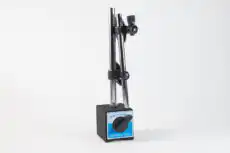

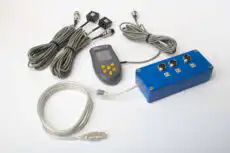
ਅਲਟਰਾਸਾਊਂਡ ਵਿਸ਼ਲੇਸ਼ਣ (Ultrasound Analysis) — ਜਿਸਨੂੰ ਹਵਾ-ਵਾਹਕ ਅਤੇ ਢਾਂਚਾ-ਵਾਹਕ ਅਲਟਰਾਸਾਊਂਡ ਵੀ ਕਿਹਾ ਜਾਂਦਾ ਹੈ — ਇੱਕ ਸਥਿਤੀ ਨਿਗਰਾਨੀ ਤਕਨਾਲੋਜੀ ਹੈ ਜੋ ਮਨੁੱਖੀ ਸੁਣਨ ਸ਼ਕਤੀ ਦੀ ਸੀਮਾ ਤੋਂ ਕਿਤੇ ਵੱਧ ਉੱਚ-ਬਾਰੰਬਾਰਤਾ ਵਾਲੀਆਂ ਆਵਾਜ਼ਾਂ ਨੂੰ ਸੁਣਦੀ ਹੈ। ਲੋਕ ਆਮ ਤੌਰ 'ਤੇ ਲਗਭਗ 20 ਕਿਲੋਹਰਟਜ਼ (kHz) ਤੱਕ ਸੁਣ ਸਕਦੇ ਹਨ; ਅਲਟਰਾਸਾਊਂਡ ਯੰਤਰ 20 kHz ਤੋਂ 100 kHz ਬੈਂਡ ਵਿੱਚ ਆਵਾਜ਼ਾਂ ਦਾ ਪਤਾ ਲਗਾਉਣ ਲਈ ਤਿਆਰ ਕੀਤੇ ਗਏ ਹਨ। ਇਹ ਉੱਚ-ਬਾਰੰਬਾਰਤਾ ਨਿਕਾਸ ਰਗੜ, ਟਰਬਿਊਲੈਂਸ, ਅਤੇ ਬਿਜਲਈ ਆਰਸਿੰਗ ਦੁਆਰਾ ਪੈਦਾ ਹੁੰਦੇ ਹਨ — ਇਹ ਤਿੰਨ ਚੀਜ਼ਾਂ ਲਗਭਗ ਹਮੇਸ਼ਾ ਇੱਕ ਵਿਕਸਿਤ ਹੋ ਰਹੀ ਖਰਾਬੀ ਦੇ ਨਾਲ ਹੁੰਦੀਆਂ ਹਨ। ਯੰਤਰ ਅਲਟਰਾਸਾਊਂਡ ਦਾ ਪਤਾ ਲਗਾਉਂਦਾ ਹੈ, ਇਸਨੂੰ ਹੈੱਡਫੋਨਾਂ ਰਾਹੀਂ ਸੁਣੇ ਜਾਣ ਵਾਲੇ ਇੱਕ ਸੁਣਨਯੋਗ ਸਿਗਨਲ ਵਿੱਚ ਬਦਲਦਾ ਹੈ, ਅਤੇ ਇਸਦੀ ਤੀਬਰਤਾ (ਐਂਪਲੀਟਿਊਡ) ਨੂੰ ਮਾਪਦਾ ਹੈ, ਜੋ ਡੈਸੀਬਲ (dB) ਪੱਧਰ ਵਜੋਂ ਪ੍ਰਦਰਸ਼ਿਤ ਹੁੰਦਾ ਹੈ। ਅਸਲ ਵਿੱਚ, ਇਹ ਇੱਕ ਨਿਰੀਖਕ ਨੂੰ ਉਨ੍ਹਾਂ ਸਮੱਸਿਆਵਾਂ ਨੂੰ “ਸੁਣਨ” ਦਿੰਦਾ ਹੈ ਜੋ ਨਹੀਂ ਤਾਂ ਪੂਰੀ ਤਰ੍ਹਾਂ ਚੁੱਪ ਹੁੰਦੀਆਂ ਹਨ, ਜਿਸ ਨਾਲ ਇਹ ਇੱਕ ਆਧੁਨਿਕ ਵਾਈਬ੍ਰੇਸ਼ਨ ਵਿਸ਼ਲੇਸ਼ਣ ਅਤੇ ਥਰਮੋਗ੍ਰਾਫੀ ਵਿੱਚ ਇੱਕ ਸ਼ਕਤੀਸ਼ਾਲੀ ਪੂਰਕ ਬਣ ਜਾਂਦਾ ਹੈ ਭਵਿੱਖਬਾਣੀ ਰੱਖ-ਰਖਾਵ ਪ੍ਰੋਗਰਾਮ।
1. ਪਰਿਭਾਸ਼ਾ: ਅਲਟਰਾਸਾਊਂਡ ਵਿਸ਼ਲੇਸ਼ਣ ਕੀ ਹੈ?
ਆਪਣੇ ਮੂਲ ਵਿੱਚ, ਅਲਟਰਾਸਾਊਂਡ ਵਿਸ਼ਲੇਸ਼ਣ ਉਸ ਧੁਨੀ ਊਰਜਾ ਨੂੰ ਹਾਸਲ ਕਰਨ ਬਾਰੇ ਹੈ ਜਿਸਨੂੰ ਮਨੁੱਖੀ ਕੰਨ ਦਰਜ ਨਹੀਂ ਕਰ ਸਕਦਾ। ਭੌਤਿਕ ਵਿਗਿਆਨ ਇੱਥੇ ਮਹੱਤਵਪੂਰਨ ਹੈ: ਅਲਟਰਾਸੋਨਿਕ ਤਰੰਗਾਂ ਛੋਟੀ-ਤਰੰਗ-ਲੰਬਾਈ ਵਾਲੀਆਂ ਅਤੇ ਉੱਚ ਦਿਸ਼ਾ-ਨਿਰਦੇਸ਼ਿਤ ਹੁੰਦੀਆਂ ਹਨ, ਅਤੇ ਇਹ ਦੂਰੀ ਦੇ ਨਾਲ ਅਤੇ ਠੋਸ ਰੁਕਾਵਟਾਂ ਰਾਹੀਂ ਤੇਜ਼ੀ ਨਾਲ ਘੱਟ ਹੁੰਦੀਆਂ ਹਨ। ਇਹੀ ਗੱਲ ਇਸ ਤਕਨੀਕ ਨੂੰ ਨਿਰੀਖਣ ਲਈ ਇੰਨਾ ਲਾਭਦਾਇਕ ਬਣਾਉਂਦੀ ਹੈ — ਕਿਉਂਕਿ ਆਵਾਜ਼ ਤੇਜ਼ੀ ਨਾਲ ਖਤਮ ਹੋ ਜਾਂਦੀ ਹੈ, ਸਭ ਤੋਂ ਉੱਚੀ ਰੀਡਿੰਗ ਭਰੋਸੇਯੋਗ ਢੰਗ ਨਾਲ ਸਰੋਤ ਵੱਲ ਇਸ਼ਾਰਾ ਕਰਦੀ ਹੈ, ਜਿਸ ਨਾਲ ਇੱਕ ਨਿਰੀਖਕ ਭਰੋਸੇ ਨਾਲ ਲੀਕ ਜਾਂ ਖਰਾਬ ਸੰਪਰਕ ਦਾ ਸਹੀ ਸਥਾਨ ਲੱਭ ਸਕਦਾ ਹੈ।
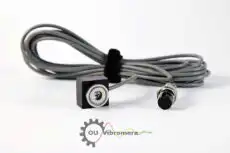
ਅਲਟਰਾਸਾਊਂਡ ਉੱਥੇ ਪੈਦਾ ਹੁੰਦਾ ਹੈ ਜਿੱਥੇ ਰਗੜ ਹੋਵੇ (ਇੱਕ ਸੁੱਕਾ ਜਾਂ ਖਰਾਬ ਬੇਅਰਿੰਗ), ਟਰਬਿਊਲੈਂਸ ਹੋਵੇ (ਇੱਕ ਛੋਟੇ ਛੇਕ ਵਿੱਚੋਂ ਗੈਸ ਨਿਕਲਣਾ), ਜਾਂ ਬਿਜਲਈ ਡਿਸਚਾਰਜ ਹੋਵੇ (ਆਰਸਿੰਗ, ਟਰੈਕਿੰਗ, ਅਤੇ ਕੋਰੋਨਾ)। ਯੰਤਰ ਇਸ ਨਿਕਾਸ ਦਾ ਪਤਾ ਜਾਂ ਤਾਂ ਇੱਕ ਹਵਾ-ਵਾਹਕ ਸੈਂਸਰ (ਇੱਕ ਅਲਟਰਾਸੋਨਿਕ ਮਾਈਕ੍ਰੋਫੋਨ) ਜਾਂ ਇੱਕ ਸੰਪਰਕ ਸੈਂਸਰ (ਢਾਂਚਾ-ਵਾਹਕ ਆਵਾਜ਼ ਹਾਸਲ ਕਰਨ ਲਈ ਸਤਹ ਦੇ ਵਿਰੁੱਧ ਦਬਾਇਆ ਗਿਆ ਇੱਕ ਵੇਵਗਾਈਡ) ਨਾਲ ਲਗਾਉਂਦਾ ਹੈ। ਫੜਿਆ ਗਿਆ ਸਿਗਨਲ ਫਿਰ ਕੰਡੀਸ਼ਨ ਕੀਤਾ ਜਾਂਦਾ ਹੈ ਅਤੇ ਨਿਰੀਖਕ ਨੂੰ ਇੱਕ ਸੁਣਨਯੋਗ ਟੋਨ ਅਤੇ ਇੱਕ ਸੰਖਿਆਤਮਕ dB ਪੱਧਰ ਦੋਵਾਂ ਵਜੋਂ ਪੇਸ਼ ਕੀਤਾ ਜਾਂਦਾ ਹੈ, ਤਾਂ ਜੋ ਨਿਦਾਨ ਇੱਕ ਸਿਖਲਾਈ ਪ੍ਰਾਪਤ ਕੰਨ ਨੂੰ ਇੱਕ ਉਦੇਸ਼ਪੂਰਨ, ਰੁਝਾਨ-ਯੋਗ ਮਾਪ ਦੇ ਨਾਲ ਜੋੜੇ।
2. ਇਹ ਕਿਵੇਂ ਕੰਮ ਕਰਦਾ ਹੈ: ਹੈਟਰੋਡਾਈਨਿੰਗ
ਇੱਕ ਅਲਟਰਾਸਾਊਂਡ ਯੰਤਰ ਦੇ ਅੰਦਰਲੀ ਮੂਲ ਤਕਨਾਲੋਜੀ ਨੂੰ ਕਿਹਾ ਜਾਂਦਾ ਹੈ ਹੈਟਰੋਡਾਈਨਿੰਗ (heterodyning). ਇਹ ਇੱਕ ਇਲੈਕਟ੍ਰਾਨਿਕ ਪ੍ਰਕਿਰਿਆ ਹੈ ਜੋ ਬਹੁਤ ਉੱਚ-ਬਾਰੰਬਾਰਤਾ ਵਾਲੇ, ਨਾ-ਸੁਣਨਯੋਗ ਅਲਟਰਾਸੋਨਿਕ ਸਿਗਨਲ ਨੂੰ ਸੁਣਨਯੋਗ ਸੀਮਾ ਦੇ ਅੰਦਰ ਇੱਕ ਘੱਟ-ਬਾਰੰਬਾਰਤਾ ਵਾਲੇ ਸਿਗਨਲ ਵਿੱਚ ਸਹੀ ਢੰਗ ਨਾਲ ਬਦਲਦੀ ਹੈ, ਬਿਨਾਂ ਆਵਾਜ਼ ਦੇ ਮੂਲ ਚਰਿੱਤਰ ਨੂੰ ਬਦਲੇ ਬਿਨਾਂ। ਸੰਕੁਚਿਤ-ਹਵਾ ਦੇ ਲੀਕ ਦੀ “ਹਿਸਿੰਗ” ਹੈੱਡਫੋਨਾਂ ਵਿੱਚ ਵੀ ਹਿਸ ਵਾਂਗ ਹੀ ਸੁਣਾਈ ਦਿੰਦੀ ਹੈ, ਅਤੇ ਬਿਜਲਈ ਆਰਕ ਦੀ “ਕਰੈਕਲਿੰਗ” ਵੀ ਕਰੈਕਲ ਵਾਂਗ ਹੀ ਸੁਣਾਈ ਦਿੰਦੀ ਹੈ। ਇਹ ਵਫ਼ਾਦਾਰ ਅਨੁਵਾਦ ਹੀ ਹੈ ਜੋ ਨਿਦਾਨ ਨੂੰ ਇੰਨਾ ਸਹਿਜ ਬਣਾਉਂਦਾ ਹੈ: ਇੱਕ ਨਿਰੀਖਕ ਹਰੇਕ ਖਰਾਬੀ ਦੇ ਹਸਤਾਖਰ ਨੂੰ ਕੰਨ ਦੁਆਰਾ ਪਛਾਣਨਾ ਸਿੱਖ ਲੈਂਦਾ ਹੈ।
ਹੈਟਰੋਡਾਈਨਿੰਗ ਆਉਣ ਵਾਲੇ ਅਲਟਰਾਸੋਨਿਕ ਸਿਗਨਲ ਨੂੰ ਯੰਤਰ ਦੇ ਅੰਦਰ ਪੈਦਾ ਹੋਈ ਇੱਕ ਸਥਿਰ ਸੰਦਰਭ ਬਾਰੰਬਾਰਤਾ ਨਾਲ ਮਿਲਾ ਕੇ ਕੰਮ ਕਰਦੀ ਹੈ। ਇਹ ਮਿਸ਼ਰਣ ਇੱਕ ਅੰਤਰ ਬਾਰੰਬਾਰਤਾ ਪੈਦਾ ਕਰਦਾ ਹੈ ਜੋ ਸੁਣਨਯੋਗ ਬੈਂਡ ਦੇ ਅੰਦਰ ਆਉਂਦੀ ਹੈ। ਕਿਉਂਕਿ ਮੂਲ ਐਂਪਲੀਟਿਊਡ ਸਬੰਧ ਸੁਰੱਖਿਅਤ ਰਹਿੰਦੇ ਹਨ, ਮੀਟਰ 'ਤੇ ਡੈਸੀਬਲ ਰੀਡਿੰਗ ਇੱਕ ਸਾਰਥਕ, ਦੁਹਰਾਉਣਯੋਗ ਮਾਤਰਾ ਬਣੀ ਰਹਿੰਦੀ ਹੈ ਜਿਸਨੂੰ ਸਮੇਂ ਦੇ ਨਾਲ ਲੌਗ ਅਤੇ ਰੁਝਾਨਬੱਧ ਕੀਤਾ ਜਾ ਸਕਦਾ ਹੈ — ਇੱਕ ਵਿਅਕਤੀਗਤ “ਇਹ ਵੱਧ ਖਰਾਬ ਲੱਗਦਾ ਹੈ” ਨੂੰ dB ਵਿੱਚ ਇੱਕ ਦਸਤਾਵੇਜ਼ੀ ਵਾਧੇ ਵਿੱਚ ਬਦਲ ਕੇ ਜੋ ਇੱਕ ਰੱਖ-ਰਖਾਅ ਫੈਸਲੇ ਦਾ ਸਮਰਥਨ ਕਰਦਾ ਹੈ।
3. ਰੱਖ-ਰਖਾਅ ਵਿੱਚ ਮੁੱਖ ਉਪਯੋਗ
ਅਲਟਰਾਸਾਊਂਡ ਵਿਸ਼ਲੇਸ਼ਣ ਇੱਕ ਬਹੁਪੱਖੀ ਤਕਨਾਲੋਜੀ ਹੈ ਜਿਸਦੇ ਕਈ ਉੱਚ-ਮੁੱਲ ਵਾਲੇ ਉਪਯੋਗ ਹਨ:
a) ਲੀਕ ਖੋਜ
ਇਹ ਸਭ ਤੋਂ ਆਮ ਅਤੇ ਵਿੱਤੀ ਤੌਰ 'ਤੇ ਲਾਭਦਾਇਕ ਐਪਲੀਕੇਸ਼ਨ ਹੈ। ਗੈਸ ਦਾ ਟਰਬਿਊਲੈਂਟ ਪ੍ਰਵਾਹ — ਸੰਕੁਚਿਤ ਹਵਾ, ਭਾਫ਼, ਨਾਈਟ੍ਰੋਜਨ, ਜਾਂ ਕੋਈ ਵੀ ਦਬਾਅ ਵਾਲਾ ਮਾਧਿਅਮ — ਇੱਕ ਪਾਈਪ, ਵਾਲਵ, ਜਾਂ ਬਰਤਨ ਵਿੱਚੋਂ ਨਿਕਲ ਕੇ ਵੱਡੀ ਮਾਤਰਾ ਵਿੱਚ ਬ੍ਰੌਡਬੈਂਡ ਅਲਟਰਾਸਾਊਂਡ ਪੈਦਾ ਕਰਦਾ ਹੈ।
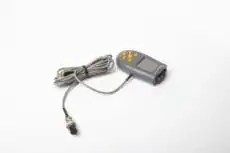
- ਪ੍ਰਕਿਰਿਆ: ਇੱਕ ਨਿਰੀਖਕ ਖੇਤਰ ਨੂੰ ਸਕੈਨ ਕਰਨ ਲਈ ਹਵਾ-ਵਾਹਕ ਸੈਂਸਰ ਵਾਲੇ ਇੱਕ ਹੈਂਡਹੈਲਡ ਅਲਟਰਾਸਾਊਂਡ ਯੰਤਰ ਦੀ ਵਰਤੋਂ ਕਰਦਾ ਹੈ। ਯੰਤਰ ਬਹੁਤ ਦਿਸ਼ਾ-ਨਿਰਦੇਸ਼ਿਤ ਹੁੰਦਾ ਹੈ, ਇਸ ਲਈ ਜਿਵੇਂ-ਜਿਵੇਂ ਇਸਨੂੰ ਲੀਕ ਦੇ ਨੇੜੇ ਲਿਆਂਦਾ ਜਾਂਦਾ ਹੈ, ਹੈੱਡਫੋਨਾਂ ਵਿੱਚ ਸੁਣਨਯੋਗ ਸਿਗਨਲ ਉੱਚਾ ਹੁੰਦਾ ਜਾਂਦਾ ਹੈ ਅਤੇ ਮੀਟਰ 'ਤੇ dB ਰੀਡਿੰਗ ਵਧਦੀ ਜਾਂਦੀ ਹੈ, ਜੋ ਨਿਰੀਖਕ ਨੂੰ ਸਿੱਧਾ ਸਰੋਤ ਵੱਲ ਲੈ ਜਾਂਦੀ ਹੈ।
- ਲਾਭ: ਸੰਕੁਚਿਤ-ਹਵਾ ਦੇ ਲੀਕ ਲੱਭਣ ਅਤੇ ਠੀਕ ਕਰਨ ਨਾਲ ਇੱਕ ਪਲਾਂਟ ਬਰਬਾਦ ਹੋਈ ਊਰਜਾ ਵਿੱਚ ਹਰ ਸਾਲ ਦਸਾਂ ਜਾਂ ਸੈਂਕੜੇ ਹਜ਼ਾਰਾਂ ਡਾਲਰ ਬਚਾ ਸਕਦਾ ਹੈ। ਸੰਕੁਚਿਤ ਹਵਾ ਇੱਕ ਫੈਕਟਰੀ ਵਿੱਚ ਸਭ ਤੋਂ ਮਹਿੰਗੀਆਂ ਸਹੂਲਤਾਂ ਵਿੱਚੋਂ ਇੱਕ ਹੈ, ਅਤੇ ਇੱਕ, ਸੁਣਨਯੋਗ ਲੀਕ ਜਿਸਨੂੰ ਹੱਲ ਨਹੀਂ ਕੀਤਾ ਜਾਂਦਾ, ਹਰ ਘੰਟੇ ਲਾਗਤ ਵਧਾਉਂਦਾ ਹੈ ਜਦੋਂ ਕੰਪ੍ਰੈਸਰ ਇਸਦੀ ਭਰਪਾਈ ਕਰਨ ਲਈ ਲੋਡ ਹੁੰਦਾ ਹੈ।
b) ਬਿਜਲਈ ਨਿਰੀਖਣ
ਬਿਜਲਈ ਖਰਾਬੀਆਂ ਜਿਵੇਂ ਕਿ ਆਰਸਿੰਗ, ਟਰੈਕਿੰਗ, ਅਤੇ ਕੋਰੋਨਾ ਮੱਧਮ- ਅਤੇ ਉੱਚ-ਵੋਲਟੇਜ ਉਪਕਰਣਾਂ ਵਿੱਚ ਸਾਰੇ ਅਲਟਰਾਸਾਊਂਡ ਪੈਦਾ ਕਰਦੇ ਹਨ, ਅਕਸਰ ਇਨਫਰਾਰੈੱਡ ਕੈਮਰੇ ਦੁਆਰਾ ਦੇਖੇ ਜਾਣ ਲਈ ਲੋੜੀਂਦੀ ਗਰਮੀ ਪੈਦਾ ਕਰਨ ਤੋਂ ਪਹਿਲਾਂ।
- ਪ੍ਰਕਿਰਿਆ: ਇੱਕ ਨਿਰੀਖਕ ਬਾਹਰੋਂ ਬੰਦ ਬਿਜਲਈ ਕੈਬਿਨਟਾਂ ਨੂੰ ਸੁਰੱਖਿਅਤ ਢੰਗ ਨਾਲ ਸਕੈਨ ਕਰ ਸਕਦਾ ਹੈ। ਖਰਾਬੀ ਦੁਆਰਾ ਪੈਦਾ ਕੀਤਾ ਗਿਆ ਅਲਟਰਾਸਾਊਂਡ ਕੈਬਿਨਟ ਸੀਲਾਂ ਵਿੱਚ ਹਵਾ ਦੇ ਖਾਲੀ ਥਾਵਾਂ ਵਿੱਚੋਂ ਬਾਹਰ ਨਿਕਲਦਾ ਹੈ, ਇਸ ਲਈ ਸਮੱਸਿਆ ਲੱਭਣ ਲਈ ਪੈਨਲ ਨੂੰ ਕਦੇ ਵੀ ਖੋਲ੍ਹਣ ਦੀ ਲੋੜ ਨਹੀਂ ਪੈਂਦੀ।
- ਲਾਭ: ਇਹ ਗੰਭੀਰ ਬਿਜਲਈ ਖਰਾਬੀਆਂ ਦਾ ਪਤਾ ਲਗਾਉਣ ਦਾ ਇੱਕ ਸ਼ਾਨਦਾਰ, ਗੈਰ-ਸੰਪਰਕ ਤਰੀਕਾ ਹੈ ਇਸ ਤੋਂ ਪਹਿਲਾਂ ਕਿ ਉਹ ਇੱਕ ਆਰਕ-ਫਲੈਸ਼ ਘਟਨਾ ਵੱਲ ਲੈ ਜਾਣ, ਜੋ ਸਿੱਧੇ ਤੌਰ 'ਤੇ ਪਲਾਂਟ ਸੁਰੱਖਿਆ ਨੂੰ ਵਧਾਉਂਦਾ ਹੈ। ਇਹ ਕਰਨ ਲਈ ਇੱਕ ਆਦਰਸ਼ ਸਕ੍ਰੀਨਿੰਗ ਕਦਮ ਵੀ ਹੈ ਪਹਿਲਾਂ ਲਈ ਪੈਨਲ ਖੋਲ੍ਹਣਾ ਥਰਮੋਗ੍ਰਾਫੀ, ਇਹ ਫੈਸਲਾ ਕਰਨ ਵਿੱਚ ਮਦਦ ਕਰਦਾ ਹੈ ਕਿ ਕੀ ਪੈਨਲ ਖੋਲ੍ਹਣਾ ਵੀ ਸੁਰੱਖਿਅਤ ਹੈ। ਦੋਵੇਂ ਤਰੀਕੇ ਹੋਰ ਗੈਰ-ਦਖਲਅੰਦਾਜ਼ੀ ਵਾਲੀਆਂ ਤਕਨੀਕਾਂ ਦੇ ਨਾਲ ਬੈਠਦੇ ਹਨ ਜਿਵੇਂ ਕਿ ਗੈਰ-ਵਿਨਾਸ਼ਕਾਰੀ ਜਾਂਚ.
c) ਮਕੈਨੀਕਲ ਨਿਰੀਖਣ (ਕੰਡੀਸ਼ਨ-ਬੇਸਡ ਲੁਬਰੀਕੇਸ਼ਨ)
ਅਲਟਰਾਸਾਊਂਡ ਰੋਲਿੰਗ-ਐਲੀਮੈਂਟ ਬੇਅਰਿੰਗਾਂ ਦੀ ਸਥਿਤੀ ਦਾ ਮੁਲਾਂਕਣ ਕਰਨ ਅਤੇ ਲੁਬਰੀਕੇਸ਼ਨ ਅਭਿਆਸ ਦਾ ਮਾਰਗਦਰਸ਼ਨ ਕਰਨ ਲਈ ਵੀ ਬਹੁਤ ਪ੍ਰਭਾਵਸ਼ਾਲੀ ਹੈ — ਇੱਕ ਅਨੁਸ਼ਾਸਨ ਜਿਸਨੂੰ ਅਕਸਰ ਧੁਨੀ ਜਾਂ ਸਥਿਤੀ-ਅਧਾਰਿਤ ਲੁਬਰੀਕੇਸ਼ਨ ਕਿਹਾ ਜਾਂਦਾ ਹੈ।
- ਪ੍ਰਕਿਰਿਆ: ਇੱਕ ਸੰਪਰਕ ਅਲਟਰਾਸਾਊਂਡ ਸੈਂਸਰ ਬੇਅਰਿੰਗ ਹਾਊਸਿੰਗ 'ਤੇ ਰੱਖਿਆ ਜਾਂਦਾ ਹੈ, ਜੋ ਬੇਅਰਿੰਗ ਦੁਆਰਾ ਘੁੰਮਦੇ ਸਮੇਂ ਨਿਕਲਣ ਵਾਲੀ ਢਾਂਚਾ-ਵਾਹਕ ਆਵਾਜ਼ ਨੂੰ ਹਾਸਲ ਕਰਦਾ ਹੈ।
- ਵਿਆਖਿਆ:
- ਇੱਕ ਸਿਹਤਮੰਦ, ਚੰਗੀ ਤਰ੍ਹਾਂ ਲੁਬਰੀਕੇਟ ਕੀਤੀ ਬੇਅਰਿੰਗ ਇੱਕ ਘੱਟ, ਸਥਿਰ “ਹਿਸਿੰਗ” ਆਵਾਜ਼ ਪੈਦਾ ਕਰਦੀ ਹੈ।
- ਇੱਕ ਬੇਅਰਿੰਗ ਜਿਸਨੂੰ ਗਰੀਸ ਦੀ ਲੋੜ ਹੈ, ਇੱਕ ਵੱਧ dB ਰੀਡਿੰਗ ਦਿਖਾਉਂਦੀ ਹੈ। ਇੱਕ ਤਕਨੀਸ਼ੀਅਨ ਹੌਲੀ-ਹੌਲੀ ਗਰੀਸ ਲਗਾਉਂਦਾ ਹੈ, ਉਸ ਪਲ ਰੁਕ ਜਾਂਦਾ ਹੈ ਜਦੋਂ dB ਪੱਧਰ ਘਟਣਾ ਸ਼ੁਰੂ ਹੁੰਦਾ ਹੈ — ਓਵਰ-ਲੁਬਰੀਕੇਸ਼ਨ ਨੂੰ ਰੋਕਦੇ ਹੋਏ ਜੋ ਖੁਦ ਬੀਅਰਿੰਗ ਘਿਸਾਵਟ ਅਤੇ ਸੀਲ ਨੁਕਸਾਨ ਦਾ ਕਾਰਨ ਬਣਦਾ ਹੈ।
- ਇੱਕ ਬੇਅਰਿੰਗ ਜਿਸ ਵਿੱਚ ਇੱਕ ਵਿਕਸਿਤ ਹੋ ਰਿਹਾ ਨੁਕਸ ਹੈ ਜਿਵੇਂ ਕਿ ਇੱਕ ਸਪਾਲ (spall) ਇੱਕ ਦੁਹਰਾਉਣ ਵਾਲੀ “ਕਰੈਕਲਿੰਗ” ਜਾਂ “ਪੌਪਿੰਗ” ਆਵਾਜ਼ ਪੈਦਾ ਕਰਦਾ ਹੈ ਜਿਵੇਂ ਰੋਲਿੰਗ ਐਲੀਮੈਂਟ ਨੁਕਸ ਨਾਲ ਟਕਰਾਉਂਦੇ ਹਨ, ਜੋ ਬਹੁਤ ਸ਼ੁਰੂਆਤੀ ਚੇਤਾਵਨੀ ਦਾ ਬੇਅਰਿੰਗ ਅਸਫਲਤਾ.
4. ਅਲਟਰਾਸਾਊਂਡ ਬਨਾਮ ਵਾਈਬ੍ਰੇਸ਼ਨ ਵਿਸ਼ਲੇਸ਼ਣ
ਬੇਅਰਿੰਗ ਵਿਸ਼ਲੇਸ਼ਣ ਲਈ, ਅਲਟਰਾਸਾਊਂਡ ਅਤੇ ਵਾਈਬ੍ਰੇਸ਼ਨ ਵਿਸ਼ਲੇਸ਼ਣ ਮੁਕਾਬਲੇ ਦੀ ਬਜਾਏ ਪੂਰਕ ਹਨ। ਅਲਟਰਾਸਾਊਂਡ ਅਕਸਰ ਬਹੁਤ ਸ਼ੁਰੂਆਤੀ-ਪੜਾਅ ਦੀਆਂ ਖਰਾਬੀਆਂ (ਪੜਾਅ 1) ਅਤੇ ਲੁਬਰੀਕੇਸ਼ਨ ਮੁੱਦਿਆਂ ਨੂੰ ਫੜਨ ਵਿੱਚ ਬਿਹਤਰ ਹੁੰਦਾ ਹੈ, ਕਿਉਂਕਿ ਪਰੇਸ਼ਾਨੀ ਦਾ ਪਹਿਲਾ ਸੰਕੇਤ ਇੱਕ ਹਲਕਾ ਉੱਚ-ਬਾਰੰਬਾਰਤਾ ਨਿਕਾਸ ਹੁੰਦਾ ਹੈ, ਬਹੁਤ ਪਹਿਲਾਂ ਜਦੋਂ ਨੁਕਸ ਬੇਅਰਿੰਗ ਨੂੰ ਮਾਪਣਯੋਗ ਢੰਗ ਨਾਲ ਹਿਲਾਉਣ ਲਈ ਕਾਫ਼ੀ ਵੱਡਾ ਹੁੰਦਾ ਹੈ। ਵਾਈਬ੍ਰੇਸ਼ਨ ਵਿਸ਼ਲੇਸ਼ਣ ਬਾਅਦ ਦੇ ਪੜਾਅ ਦੀ ਖਰਾਬੀ ਦੀ ਸਹੀ ਪ੍ਰਕਿਰਤੀ ਦਾ ਨਿਦਾਨ ਕਰਨ ਵਿੱਚ ਬਿਹਤਰ ਹੁੰਦਾ ਹੈ — ਉਦਾਹਰਨ ਲਈ, ਇੱਕ ਬਾਲ ਪਾਸ ਬਾਰੰਬਾਰਤਾ ਬਾਹਰੀ ਰੇਸ ਨੁਕਸ ਨੂੰ ਇੱਕ ਤੋਂ ਵੱਖ ਕਰਨਾ ਬਾਲ ਪਾਸ ਬਾਰੰਬਾਰਤਾ ਅੰਦਰੂਨੀ ਰੇਸ ਨੁਕਸ — ਇੱਕ ਵਾਰ ਜਦੋਂ ਖਰਾਬੀ ਵਾਈਬ੍ਰੇਸ਼ਨ ਵਿੱਚ ਦਿਖਾਈ ਦਿੰਦੀ ਹੈ ਸਪੈਕਟ੍ਰਮ ਅਤੇ ਇਸ ਦੁਆਰਾ ਪਛਾਣਨਯੋਗ ਹੁੰਦੀ ਹੈ ਬੇਅਰਿੰਗ ਫਾਲਟ ਫ੍ਰੀਕੁਐਂਸੀਆਂ। ਬਹੁਤ ਸਾਰੇ ਵਾਈਬ੍ਰੇਸ਼ਨ ਵਿਸ਼ਲੇਸ਼ਕ ਵਰਤਦੇ ਹਨ ਐਨਵਲਪ ਵਿਸ਼ਲੇਸ਼ਣ ਵਾਈਬ੍ਰੇਸ਼ਨ ਸਿਗਨਲ ਤੋਂ ਉਹੀ ਸ਼ੁਰੂਆਤੀ ਬੇਅਰਿੰਗ ਪ੍ਰਭਾਵਾਂ ਨੂੰ ਕੱਢਣ ਲਈ, ਦੋਵਾਂ ਤਕਨੀਕਾਂ ਵਿਚਕਾਰ ਪਾੜੇ ਨੂੰ ਘਟਾਉਂਦੇ ਹੋਏ।
5. ਫੀਲਡ ਪ੍ਰੋਗਰਾਮ ਵਿੱਚ ਅਲਟਰਾਸਾਊਂਡ ਕਿੱਥੇ ਫਿੱਟ ਬੈਠਦਾ ਹੈ
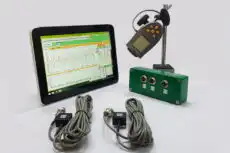
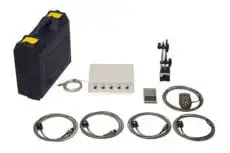
ਅਲਟਰਾਸਾਊਂਡ, ਇਨਫਰਾਰੈੱਡ, ਤੇਲ ਵਿਸ਼ਲੇਸ਼ਣ, ਅਤੇ ਵਾਈਬ੍ਰੇਸ਼ਨ ਹਰੇਕ ਮਸ਼ੀਨ ਸਿਹਤ ਦਾ ਇੱਕ ਵੱਖਰਾ ਹਿੱਸਾ ਦੇਖਦੇ ਹਨ, ਅਤੇ ਸਭ ਤੋਂ ਮਜ਼ਬੂਤ ਭਰੋਸੇਯੋਗਤਾ ਪ੍ਰੋਗਰਾਮ ਇਨ੍ਹਾਂ ਨੂੰ ਇਕੱਠੇ ਪਰਤਦਾਰ ਬਣਾਉਂਦੇ ਹਨ। ਅਲਟਰਾਸਾਊਂਡ ਸਕਿੰਟਾਂ ਵਿੱਚ ਇੱਕ ਲੀਕ, ਇੱਕ ਸਪਾਰਕਿੰਗ ਸੰਪਰਕ, ਜਾਂ ਇੱਕ ਭੁੱਖੀ ਬੇਅਰਿੰਗ ਨੂੰ ਫਲੈਗ ਕਰਦਾ ਹੈ; ਵਾਈਬ੍ਰੇਸ਼ਨ ਫਿਰ ਮਕੈਨੀਕਲ ਸਥਿਤੀ ਦੀ ਮਾਤਰਾ ਨਿਰਧਾਰਤ ਕਰਦੀ ਹੈ ਅਤੇ ਤੁਹਾਨੂੰ ਦੱਸਦੀ ਹੈ ਕਿਉਂ। ਜਦੋਂ ਇੱਕ ਰੂਟ ਸਕ੍ਰੀਨ ਇੱਕ ਵਧਦੀ ਬੇਅਰਿੰਗ ਟੋਨ ਜਾਂ ਵਧਿਆ ਹੋਇਆ 1× ਪ੍ਰਗਟ ਕਰਦੀ ਹੈ ਅਸੰਤੁਲਨ, ਅਗਲਾ ਕੁਦਰਤੀ ਕਦਮ ਮਸ਼ੀਨ 'ਤੇ ਇੱਕ ਸੱਚਾ ਦੋ-ਚੈਨਲ ਯੰਤਰ ਲਗਾਉਣਾ ਹੈ। ਇੱਕ ਪੋਰਟੇਬਲ ਵਿਸ਼ਲੇਸ਼ਕ ਅਤੇ ਬੈਲੇਂਸਰ ਜਿਵੇਂ ਕਿ Balanset-1A 1× ਮਾਪਦਾ ਹੈ ਐਂਪਲੀਟਿਊਡ ਅਤੇ ਫੇਜ਼ ਮਸ਼ੀਨ ਦੀਆਂ ਆਪਣੀਆਂ ਬੇਅਰਿੰਗਾਂ ਵਿੱਚ ਓਪਰੇਟਿੰਗ ਸਪੀਡ 'ਤੇ, ਤਾਂ ਜੋ ਇੱਕ ਵਾਰ ਅਲਟਰਾਸਾਊਂਡ ਨੇ ਘੁੰਮਣ ਵਾਲੀ-ਮਸ਼ੀਨਰੀ ਸਮੱਸਿਆ ਵੱਲ ਇਸ਼ਾਰਾ ਕੀਤਾ ਹੋਵੇ ਤਾਂ ਤੁਸੀਂ ਇੱਕ ਦਾ ਨਿਦਾਨ ਕਰ ਸਕਦੇ ਹੋ ਅਸੰਤੁਲਨ ਅਤੇ ਇਸਨੂੰ ਸਾਈਟ 'ਤੇ ਹੀ ਠੀਕ ਕਰ ਸਕਦੇ ਹੋ — ਰੋਟਰ ਨੂੰ ਦੁਕਾਨ 'ਤੇ ਭੇਜੇ ਬਿਨਾਂ ਖੋਜ ਅਤੇ ਮੁਰੰਮਤ ਦੇ ਵਿਚਕਾਰ ਲੂਪ ਨੂੰ ਬੰਦ ਕਰਦੇ ਹੋਏ।

