Kuelewa Mzungumzo wa Mfumo




Mzungumzo wa mfumo ni fomu maalum ya structural resonance ambayo mfumo wenyewe wa mashine, ganda, kifuniko, au sanduku lake linatetemeka katika moja ya frequency za asili ikisukumwa na vipande vinavyozunguka. Tofauti na msingi au pedestal mzungumzo wa muundo wa msaada ulioko chini ya mashine, mzungumzo wa mfumo unaishi katika mwili wa mashine yenyewe — muundo wa chuma cha kutupwa au chuma cha kutengenezwa unaofunika vipande vinavyozunguka. Masafa ya kulazimishwa yanapokutana na masafa ya asili ya mfumo, resonance huongeza harakati mara nyingi zaidi ya ile ambayo nguvu ya kusukuma peke yake ingeweza kusababisha.
Mzungumzo wa mfumo ni kawaida katika mashine zenye nyumba kubwa, nyepesi kiasi — mashabiki, blowa, pampu, na motors. Huonekana kawaida kama kelele nyingi, mtetemo unaoonekana wa vifuniko au paneli, na vibration vipimo vya juu kwenye mfumo ambavyo havina uwiano kabisa na mtetemo halisi wa rotor. Kwa sababu dalili inaonekana ya kutisha, mzungumzo wa mfumo ni moja ya matatizo yanayogunduliwa vibaya zaidi nyanjani: mchambuzi anaona usomaji mkubwa na kumhukumu rotor iliyosawazishwa vizuri kabisa.
1. Ufafanuzi: Mzungumzo wa Mfumo ni Nini?
Kila muundo una seti ya masafa ya asili na umbo la njia zinazohusiana ambazo hupendelea kuinama. Mfumo wa mashine si tofauti. Kuta zake, kengele za mwisho, miguu, na paneli zina hali za kupinda na za mzunguko, na paneli nyembamba ya kufunika inaweza kuwa na hali kadhaa za kipekee ndani ya masafa yanayoweza kusikiwa. Masafa haya yakiendelea kuwa mbali na masafa ya kulazimishwa ya mashine, mfumo husafirisha nguvu kwa utulivu. Tatizo huanza masafa ya uendeshaji yanapolingana na hali ya mfumo na muundo huanza kulia.
Ishara kuu ya mzungumzo wa mfumo ni amplification: mfumo unasogea mara nyingi zaidi kuliko beari zinazonzunguka. Nishati inatoka kwa rotor, lakini mwitikio ni wa muundo. Hii ndiyo sababu vipimo vilivyochukuliwa kwenye mfumo vinaweza kusoma mara tano hadi kumi zaidi ya vipimo katika nyumba ya beari umbali wa sentimita chache tu. Mali ya msingi inayoamua mahali ambapo hali hizi zinaangukia ni stiffness kulingana na misa — kaza mfumo na masafa yataongezeka; ongeza misa na yatashuka.
2. Hali za Kawaida za Mzungumzo wa Mfumo
Mifumo ya motors na jenereta
- Masafa ya asili: kawaida 50–400 Hz kulingana na ukubwa na ujenzi.
- Excitation: 1× (unbalance), masafa mara 2× ya umeme (120 Hz kwa usambazaji wa 60 Hz, 100 Hz kwa 50 Hz), na nguvu za sumaku-umeme zinazohusiana na frequency ya umeme.
- Symptoms: mtetemo wa fremu ni mkubwa zaidi kuliko mtetemo wa beari; mngurumo au mvumo unaosikika.
- Severity: fremu inaweza kusoma mara 5–10 zaidi kuliko beari.
Makombora ya mashabiki na vifaa vya kupuliza hewa
- Masafa ya asili: 20–200 Hz kwa mashabiki wa kawaida wa viwandani.
- Excitation: frequency ya kupita kwa blade (idadi ya kemikali × RPM).
- Symptoms: paneli za makombora zinatikisika kwa nguvu; kelele kali za aerodynamic.
- Characteristic: inaweza kuonekana tu kwa kasi maalum au hali za mtiririko.
Pump casings
- Masafa ya asili: 30–300 Hz kulingana na muundo wa makombora.
- Excitation: vane passing frequency na mitetemo ya shinikizo la maji.
- Symptoms: mtetemo wa makombora, kelele, na hatari ya ufa wa uchovu.
- Muunganisho wa majimaji: makombora yaliyojaa maji yanaweza kuunganisha mtetemo wa rotori na makombora, na kufanya uchambuzi kuwa mgumu zaidi.
Makombora ya sanduku la gia
- Excited by taajweza ya mesh ya gia.
- Mafrekensi ya asili ya fremu mara nyingi huingiliana na mafrekensi ya mzunguko wa meno na harmoniki zake.
- Hutoa mngurumo wa kipekee wa gia unaosikika wakati wa mwangwi.
3. Alama ya Mtetemo na Ugunduzi
Dalili za kipekee
- Inategemea eneo: mtetemo unatofautiana sana kwenye uso wa fremu — tofauti za mara 10 kati ya pointi ni za kawaida.
- Beari dhidi ya fremu: mtetemo wa fremu unazidi sana mtetemo wa beari (mara nyingi mara 3–10).
- Maalum kwa masafa: tatizo linaonekana tu katika masafa ya mwangwi; masafa mengine yanaonekana ya kawaida.
- Nyeti kwa kasi: kali ndani ya bendi nyembamba (±10–20% ya kasi ya mwangwi).
- Visual motion: mwendo wa mfumo mara nyingi unaonekana kwa macho.
Jaribio la mgomo (pigo)
Jaribio la mwisho. Piga mfumo kwa nyundo ya mpira au nyundo ya vifaa vya kupima, pima mwitikio kwa accelerometer, and read the frame natural frequencies off the peaks in the frequency response. Comparing those peaks against the operating frequencies (1×, 2×, blade passing, and so on) immediately reveals any dangerous coincidence. See bump test and impact testing kwa utaratibu kamili.
Uchunguzi wa kipimo-mtetemo cha mwendo
Wakati mashine inafanya kazi, pima mtetemo katika sehemu nyingi kote kwenye mfumo na jenga ramani ya mtetemo ya maeneo ya juu na ya chini. Mchoro unaonyesha umbo la hali — kuinamika, kupinda, au kunyumbuka kwa sehemu — na unabainisha antinodi (mwendo wa juu kabisa) na nodi (mwendo mdogo). Uchambuzi kamili wa uchambuzi wa muundo wa deflection wa uendeshaji (ODS) unaoanimisha mwendo huu, na modal analysis unachomoa hali za msingi.
Upimaji wa kitendakazi cha uhamisho
Measure the coherence kati ya mtetemo wa beari (ingizo) na mtetemo wa mfumo (matokeo). Mshikamano mkubwa katika masafa mahususi unathibitisha kwamba mwendo wa mfumo unasababishwa na, na uko katika mwangwi na, msongo wa rotor. The kazi ya uhamishaji yenyewe inapima kipengele cha ukuzaji.
4. Kuthibitisha Mwangwi Mahali pa Kazi
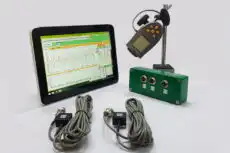
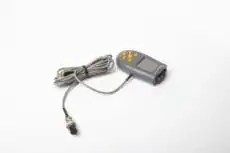
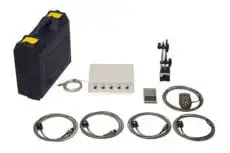
Kabla ya muundo wowote kuimarishwa au rotor yoyote kushughulikiwa, utambuzi lazima uthibitishwe — na hiyo inamaanisha kupima tabia ya kweli ya rotor tofauti na ile ya mfumo. Kipimo cha kubebeka chenye njia mbili kama vile Balancet-1A hufanya hili kuwa rahisi: mchanganuzi anaweza kunasa upana na awamu na wigo kamili katika nyumba ya beari, kisha ahamisha kipimo kwenye sehemu inayoshukiwa na aone kiwango kikipanda katika masafa ya mwangwi huku awamu ikibadilika kupitia hali ya kimuundo. Ikiwa mtetemo wa 1× wa rotor ni mdogo kwenye beari lakini mkubwa sana kwenye mfumo, uamuzi ni mwangwi, si usawa mbaya. Chombo hicho hicho hukuruhusu kufanya usawazishaji wa majaribio wa rotor ili kuthibitisha au kukataa usawa mbaya, na kuendesha kupungua kwa kasi ili kilele cha mwangwi kionekane wakati kasi inapita kupitia hicho.
5. Ufumbuzi na Kupunguza Athari
Mabadiliko ya kuimarisha muundo
- Ongeza mbavu za muundo au viunga vya pembe: huongeza ugumu wa kuinama, huinua masafa ya asili juu ya masafa ya msisimko, ni ya kiuchumi, na inaweza kuwekwa kwenye vifaa vilivyopo.
- Ongeza unene wa nyenzo: kueneza kuta au mabamba ya fremu huinua kwa kiasi kikubwa ugumu na masafa, ingawa inaweza kuhitaji utengenezaji au uundaji mpya.
- Viungo vya muundo na bresi: kuunganisha pande mbili zinazokabiliwa za fremu huzuia kubonyeza; bresi za msalaba huongeza ugumu wa mzunguko na mara nyingi zinaweza kufungwa nje.
Mass addition
- Punguza masafa ya asili: ongeza mzigo ili kupunguza masafa chini ya kiwango cha msisimko.
- Uwekaji wa kimkakati: ongeza mzigo kwenye maeneo ya antinode kwa athari ya juu zaidi.
- Tuned mass: mzigo uliohesabiwa kwa makini hubadilisha hali maalum ya usumbufu.
- Trade-off: uzito wa ziada hauhitajiki katika kila matumizi.
Iwe unachagua kuinua au kupunguza masafa, hesabu ya haraka hukuweka nje ya bendi ya resonance inayofuata. A kikokotoo cha mzunguko wa asili wa msingi and a kikokotoo cha uwiano wa unyevushaji kukusaidia kukadiria mahali ambapo muundo uliobadilishwa utafikia kabla chuma chochote kukatwa.
Matibabu ya unyevushaji
- Unyevushaji wa safu iliyofungwa: safu ya viscoelastic iliyosandwichiwa kati ya ngozi za chuma, inayowekwa kwenye mabamba makubwa bapa na vifuniko. Hupunguza kilele cha resonance kwa 50–80% na inafanya kazi vizuri katika takriban 20–500 Hz.
- Unyevushaji wa safu huru: nyenzo ya kudhibiti mtetemo iliyounganishwa moja kwa moja kwenye uso unaotetemeka — rahisi zaidi kuliko safu iliyozuiliwa lakini ina ufanisi mdogo zaidi, inafaa mahali ambapo upatikanaji ni mdogo.
Mabadiliko ya uendeshaji
- Speed change: endesha kwa kasi ambayo resonansi haijitokezi.
- Punguza nguvu ya msisimko: improve balance and alignment ili kupunguza ukubwa wa msisimko unaolisha resonansi.
- Mabadiliko ya mchakato: badilisha mtiririko, shinikizo, au mzigo ili kubadilisha masafa ya msisimko.
6. Kuzuia katika Muundo
Kanuni za muundo
- Ugumu wa kutosha: buni fremu ili masafa yake ya asili yawe juu ya mara 2× ya masafa ya juu zaidi ya msisimko.
- Usambazaji wa uzani: epuka misa iliyojikusanyika ambayo inaunda hali za masafa ya chini.
- Mbavu na uimarishaji: jenga vipengele vya ugumu tangu mwanzo.
- Uchambuzi wa mtindo: tumia FEA wakati wa muundo ili kutabiri na kuboresha masafa ya asili.
Uthibitisho wa muundo
- Majaribio ya mfano kwa uchambuzi wa mshtuko.
- Upimaji wa umbo la kupinda wakati wa uendeshaji kwenye vitengo vya kwanza vilivyojengwa.
- Rekebisha muundo kabla ya uzalishaji ikiwa resonansi zitapatikana.
7. Mfano wa Hali Halisi
Situation: motor ya nguvu 75 HP inayoendesha feni ya centrifugal, yenye kelele na mtetemo kupita kiasi.
- Symptoms: mtetemo wa fremu ya motor 12 mm/s; mtetemo wa bearing ni 2.5 mm/s tu.
- Frequency: 120 Hz (mara 2 ya mzunguko wa mkondo kwa usambazaji wa 60 Hz).
- Impact test: ilionyesha mzunguko wa asili wa fremu katika 118 Hz — karibu kabisa na mzunguko wa nguvu.
- Root cause: fremu ilikuwa ikiingiliana (resonance) katika mzunguko wa nguvu ya umeme.
- Solution: viungo vinne vya chuma vya pembe (angle-iron gussets) viliongezwa, vikiunganisha miguu ya motor na end bells.
- Result: mzunguko wa asili wa fremu ulihama hadi 165 Hz na mtetemo ulishuka hadi 3.2 mm/s — ukiwa vizuri ndani ya kiwango kinachokubalika chini ya ISO 20816-3 (mrithi wa kisasa wa ISO 10816-3).
- Cost: takriban $200 kwa vifaa, dhidi ya takriban $8,000 kwa kubadilisha motor.
Resonance ya fremu ni tatizo la mtetemo linalojirudia lakini linalogunduliwa vibaya mara nyingi. Kutambua dalili zake za tahadhari — mtetemo mkubwa wa fremu ikilinganishwa na mtetemo wa bearing, unaotegemea mzunguko maalum, na unaotegemea sana mahali ulipo — na kutumia mbinu sahihi za uchunguzi (majaribio ya athari na uchambuzi wa ODS) husababisha ufumbuzi unaolengwa ambao unaweza kupunguza mtetemo kwa gharama ndogo sana.

