ISO 20816-3: Mipaka ya Mitetemo kwa Mashine za Tasnia
Interactive calculator and comprehensive technical guide for vibration zone assessment of industrial machinery per ISO 20816-3:2022. Covers housing vibration, shaft vibration, measurement methodology, and field balancing with Balanset-1A.
⚙ Jedwali A.1 — Mashine za Kikundi cha 1 (Kubwa: >300 kW au H>315 mm)
| Zone | Mgumu — Kasi (mm/s) | Rigid — Disp. (μm) | Flexible — Vel. (mm/s) | Flexible — Disp. (μm) |
|---|---|---|---|---|
| A — Good | < 2.3 | < 29 | < 3.5 | < 45 |
| B — Acceptable | 2.3 – 4.5 | 29 – 57 | 3.5 – 7.1 | 45 – 90 |
| C — Limited | 4.5 – 7.1 | 57 – 90 | 7.1 – 11.0 | 90 – 140 |
| D — Dangerous | > 7.1 | > 90 | > 11.0 | > 140 |
⚙ Jedwali A.2 — Gurupu 2 Mashine (Kawaida: 15–300 kW au H=160–315 mm)
| Zone | Mgumu — Kasi (mm/s) | Rigid — Disp. (μm) | Flexible — Vel. (mm/s) | Flexible — Disp. (μm) |
|---|---|---|---|---|
| A — Good | < 1.4 | < 22 | < 2.3 | < 37 |
| B — Acceptable | 1.4 – 2.8 | 22 – 45 | 2.3 – 4.5 | 37 – 71 |
| C — Limited | 2.8 – 4.5 | 45 – 71 | 4.5 – 7.1 | 71 – 113 |
| D — Dangerous | > 4.5 | > 71 | > 7.1 | > 113 |
⚙ Kiambatanisho B — Mipaka ya Vibration ya Shimoni (Uhamaji)
| Zone Boundary | Formula | @ 1500 rpm | @ 3000 rpm | @ 6000 rpm |
|---|---|---|---|---|
| A/B | 4800 / √n | 124 | 88 | 62 |
| B/C | 9000 / √n | 232 | 164 | 116 |
| C/D | 13200 / √n | 341 | 241 | 170 |




Kikokotoo cha Tathmini ya Maeneo ya Vibration
Ingiza vigezo vya mashine na mitetemo iliyopimwa ili kuamua eneo la hali kulingana na ISO 20816-3
Mipaka ya Eneo Inayotumika
| Boundary | Kasi (mm/s) | Kuhama kwa Msingi (μm) |
|---|---|---|
| A/B | — | — |
| B/C | — | — |
| C/D | — | — |
Mipaka ya Mtetemo wa Shimoni (Iliyohesabiwa)
| Boundary | Formula | S(p-p) μm |
|---|---|---|
| A/B | 4800/√n | — |
| B/C | 9000/√n | — |
| C/D | 13200/√n | — |
1. Muundo & Vifaa Inayotakikana
ISO 20816-3:2022 inabainisha mwongozo wa kutathmini hali ya mtetemo wa vifaa vya tegemezi vilivyumiwa na nguvu above 15 kW na kasi za kuzunguka kutoka 120 hadi 30,000 r/min. Tathmini inategemea vipimo vya mtetemo juu ya sehemu zisizozunguka na kwenye shimoni linalozunguka chini ya hali za kawaida za uendeshaji.
Kiwango hiki Kinatumika Kwa:
- Turbai za mvuke na jenereta zilizoumiwa na nguvu hadi 40 MW
- Kawaida za gesi zinazozunguka (sentrifujali, axial)
- Turbai za gesi za tegemezi zilizoumiwa na nguvu hadi 3 MW
- Mitambo ya umeme ya aina zote iliyouunganishwa na shimoni lenye njia ya kubadilika
- Kiwanda cha kukunja na kusimama kwa kukunja
- Wapipi na mlipuko (angalia kumbuka hapa chini)
- Mabanda yanayohamia, viunganisho vyenye kasi inayobadilika, injini za turbofan
Kumbuka juu ya Vifaa Mahususi
Turbini za mvuke/gesi >40 MW katika 1500/1800/3000/3600 r/min → tumia ISO 20816-2. Turbini za gesi >3 MW → tumia ISO 20816-4. Fans: Vigezo mara nyingi vinatumika tu kwa vipepesi >300 kW au kwenye misingi imara. Kwa vipepesi vingine, kubali vigezo kati ya mtengenezaji na mteja (tazama pia ISO 14694).
Kiwango Hiki HAKITUMIKI KWA:
- Mashine inayosoneka → ISO 10816-6 / ISO 20816-8
- Pumpu za kinetic na motors iliyojengwa → ISO 10816-7
- Stesheni za nguvu ya hydraulic → ISO 20816-5
- Kompresa za kuoza chanya, pumpu zinazozama
- Turbini za upepo → ISO 10816-21
Kikomo Muhimu
Mahitaji yanatumika tu kwa mitetemo iliyotengenezwa na mashine yenyewe, si kwa mitetemo iliyoingizwa nje inayopitishwa kupitia misingi. Daima thibitisha na sahihisha kwa mitetemo ya background.
2. Uainishaji wa Mashine
Hali ya mitetemo ya mashine inatathminiwa kulingana na aina ya mashine, nguvu iliyokadiria au urefu wa shimoni, na uimara wa misingi.
Uainishaji kwa Nguvu / Urefu wa Shimoni
Kikundi 1 — Mashine Kubwa
- Power rating > 300 kW, AU mashine za umeme na urefu wa shimoni H > 315 mm
- Kawaida zina vipakini vya magazeti (kumimina)
- Kasi za uendeshaji 120 hadi 30,000 r/min
Kikundi 2 — Mashine ya Kawaida
- Power rating 15 – 300 kW, AU mashine za umeme zilizo na 160 < H ≤ 315 mm
- Kawaida zina vipakini vya elementi inayozunguka
- Kasi za uendeshaji kwa kawaida > 600 r/min
Uainishaji kwa Ugumu wa Msingi
Msingi ni rigid ikiwa mzunguko wa asili wa chini zaidi wa mfumo wa mashine-msingi katika mwelekeo wa kipimo unapozidi mzunguko mkuu wa msisimko kwa at least 25%. Wote wengine ni flexible.
Uainishaji unaotegemea Mwelekeo
Msingi inaweza kuwa mgumu kwa mwelekeo mmoja na nyumbufu kwa mwingine. Kwa mfano, mgumu kwa wima lakini nyumbufu kwa usawa. Tathmini kila mwelekeo tofauti kwa kutumia vikomo vya kufaa.
3. Kuelewa Maeneo A–D
Maeneo manne ya hali ya mitikismitiki yameanzishwa kwa tathmini ya ubora na kufanya maamuzi:
Eneo A — Mpya / Kamili
Mashine iliyoanzishwa hivi karibuni kawaida huanguka hapa. Inawakilisha hali ya динамики nzuri. Si mashine yote mpya yanayofikia Eneo A — kujitahidi chini ya A/B kunaweza kutoa faida kidogo kwa gharama kubwa.
Eneo B — Inakubalika
Inafaa kwa uendeshaji wa muda mrefu bila kizuizi. Endelea na ufuatiliaji wa kawaida. Hii ndio hali ya kawaida ya uendeshaji wa vifaa vinavyoongezwa vizuri.
Eneo C — Uendeshaji Mdogo
Haifai kwa uendeshaji wa muda mrefu unaoendelea. Panga hatua za kurekebisha. Inaweza kuendeshwa kwa kipindi kidogo hadi nafasi ya kukamatia kwa ajili ya ukamataji itakapotokea. Kuongeza mzunguko wa ufuatiliaji.
Eneo D — Hatari
Vibration kali vya kutosha kusababisha nusura. Hatua ya haraka inahitajika: punguza vibration au simama mashine. Uendeshaji unaoendelea unaweza kusababisha kushindwa kabisa.
4. Vigezo vya Tathmini
Kigezo I — Ukubwa wa Kamili
Vibration ya juu zaidi iliyopimwa RMS yenye upana (kasi kwa nyumba, uhamisho p-p kwa shati) inakabiriwa na maadili ya mpaka wa eneo kwa kundi la mashine iliyotolewa na aina ya usaidizi. Kigezo hiki kinaandaa dhidi ya mipakano ya nguvu yenye nguvu sana kwenye mitando, kuvunjwa kwa radii isiyokubalika, na vibration inayonayoshwa kwa msingi.
Kigezo II — Mabadiliko Kutoka kwa Msingi
Hata kama vibration inabaki katika Eneo B, mabadiliko makubwa kutoka kwa msingi uliostabilishwa yanaonyesha matatizo yanayoviviwa na yanasoma uchunguzi.
The 25% Rule
Mabadiliko ya vibration yanachukuliwa significant if it exceeds 25% ya thamani ya mpaka wa B/C, bila kugusia kiwango cha kamili cha sasa. Hii inatumika kwa ongezeko na kupungua.
Example: Kwa Kundi 1 msingi imara, B/C = 4.5 mm/s. Mabadiliko > 1.125 mm/s kutoka kwa msingi ni muhimu na yanasoma uchunguzi.
Vigezo vya Kukubali kwa Mashine Mpya
Mipaka ya eneo ni not vigezo vya kukubali kwa kawaida. Mipaka ya kujaribu kukubali lazima ipatikane kati ya mtoaji na mteja. Mapendekezo ya kawaida: vibration ya mashine mpya haipaswi kuzidi 1.25 × mpaka wa A/B.
5. Mbinu Bora za Kipimo
Mahali pa Kibainisho
- Mount on nyumba za mitando au kiti — si juu ya vifuniko vinye joto nyingi au uso wenye unyonge
- Use njia mbili za radial zinazozingatiwa kwa kila mmoja katika kila kumimina
- Kwa mashine ya usawa, njia moja ni kawaida wima
- Epuka mahali yenye jitiriri la ndani — linganisha vipimo katika alama zipitazo
- Ikiwa upatikaji wa moja kwa moja wa kumimina hauwezekani, tumia nukta yenye muunganisho wenye njia nzuri ya mitambo
Hali za Kuendeshwa
- Measure in uendeshaji wa hali ya tetezi kwa kasi na mzigo wa kawaida
- Ruhusu rotor na kumimina kufikia usawa wa joto (kawaida dakika 30–60)
- Kwa mashine ya kasi/mzigo inayobadilika, pima katika alama zote muhimu za uendeshaji, tumia kiwango cha juu zaidi
- Andika hali: kasi, mzigo, joto, shinikizo
Frequency Range
| Application | Lower Limit | Upper Limit | Notes |
|---|---|---|---|
| Mipango ya jumla ya kawaida | 10 Hz | 1000 Hz | Mashine nyingi za viwanda (>600 r/min) |
| Kasi ya chini (≤600 r/min) | 2 Hz | 1000 Hz | Lazima kushika kasi ya 1× inayoendesha |
| Vibration ya shaft | — | ≥ 3.5 × fmax | Kulingana na ISO 10817-1 |
| Diagnostics | 0.2 × fmin | 2.5 × fexcit | Kupanua, hadi 10,000 Hz |
Mitetemo ya Chini
Kanuni ya Asilimia 25 kwa Chini
Ikiwa mitetemo ya injini iliyosimama itazidi Asilimia 25 ya mitetemo ya uendeshaji OR Asilimia 25 ya mpaka wa Muundo B/C, marekebisho yanahitajika:
Ikiwa chini itazidi mipaka hii, kutoa karatasi rahisi sio halali — chunguza vyanzo vya nje.
6. Mipaka ya Mitetemo ya Mtambo (Kiambatanisho A)
Kigezo kikuu kinachozingatiwa ni kasi ya mitetemo ya RMS. Thamani za mpaka wa Muundo kwa Vikundi 1 na 2 zimetolewa katika Jedwali A.1 na A.2 hapo juu. Vidokezo vikuu:
- Kwa injini zilizo na kasi ya rotor chini ya 600 r/dak, vigezo vyote vya kasi na uhamishaji vinatumika. Bendi ya masafa inaenea hadi 2–1000 Hz.
- Uhamishaji wa Kikundi 1 unakokotolewa kutoka kasi kwa masafa ya rejerensi 12.5 Hz
- Uhamishaji wa Kikundi 2 unakokotolewa kutoka kasi kwa masafa ya rejerensi 10 Hz
- The muundo wa kesi mbaya (kutoka kasi au uhamishaji) unahutupia
7. Mipaka ya Mitetemo ya Shaftuu (Kiambatanisho B)
Kwa vibration ya kumakaa kwa shaft iliyopimwa na detectors wa karibu, mipaka ya zone huonyeshwa kama kukomesha-kukomesha displacement S(p-p) katika μm, inversely proportional to √n:
B/C: S(p-p) = 9000 / √n
C/D: S(p-p) = 13200 / √n
ambapo n = kasi ya juu ya uendeshaji katika r/min, kiwango cha chini 600 kwa hesabu
Kuzuia Wazi wa Bearing (Annex C)
Kwa journal bearings, mipaka ya zone ya vibration ya shaft lazima iangaliwe dhidi ya wazi halisi wa bearing. Ikiwa mipaka iliyohesabiwa kwa formula inazidi wazi, tumia mipaka iliyotegemeza wazi:
- A/B: 0.4 × wazi
- B/C: 0.6 × wazi
- C/D: 0.7 × wazi
8. ONYO & Kiwango cha Alarm cha TRIP
TRIP = within Zone C or D, typically ≤ 1.25 × (C/D boundary)
| Level | Basis | Setting | Adjustable? |
|---|---|---|---|
| WARNING | Baseline inayohusiana na mashine | Baseline + 25% ya B/C | Ndiyo — badilisha na mabadiliko ya baseline |
| TRIP | Uthabiti wa kiufundi | Within Zone C/D, ≤ 1.25 × C/D | Hapana — sawa kwa mashine zinazofanana |
9. Operesheni ya Muda Mfupi
Mipaka ya zone inatumika kwa operesheni ya steady-state. Wakati wa run-up, coast-down, au kupita kwa kasi muhimu, vibration ya juu inatarajiwa.
| Kasi % ya Kadar | Housing Limit | Shaft Limit | Notes |
|---|---|---|---|
| < 20% | See note | 1.5 × C/D | Uhamisho unaweza kuwa mkuu |
| 20% – 90% | 1.0 × C/D | 1.5 × C/D | Kupita kwa kasi muhimu kunauruhusu |
| > 90% | 1.0 × C/D | 1.0 × C/D | Kuraka hali thabiti |
Ikiwa vibration inabaki juu baada ya kufikia kasi ya uendeshaji, inamaanisha hitilafu ya kudumu, si resonance ya muda.
10. Fizikia na Uchanganuzi wa Ishara
Displacement–Velocity–Acceleration
Kwa vibration ya sinusoidal kwa frequency f (Hz):
Acceleration: Apeak = (2πf)² × Dpeak = 2πf × Vpeak
- At frequencies za chini (<10 Hz): uhamisho ndilo parameta muhimu
- At frequencies za katikati (10–1000 Hz): kasi inahusiana na nishati — huru ya frequency
- At frequencies za juu (>1000 Hz): kuongeza kasi huwa kiongezaji
RMS vs Peak
Vp-p = 2 × Vpeak ≈ 2.828 × VRMS
Broadband RMS (Jumla)
Hii thamani ya "Jumla" ndiyo kile kianaliza vibration kinaonyesha na kile ISO 20816-3 kinatumia kwa tathmini ya eneo.
Tatizo la Kasi ya Chini (Annex D)
Kwa kasi isiyobadilika ya 4.5 mm/s, uhamisho unakua kwa haraka na kupungua kwa kasi:
| Speed (rpm) | Freq (Hz) | Kasi (mm/s) | Uhamisho (μm peak) |
|---|---|---|---|
| 3600 | 60 | 4.5 | 12 |
| 1800 | 30 | 4.5 | 24 |
| 600 | 10 | 4.5 | 72 |
| 120 | 2 | 4.5 | 358 |
Hii ndio sababu kwa nini kiwango kinachohitajika kasi na kuhamia (displacement) vigezo kwa mashine ≤600 r/min.
11. Kusawazisha Kwa Njia ya Mgawo wa Ushawishi
Wakati kusawazishwa kuweza kugunduliwa (vibration ya 1× kubwa, awamu imara), njia ya mgawo wa ushawishi hukokotoa uzani wa kusahihisha sahihi:
Uzani wa kusahihisha: Mcorr = −Vinitial / α
Utaratibu wa Uso Mmoja (mzunguko 3)
- Initial run: Measure A₀ = 6.2 mm/s at φ₀ = 45°
- Trial weight: Add 20 g at 0°. Measure A₁ = 4.1 mm/s at φ₁ = 110°
- Calculate: Programu hukokotoa kusahihisha = g 28.5 kwa 215°
- Tekeleza & thibitisha: Remove trial, add 28.5 g at 215°. Final: 1.1 mm/s → Zone A
Balanset-1A inatenda hesabu za vekta kiotomatiki, ikitambua mtaalam katika kila hatua.
12. Masomo ya Kesi
Utambuzi Usiofaa Uleuzwa Kupitia Kipimo Mara Mbili
Machine: Mtambo wa mvuke wa MW 5, rpm 3000, mitazamo ya jarida.
Situation: Housing vibration = 3.0 mm/s (Zone B). But shaft vibration = 180 μm p-p. Annex B limit B/C = 164 μm → Shaft in Zone C!
Root cause: Kutokaa kwa uthabiti wa filamu ya mafuta (oil whirl). Harakati kubwa ya nyumba ya pedestal iliyoweza kusukuma. Kutegemea kipimo cha nyumba tu kungeacha hali hiyo bila kuzingatiwa.
Action: Kusambaza uzani wa mafuta, kuposeza tena kubeba. Vibration ya shimoni kupungua hadi 90 μm (Kanda A).
✓ Kanda A imefikiwa — oil whirl iliotangazwaKusawazisha Kuokolea Punkisher Muhimu
Machine: Ventileta ya kuchota hewa inayosomaaji kW 200, rpm 980, uunganisho wenye msukumo.
Initial: Vibration = 7.8 mm/s (Kanda D). Kiwanda kinakikubali komputa ya dharura ($50,000, sehemu ya siku 3).
Diagnosis: FFT shows 1× = 7.5 mm/s. Phase stable → Unbalance, not bearing damage.
Action: Kusawazisha umeme kwa nyuso mbili na Balanset-1A, masaa 4 mahali pa kazi. Matokeo ya mwisho = 1.6 mm/s (Eneo A).
✓ Dola 50,000 zilizokejewa — kuepuka shuteni isiyotakikaPompu Eneo D — Kusawazisha Hautasaidia
Machine: Pompu ya kuoza kW 200, msingi mgumu. RMS = 5.0 mm/s → Eneo D.
Diagnosis: FFT inaonyesha msituni wa sauti ya harmonic na sauti ya chini sana. Kilele cha 1× chini kuliko jumla. Sio kutokuwa na usawaziko.
Root cause: Uhalifu wa bearing + cavitation. Inahitaji kukamatia kwa ufundi.
✗ Shuteni ya haraka inahitajika — kushindwa kwa ufundi13. Makosa ya Kawaida
Makosa ya Kritiski ya Kuepuka
1. Uainishaji mbaya. Injini ya kW 250 na H=280 mm ni Kundi la 2 (si Kundi la 1). Kutumia vikomo vya Kundi la 1 (rahisi zaidi) inaruhusu vibration kupita kiasi.
2. Aina ya msingi mbaya. Sio misingi yote ya concreti ni "mgumu." Jenereta ya turbogenerator juu ya concreti inaweza kuwa nzuri kama mzunguko wa asili wa mfumo unakaribia kasi ya ukimwi. Hakiki kwa hesabu au kupima athari.
3. Kupuuza vibration ya background. Pompu inayosoma 3.5 mm/s kwa 2.0 mm/s kutoka kompresa ijuzu kwa njia ya sakafu: mchango halisi wa pompu ni tu ~1.5 mm/s. Daima pima na injini imesimama.
4. Kilele badala ya RMS. ISO 20816-3 requires RMS. Peak ≈ 1.414 × RMS. Using peak values directly overestimates severity by ~40%.
5. Kupuuza Kiwango II. Fan jumps from 1.5 to 2.5 mm/s (both Zone B). Change = 1.0 mm/s vs threshold 1.125 mm/s (25% of B/C=4.5). Close to threshold — investigate!
6. Masafa mabaya. Chakula cha r/min 400 na kichujio cha Hz 10–1000: mzunguko wa ukimwi = 6.67 Hz iko chini ya kichujio! Tumia 2–1000 Hz kwa mashine ≤600 r/min.
7. Kupima kwa kuta nyembamba. Ukosefu wa nguvu kwenye karatasi ya metali ya mavazi ya magurudumu hutoa maagizo 10× makubwa kuliko vibration ya bearing halisi. Simama kila wakati kwenye kapi la bearing au pedestali.
14. Muhtasari kamili wa Workflow
Taratibu za Hatua kwa Hatua
- Tambua mashine: Rekodi aina, modeli, nguvu inayokadiriwa, anuwai ya kasi
- Classify: Kuamua Kikundi (1 au 2) kutoka kwa ukadiriaji wa nguvu au urefu wa shimoni H
- Tathmini msingi: Pima/hesabu fn ya mfumo wa mashine-msingi dhidi ya frun
- Chagua mipaka ya kanda kutoka kwa kaida ya kikundi + aina ya msingi
- Sanidi vyombo: Simama sensorer kwenye nyumba za bearing, sanidi anuwai ya frequency
- Ukaguzi wa background: Pima vibration na mashine imesimama
- Kipimo cha uendeshaji: Gokia usawa wa joto, steady-state, pima RMS velocity
- Marekebisho ya background: Tumia kutoa nguvu kama kuzuia limepitwa
- Uainishaji wa kanda (Kigezo I): Kulinganisha kiwango cha juu cha RMS na mipaka
- Uchambuzi wa mitazamo (Kigezo II): Kuhesabu mabadiliko kutoka kwa kiwango cha msingi, angalia kanuni ya 25%
- Uchimbaji wa spectral: Ikiwa inahitajika, tumia FFT kubainisha aina ya hitilafu
- Hatua ya kurekebisha: Zone A → baseline; B → monitor; C → plan repair; D → immediate action
- Kusawazisha ikiwa kutokuwa na usawa kumegundulika: Tumia njia ya mgawo wa athari wa Balanset-1A
- Document: Ripoti yenye spectra kabla/baada, uainishaji wa eneo, hatua zilizochukuliwa
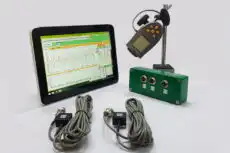
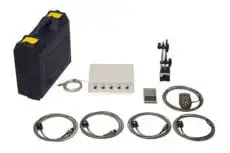
🔧 Balanset-1A — Nyumba ya Mchanganyikaji wa Vibration Mahali Kwenye Uwanja
The Balancet-1A ni chombo cha usahihi kinachosherekea moja kwa moja mahitaji ya ISO 20816-3 kwa upimaji na tathmini ya vibration:
- Upimaji wa vibration: Kasi (mm/s RMS), kuhamia, kuongeza kasi — vigezo vyote vya ISO 20816-3
- Eneo la masafa: 5 Hz – 550 Hz (kawaida), inaweza kupanuliwa — inahusisha hitaji la 2–1000 Hz
- Kusawazisha kwa uso mmoja na nyuso mbili: Kupunguza vibration hadi kiwango cha Zone A/B
- Upimaji wa awamu: ±1° accuracy for balancing and vector analysis
- RPM range: 150 hadi 60,000 rpm — inahusisha kabisa eneo la ISO 20816-3
- FFT spectrum: Identify fault types (1×, 2×, harmonics, bearing defects)
- Kuzalisha ripoti: Kuandika upimaji kwa hifadhi ya utoaji
15. Kiwango cha Marejeleo
Marejeleo ya Kisheria
| Standard | Title |
|---|---|
| ISO 2041 | Mitikisiko ya mitambo, mikakati na ufuataji wa hali — Kamusi |
| ISO 2954 | Mahitaji ya zana za kupima ukali wa mitikisiko |
| ISO 10817-1 | Mifumo ya kupima mitikisiko ya milango ya inajitokeza — Uzamili na dhati |
| ISO 20816-1:2016 | Mitikisiko ya mitambo — Kipimo na kutathmini — Onyo za jumla |
ISO 20816 Series
| Standard | Scope | Status |
|---|---|---|
| ISO 20816-1:2016 | Mwongozo wa jumla | Published |
| ISO 20816-2:2017 | Turbini za mvuke/gesi >40 MW, 1500–3600 r/min | Published |
| ISO 20816-3:2022 | Mitambo ya viwanda >15 kW, 120–30,000 r/min | Iliyochapishwa (hati hii) |
| ISO 20816-4:2018 | Seti za turbini zilizosagwa na gesi | Published |
| ISO 20816-5:2018 | Vituo vya nguvu ya majimaji | Published |
| ISO 20816-8:2018 | Mifumo ya compressor inayorudisha nyuma | Published |
| ISO 20816-9 | Gear units | In development |
Kiwango cha Inayosaidiana
| Standard | Title | Relevance |
|---|---|---|
| ISO 21940-11 | Uzani wa inajitokeza — Utaratibu na uvumilizi | Kiwango cha uzani wa ubora G0.4–G4000 |
| ISO 13373-1/2/3 | Ufuataji wa hali ya mitikisiko na utambuzi | FFT, uchambuzi, kalamu za hitilafu |
| ISO 18436-2 | Cheti cha mgawanyaji wa mitikisiko (Cat I–IV) | Ustadi wa wafanyakazi |
| ISO 14694 | Feni za viwanda — Ubora wa kusawazisha na vibration | Mipaka maalum ya feni |
Kufanana kwa GOST (Annex DA)
| ISO Standard | Correspondence | Sawa la GOST |
|---|---|---|
| ISO 2041 | IDT | GOST R ISO 2041-2012 |
| ISO 2954 | IDT | GOST ISO 2954-2014 |
| ISO 10817-1 | IDT | GOST ISO 10817-1-2002 |
| ISO 20816-1:2016 | IDT | GOST R ISO 20816-1-2021 |
IDT = Viwango sawa.
Muktadha wa Kihistoria
ISO 20816-3:2022 inabadilisha ISO 10816-3:2009 (vibration ya chumba) na ISO 7919-3:2009 (vibration ya shimoni), kuunganisha zote katika mfumo mmoja wa tathmini. Kazi ya msingi ya Rathbone (1939) ilianzisha msingi wa kutumia kasi kama kigezo kikuu cha vibration.
16. Maswali Yanayoulizwa Mara Kwa Mara
ISO 20816-3:2022 inabadilisha na kuondoleza ISO 10816-3:2009 na ISO 7919-3:2009. Tofauti kuu: muunganisho wa vigezo vya vibration ya chumba na shimoni katika hati moja, mipaka ya eneo iliyobadilishwa kulingana na uzoefu mpya wa uendeshaji, mwongozo wa kwanza kuhusu uainishaji wa msingi, na mwongozo ulioongezwa kuhusu mashine ya kasi ndogo. Ikiwa maelezo yako yanarejea ISO 10816-3, unapaswa kuhamia ISO 20816-3.
Kwa mashine nyingi zaidi ya 600 r/min, velocity ndio kigezo kikuu. Tumia uhamisho wa ziada wakati: kasi ya mashine ni ≤600 r/min (uhamisho inaweza kuwa sababu ya kikomo), sehemu za frequency zisizitaka hazihitajika, au kupima vibration ya jamaa ya shimoni (tumia wastani wa kilele-kwa-kilele). Ikiwa una shaka, angalia vigezo vyote viwili — eneo lenyenye matokeo mabaya linasimamia.
Mbinu sahihi zaidi ni kupima au kuhesabu frequency ndogo zaidi ya asili ya mfumo wa mashine-msingi. Mbinu: mtihani wa athari (bump test), uchambuzi wa modal ya uendeshaji, au hesabu ya FEA. Makadirio ya haraka: ikiwa mashine inaonekana kusonga kwenye mounts yake wakati wa kuanza/kusimama, inaweza kuwa flexible. Kama fn ≥ 1.25 × running frequency → Rigid; otherwise → Flexible. Note: a foundation may be rigid vertically but flexible horizontally.
Zone C means haifai kwa uendeshaji endelevu wa muda mrefu, lakini haisumbui kufu haraka. Unapaswa: kuchunguza sababu, kupanga hatua ya marekebisho, kufuatilia kwa haraka kwa mabadiliko ya haraka, kuweka muda wa marekebisho (kupitia kusimamisa kiufundi), na kuhakikisha vibration haina mkondo wa Zone D. Uamuzi wa kuendelea inategemea muhimu wa mashine na matokeo ya kufeli.
Unbalance ni sababu ya kawaida ya vibration zaidi kwa kasi ya kuendeshwa (1×). Usaawazaji wa uwanja kwa kutumia Balanset-1A unaweza kupunguza vibration kutoka Zone C/D kurudi Zone A/B. Zana hupima kasi ya vibration kwa mujibu wa mahitaji ya ISO 20816-3, inahesabu raia ya marekebisho, inathibitisha matokeo, na kuandika kiwango cha kabla/baada kwa ajili ya kumbukumbu ya tapatia.
Ongezeko la ghafla (inayosababisha Criterion II) inaweza kuonyesha: kupoteza uzani wa usaawazaji, uharibifu wa kumimina, kufeli kwa mgeuzi, ukosaji wa muundo (kububujika kwa bolt ya msingi), rotor rub, au mabadiliko ya mchakato (cavitation, surge). Mabadiliko yoyote >25% ya mpaka wa B/C yanahitaji uchunguzi, hata kama kiwango cha kama kamwe ni muhuri.
Ikiwa vibration ya nyumba inaonyesha Zone B lakini vibration ya shaft inaonyesha Zone C, fanya kulingana na mashine Zone C (tathmini ya kuzuia zaidi inatawala). Hakuna njia rahisi ya kuhesabu vibration ya nyumba kutoka kwa vibration ya shaft au kinyume chake. Daima tumia eneo baya zaidi kutoka kwa vipimo vya pande zote.

