ISO 8041: Mwitikio wa Binadamu kwa Mtetemo — Vifaa vya Kupima
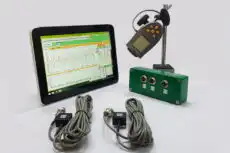

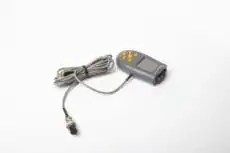
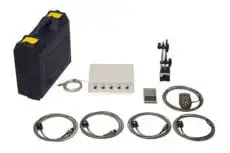
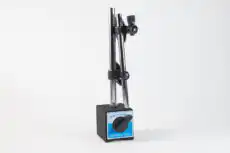

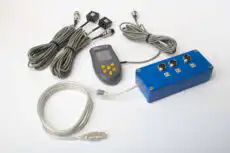
ISO 8041 ni kiwango maalum cha kimataifa kinachobainisha vipimo vya utendaji na mahitaji ya majaribio kwa vyombo vilivyoundwa kupima mfiduo wa binadamu kwa vibration. Tofauti na viwango vinavyolenga mashine vinavyosimamia afya ya vifaa, ISO 8041 inashughulikia afya ya kazini, usalama, na starehe. Lengo lake ni kuhakikisha kwamba “vipimo vya mtetemo vya binadamu” tofauti ni sahihi na zinaoana, ili data inayotumika kutathmini hatari mbili — mtetemo wa mkono-mkono (HAV) kutoka zana za nguvu na mtetemo wa mwili mzima (WBV) kutoka magari na vifaa vya viwanda — ni ya kuaminika bila kujali ni mtengenezaji’s kipimo gani kilichoizalisha. Ni kinyume cha mfiduo wa binadamu kwa viwango vya vyombo kama vile ISO 2041 kuhusu msamiati wa mtetemo, na inategemea vipimo sawa — hasa acceleration — vinavyotumika katika vibration analysis.
1. Anga na Utumie
Mwanzo wa kiwango unarekebisha kusudi lake: kubainisha mahitaji ya utendaji kwa vyombo vinavyopima thamani za mtetemo kwa madhumuni maalum ya kutathmini mwitikio wa binadamu. Inaweka kwa makusudi mipaka kati yake na vipimo vya mtetemo vya madhumuni ya jumla vinavyotumika kutathmini hitilafu za mashine. Aina mbili za mfiduo ziko ndani ya wigo wake:
- Mtetemo wa Mkono-Mkono (HAV): mtetemo unaopitishwa kwenye mikono na mikono ya mtu kutoka kwa zana zinazotetemeka kama vile visagaji, vibomboaji, na vifunguo vya athari.
- Mtetemo wa Mwili Mzima (WBV): mtetemo unaopitishwa kupitia miguu au matako wakati wa kusimama au kukaa juu ya uso unaotetemeka — kiti cha gari, jukwaa, au sakafu ya jengo.
Lengo katika hali zote mbili ni sawa: vipimo vinavyochukuliwa kwa tathmini ya afya na usalama lazima viwe sahihi, vinavyoweza kurudiwa, na vinavyoweza kulinganishwa, bila kujali mtengenezaji wa chombo. Ulinganishaji huo ndio unaoruhusu mfiduo ulioupimwa kukaguliwa dhidi ya kikomo cha kisheria kwa uaminifu.
2. Mahitaji ya Jumla na Vipimo
Sura hii inaweka msingi wa muundo na utendaji wa chombo cha kupima. Zaidi ya yote, inaagiza kwamba kigezo cha msingi cha kupima kiwe kasi ya mzizi wa wastani wa mraba (RMS), because RMS ni kipimo kinachohusiana zaidi na hisia za binadamu na hatari ya kuumia — kwa kiasi kikubwa zaidi kuliko kipimo rahisi cha peak reading.
Pia inaweka wazi utendaji wa msaada ambao chombo lazima kitoe:
- Clear display: the measured value, its units, and the active frequency-weighting filter must all be shown unambiguously.
- Viashiria vya hali: kiwango cha betri na mawimbo ya onyo la mzigo kupita kiasi, ili betri iliyoisha au mawimbo yaliyokatizwa yasiharibu kipimo bila kutambuliwa.
- Mazingira ya uendeshaji yaliyofafanuliwa: viwango vya chini vya uendeshaji vya joto, unyevu, shinikizo la angahewa, na kinga dhidi ya mashamba ya sumakuumeme, ambavyo ndani yake chombo lazima kidumishe usahihi wake ulioainishwa.
Kipimo cha msaidizi kilichounganishwa ni sehemu ya mnyororo wa kupima, kwa hivyo mahitaji ya usahihi ya kiwango hiki yanapanuka kwa njia ya kubainisha hadi accelerometer na ufungaji wake — mada inayoshughulikiwa zaidi katika sehemu ya uthibitisho.
3. Vichujio vya Uzito wa Masafa
Hii ndiyo msingi wa kiufundi wa ISO 8041, na kipengele kinacholitofautisha wazi mita ya mtetemo wa binadamu na chombo cha uchambuzi wa mashine. Miongo ya utafiti wa biodynamics inaonyesha kwamba unyeti wa mwili wa binadamu kwa mtetemo hutofautiana sana na frequency: kasi ile ile inaweza kudhuru zaidi katika baadhi ya masafa kuliko mengine. Ili kukamata hilo, kiwango kinaainisha seti ya lazima ya vichujio vya uzito wa masafa — vichujio vya kielektroniki vinavyorekebisha mawimbo ghafi, vikiongeza nguvu katika bendi ambapo mwili una unyeti na kupunguza zile ambapo hauna, ili nambari ya mwisho ionyeshe hatari halisi ya madhara au usumbufu.
Kiwango kinatoa ufafanuzi sahihi wa kihesabu na mipaka ya uvumilivu kwa uzito wa msingi:
- Wh: kwa mtetemo wa mkono na mkono, ukisisitiza masafa kutoka takriban 8 Hz hadi 16 Hz.
- Wk: kwa mtetemo wa mwili mzima katika mwelekeo wa wima (mhimili wa z) — kwa mfano, kupanda chini katika kiti.
- Wd: kwa mtetemo wa mwili mzima katika mwelekeo wa usawa (mihimili ya x na y) — kupanda upande kwa upande.
- Wc, We, Wj na nyingine: uzito wa ziada maalum kwa matumizi mahususi kama vile kipimo cha kichefuchefu cha mwendo na vipimo vya mgongo wa kiti.
Hii ni kinyume kabisa na uchunguzi wa mashine, ambapo mwitikio tambarare, bila uzito kawaida unahitajika ili kila mzunguko/masafa uonekane kwa usawa sawa. Katika kazi ya mtetemo wa binadamu, uzito huo si wa hiari — ndio unaobadilisha kipimo cha kimwili kuwa kipimo kinachohusiana na afya.
4. Majaribio ya Utendaji na Usahihishaji
Ili dai la “kuzingatia ISO 8041” liwe na maana, kiwango hicho kinaagiza seti ngumu ya majaribio ya uthibitishaji wa utendaji yenye vigezo vilivyoainishwa vya kufaulu/kushindwa, yanayofanywa na mtengenezaji au calibration maabara. Yanajumuisha ukaguzi wa:
- Kelele za umeme zinazozalishwa na kifaa chenyewe: sakafu ya kelele ya ndani ya kifaa.
- Uthibitisho wa uzito wa masafa: usahihi wa kila kichujio cha uzito dhidi ya bendi yake ya uvumilivu iliyoainishwa.
- Linearity: kipimo sahihi katika anuwai kamili ya ukubwa wa kifaa.
- Uathiriaji wa Mazingira: utulivu chini ya mabadiliko ya joto na mashamba ya sumaku ya nje.
Uthibitishaji wa mara kwa mara dhidi ya seti hii ndio unaohakikisha kipimo inabaki kuaminika katika maisha yake yote ya huduma, na cheti cha calibration inayoandika matokeo haya ni ushahidi wa vitendo kwamba lebo bado inabaki kweli. Kwa muhtasari, sura hiyo inahakikisha kwamba uzingatiaji ni dhamana ya ubora wa kipimo badala ya beji ya uuzaji.
5. Mwongozo wa Mtumiaji na Nyaraka
Sehemu ya mwisho inasimamia taarifa ambayo watengenezaji lazima wamkabidhi mtumiaji wa mwisho. Inahitaji mwongozo kamili unaosema safu ya kipimo cha kifaa, mwitikio wa masafa, na uzito maalum unaotekelezwa, pamoja na maagizo wazi ya uendeshaji — jinsi ya kuchagua mipangilio sahihi, na jinsi ya kuweka vizuri vihisi vinavyohitajika (accelerometer). Uwekaji si undani tu: vipimo vya HAV vinatumia viungo vilivyobandikwa kwenye mpini wa zana, huku vipimo vya WBV vikitumia pedi ya kiti yenye nusu-ugumu, na kifaa kilichounganishwa vibaya transducer kinaweza kubatilisha matokeo. Nyaraka nzuri ndizo zinazomwezesha opereta aliyefunzwa kukusanya data inayofaa kwa tathmini rasmi ya mfiduo.
6. Mtetemo wa Binadamu dhidi ya Mtetemo wa Mashine
Ni muhimu kutoa tofauti hii wazi, kwa sababu wahandisi wanaojua uchunguzi wa mashine mara nyingi hukaribia ISO 8041 kwa mwelekeo usio sahihi.
- Biomekanika, si mekanika ya mashine: lengo ni kupima uwezekano wa kuumia au usumbufu kwa binadamu, si kutafuta hitilafu ya mashine.
- Uzito wa mzunguko wa masafa ni wa lazima, si wa hiari: ambapo uchambuzi wa mashine unathamini jibu lililonyoosha, kipimo cha mtetemo kwa binadamu requires uzito wa mzunguko wa masafa ili kutathmini hatari ipasavyo. Mtetemo wenye amplitude kubwa katika masafa yasiyosikika sana unaweza kuwa na madhara kidogo zaidi kuliko mtetemo mdogo katika masafa nyeti sana.
- Matumizi ya kisheria: data kutoka kwa kifaa kinachokidhi ISO 8041 hutumiwa kuthibitisha uzingatifu wa kanuni za afya na usalama — kama vile Maelekezo ya EU kuhusu Mawakala wa Kimwili (Mtetemo) 2002/44/EC — na kuongoza ubunifu wa zana za ergonomic na kusimamishwa kwa magari yenye faraja.
Hata hivyo, taaluma hizi mbili zinakutana katika vitendo. Mhandisi wa uaminifu anayepunguza mtetemo wa mashine chanzo chake pia anapunguza mfiduo wa watu wanaoendesha mashine hiyo. Kurekebisha rotor inayozunguka vibaya kwa field balancing — measuring 1× upana na awamu kwa kifaa cha kuchanganua kinachoweza kubebwa kama vile Balancet-1A na kupunguza kutokuwa na usawa maalum to within an ISO 21940-11 daraja la ubora wa usawazishaji — hupunguza mtetemo unaosafiri kupitia muundo ambao kipimo cha ISO 8041 kingerekodi baadaye kwenye mikono au kiti cha mwendeshaji. Kiwango cha mashine kinarekebisha sababu; ISO 8041 inapima athari kwa binadamu. Vikitumiwa pamoja, vinafunga mzunguko kati ya hali ya vifaa na ulinzi wa mfanyakazi.

