Understanding FTF — Fundamental Train Frequency





FTF (Fundamental Train Frequency — கேஜ் அலைவெண் அல்லது ரிடெய்னர் அலைவெண் என்றும் அழைக்கப்படுகிறது) என்பது நான்கு அடிப்படை அலைவெண்களில் ஒன்றாகும் கொண்டு பழுது அதிர்வெண்கள். இது பேரிங் கேஜின் (சுழலும் கூறுகளை இடத்தில் வைத்து அவற்றை சமமாக இடைவெளியிடும் பிரிப்பான் அல்லது ரிடெய்னர்) சுழற்சி வேகத்தைக் குறிக்கிறது. கேஜ் சுழலும் கூறுகளைத் தன்னுடன் சுமந்துகொண்டு பேரிங்கைச் சுற்றி வட்டமிட்டு, முழு சுழலும் கூறுகளின் தொகுப்பும் ரேஸ்வேக்களைச் சுற்றி ஒருமுறை பயணிக்கும் நேரத்தில் ஒரு சுற்றை முடிக்கிறது. FTF என்பது நான்கு பேரிங் அலைவெண்களிலும் மிகக் குறைந்தது — வழக்கமாக ஷாஃப்ட் வேகத்தின் 0.35× முதல் 0.48× வரை, எனவே எப்போதும் sub-synchronous. கேஜ் (cage) குறைபாடுகள் தாமே அரிதாக இருந்தாலும், மற்ற பேரிங் அதிர்வெண்களைச் சுற்றி, குறிப்பாக, மாடுலேஷன் (modulation) அதிர்வெண்ணாக செயல்படுவதால் FTF நோயறிதலில் முக்கியத்துவம் வாய்ந்ததாகும் sidebands மற்ற பேரிங் அதிர்வெண்களைச் சுற்றி, குறிப்பாக BSF.
1. வரையறை: FTF எதைக் குறிக்கிறது
ஒவ்வொரு ரோலிங்-எலிமென்ட் பேரிங்கிலும் ஒரு கேஜ் (cage) உள்ளது; இது பந்துகளையோ ரோலர்களையோ பாக்கெட்டுகளில் பிடித்துக்கொண்டு, உள் மற்றும் வெளி ரேஸ்களுக்கு இடையேயான வளையத்தைச் சுற்றி அவற்றை வழிநடத்துகிறது. உள் ரேஸ் தண்டுடன் (shaft) சுழலும்போது, அது ரோலிங் எலிமென்ட்களை சுற்றி இழுத்துச் செல்கிறது, மேலும் கேஜ் அவற்றின் கூட்டு சுற்றுப்பாதை வேகத்தில் நகர்கிறது. அந்த சுற்றுப்பாதை வேகம் நிலையான வெளி ரேஸ் (பூஜ்ஜியம்) மற்றும் சுழலும் உள் ரேஸ் (தண்டு வேகம்) ஆகியவற்றின் சராசரியாக இருப்பதால், கேஜ் தண்டு வேகத்தில் சுமார் 40% மட்டுமே சுற்றுகிறது. இந்த சுற்றுப்பாதை வீதமே அடிப்படை ட்ரெயின் அதிர்வெண் (Fundamental Train Frequency) ஆகும் — பேரிங்கில் உள்ள மிக மெதுவான, மிக மென்மையான தாளம், ஆனால் ரோலிங்-எலிமென்ட் குறைபாடுகளின் நோயறிதலுக்கு அடிப்படையாக அமைவது.
2. கணித நிரல்
Formula
FTF என்பது பேரிங் வடிவியல் மற்றும் தண்டு வேகத்திலிருந்து பெறப்படுகிறது. கண்டிப்பாகச் சொன்னால், இது சுழலும் உள் ரேஸிலிருந்து பார்க்கப்படும் கேஜ் வேகம்; நிலையான வெளி ரேஸ் மற்றும் சுழலும் உள் ரேஸுடன் இது:
FTF = (n / 2) × [1 − (Bd / Pd) × cos β]
Variables
- n = தண்டின் சுழற்சி அதிர்வெண் Hz இல் (அதாவது RPM ÷ 60).
- Bd = பந்து அல்லது உருளை விட்டம்.
- Pd = பிட்ச் விட்டம் (ரோலிங் எலிமென்ட்களின் மையங்கள் வழியாகச் செல்லும் வட்டத்தின் விட்டம்).
- β = தொடர்பு கோணம்.
Simplified Form
பூஜ்ஜிய தொடர்பு கோணம் கொண்ட பேரிங்குகளுக்கு (β = 0°, cos β = 1):
- FTF ≈ (n / 2) × [1 − Bd / Pd]
- Bd/Pd ≈ 0.2 கொண்ட வழக்கமான பேரிங்கிற்கு, இது FTF ≈ 0.4 × n எனக் கிடைக்கிறது.
- கட்டைவிரல் விதி: FTF என்பது தண்டு வேகத்தில் சுமார் 0.4× — தண்டு அதிர்வெண்ணில் 40%.
Typical Range
- வடிவியலைப் பொறுத்து, FTF பொதுவாக தண்டு வேகத்தில் 0.35× முதல் 0.48× வரை விழுகிறது.
- Example: at 1800 RPM (30 Hz), FTF ≈ 12 Hz (0.4× shaft speed).
- இது எப்போதும் துணை-ஒத்திசைவானது (1× இயக்க வேகத்திற்குக் கீழே).
- நான்கு பேரிங் குறைபாடு அதிர்வெண்களில் இதுவே மிகக் குறைந்தது.
இந்தக் கணக்கீடுகள் எந்தவொரு பேரிங்-குறைபாடு ஆய்வின் ஒரு பகுதியாகும்; ஒரு தாங்கி குறைபாடு ப்ரீக்வென்சி கணக்கெடுப்பான் வடிவியலிலிருந்து நேரடியாக BPFO, BPFI மற்றும் BSF உடன் சேர்த்து FTF-ஐக் கணக்கிடுகிறது; இது ஒரு இயந்திரத்தில் உள்ள ஒவ்வொரு பேரிங்கிற்கும் சூத்திரத்தை கைமுறையாகச் செயல்படுத்துவதை விட மிக வேகமானதும், பிழைக்கு குறைவாக ஆளாவதும் ஆகும்.
3. Physical Significance
Cage Motion
கேஜ்’இன் சுழற்சி அது சுமக்கும் ரோலிங் எலிமென்ட்களால் தீர்மானிக்கப்படுகிறது:
- ரோலிங் எலிமென்ட்கள் உள் மற்றும் வெளி ரேஸ்களுக்கு இடையே சறுக்காமல் உருளுகின்றன.
- கேஜ் ரோலிங்-எலிமென்ட் மையங்களின் சராசரி வேகத்தில் நகர்கிறது.
- அந்த வேகம் நிலையான வெளி ரேஸ் (0) மற்றும் சுழலும் உள் ரேஸ் (தண்டு வேகம்) ஆகியவற்றுக்கு இடையேயான நடுப்புள்ளியாக தோராயமாக இருக்கும்.
- எனவே கேஜ் தண்டு வேகத்தில் சுமார் 40% அளவில் சுற்றுகிறது.
சுத்தமான 0.5× விகிதத்திலிருந்து உள்ள சிறிய வேறுபாடு — மற்றும் நிஜ கேஜ்கள் சிறிய சறுக்கலை அனுபவிக்கக்கூடும் என்ற உண்மை — இதனால்தான் FTF இயக்க வேகத்துடன் ஒப்பிடும்போது விகிதமற்றதாக (irrational) இருந்து, ஒருபோதும் ஒழுங்கான ஹார்மோனிக்கில் வந்து விழுவதில்லை.
Function of the Cage
- Spacing: ரோலிங் எலிமென்ட்களுக்கு இடையே சீரான இடைவெளியைப் பராமரிக்கிறது.
- Guidance: ஒவ்வொரு ரோலிங் எலிமென்ட்டையும் அதன் சரியான சுற்றுப்பாதையில் வைத்திருக்கிறது.
- Lubrication: பேரிங் முழுவதும் மசகு எண்ணெயை பரவச் செய்ய உதவக்கூடும்.
- Separation: அருகிலுள்ள ரோலிங் எலிமென்ட்கள் ஒன்றுடன் ஒன்று உராய்வதைத் தடுக்கிறது.
4. அதிர்வு ஸ்பெக்ட்ரத்தில் FTF எப்போது தோன்றுகிறது
Direct Cage Defects
கேஜ் தாமே சேதமடையும்போது ஒரு முதன்மை FTF உச்சம் தோன்றுகிறது:
- உடைந்த கேஜ்: a fractured or cracked cage structure.
- Worn pockets: கேஜ் மற்றும் ரோலிங் எலிமென்ட்களுக்கு இடையே அதிகப்படியான இடைவெளி.
- கேஜ் உராய்வு: கேஜ் ரேஸ்களையோ சீல்களையோ தொடுதல்.
- Frequency: ஒரு நேரடி FTF உச்சம், பெரும்பாலும் ஹார்மோனிக்களுடன்.
- Rarity: கேஜ்-மட்டும் குறைபாடுகள் அரிதானவை; இவை பேரிங் தோல்விகளில் சுமார் 5%-க்கும் குறைவாகவே உள்ளன.
சைட்பேண்ட் மாடுலேஷனாக (மிகவும் பொதுவான பங்கு)
பெரும்பாலான சந்தர்ப்பங்களில், FTF தனக்கென ஒரு உச்சியாகத் தோன்றுவதை விட BSF-ஐச் சுற்றியுள்ள பக்கப்பட்டை இடைவெளியாகவே (sideband spacing) வெளிப்படுகிறது:
- உருளும்-உறுப்புக் குறைபாடு இருக்கும்போது, BSF செயலில் இருக்கும்.
- குறைபாடுள்ள பந்து சுமை மண்டலத்திற்குள் வந்து வெளியேறி சுற்றிவரும்போது, அதன் தாக்க தீவிரம் ஏறி இறங்குகிறது.
- அந்த மாறுபாடு கூண்டின் சுற்றுப்பாதை அதிர்வெண்ணில் — FTF — நிகழ்கிறது.
- இதன் விளைவாக BSF ± FTF, BSF ± 2×FTF, BSF ± 3×FTF என்று பக்கப்பட்டைகள் (sidebands) உருவாகின்றன.
- இந்த அமைப்பு உருளும்-உறுப்புக் குறைபாடுகளுக்கான நம்பகமான கண்டறிதல் கைரேகையாகும், மேலும் இது கூர்மைப்படுத்தப்படுகிறது envelope analysis.
In Bearing Instability
- தாங்கி தூண்டிய நிலையற்ற தன்மையால் ஏற்படும் துணை-ஒத்திசைவு அதிர்வு FTF-க்கு அருகில் தோன்றலாம்.
- இது போதிய அளவு இல்லாததைச் சுட்டிக்காட்டலாம் preload or excessive தாங்கி இடைவெளி.
- இது சேதமடைந்த கூண்டின் தனித்த, மீள்நிகழ்வுத் தாக்கங்களை விட தொடர்ச்சியான மற்றும் பரந்த-அலைக்கற்றை தன்மை கொண்டது என்பதால், உண்மையான கூண்டுக் குறைபாட்டிலிருந்து அதன் தன்மையால் வேறுபடுத்தப்படுகிறது.
5. Cage Defect Diagnosis
Symptoms of Cage Problems
- FTF அதிர்வெண்ணில் ஒரு உச்சி அதிர்வ நிறமாலை.
- 2×FTF, 3×FTF மற்றும் அதற்கு மேல் இசைவலைகள் (harmonics).
- நிலையானதாக இல்லாமல் பெரும்பாலும் ஒழுங்கற்ற அல்லது மாறுபடும் வீச்செல்லை (amplitude).
- பல சந்தர்ப்பங்களில் கேட்கக்கூடிய சொடுக்கல் அல்லது சடசடப்பு ஒலி.
- சில நேரங்களில் தெரியக்கூடிய காலமுறை தாக்கங்கள் time waveform.
Causes of Cage Defects
- முறையற்ற மசகூட்டல்: inadequate lubrication causing cage wear.
- High-speed operation: கூண்டின் மீது அதிகப்படியான மைய விலகு விசை.
- Contamination: கூண்டுப் பொருளையோ அதன் குழிகளையோ சேதப்படுத்தும் துகள்கள்.
- Overheating: கூண்டுப் பொருளின் வெப்பத் திரிபு அல்லது மென்மையாதல்.
- Fatigue: high-cycle fatigue in thin cage sections.
- நிறுவல் சேதம்: பொருத்தும்போது வளைந்த அல்லது தட்டப்பட்ட கூண்டு.
6. நடைமுறை முக்கியத்துவம் மற்றும் மற்ற தாங்கி அதிர்வெண்களுடனான தொடர்பு
FTF as a Diagnostic Marker
FTF-இன் முக்கிய நடைமுறை மதிப்பு, அது பக்கப்பட்டைகள் மீது விதிக்கும் இடைவெளியில் உள்ளது:
- 1× sidebands: உள்-வளைய குறைபாடுகளைச் சுட்டிக்காட்டுகின்றன (குறைபாடு சுமை மண்டலத்தின் வழியே கடக்கும்போது அச்சு சுழற்சியால் ஏற்படும் ஒழுங்கமைப்பு).
- FTF sidebands: உருளும்-உறுப்புக் குறைபாடுகளைச் சுட்டிக்காட்டுகின்றன (கூண்டின் சுற்றுப்பாதை இயக்கத்தால் ஏற்படும் ஒழுங்கமைப்பு).
- வடிவ அறிதல்: பக்கப்பட்டை இடைவெளி மட்டுமே பெரும்பாலும் ஒரே பார்வையில் குறைபாட்டின் வகையை அடையாளம் காட்டுகிறது.
- Advanced diagnosis: FTF-ஐப் புரிந்துகொள்வதே, இல்லையெனில் குழப்பமான தாங்கி நிறமாலையை ஒரு பகுப்பாய்வாளர் சரியாக விளக்க உதவுகிறது.
In Automated Diagnostics
- நவீன பகுப்பாய்விகள் தாங்கி மாதிரியிலிருந்து நான்கு தாங்கி அதிர்வெண்களையும் தானாகவே கணக்கிடுகின்றன.
- மென்பொருள் BPFO, BPFI, BSF மற்றும் FTF-இல் உள்ள உச்சிகளைக் குறியிடுகிறது.
- தானியங்கி பக்கப்பட்டை கண்டறிதல், தேடல் இடைவெளிகளாக FTF மற்றும் 1×-ஐப் பயன்படுத்துகிறது.
- உச்சி வீச்செல்லை மற்றும் இசைவலை உள்ளடக்கத்திலிருந்து தீவிரம் தரப்படுத்தப்படுகிறது.
Frequency Hierarchy
நான்கு தாங்கி அதிர்வெண்கள், அளவின் ஏறுவரிசையில்:
- Lowest: FTF (≈ 0.4× shaft speed).
- Low–medium: BSF (≈ 2–3× shaft speed).
- Medium: BPFO (≈ 3–5× shaft speed).
- Highest: BPFI (≈ 5–7× shaft speed).
Mathematical Relationships
- நான்கு அதிர்வெண்களும் ஒரே தாங்கி வடிவவியலிலிருந்து உருவாகின்றன.
- ஒரு அதிர்வெண்ணையும் தாங்கி வகையையும் அறிந்தால் மற்றவற்றை பின்னோக்கி கணக்கிட முடியும்.
- கொடுக்கப்பட்ட தாங்கி மாதிரிக்கு அவற்றுக்கிடையேயான விகிதங்கள் நிலையானவை, இது உள்ளமைந்த குறுக்குச்சரிபார்ப்பை வழங்குகிறது.
- குறிப்பாக, Z உருளும் உறுப்புகள் கொண்ட தாங்கிக்கு, BPFO + BPFI = Z × அச்சு வேகம் மற்றும் BPFO = Z × FTF — ஒரு கண்டறிதலைச் சரிபார்க்க உதவும் கைக்குப் பழக்கமான அடையாளங்கள்.
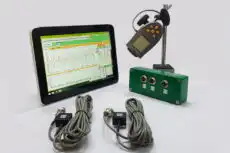
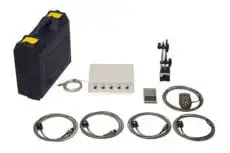
களத்தில், இயந்திரத்தின் உண்மையான இயங்கு வேகத்தில் உங்கள் கருவி இந்த அதிர்வெண்களைத் தெளிவாகப் பகுப்பாய்வு செய்ய முடிந்தால் மட்டுமே இவை பயனுள்ளதாக இருக்கும். போன்ற ஒரு கையடக்க இரு-தடம் பகுப்பாய்வி Balanset-1A நிறமாலை மற்றும் கால அலைவடிவத்தை இயந்திரத்தின் சொந்த தாங்கிகளில் நேரடியாகப் பிடிக்கிறது, இதனால் மெதுவான FTF தாளமும் அது உருவாக்கும் BSF ± FTF பக்கப்பட்டைக் குடும்பமும் களத்திலேயே அடையாளம் காணப்படும் — மேலும், அடிப்படைச் சிக்கல் அதிகப்படியான unbalance சுமை தாங்கியின் மீது விழுவதே உண்மையான கூண்டுக் கோளாறு அல்ல என்று தெரிய வரும்போது, அப்போதே அங்கேயே சரிசெய்யப்படும். நீங்கள் தொடங்குவதற்கு முன்பே ஒவ்வொரு தாங்கித் தொனியையும் நிறமாலையில் வரைபடமாக்க, தாங்கி வடிவவியலை உள்ளிடவும் தாங்கி குறைபாடு ப்ரீக்வென்சி கணக்கெடுப்பான் மேலும் கணிக்கப்பட்ட FTF, BSF, BPFO மற்றும் BPFI கோடுகளை மேலடுக்காக இடவும்.
FTF என்பது தாங்கி கோளாறு அதிர்வெண்களில் மிகக் குறைந்த மற்றும் மிகக் குறைவாக கவனிக்கப்படுவதாக இருக்கலாம், ஆனால் அது முக்கியத்துவம் அற்றதல்ல. உருளும்-உறுப்பு குறைபாடுகளுக்கான மாடுலேஷன் அதிர்வெண்ணாக அதன் பங்கு, மற்றும் உண்மையான கூண்டு (cage) சிக்கல்களை எப்போதாவது சுட்டிக்காட்டுவது ஆகியவை, முழுமையான மற்றும் துல்லியமான தாங்கி நிலை மதிப்பீட்டிற்கு FTF பற்றிய செயல்முறை அறிவை இன்றியமையாததாக்குகின்றன.

