Understanding Pedestal Looseness



கணக்கு தளர்ச்சி என்பது ஒரு இயந்திரவியல் நிலை ஆகும், அதில் bearing pedestal அதன் அடித்தளத் தட்டு அல்லது அஸ்திவாரத்துடன் போதிய அளவில் பாதுகாப்பாகப் பொருத்தப்படாமல், கதியியல் சுமைகளின் கீழ் எதிர்பாராத அசைவு அல்லது ஆட்டத்தை அனுமதிக்கிறது. இது தளர்ந்த நங்கூரப் போல்ட்கள், விரிசல் விழுந்த தாங்கிகள் (pedestal), சீரழிந்த கிரௌட் (grout), அல்லது மோசமடைந்த அஸ்திவாரக் காங்கிரீட் ஆகியவற்றால் ஏற்படலாம். ஒரு வகையான கட்டமைப்பு இயந்திர தளர்ப்பு, it creates a distinctive high-amplitude vibration rich in harmonics முறையற்ற, நேரியல் அல்லாத நடத்தையுடன்.
இந்த நிலை குறிப்பாக சிக்கலானது, ஏனெனில் இது அதிர்வை உயர்த்துவதோடு மட்டுமல்லாமல்: மற்ற ஒவ்வொரு திருத்த முயற்சியையும் சீர்குலைக்கிறது. உங்களால் வெற்றிகரமாக balance தாங்கி ஆதரவே சுமையின் கீழ் இடம்பெயரக்கூடிய நிலையில் ஒரு ரோட்டரை அல்லது ஒரு துல்லியமான சீரமைப்பைப் பராமரிக்க முடியாது. அக்காரணத்தால், தாங்கி (pedestal) தளர்வைக் கண்டறிந்து சரிசெய்ய வேண்டும் first — எந்தவொரு அதிர்வு-குறைப்புத் திட்டத்திலும் இது ஒரு முன்நிபந்தனையே தவிர, பின்னர் கவனிக்க வேண்டியதல்ல.
1. வரையறை: தாங்கி (Pedestal) தளர்வு என்றால் என்ன?
ரோட்டர் ஒரு நிலையான மையக்கோட்டைச் சுற்றிச் சுழலும் வகையில், அஸ்திவாரத்துடன் ஒப்பிடும்போது ஒரு தாங்கியை நிலையான, திடமான நிலையில் வைத்திருப்பதே தாங்கி (bearing pedestal) தளத்தின் பணியாகும். அப்பணி தடையற்ற விறைப்புப் பாதையைச் சார்ந்துள்ளது: தாங்கி உறை → தாங்கித் தளம் → கிரௌட் → அஸ்திவாரம், இவை அனைத்தும் சரியாக இறுக்கப்பட்ட நங்கூரப் போல்ட்களால் ஒன்றாக இறுக்கப்பட்டுள்ளன. அந்தச் சங்கிலியில் எங்காவது ஏற்படும் முறிவே தாங்கி தளர்வாகும். இறுக்க விசை இழக்கப்படுகிறது, ஒரு இடைவெளி திறக்கிறது, மேலும் சுழலும் விசையின் ஒவ்வொரு சுழற்சியிலும் தாங்கித் தளம் சிறிது தூக்கவோ, ஆடவோ, நழுவவோ சுதந்திரமாக உள்ளது.
அந்த இடைப்பட்ட சுதந்திரமே அதிர்வை நேரியல் அல்லாததாக ஆக்குகிறது. பாதுகாப்பாகப் போல்ட் செய்யப்பட்ட தாங்கித் தளம் செலுத்தப்படும் விசைக்கு விகிதாசாரமாக பதிலளிக்கிறது — விசையை இரட்டிப்பாக்கினால், அசைவும் இரட்டிப்பாகும். தளர்ந்த ஒன்று அவ்வாறு செய்வதில்லை: உராய்வை மீறி வெல்லும் அளவுக்கு அல்லது இடைவெளியை மூடும் அளவுக்கு விசை பெரிதாகும் வரை அது அசையாமல் இருக்கிறது, பின்னர் திடீரென நகர்ந்து நின்று மோதுகிறது. இந்த நிறுத்தம்-தொடக்கம் நிறைந்த, மோதல் சார்ந்த அசைவே சரியாகக் காரணமாகும் spectrum தூய்மையான ஒற்றை 1× உச்சிக்குப் பதிலாக ஹார்மோனிக்குகளால் நிரம்புகிறது unbalance.
2. தாங்கி (Pedestal) தளர்வுக்கான காரணங்கள்
Loose anchor bolts
The most common cause.
- Mechanism: தாங்கித் தளத்தை அடித்தளத் தட்டுடன் இறுக்கிப் பிடிக்கும் நங்கூரப் போல்ட்கள் இறுக்கத்தை இழக்கின்றன.
- Reasons: முறையற்ற ஆரம்ப டார்க், போல்ட் நீட்சி அல்லது தளர்வு, அதிர்வால் தூண்டப்படும் தளர்வு, மற்றும் அரிப்பு.
- Detection: காட்சி ஆய்வு, டார்க் சரிபார்ப்புகள், மற்றும் போல்ட்-நீட்சி அளவீடு.
- Progression: தானே மோசமடைதல் — அதிர்வு உயரும்போது, போல்ட்கள் இன்னும் தளர்கின்றன.
Deteriorated or missing grout
- கிரௌட்டின் பணி: தாங்கித் தளத்தின் அடிப்பகுதிக்கும் அஸ்திவாரத்திற்கும் இடையேயான இடைவெளியை நிரப்பி, சுமையை சமமாகப் பகிர்ந்தளிக்கிறது.
- Deterioration: grout cracks, crumbles, or washes out over time.
- Result: தாங்கித் தளம் சமமற்ற நிலையில் அமர்ந்து ஆடவோ இடம்பெயரவோ செய்யலாம்.
- Common in: பழைய நிறுவல்கள், அதிக-அதிர்வுச் சூழல்கள், மற்றும் நீருக்கு வெளிப்படும் பகுதிகள்.
விரிசல் பட்ட சரணாலய இருக்கைகள்
- அதிர்வு அழுத்தங்களால் ஏற்படும் சோர்வு விரிசல்கள் (காண்க mechanical fatigue).
- Stress-corrosion cracking.
- Manufacturing defects such as casting flaws.
- Overload events.
- ஒரு விரிசல் தாங்கித் தளத்தை அளவுக்கதிகமாக வளையவோ அல்லது பிரியவோ அனுமதிக்கிறது.
Foundation deterioration
- Concrete spalling or cracking.
- மீண்டும் மீண்டும் ஏற்படும் அசைவால் நங்கூர-போல்ட் துளைகள் விரிவடைதல்.
- Settlement or subsidence.
- உறைதல்–உருகுதல் சேதம்.
Improper installation
- Insufficient bolt torque at installation.
- தாங்கித் தளத்தின் கால்களுக்குக் கீழே விடப்பட்ட இடைவெளிகள் — ஒரு soft foot condition.
- Inadequate grout coverage or thickness.
- Wrong bolt size or grade.
3. Vibration Signature
Characteristic features
- பல அலைவரிசைகள்: வலுவான 1×, 2×, 3×, 4× கூறுகள் — முதன்மையாக 1× ஆக இருக்கும் imbalance-க்கு மாறாக.
- அதிக மொத்த நிலை: வெளிப்படையான விசைச் செலுத்தலுக்கு வீச்சு விகிதாசாரமின்றி அதிகமாக உள்ளது.
- குழப்পமான நடத்தை: amplitude and phase vary unpredictably between measurements.
- நேரியல் அல்லாத பதில்: அதிர்வு வேகம் அல்லது சுமையுடன் நேரியல் முறையில் அளவுகோலாகவில்லை.
- Directional differences: பெரும்பாலும் ஒரு திசையில் (செங்குத்து எதிராக கிடைமட்டம்) மிகவும் மோசமாக உள்ளது.
நிறமாலை குணாக்கங்கள்
- இயங்கு வேகத்தின் ஏராளமான ஹார்மோனிக்குகள் (1×, 2×, 3×, 4×, 5× அல்லது அதற்கு மேல்).
- Sub-synchronous components may appear (e.g. ½×).
- An elevated broadband noise floor.
- அளவீடுகளுக்கு இடையே கணிசமாக மாறும் நிலையற்ற நிறமாலை (spectrum).
Time waveform features
- உச்சிகளில் கத்தரிப்பு அல்லது தட்டையாதல், அங்கு தாங்கித் தளம் அதன் தடுப்புகளுக்கு எதிராக மோதுகிறது — இதில் தெளிவாகத் தெரியும் time waveform.
- An irregular, non-sinusoidal shape.
- Truncated peaks signalling hard impacts.
- Beat patterns where multiple frequency components combine.
4. கண்டறிதல் முறைகள்
Vibration testing
- Harmonic analysis: வலுவான ஹார்மோனிக்குகளின் தொடர் தளர்வுக்கு உடனடியாக சந்தேகத்திற்குரியதாகும்.
- Coherence testing: low coherence மீண்டும் மீண்டும் எடுக்கப்படும் அளவீடுகளுக்கு இடையேயான வேறுபாடு, நிலையற்ற, நேரியல் அல்லாத பதிலை பிரதிபலிக்கிறது.
- Directional comparison: கிடைமட்ட மற்றும் செங்குத்து திசைகளுக்கு இடையேயான பெரிய வேறுபாடுகள் பொதுவாக ஒரு கட்டமைப்புச் சிக்கலைச் சுட்டிக்காட்டுகின்றன.
- பேலன்சிங்கிற்கான பதில்: தளர்வு பேலன்சிங்கை தோற்கடிக்கிறது — அளவீடுகள் நிலைபெறாது.
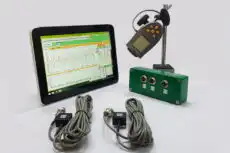
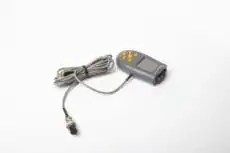
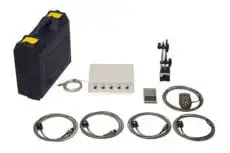
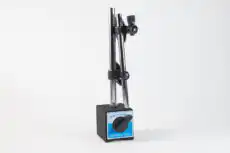
களத்தில் இந்த ஆரம்ப மதிப்பீட்டிற்கு ஒரு கையடக்க இரு-சேனல் பகுப்பாய்வி இயல்பான கருவியாகும். Balanset-1A தாங்கி உறையில் நேரடியாக நிறமாலை, நேர அலைவடிவம் மற்றும் 1× வீச்சு மற்றும் கட்டத்தைப் பதிவு செய்கிறது, இதனால் ஒரு பகுப்பாய்வாளர் இசைவலை குடும்பத்தைக் காணலாம், இயக்கத்திற்கு இயக்கம் கட்டம் நகர்வதைக் கண்காணிக்கலாம், மேலும் அளவீடுகள் நிலைபெற மறுக்கின்றன என்பதை அறிந்துகொள்ளலாம் — இது தளர்வின் உன்னதமான அடையாளம் — வெற்றிபெற முடியாத ஒரு பேலன்சிங் முயற்சியில் நேரத்தை வீணடிப்பதற்கு முன்பே.
Tap test
- படபடப்பை செவிமடுத்து உணர்ந்தபடி, பீடத்தை ஒரு சுத்தியலால் தட்டுங்கள்.
- தளர்வான பீடம் ஒரு திடமான ஒலிக்குப் பதிலாக ஒரு மந்தமான தட்டொலியைத் தரும்.
- தாக்கத்தின் கீழ் நீங்கள் அசைவை உணரலாம்.
- Simple, but a genuinely effective field test.
Visual inspection
- பீட பாதங்களின் கீழ் இடைவெளிகளைத் தேடுங்கள்.
- பீடம் அல்லது கிரவுட்டில் விரிசல்கள் உள்ளனவா எனச் சரிபார்க்கவும்.
- Inspect bolt condition — rust, elongation, broken bolts.
- அசைவைக் காட்டிக்கொடுக்கும் சாட்சி அடையாளங்களை (உராய்வு, மெருகூட்டப்பட்ட பகுதிகள்) தேடுங்கள்.
- அரிப்பு, காணாமல் போன கிரவுட் மற்றும் அடித்தளச் சேதம் ஆகியவற்றைச் சரிபார்க்கவும்.
Bolt torque verification
- ஒவ்வொரு நங்கூர போல்ட்டையும் சரிபார்க்க ஒரு டார்க் ரெஞ்சைப் பயன்படுத்தவும்.
- உண்மையான மதிப்புகளை குறிப்பிடப்பட்ட மதிப்புகளுடன் ஒப்பிடுங்கள் — ஒரு bolt tightening torque calculator and a bolt preload calculator போல்ட் அளவு மற்றும் தரத்திற்கான சரியான புள்ளிவிவரங்களைத் தருகின்றன.
- தளர்வான போல்ட்டுகளை மீண்டும் டார்க் செய்து அதிர்வை மீள்சரிபார்க்கவும்.
- Replace damaged or corroded bolts.
Further diagnostic tests
- சுமை பயன்பாடு: பீடத்தில் ஒரு விசையைப் பிரயோகித்து விலகலைக் கவனிக்கவும்.
- Rocking test: பீடத்தைக் கையால் ஆட்ட முயற்சிக்கவும்.
- டயல் சுட்டிக்காட்டி: measure movement under operating load.
- Ultrasonic bolt tension: உண்மையான போல்ட் முன்-சுமையை சேதமின்றி அளவிடவும்.
5. Correction Procedures
Immediate fixes
- Tighten anchor bolts சரியான வரிசையைப் பயன்படுத்தி, குறிப்பிட்டுள்ளபடி.
- Add missing shims பீட பாதங்களின் கீழ் உள்ள இடைவெளிகளை நிரப்ப.
- Verify improvement திருத்தத்திற்குப் பிறகு அதிர்வை மீள்சரிபார்ப்பதன் மூலம்.
Complete repair
- பழைய, சீரழிந்த கிரவுட்டை முழுமையாக அகற்றவும்.
- மேற்பரப்புகளைச் சுத்தம் செய்து தயார் செய்யவும்.
- பீடத்தை துல்லியமாக சமப்படுத்தி ஷிம் செய்யவும்.
- நங்கூர போல்ட்டுகளைப் பொருத்தி சரியாக டார்க் செய்யவும்.
- புதிய கிரவுட்டை ஊற்றி, முழுமையான நிரப்புதலை உறுதிசெய்யவும் — ஒரு grouting volume calculator sizes the pour.
- சேவைக்குத் திரும்புவதற்கு முன் சரியான குணப்படுத்தும் நேரத்தை அனுமதிக்கவும்.
- இறுதி சீரமைப்பு மற்றும் அதிர்வைச் சரிபார்க்கவும்.
Structural repair
விரிசல் அல்லது சேதமடைந்த பீடங்களுக்கு:
- பொருள் பொருத்தமாக இருந்து அழுத்தங்கள் புரிந்துகொள்ளப்படும் இடத்தில், விரிசல்களின் வெல்டிங் பழுதுபார்ப்பு.
- கசெட்டுகள் அல்லது ஆதரவுக் கம்பிகளுடன் வலுவூட்டல்.
- Complete pedestal replacement if severely damaged.
- காங்கிரீட் சேதமடைந்த இடத்தில் அடித்தளப் பழுதுபார்ப்பு அல்லது மாற்றீடு.
6. தடுப்பு
During installation
- தரமான பொருட்களுடன் சரியான கிரவுட்டிங் நடைமுறைகள்.
- போதுமான நங்கூர-போல்ட் அளவாக்கம் மற்றும் எண்ணிக்கை — ஒரு anchor-bolt pullout calculator checks the holding capacity.
- சரியான டார்க் விவரக்குறிப்பு மற்றும் பிரயோகம்.
- Soft-foot correction before final bolt-up.
- Quality-control inspection.
During operation
- Periodic bolt-torque verification (annually, or per schedule).
- வளரும் தளர்வை (looseness) ஆரம்பத்திலேயே கண்டறிய அதிர்வு கண்காணிப்பு.
- பெடஸ்டல் இடப்பெயர்வுகளைக் கண்டறிய சீரமைப்பு (alignment) சோதனைகள்.
- Visual inspections during outages.
7. பிற சிக்கல்களுடனான தொடர்பு
- vs. soft foot: a soft foot is unevenness present before போல்ட்டுகள் இறுக்கப்பட்டுள்ளன; பெடஸ்டல் தளர்வு என்பது போதிய இறுக்கம் இல்லாமை after tightening.
- vs. general mechanical looseness: பெடஸ்டல் தளர்வு என்பது பரந்த அமைப்பின் கட்டமைப்பு சார்ந்த, ஆதரவுப் பக்க உறுப்பாகும் mechanical loosening family.
- Prevents balancing: a rotor cannot be balanced over a loose pedestal.
- Alignment impossible: precision alignment பெடஸ்டல் நகர முடியுமானால் அது பயனற்றதாகும்.
- Accelerates other problems: அதிகப்படியான அதிர்வு வேகப்படுத்துகிறது bearing wear மற்றும் இயந்திரத்தின் பிற பகுதிகளில் சோர்வை (fatigue) ஏற்படுத்துகிறது.
பெடஸ்டல் தளர்வு என்பது ஒரு கட்டமைப்புக் குறைபாடாகும், திறம்பட அதிர்வுக் கட்டுப்பாட்டிற்கு முன்நிபந்தனையாக இது சரிசெய்யப்பட வேண்டும். அதன் சிறப்பியல்பான பல-ஹார்மோனிக் கையெழுத்து மற்றும் நேரியல் அல்லாத (non-linear) நடத்தை இதை எளிதில் அடையாளம் காண உதவுகிறது, மேலும் சரியான போல்ட் இறுக்கம் மற்றும் கட்டமைப்பு பழுதுபார்ப்பு மூலம் திருத்தம் வழக்கமாக நேரடியானது — இது ஒட்டுமொத்த இயந்திர அதிர்வு மற்றும் நம்பகத்தன்மையை உடனடியாக மேம்படுத்துகிறது.

