ทำความเข้าใจเกี่ยวกับความหลวมของฐาน

ความหลวมของฐาน คือสภาวะทางกลที่ ฐานรองรับลูกปืน ถูกยึดกับ baseplate หรือฐานรากไม่เพียงพอ ทำให้เกิดการเคลื่อนที่หรือโยกที่ไม่ตั้งใจภายใต้โหลดไดนามิก สาเหตุอาจมาจาก anchor bolt หลวม ฐานรองแตกร้าว grout เสื่อมสภาพ หรือคอนกรีตฐานรากเสื่อม ในฐานะรูปแบบหนึ่งของ ความหลวมทางกล, มันทำให้เกิด การสั่นสะเทือน อุดมไปด้วย ฮาร์โมนิกส์ แอมพลิจูดสูงที่มีพฤติกรรมผิดปกติและไม่เป็นเชิงเส้น
สภาวะนี้เป็นปัญหาอย่างยิ่ง เพราะมันไม่ได้แค่เพิ่มการสั่นสะเทือน แต่ยังทำลายความพยายามแก้ไขอื่นทั้งหมดด้วย คุณไม่สามารถ สมดุล โรเตอร์หรือรักษาแนวศูนย์ที่แม่นยำได้สำเร็จ เมื่อจุดรองรับตลับลูกปืนเองยังเคลื่อนที่ภายใต้โหลดได้ ด้วยเหตุนี้จึงต้องค้นหาและแก้ไขความหลวมของแท่นรอง แรก — มันเป็นข้อกำหนดเบื้องต้น ไม่ใช่สิ่งที่มาคิดทีหลัง ในทุกโปรแกรมลดการสั่นสะเทือน
1. คำจำกัดความ: Pedestal Looseness คืออะไร?
ฐานรองรับแบริ่ง (bearing pedestal) มีหน้าที่ยึดแบริ่งให้อยู่ในตำแหน่งที่มั่นคงและแข็งแรงสัมพันธ์กับฐานราก เพื่อให้โรเตอร์หมุนรอบแนวแกนกลางที่มั่นคง หน้าที่นี้ขึ้นอยู่กับเส้นทางความแข็งเกร็ง (stiffness path) ที่ต่อเนื่องกันโดยไม่ขาดตอน: เรือนแบริ่ง → ฐานรองรับ → ปูนกราวต์ (grout) → ฐานราก ทั้งหมดถูกยึดแน่นด้วยสลักยึด (anchor bolts) ที่ขันแรงบิดอย่างถูกต้อง ความหลวมของฐานรองรับ (pedestal looseness) คือจุดขาดตอนใดๆ ในห่วงโซ่นี้ แรงยึดจะสูญเสียไป เกิดช่องว่างขึ้น และฐานรองรับก็เป็นอิสระที่จะยกตัว โยก หรือเลื่อนเล็กน้อยในทุกรอบของแรงหมุน
อิสระเป็นช่วง ๆ นี้เองที่ทำให้การสั่นสะเทือนไม่เป็นเชิงเส้น แท่นรองที่ยึดแน่นจะตอบสนองเป็นสัดส่วนกับแรงที่กระทำ — แรงเพิ่มเป็นสองเท่า การเคลื่อนที่เพิ่มเป็นสองเท่า แต่แท่นที่หลวมไม่เป็นเช่นนั้น: มันจะนิ่งอยู่จนกว่าแรงจะมากพอเอาชนะแรงเสียดทานหรือปิดช่องว่าง จากนั้นจะขยับอย่างฉับพลันและหยุดกระแทก การเคลื่อนที่แบบหยุด-ไปพร้อมแรงกระแทกนี้เองคือเหตุผลที่ สเปกตรัม เต็มไปด้วยฮาร์มอนิก แทนที่จะเป็นยอด 1× เดี่ยวสะอาดแบบของ ความไม่สมดุล.
2. สาเหตุของความหลวมของแท่นรอง
Anchor bolt หลวม
เป็นสาเหตุที่พบบ่อยที่สุด
- กลไก: anchor bolt ที่ยึดแท่นรองเข้ากับ baseplate สูญเสียแรงตึง
- เหตุผล: แรงบิดตั้งต้นไม่ถูกต้อง การยืดหรือคลายตัวของสลักเกลียว การคลายตัวจากการสั่นสะเทือน และการกัดกร่อน
- การตรวจจับ: การตรวจด้วยสายตา การตรวจแรงบิด และการวัดการยืดตัวของสลักเกลียว
- ความก้าวหน้า: ยิ่งแย่ลงด้วยตัวเอง — เมื่อการสั่นสะเทือนเพิ่มขึ้น สลักเกลียวก็ยิ่งคลายมากขึ้น
Grout เสื่อมสภาพหรือหายไป
- หน้าที่ของ grout: เติมช่องว่างระหว่างฐานแท่นรองกับฐานรากและกระจายโหลดอย่างสม่ำเสมอ
- การเสื่อมสภาพ: grout แตกร้าว ร่วน หรือถูกชะล้างออกไปตามเวลา
- ผลลัพธ์: แท่นรองนั่งไม่สม่ำเสมอและอาจโยกหรือเคลื่อนตัวได้
- พบได้บ่อยใน: การติดตั้งเก่า สภาพแวดล้อมที่มีการสั่นสะเทือนสูง และพื้นที่ที่โดนน้ำ
แท่นวางที่แตกร้าว
- รอยร้าวจากความล้าของความเค้นการสั่นสะเทือน (ดู ความล้าทางกล).
- การแตกร้าวจากการกัดกร่อนภายใต้ความเค้น
- ข้อบกพร่องจากการผลิต เช่น ตำหนิจากการหล่อ
- เหตุการณ์โหลดเกิน
- รอยร้าวทำให้แท่นรองแอ่นตัวมากเกินไปหรือแยกตัว
การเสื่อมสภาพของฐานราก
- คอนกรีตกะเทาะหรือแตกร้าว
- รู anchor bolt ขยายใหญ่จากการเคลื่อนที่ซ้ำ ๆ
- การทรุดตัวหรือยุบตัว
- ความเสียหายจากการเยือกแข็ง-ละลาย
การติดตั้งที่ไม่ถูกต้อง
- แรงบิดสลักเกลียวไม่เพียงพอในขณะติดตั้ง
- ปล่อยช่องว่างไว้ใต้เท้าแท่นรอง — เป็น ซอฟต์ฟุต เงื่อนไข.
- grout ครอบคลุมหรือมีความหนาไม่เพียงพอ
- ขนาดหรือเกรดของสลักเกลียวไม่ถูกต้อง
3. ลายเซ็นการสั่นสะเทือน
ลักษณะเด่น
- ฮาร์มอนิกหลายตัว: มีองค์ประกอบความถี่ 1×, 2×, 3×, 4× ที่ชัดเจน — ต่างจากความไม่สมดุล (unbalance) ซึ่งส่วนใหญ่จะเป็น 1×
- ระดับสูงโดยรวม: แอมพลิจูดสูงเกินสัดส่วนเมื่อเทียบกับแรงกระตุ้นที่เห็น
- พฤติกรรมไม่สม่ำเสมอ: แอมพลิจูดและ เฟส เปลี่ยนแปลงอย่างคาดเดาไม่ได้ระหว่างการวัดแต่ละครั้ง
- การตอบสนองแบบไม่เชิงเส้น: การสั่นสะเทือนไม่เพิ่มตามสัดส่วนเชิงเส้นกับความเร็วหรือโหลด
- ความแตกต่างเชิงทิศทาง: มักรุนแรงกว่ามากในทิศทางหนึ่ง (แนวตั้งเทียบกับแนวนอน)
ลักษณะของสเปกตรัม
- มีฮาร์มอนิกของความเร็วรอบจำนวนมาก (1×, 2×, 3×, 4×, 5× หรือมากกว่า)
- ซับซิงโครนัส อาจปรากฏองค์ประกอบย่อยฮาร์มอนิก (เช่น ½×)
- ระดับ broadband noise floor สูงขึ้น
- สเปกตรัมไม่เสถียรและเปลี่ยนแปลงอย่างมากระหว่างการวัด
ลักษณะของ time waveform
- ยอดคลื่นถูกตัดหรือแบนที่ปลายยอด เมื่อแท่นรองกระแทกกับจุดหยุด — มองเห็นได้ชัดใน รูปคลื่นเวลา.
- รูปทรงไม่สม่ำเสมอและไม่เป็นไซน์
- ยอดคลื่นถูกตัดทอน บ่งชี้ถึงการกระแทกอย่างรุนแรง
- รูปแบบ beat เมื่อองค์ประกอบหลายความถี่รวมกัน
4. วิธีการตรวจจับ
การทดสอบการสั่นสะเทือน
- การวิเคราะห์ฮาร์มอนิก: ชุดฮาร์มอนิกแรง ๆ เป็นสัญญาณน่าสงสัยของความหลวมทันที
- การทดสอบ coherence: ต่ำ ความสอดคล้องกัน ระหว่างการวัดซ้ำสะท้อนการตอบสนองที่ไม่เสถียรและไม่เป็นเชิงเส้น
- การเปรียบเทียบเชิงทิศทาง: ความแตกต่างมากระหว่างแนวนอนกับแนวตั้งมักชี้ไปที่ปัญหาเชิงโครงสร้าง
- การตอบสนองต่อการถ่วงสมดุล: ความหลวมทำให้การถ่วงสมดุลล้มเหลว — ค่าที่อ่านจะไม่คงที่
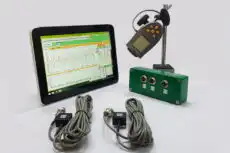
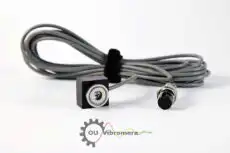
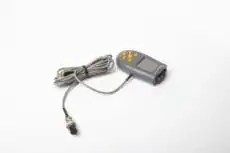
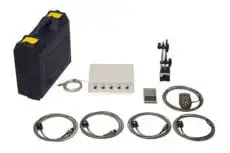
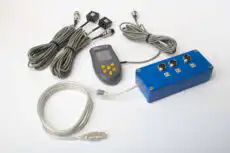
เครื่องวิเคราะห์แบบพกพาสองแชนเนลเป็นเครื่องมือที่เหมาะตามธรรมชาติสำหรับการคัดแยกภาคสนามนี้ Balanset-1A จะบันทึกสเปกตรัม time waveform และแอมพลิจูดกับเฟส 1× ได้โดยตรงที่ housing ของตลับลูกปืน ทำให้นักวิเคราะห์เห็นชุดฮาร์มอนิก สังเกตเฟสที่ลอยไปมาระหว่างแต่ละรอบการเดินเครื่อง และรับรู้ได้ว่าค่าที่อ่านไม่ยอมคงที่ — ลายนิ้วมือคลาสสิกของความหลวม — ก่อนจะเสียเวลาไปกับความพยายามถ่วงสมดุลที่ไม่มีทางสำเร็จ
การทดสอบด้วยการเคาะ (Tap test)
- ตีฐานด้วยค้อนขณะฟังและสัมผัสเสียงสั่น
- แท่นรองที่หลวมจะให้เสียงทึบแทนเสียงกังวานแน่น
- คุณอาจรู้สึกได้ถึงการเคลื่อนที่ขณะกระแทก
- เรียบง่าย แต่เป็นการทดสอบภาคสนามที่ได้ผลจริง
การตรวจสอบด้วยสายตา
- มองหาช่องว่างใต้เท้าแท่นรอง
- ตรวจหารอยร้าวที่แท่นรองหรือ grout
- ตรวจสภาพสลักเกลียว — สนิม การยืดตัว สลักเกลียวหัก
- มองหาร่องรอยหลักฐาน (fretting, รอยขัดมัน) ที่บ่งบอกการเคลื่อนที่
- ตรวจสอบการกัดกร่อน, ยาแนวที่หายไป, ความเสียหายของฐานราก
การตรวจสอบแรงบิดของสลักเกลียว
- ใช้ประแจปอนด์ตรวจสอบ anchor bolt ทุกตัว
- เปรียบเทียบค่าจริงกับค่าที่กำหนด — เครื่องคำนวณแรงบิดขันสลักเกลียว และ เครื่องคำนวณแรง preload ของสลักเกลียว ให้ตัวเลขที่ถูกต้องสำหรับขนาดและเกรดของสลักเกลียว
- ขันซ้ำสลักเกลียวที่หลวมแล้วตรวจสอบการสั่นสะเทือนอีกครั้ง
- เปลี่ยนสลักเกลียวที่เสียหายหรือถูกกัดกร่อน
การทดสอบวินิจฉัยเพิ่มเติม
- การใช้โหลด: ออกแรงกับแท่นรองและสังเกตการโก่งตัว
- การทดสอบการโยก (Rocking test): ลองโยกแท่นรองด้วยมือ
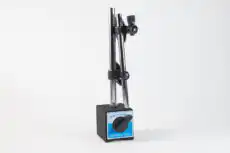
- ไดอัลเกจ: วัดการเคลื่อนที่ภายใต้โหลดใช้งาน
- แรงตึงสลักเกลียวด้วยอัลตราโซนิก: วัดแรง preload จริงของสลักเกลียวแบบไม่ทำลาย
5. ขั้นตอนการแก้ไข
การแก้ไขทันที
- ขัน anchor bolt ให้แน่น ตามข้อกำหนด โดยใช้ลำดับที่ถูกต้อง
- เพิ่ม shim ที่ขาดหาย เพื่อเติมช่องว่างใต้เท้าแท่นรอง
- ตรวจสอบการปรับปรุง โดยตรวจการสั่นสะเทือนอีกครั้งหลังการแก้ไข
การซ่อมแซมสมบูรณ์
- กำจัด grout เก่าที่เสื่อมสภาพออกทั้งหมด
- ทำความสะอาดและเตรียมพื้นผิว
- ปรับระดับและใส่ shim ให้แท่นรองอย่างแม่นยำ
- ติดตั้งและขัน anchor bolt ด้วยแรงบิดที่ถูกต้อง
- เท grout ใหม่ให้เต็มครบถ้วน — เครื่องคำนวณปริมาตรงาน grouting ใช้สำหรับกำหนดขนาดปริมาณเท
- ปล่อยให้บ่มตัวตามเวลาที่เหมาะสมก่อนนำกลับมาใช้งาน
- ตรวจสอบแนวศูนย์และการสั่นสะเทือนสุดท้าย
การซ่อมเชิงโครงสร้าง
สำหรับฐานที่แตกร้าวหรือชำรุด:
- ซ่อมรอยร้าวด้วยการเชื่อม เมื่อวัสดุเหมาะสมและเข้าใจสภาวะความเค้นแล้ว
- เสริมกำลังด้วย gusset หรือค้ำยัน
- เปลี่ยนแท่นรองทั้งชุดหากเสียหายรุนแรง
- ซ่อมหรือเปลี่ยนฐานรากหากคอนกรีตเสียหาย
6. การป้องกัน
ระหว่างการติดตั้ง
- ขั้นตอนการ grouting ที่ถูกต้องพร้อมวัสดุคุณภาพดี
- ขนาดและจำนวน anchor bolt ที่เพียงพอ — เครื่องคำนวณแรงดึงหลุดของ anchor bolt ใช้ตรวจสอบความสามารถในการยึดเกาะ
- กำหนดและใช้ค่าแรงบิดที่ถูกต้อง
- การแก้ไข soft foot ก่อนขันยึดขั้นสุดท้าย
- การตรวจสอบควบคุมคุณภาพ
ระหว่างการใช้งาน
- การตรวจสอบแรงบิดของสลักเกลียวเป็นระยะ (รายปีหรือตามกำหนดการ)
- ติดตามการสั่นสะเทือนเพื่อจับความหลวมที่กำลังก่อตัวแต่เนิ่น ๆ
- ตรวจเช็กแนวศูนย์เพื่อตรวจจับการขยับของแท่นรอง
- ตรวจสอบด้วยสายตาในช่วงหยุดเครื่อง
7. ความสัมพันธ์กับปัญหาอื่น
- เทียบกับซอฟต์ฟุต (soft foot): ซอฟต์ฟุต คือมีความไม่เรียบอยู่ ก่อน เมื่อขันสลักเกลียวแล้ว; ความหลวมของแท่นรองคือการหนีบยึดไม่เพียงพอ หลังจาก การขันแน่น
- เทียบกับความหลวมทางกลทั่วไป: ความหลวมของแท่นรองคือส่วนเชิงโครงสร้างด้านตัวรองรับของ การคลายตัวทางกล กลุ่ม
- ทำให้การถ่วงสมดุลไม่ได้: ไม่สามารถถ่วงสมดุลโรเตอร์บนแท่นรองที่หลวมได้
- ตั้งศูนย์แนวไม่ได้: ความแม่นยำ การจัดตำแหน่ง ไม่มีความหมายถ้าแท่นรองยังขยับได้
- เร่งให้ปัญหาอื่นเกิดเร็วขึ้น: การสั่นสะเทือนที่มากเกินไปเร่งให้ การสึกหรอของแบริ่ง และความล้าในส่วนอื่นของเครื่องจักรเกิดเร็วขึ้น
ความหลวมของฐานรองเป็นปัญหาเชิงโครงสร้างที่ต้องได้รับการแก้ไขเพื่อให้สามารถควบคุมการสั่นสะเทือนได้อย่างมีประสิทธิภาพ ลักษณะเฉพาะของฐานรองแบบมัลติฮาร์มอนิกและพฤติกรรมแบบไม่เชิงเส้นทำให้สามารถระบุได้ง่าย และการแก้ไขด้วยการขันสลักเกลียวให้แน่นและซ่อมแซมโครงสร้างอย่างถูกต้องมักจะทำได้ง่าย ช่วยปรับปรุงการสั่นสะเทือนและความน่าเชื่อถือของเครื่องจักรโดยรวมได้ทันที.

