ரோட்டர் இயக்கவியல்களில் பாங்கு வடிவங்களைப் புரிந்துகொள்ளுதல்






A mode shape — பாங்கு அதிர்வு அல்லது இயற்கை பாங்கு என்றும் அழைக்கப்படுகிறது — சிதைவின் சிறப்பியல்பு இடவெளி வடிவமாகும் சுழலி கணினி அதன் ஒன்றில் அதிரும் போது எடுக்கும் இயற்கை அதிர்வெண்கள். இது ஒப்பீட்டு வீச்சம் மற்றும் phase தண்டு முழுவதும் ஒவ்வொரு புள்ளியிலும் இயக்கத்தின் விவரிக்கிறது பெறும் கணினி அந்த குறிப்பிட்டமான resonant அதிர்வண்ணம். ஒவ்வொரு பாங்கு வடிவம் ஒன்றாக இயற்கை அதிர்வண்ணம் ஒன்றை சோடி செய்யப்படுகிறது, மற்றும் அவற்றுடன் உறுதிப்படுத்தும் கணினியின் இயக்க நடத்தை ஒரு முழுமையான விளக்கம் உருவாகிறது. பாங்கு வடிவங்களைப் புரிந்துகொள்ளுதல் அடிப்படை rotor dynamics, ஏனெனில் அவை ஏற்படும் இடத்தை முக்கிய வேகங்கள் தீர்மானிக்கின்றன மற்றும் சக்திகளுக்கு சுழலி எவ்வாறு பதிலளிக்கிறது என்பதை.
1. வரையறை மற்றும் இயற்பியல் பொருள்
ஒரு கட்டமைப்பு தொந்தரவுக்குளளாய் வைக்கப்பட்டு சுயாதீனமாக அதிர்வுறக்கூட, அது தன்னிச்சையாக நகராது. இது ஒரு சிறிய எண்ணிக்கையிலான விருப்பமான முறைகளாய் நிலைநிற்கும், ஒவ்வொன்றும் அதன் சொந்த அதிர்வெண்ணில் முழக்கம் எழுப்பி, இசைக் குரல் அடிப்படை மற்றும் பல ওவারটோன்களை ஒலிக்கும் விதத்திற்கு சரியாகச் சரிசம்மாகும். ஒரு சுழலிக்கு அந்த விருப்பமான முறைகள் அதன் பரिமாணங்கள், மற்றும் அவை தோன்றும் அதிர்வெண்கள் அதன் இயற்கை அதிர்வெண்கள். சுழலும் இயந்திரணலின் ஆபத்து என்னவென்றால், ஒரு சுழலியின் இயங்கு வேகம் இந்த இயற்கை அதிர்வெண்ணுக்கு சரிசம்മாகக்கூடும்; அது செய்தபோது, பொருந்தும் பரिमाಣ ರूपregulation பகுப்பாய்வு ಕ್ರಿಯೆ resonance மற்றும் அதிர்வு வீச்சுக்கள் கூர்மையாக ஏற்றம் பெறுகின்றன. முன்னரே வடிவங்களை அறிந்தால் பொறியாளருக்கு சுழலி அதிகতம உறுதியாக வளைந்து போகும் இடம், அது ஏறக்குறைய நகராத இடம் மற்றும் எனவே குறுக்கிட வேண்டிய இடம் தெரிந்துகொள்ளும்.
2. பரिमाणūპკოვlokálních სათarmaan
பरिमाणoordinats are best pictured as the deflection curves of the rotor shaft.
First Mode (Fundamental)
- Shape: a simple arc or bow, like a skipping rope with a single hump.
- Node points: none internally — the shaft is supported at the bearings, which act as approximate nodes.
- Maximum deflection: typically near mid-span between the bearings.
- Frequency: the lowest natural frequency of the system.
- முக்கிய வேகம்: the first critical speed corresponds to this mode.
Second Mode
- Shape: an S-curve with one node in the middle.
- Node points: one internal node, where shaft deflection is zero.
- Maximum deflection: at two locations, one each side of the node.
- Frequency: higher than the first mode, often three to five times its frequency.
- முக்கிய வேகம்: the second critical speed.
Third Mode and Higher
- Shape: ஆக்கப்பூர்வமாக சிக்கலான அலைவு வடிவங்கள்.
- Node points: மூன்றாம் பயன்முறைக்கு இரண்டு, நான்காம் பயன்முறைக்கு மூன்று, மற்றும் இவ்வாறே தொடரும்.
- Frequency: ஒடுங்கு கொண்டு அதிகமாக.
- நடைமுறை முக்கியத்துவம்: பொதுவாக மிகவும் அதிக வேகம் அல்லது மிகவும் குறைந்த வேகத்திற்கு மட்டுமே தொடர்பாக இருக்கிறது நমனીய சுழலிகள்.
3. பயன்முறை வடிவங்களின் முக்கிய பண்புகள்
Orthogonality
வெவ்வேறு பயன்முறை வடிவங்கள் கணிதளவாக நேர்-செங்குத்து — அதாவது, சுயாதீனம். ஒரு சிறந்த நேரியல் அமைப்பில், ஒரு பயன்முறை அதிர்வெண்ணில் நுழைக்கப்படும் ஆற்றல் மற்றவற்றைத் தூண்டாது, இது பொறியாளர்களை ஒவ்வொரு பயன்முறையையும் தனித்தனியாகக் கையாளவும் சரிசெய்யவும் அனுமதிக்கிறது.
Normalisation
பயன்முறை வடிவங்கள் பொதுவாக இயல்பாக்கப்பட்டுள்ளன, அதிகபட்ச விலகல் ஒரு குறிப்பு மதிப்பিற்கு (பெரும்பாலும் 1.0) அளவிடப்பட்டு, வடிவங்கள் ஒப்பிடப்படலாம். சேவையில் உண்மையான விலகல் அளவு வலிந்து செலுத்தப்படும் வீச்சு மற்றும் அமைப்பைப் பொறுத்து இருக்கிறது damping.
Node Points
Nodes அந்த பயன்முறையில் அதிர்வின் போது விலகல் பூஜ்ஜியமாக இருக்கும் தண்ட வழியிலான நிலைகள் ஆகும். உள்ளக முனைகளின் எண்ணிக்கை பயன்முறை எண்ணிலிருந்து ஒன்றைக் கழிக்க சமம்:
- முதல் பயன்முறை: 0 உள்ளக முனைகள்;
- இரண்டாம் பயன்முறை: 1 உள்ளக முனை;
- மூன்றாம் பயன்முறை: 2 உள்ளக முனைகள்.
A nodal point கொடுக்கப்பட்ட பயன்முறையில் நிலையின் ஒரு நிலை — விதி பொறுப்பு குறிப்பாக சென்சார் வைப்பு மற்றும் சமநிலைப்படுத்தல் இரண்டிற்கும் உள்ளது.
எதிர்முனை புள்ளிகள்
Antinodes பயன்முறை வடிவத்தில் அதிகபட்ச விலகல் இருக்கும் நிலைகள் ஆகும். அவை மிகப்பெரிய வளைவு அழுத்தத்தின் புள்ளிகள் மற்றும் எனவே அதிர்வவியல் அதிர்வின் போது சிறிது செய்து தோல்வியின் மிகவும் சாத்தியமான இடங்கள்.
4. பயன்முறை வடிவங்கள் ஏன் முக்கியம்
விமர்ശனக் வேக முன்னறிவிப்பு
ஒவ்வொரு பயன்முறை வடிவமும் ஒன்றுக்கு நிகழ்ந்திருக்கிறது critical speed. இயங்கும் வேகம் இயற்கை அதிர்வெண்ணுடன் பொருந்தினால், அந்த பயன்முறை உত்தেজிதமாக, சுழலி பயன்முறை-வடிவ வடிவத்தில் விலகல், மற்றும் unbalance சக்திகள் அவை ஆன்டிநோடுகளுடன் சீரமைக்கப்படுமிடத்தில் சிறந்ததான அதிர்வனை உற்பத்தி செய்கின்றன. A ரோட்டர் இயல்பாக-வேக கணக்கீடுகளி இந்த வேகங்கள் இயக்க வரம்புடன் தொடர்புடையவாறு எங்கு விழுகிறது என்பதன் விரைவான முதல் மதிப்பீடை வழங்குகிறது.
சமநிலையமைக்கல் கூலம்
முறை வடிவங்கள் தெரிவுக்கு வழிகாட்டுகின்றன சமநிலைப்படுத்துதல் approach:
- Rigid rotors முதல் இயல்பான வேகத்தின் கீழ் இயக்கவும்; எளிய இரு-தளம் சமநிலையமைக்கல் is sufficient.
- நমনீய ரோட்டர்கள் முதல் இயல்பான வேகத்திற்கு மேலே இயக்கவும் மற்றும் தேவைப்படலாம் மாடல் சமநிறுத்தல் குறிப்பிட்ட முறை வடிவங்களை இலக்கமாகக் கொண்டவை.
- திருத்தம்-தளம் இருப்பிடம் ஆன்டிநோடுகளில் மிகவும் प्रभावकারี ஆகும், இங்கு ஒரு குறிப்பிட்ட நிறை முறையின் மீது மிகப்பெரிய செல்வாக்கு செலுத்துகிறது.
- Node locations எதிர்மறை வழக்கு: a சரிசெய்யல் எடை ஒரு முனையிலும் வைக்கப்பட்டால் அந்த முறையில் கிட்டத்தட்ட பாதிப்பு இல்லை.
தோல்வி பகுப்பாய்வு
முறை வடிவங்கள் சேதம் எங்கு தோன்றுகிறது என்பதையும் விளக்குகிறது. சோர்வு வி均裂ுகள் வழக்கமாக ஆன்டிநோடுகளில் உருவாகின்றன, இங்கு வளைதல் அழுத்தம் சிகரம்; தாங்கு சதை வेदना வெளிப்பாடு அதிகமாக உள்ள இடத்தில் மிகவும் சாத்தியமாகும்; மற்றும் rubs தண்டு வெளிப்பாடு ரோட்டரை நிலையான பாகங்களுக்கு நெருக்கமாக கொண்டு வரும் இடത்தில் ஏற்படுகிறது.
5. முறை வடிவங்களை தீர்மானிக்கல்
பகுப்பாய்வு முறைகள்
வரையறுக்கப்பட்ட உறுப்பு பகுப்பாய்வு (FEA)
- மிகவும் பொதுவான நவீன முறை.
- சுழலி நிறை, விறைப்பு மற்றும் জடத்தன்மை கொண்ட கற்றை உপাதানங்களின் தொடரணையாக மாதிரியாக்கப்படுகிறது.
- ஈஜென் மதிப்பு பகுப்பாய்வு இயற்கை அதிர்வெண்கள் மற்றும் அவற்றின் தொடர்புடைய முறை வடிவங்களை வழங்குகிறது.
- சிக்கலான ஜ்যামிதி, பொருள் பண்புகள் மற்றும் தாங்கு பண்புகளை கணக்கில் எடுக்க முடியும்.
பரிமாற்ற மாணிக்கம் முறை
- ஒரு கிளாசிக்கல் பகுப்பாய்வு நுட்பம்.
- சுழலி அறியப்பட்ட பண்புகள் கொண்ட நிலையங்களாக பிரிக்கப்படுகிறது.
- பரிமாற்ற மாணிக்கங்கள் தண்டின் குறுக்கே சிதைவு மற்றும் விசையை பரவச் செய்கின்றன.
- ஒப்பீட்டளவில் எளிய தண்ட உள்ளமைவுகளுக்கு திறனுள்ளது.
தொடர்ச்சியான கற்றை கோட்பாடு
- சீரான தண்டுகளுக்கு, மூடிய வடிவ பகுப்பாய்வு தீர்வுகள் உள்ளன.
- எளிய நிகழ்வுகளுக்கு சரியான வெளிப்பாடுகளை வழங்குகிறது.
- கற்பித்தல் மற்றும் பூர்வ வடிவமைப்புக்கு பயனுள்ளது.
பரிசோதனামூலक முறைகள்
மாதிரி சோதனை (தாக்கம் சோதனை)
- பல இடங்களில் கயிற்றினால் உருவாக்கப்பட்ட சுத்திகரணத்துடன் தண்டை அடிக்கவும் — a bump test.
- பதிலை அளவிடவும் accelerometers பல புள்ளிகளில்.
- The resulting அதிர்வெண் பதிலளிப்பு செயல்பாடுகள் இயற்கை அதிர்வெண்களை வெளிப்படுத்துகின்றன.
- பயன்முறை வடிவம் சார்பு பிண்ணாண்ட வீச்சுகள் மற்றும் கட்டங்களிலிருந்து பிரித்தெடுக்கப்படுகிறது.
இயக்க விலகல் வடிவ (ODS) அளவீடு
- சாதாரண செயல்பாட்டின் போது பல இடங்களில் அதிர்வனை அளவிடவும்.
- ஒரு முக்கியமான வேகத்திற்கு அருகில், இயக்க விலகல் வடிவம் பயன்முறை வடிவத்தை தோராயமாக மதிப்பிடுகிறது.
- இது சுழலி இன் சিটு பல் நிலையில் செய்யப்படலாம்.
- இது பல உணரிகளை அல்லது சுழலும்-உணரி நுட்பத்தை தேவைப்படுகிறது.
근접성 ஆய்வு வரிசைகள்
- Non-contact 근접 সেন্সর பல அச்சு இடங்களில்.
- தண்டு விலகல் நேரடியாக அளவிடவும்.
- During இயக்கத்தைத் தொடங்குதல் அல்லது கடல் கீழ் இறங்குதல், விலகல் வடிவம் பயன்முறை வடிவங்களை வெளிப்படுத்துகிறது.
- உண்மையில் இயங்கும் இயந்திரங்களுக்கான மிகவும் துல்லிய பরীட்ச நுட்பம்।
6. பயன்முறை வடிவத்தை என்ன மாற்றுகிறது
தாங்கு கடினத்தன்மை விளைவுகள்
- கடினமான தாங்குகள்: கணுக்கள் தாங்கு இடங்களில் உருவாகின்றன மற்றும் பயன்முறை வடிவங்கள் அதிக வரையறுக்கப்பட்டிருக்கின்றன.
- நমனீய தாங்குகள்: தாங்குகளில் குறிப்பிடத்தக்க இயக்கம் நிகழ்கிறது மற்றும் பயன்முறை வடிவங்கள் அதிக விநியோகிக்கப்பட்டிருக்கின்றன.
- சமச்சீரற்ற தாங்கி: கிடைமட்ட மற்றும் செங்குத்து திசைகளுக்கு இடையே பயன முறைவடிவங்கள் வேறுபடுகின்றன.
வேக சார்பு
சுழலும் தண்டுகளுக்கு பயன முறைவடிவங்கள் கீழ்வரும் காரணங்களால் வேகத்துடன் மாறக்கூடும்:
- சைரோஸ்கோபிக் விளைவுகள்: முன்னோக்கி மற்றும் பின்னோக்கி சுழலும் சுழல்களாக பயன முறைகளை பிரிக்கின்றன.
- தாங்கி-விறைப்புத்தன்மை மாற்றங்கள்: fluid-film பத்திரிக்கை தாங்கியில் வேகம் உயரும்போது விறைப்பாகின்றன.
- மையவிலக்கு விறைப்புத்தன்மை: மிக உயர்ந்த வேகங்களில், மையவிலக்கு விசைகள் மெல்லிய கூறுகளுக்கு விறைப்புத்தன்மையை சேர்க்கின்றன.
முன்னோக்கி மற்றும் பின்னோக்கி சுழல்
சுழலும் அமைப்புகளில் ஒவ்வொரு பயன முறையும் இரண்டு வடிவங்களைக் கொள்ளக்கூடும். இல் forward whirl the shaft orbit தண்டே சுழலும் அதே திசায় சுழலுகிறது; இல் backward whirl எதிர் திசையில் சுழலுகிறது. சைரோஸ்கோபிக் விளைவுகள் முன்னோக்கி மற்றும் பின்னோக்கி சுழல்களை வெவ்வேறு அதிர்வெண்களில் ஏற்படுத்துகின்றன — ஒரு அதிர்வெண் பிரிவு ஒரு Campbell வரைபடம் தெளிவாக காட்டுகிறது.
7. நடைமுறை பயன்பாடுகள்
வடிவமைப்பு உகந்திறப்பு
பொறியாளர்கள் தாங்கி இருப்பிடங்களில் பரিசோதி புள்ளிகள் குறிப்பிடத்தக்க தண்டு விட்டம் அளவீடு செய்ய பொறியாளர்கள் வேண்டுமென்றே அல்லது சமநிலை வடிவமைப்பை பயன்படுத்த, மாதிரி-வடிவ பிரசாரப் பகுப்பாய்வு பயன்படுத்துகின்றனர் இயற்கையான அதிர்வெண்களை மாற்ற কணிக்கு குறிப்பிடத்தக்க தாங்கி விறைப்புத்தன்மை குறிப்பிடத்தக்க புள்ளிகளிலிருந்து வெகு தொலைவில் கடக்க, மாறிய பாடல் மாறுபாட்டைக் கோருவதற்கு தாங்கி விறைப்புத்தன்மை தேர்ந்தெடுக்க, மற்றும் குறிப்பிடத்தக்க புள்ளிகளில் நிறை சேர்க்க அல்லது அகற்ற.
Troubleshooting
அதிக அதிர்வனம் தோன்றும்போது, பிரசாரக் பகுப்பாய்வாளர் இயக்க வேகத்தை கணிக்கப்பட்ட முக்கிய வேகங்களுடன் ஒப்பிடுகின்றனர், இயந்திரம் அதிர்வெண்ணுக்கு அருகில் இயக்கப்படுகிறதா என்பதை நிர்ணயம் செய்கின்றனர், எந்த பயன முறை உত்தেজित செய்யப்படுகிறது என்பதை தீர்மானிக்கின்றனர், மற்றும் சிக்கல்வாய்ந்த பயன முறையை இயக்க வேகத்திலிருந்து விலக்கி மாற்றினை தேர்ந்தெடுக்கின்றனர்.
பயன முறை சமநிலை
பயன்முறை சமநிலைப்பாடு நெகிழ் சுழல்களின் சம்பூரண சமநிலை முற்றிலுமாக பயன முறை-வடிவ அறிவுக்கு சார்ந்திருக்கிறது: ஒவ்வொரு பயன முறையும் சுயாதீனமாக சமச்சீரிடப்படுகிறது, திருத்தக்கூறுகள் பயன முறை-வடிவ முறைக்கேற்ப விநியோகிக்கப்படுகிறது, முனைபுள்ளிகளில் வைக்கப்பட்ட நிறைகள் அந்த பயன முறையில் எந்த விளைவும் இல்லை, மற்றும் உகந்த திருத்த தளங்கள் எதிர்குறிப்பிடத்தக்க புள்ளிகளில் அமைந்துள்ளன.
8. காட்சிப்படுத்தல் மற்றும் தகவல் பரிமாற்றம்
பல வடிவ வங்கங்கள் வழங்கப்படுகின்றன — அச்சு நிலைக்கு எதிரான பக்க வளைவு வளைவுகளின் 2D சதுரங்கள்; தரத்தின் அலை வடிவங்கள் வளைவுகளின் 3D ஆக்கங்கள்; சிக்கல் அல்லது இணைந்த வடிவ எழுத்துகளுக்கான சங்கிலியின் வளைவு அளவு குறிப்பு வரைபடங்கள்; மற்றும் தனித்த கட்டங்களில் எண்ணிய வளைவு அளவீட்டை கொடுக்கும் அட்டவணை தரவு.
9. இணைந்த மற்றும் சிக்கலான பல வடிவ வங்கங்கள்
பக்க–சுழல் இணைப்பு
சில அமைப்புகளில் வளைதல் (பக்க) மற்றும் திரிதல் (torsional) இயங்கள் ஒன்றாக இணைகின்றன — சமச்சீரற்ற குறுக்குவெட்டு அல்லது ஆப்செட் சுமை கொண்ட சமயங்களில் காணப்படும் நடத்தை. இசைப் பல வடிவ பின்னர் பக்க வளைதல் மற்றும் கோணக் சுழற்சி இரண்டையுமே உள்ளடக்கியது, மற்றும் தேவைப்படும் பகுப்பாய்வு அதற்கேற்ப மேலும் சம்பந்தப்பட்ட வேலை.
இணைந்த வளைதல் பயன வங்கங்கள்
சமச்சீரற்ற கடினத்தன்மை கொண்ட அமைப்புகளில், கிடைமட மற்றும் செங்குத்து பயன வங்கங்கள் இணைகின்றன; பல வடிவ வங்கங்கள் விமान ஆக இருக்க வேண்டிய நீள்வட்டமாக மாறுகின்றன. இது பொதுவாக ஆதரணங்கள் அல்லது ஆதாரங்கள் பரவல சேர்க்கை குணமுடையவை.
10. வரம்புமுறை மற்றும் வழிநடத்தல்கள்
பல வரம்புமுறைகள் இசைப் பல வடிவ பகுப்பாய்வைப் பெயரிடுகின்றன. API 684 சுழல-தந்திர பகுப்பாய்வுக்கான வழிநடத்தல்கள் வழங்குகின்றன, இசைப் பல வடிவ கணக்கிடல் உட்பட; ISO 21940-11 (ISO 1940-1 இன் நவீன வாரிசு) நெகிழ்ந்த-சுழல் சமன்சீர்ப்படுத்தல் சூழலில் இசைப் பல வடிவ வங்கங்களை குறிப்பிடுகின்றன; மற்றும் ஜெர்மன் VDI 3839 நெகிழ்ந்த சுழல்களுக்கான சீர்குணப் பரிசீலனைகளை பெயரிடுகின்றன.
11. கேம்பெல் வரைபடங்கள் மற்றும் வயல் அளவீட்டின் அடிக்கீழ் உறவு
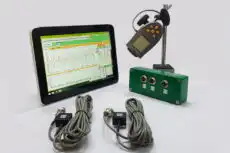
A Campbell வரைபடம் வேக மீது இயல்பான அதிர்வெண்களைத் திட்டவடிக்கிறது, ஒவ்வொரு வளைவு ஒரு பயன் பிரதிநிதித்வ கொடுக்கின்றன. ஒவ்வொரு வளைவு பின்னால் உள்ள இசைப் பல வடிவ வங்கம் பல்வேறு இடங்களில் சமனற்றவை எவ்வளவு வலுவாக அந்த பயனற்றவை உத்தேசக்கின்றன, முறையே சென்சர்கள் இருக்க வேண்டும் அதிகபட்ச உணர்வுக்கு, மற்றும் சமன்சீர்ப்படுத்தல் திருத்தம் இந்த வகை சிறந்த வேலை பின்னால் என்ன. வயலில், சாধாரண இணை இசைப் பல வடிவ வங்கம் மற்றும் திருத்தம் ক্রিয়ை அனலையுசার் பெஞ்சை விளங்க: Balanset-1A சுழல் சமன்சீர்ப்படுத்தல் வகையில் உபயோகம் பயன வங்கம் தெரிவு என மேலான பிரேட்-சாதனத்துடன் அளவீட் ஒ × அதிர்வெண் மற்றும் தாங்க கட்ட உயரங்கள் மற்றும் கணிப்பு திருத்தம் எடைகளை, இருக்கும் பொறிமுறை வினியோக வயல் தள சமன்சீர்ப்படுத்தல் மூலம் மிக திறம்பட தாங்கும். மற்றும் அந்தப் பயன வங்கம் வெளிப்படுத்தியது ஆ. இசைப் பல வடிவ வங்கத் இந்த மூலாதாரத் புரிந்து திரும்பி சுழல் தந்திர அமூர্த்த கணிதம் பূર்வ முடிவாக்கம் உள்ளீடு இயற்பியல் புரிந்து எப்படி இல்ல தயாரிப்பு যন்திரம் செயல்பட்டு — சக்தி இயக்கம் மேம்பட்ட ஒவ்வொரு மாதிரி சுழல் முயற்சி உபकरण சமன்சீர்ப்படுத்தல் கூர்தீக்ష்ணமான தீரான மேலான பலமுள்ள மற்றும் மிக்க பயனுள்ள சமன்சீர்ப்படுத்தல் ஒவ்வொரு வகையிலிருந்து சுழல் முயற்சி உபकरण।

