దృఢత్వాన్ని అర్థం చేసుకోవడం






స్టిఫ్నెస్ ఒక వస్తువు లేదా నిర్మాణం అనువర్తించిన శక్తి కింద వైకల్యం లేదా విచలనాన్ని ఎంత వరకు నిరోధిస్తుందో వర్ణించే ఒక ప్రాథమిక భౌతిక లక్షణం. కంపన వైబ్రేషన్ విశ్లేషణలో, stiffness — సాధారణంగా అక్షరంతో సూచించబడుతుంది కె — అనేది మూడు లక్షణాలలో ఒకటి, mass (m) మరియు డ్యాంపింగ్ (సి) తో పాటు, ఏదైనా మెకానికల్ వ్యవస్థ యొక్క కంపన ప్రవర్తనను నియంత్రిస్తాయి. యంత్రం యొక్క stiffness సరిగ్గా ఉంటే దాని వైబ్రేషన్ అంచనా వేయదగినదిగా మరియు నియంత్రితంగా ఉంటుంది; తప్పుగా ఉంటే అదే యంత్రం వణికి విరిగిపోవచ్చు.
అధిక stiffness ఉన్న భాగం ఇచ్చిన లోడ్ కింద చాలా తక్కువగా వంగుతుంది, అయితే తక్కువ stiffness ఉన్న భాగం గణనీయంగా వంగుతుంది. మందపాటి, పొట్టి ఉక్కు కడ్డీకి అధిక stiffness ఉంటుంది; పొడవైన, సన్నని రబ్బర్ బ్యాండ్కు చాలా తక్కువ stiffness ఉంటుంది. సంఖ్యాత్మకంగా, stiffness అనేది కేవలం శక్తిని ఫలితంగా వచ్చిన విచలనంతో భాగించడం (ఉదాహరణకు newtons per millimetre), కాబట్టి అధిక విలువ కె అంటే నిర్మాణాన్ని ఇచ్చిన దూరం కదల్చడానికి మరింత శక్తి అవసరమని అర్థం.
1. నిర్వచనం: Stiffness అంటే ఏమిటి?
Stiffness అనేది కేవలం దాని పదార్థం యొక్క మాత్రమే కాకుండా మొత్తం నిర్మాణం యొక్క లక్షణం. ఇది పదార్థం యొక్క elastic modulus పై ఆధారపడుతుంది, కానీ అంతే మేర జ్యామితి మరియు భాగం ఎలా మద్దతు ఇవ్వబడుతుందో దానిపై కూడా ఆధారపడుతుంది — అందుకే beam యొక్క లోతును రెట్టింపు చేయడం దాన్ని గట్టి మిశ్రమంతో మార్చడం కంటే చాలా ఎక్కువగా దృఢపరుస్తుంది. నిజమైన యంత్రంలో ఒక విశ్లేషకుడు పట్టించుకునే “stiffness” అనేది అరుదుగా ఒకే spring అవుతుంది; ఇది shaft, bearings, housing, frame మరియు foundation కలిసి పని చేసే సంయుక్త నిరోధం. అనేక springs కలిసినప్పుడు, వాటి ప్రభావవంతమైన విలువను ఒక సమానమైన స్ప్రింగ్ దృఢత్వ కాలిక్యులేటర్తో అంచనా వేయవచ్చు, మద్దతు వ్యవస్థ గురించి తర్కించేటప్పుడు ఇది ఒక ఉపయోగకరమైన మొదటి అడుగు.
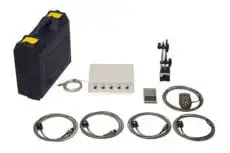
2. కంపనంలో Stiffness యొక్క కీలక పాత్ర
ఒక వ్యవస్థ యొక్క stiffness దాని నిర్ణయించడంలో ప్రాథమిక కారకం సహజ పౌనఃపున్యాలు — అంటే అది గందరగోళానికి గురైనప్పుడు మరియు స్వేచ్ఛగా కంపించడానికి వదిలివేయబడినప్పుడు ఏ frequencies వద్ద oscillate అవుతుందో. ఈ సంబంధం ప్రాథమిక సూత్రం ద్వారా వ్యక్తమవుతుంది:
సహజ పౌనఃపున్యం (ωn) ≈ √(k / m)
ఇందులో కె దృఢత్వం మరియు m mass అంటే ద్రవ్యరాశి. ఈ ఒక్క వ్యక్తీకరణ మూడు ఆచరణాత్మక పర్యవసానాలను కలిగి ఉంది:
- దృఢత్వాన్ని పెంచడం అవుతుంది పెరుగుదల సహజ పౌనఃపున్యం.
- దృఢత్వాన్ని తగ్గించడం అవుతుంది తగ్గుదల సహజ పౌనఃపున్యం.
- ద్రవ్యరాశిని పెంచడం అవుతుంది తగ్గుదల సహజ పౌనఃపున్యం.
natural frequency అనేది stiffness యొక్క వర్గమూలంపై ఆధారపడుతుంది కాబట్టి, కె లో పెద్ద మార్పులు frequency లో మితమైన మార్పులు మాత్రమే ఉత్పత్తి చేస్తాయి — stiffness ను నాలుగు రెట్లు పెంచడం natural frequency ను రెట్టింపు మాత్రమే చేస్తుంది. అందుకే stiffness పరిష్కారాలకు తరచుగా frequency ని తగినంత దూరం మార్చడానికి గణనీయమైన bracing అవసరమవుతుంది.
3. Stiffness మరియు Resonance
ఈ సంబంధం చాలా ముఖ్యమైనది ఎందుకంటే ప్రతిధ్వని. ఒక బలవంతపు పౌనఃపున్యం — యంత్రం యొక్క ఆపరేటింగ్ వేగం — సిస్టమ్ యొక్క సహజ పౌనఃపున్యాలలో ఒకదానితో సమానంగా సంభవించినప్పుడు అనునాదం (resonance) ఏర్పడుతుంది. అప్పుడు కంపన వ్యాప్తి (amplitude) అత్యంత పెద్ద పరిమాణంలో వృద్ధి చెందుతుంది, తరచుగా అకాల అరిగిపోవడానికి మరియు తీవ్రమైన సందర్భాలలో విపత్కర వైఫల్యానికి దారితీస్తుంది. ఒక క్రిటికల్ స్పీడ్ అదే వలలో పడే తిరిగే యంత్రాల (rotating machinery) వెర్షన్.
అందువల్ల అనునాదాన్ని నిర్ధారించడానికి మరియు సరిచేయడానికి దృఢత్వం (stiffness) అర్థం చేసుకోవడం అవసరం:
- సమస్య నిర్ధారణ: ఒక యంత్రం అనునాదంలో ఉంటే, విశ్లేషకుడికి తెలుసు బలవంతపు పౌనఃపున్యం సహజ పౌనఃపున్యానికి చాలా దగ్గరగా ఉంటుందని. ఒక బంప్ టెస్ట్ ఆ సహజ పౌనఃపున్యాన్ని నేరుగా గుర్తించగలదు.
- పరిష్కార రూపకల్పన: సమస్యను పరిష్కరించడానికి సహజ పౌనఃపున్యం మారాలి. యంత్రం యొక్క ద్రవ్యరాశిని లేదా దాని బలవంతపు (నడుస్తున్న) వేగాన్ని మార్చడం తరచుగా ఆచరణలో సాధ్యం కాదు కాబట్టి, అత్యంత సాధారణ పరిష్కారం దృఢత్వాన్ని మార్చడం. బ్రేసులు, గస్సెట్లు జోడించడం లేదా పునాదిని మెరుగుపరచడం సిస్టమ్ యొక్క దృఢత్వాన్ని పెంచుతుంది, సహజ పౌనఃపున్యాన్ని పెంచి బలవంతపు పౌనఃపున్యం నుండి దూరంగా మారుస్తుంది — అనునాదాన్ని తొలగిస్తుంది. ఒక పౌనఃపున్య ప్రతిస్పందన ఫంక్షన్ (FRF) మార్పును నిర్ధారించడానికి కొలత ఉపయోగించబడుతుంది.
4. యంత్ర నిర్ధారణలో దృఢత్వం (Stiffness)
దృఢత్వంలో మార్పులు కేవలం డిజైన్ వేరియబుల్ మాత్రమే కాదు; అవి అభివృద్ధి చెందుతున్న లోపానికి ప్రత్యక్ష సూచిక కావచ్చు. నిర్మాణంలో ఎక్కడైనా దృఢత్వ నష్టం సాధారణంగా గుర్తించదగిన వర్ణపటం (spectral) సంతకంతో పెరిగే కంపనంగా కనిపిస్తుంది:
- వదులుదనం: వదులుగా ఉన్న మౌంటింగ్ బోల్టు, లేదా యంత్రం యొక్క ఫ్రేమ్ లేదా పునాదిలో అభివృద్ధి చెందుతున్న పగులు, స్థానిక దృఢత్వంలో గణనీయమైన నష్టాన్ని సూచిస్తుంది మరియు కంపన వ్యాప్తిని పెంచుతుంది. FFT స్పెక్ట్రమ్, యాంత్రిక వదులుదన (mechanical looseness) తరచుగా అనేక హార్మోనిక్స్ (1×, 2×, 3× మరియు అంతకు మించి) నడుస్తున్న వేగం యొక్క హార్మోనిక్లను ఉత్పత్తి చేస్తుంది.
- సాఫ్ట్ ఫుట్: ఒక యంత్రం యొక్క పాదం దాని బేస్పై చదునుగా కూర్చోకపోతే, వక్రీకృతమైన, అరేఖీయ దృఢత్వ ప్రొఫైల్ ఏర్పడుతుంది, అధిక కంపనం మరియు ఖచ్చితమైన అలైన్మెంట్ కష్టం.
- బేరింగ్ అరుగుదల: ఒక బేరింగ్ అరిగిపోతున్నప్పుడు, రోలింగ్ ఎలిమెంట్లు మరియు రేస్ల మధ్య క్లియరెన్స్ పెరుగుతుంది. ఇది రోటర్-సపోర్ట్ సిస్టమ్ యొక్క మొత్తం దృఢత్వంలో తగ్గింపుగా పనిచేస్తుంది మరియు రోటర్ యొక్క క్రిటికల్ స్పీడ్లను తగ్గించవచ్చు.
- పునాది దృఢత్వం: బలహీనమైన లేదా క్షీణిస్తున్న పునాది మొత్తం యంత్రం యొక్క సపోర్ట్ దృఢత్వాన్ని తగ్గిస్తుంది, సహజ పౌనఃపున్యాలను క్రిందికి మారుస్తుంది మరియు కొన్నిసార్లు ఒకప్పుడు సురక్షితంగా ఉన్న నడుస్తున్న వేగాన్ని అనునాదంలోకి లాగుతుంది.
5. ఆచరణాత్మక క్షేత్ర పనిలో దృఢత్వం (Stiffness)
దృఢత్వ సమస్యలు ఏదైనా కంపన లోపం వలె అదే విధంగా నిర్ధారించబడతాయి — కొలత ద్వారా. అనుమానాస్పద ఫ్రేమ్పై ఒక యాక్సిలెరోమీటర్ అమర్చి వర్ణపటాన్ని (spectrum) రికార్డు చేసే ఇంజనీరు నిజమైన రోటర్ లోపాన్ని నిర్మాణపరమైన లోపం నుండి వేరు చేయగలడు: వదులుదన లేదా సాఫ్ట్-ఫుట్ సంతకం, ఉదాహరణకు, అసమతుల్యత. పోర్టబుల్ ద్వి-ఛానల్ పరికరం Balanset-1A దీనికి బాగా అనుకూలంగా ఉంటుంది, నడుస్తున్న వేగంలో యంత్రం యొక్క స్వంత బేరింగ్లలో వ్యాప్తి (amplitude), దశ (phase) మరియు హార్మోనిక్ నమూనాను రికార్డు చేస్తుంది — కాబట్టి విశ్లేషకుడు అధిక కంపనం సరిచేయవలసిన అసమతుల్యత (unbalance) సమస్య నుండి వస్తుందా లేదా బ్రేస్ చేయవలసిన దృఢత్వ లోపం నుండి వస్తుందా అని నిర్ధారించగలడు. ఈ వ్యత్యాసం నిర్ణయాత్మకం: నిజంగా వదులుదన లేదా అనునాదంతో బాధపడుతున్న యంత్రాన్ని బ్యాలన్సింగ్ (balancing) చేయడం వల్ల సమస్య ఎప్పటికీ పరిష్కారం కాదు.

