ทำความเข้าใจเกี่ยวกับเทอร์โมกราฟี (การวิเคราะห์อินฟราเรด)

เทอร์โมกราฟี, หรือการวิเคราะห์อินฟราเรด (IR) เป็นเทคโนโลยีแบบไม่สัมผัสและไม่ทำลายที่ใช้ตรวจจับและทำให้เห็นพลังงานความร้อนที่แผ่ออกจากวัตถุ กล้องอินฟราเรดเฉพาะทางจะจับพลังงานนั้นและแปลงเป็นภาพแสดงผล — เทอร์โมแกรม — ซึ่งสีต่าง ๆ แทนอุณหภูมิที่ต่างกัน ทำให้ผู้เชี่ยวชาญด้านเทอร์โมกราฟีมองเห็นจุดร้อนและจุดเย็นที่ตาเปล่ามองไม่เห็นได้ทันที ในงานบำรุงรักษาและความเชื่อถือได้ เทคโนโลยีนี้ใช้จับความผิดปกติของอุณหภูมิซึ่งมักเป็นสัญญาณแรกสุดของความขัดข้องที่กำลังก่อตัว จึงเป็นเสาหลักของทุกโปรแกรม การบำรุงรักษาตามสภาพ (CBM) และเป็นคู่ธรรมชาติของ การวิเคราะห์การสั่นสะเทือน และ การวิเคราะห์น้ำมัน.
1. คำจำกัดความ: เทอร์โมกราฟีคืออะไร?
วัตถุทุกชิ้นที่มีอุณหภูมิสูงกว่าศูนย์สัมบูรณ์จะแผ่พลังงานในย่านอินฟราเรด และยิ่งร้อนก็ยิ่งแผ่มาก เทอร์โมกราฟีใช้ข้อเท็จจริงทางฟิสิกส์นี้เพื่อทำให้อุณหภูมิมองเห็นได้ เนื่องจากกล้องไม่ต้องสัมผัสอุปกรณ์ การสำรวจจึงทำได้กับโรงงานที่มีไฟ มีแรงดัน และกำลังเดินเครื่องอยู่จากระยะปลอดภัย — เป็นข้อได้เปรียบที่ชัดเจนเมื่ออีกทางเลือกคือหยุดเครื่องหรือเปิดตู้ไฟฟ้า ภายใต้กลยุทธ์ การติดตามสภาพ ที่กว้างขึ้น เทอร์โมกราฟีเป็นหนึ่งในวิธีที่เร็วที่สุดในการคัดกรองอุปกรณ์จำนวนมากเพื่อหาปัญหาในการเดินตรวจเพียงครั้งเดียว
2. มันทำงานอย่างไร?
กล้องอินฟราเรดมีตัวตรวจจับที่ไวต่อรังสีอินฟราเรด มันรวมพลังงานอินฟราเรดที่เข้ามาไปยังตัวตรวจจับนั้น ซึ่งจะสร้างรูปแบบอุณหภูมิอย่างละเอียด — เทอร์โมแกรม ประเด็นสำคัญที่ละเอียดอ่อนคือ เทอร์โมแกรมทำแผนที่ของ พลังงานความร้อนที่แผ่ออกมา, ไม่ใช่อุณหภูมิโดยตรง เพื่อแปลงแผนที่พลังงานนั้นให้เป็นอุณหภูมิที่แม่นยำ ผู้ทำเทอร์โมกราฟีต้องคำนึงถึงคุณสมบัติของพื้นผิวที่กำลังมองอยู่สองประการ:
- การแผ่รังสี: ค่าการแผ่รังสี: ตัวชี้วัดว่าพื้นผิวแผ่พลังงานความร้อนได้มีประสิทธิภาพเพียงใด พื้นผิวด้านสีดำมี emissivity สูง (ใกล้ 1.0); พื้นผิวโลหะมันวาวสะท้อนแสงมี emissivity ต่ำ (ใกล้ 0.0) และจะรายงานอุณหภูมิจริงต่ำกว่าความเป็นจริงหากไม่แก้ไขค่าบนกล้อง
- ค่าการสะท้อนแสง: พื้นผิวมันวาวไม่เพียงแผ่ความร้อนของตัวเอง แต่ยังสะท้อนความร้อนจากวัตถุรอบข้าง — รวมถึงร่างกายของผู้ทำเทอร์โมกราฟีเอง — ซึ่งอาจปลอมเป็นจุดร้อนบนเป้าหมายได้
ผู้เชี่ยวชาญด้านเทอร์โมกราฟีที่มีทักษะรู้วิธีตั้งค่า emissivity ของกล้องและวางตำแหน่งตัวเองเพื่อหลีกเลี่ยงการสะท้อนแปลกปลอม เพื่อให้ข้อมูลทั้งแม่นยำและมีความหมาย การตีความตัวเลขตามเกณฑ์ยอมรับที่ได้รับการยอมรับจะง่ายขึ้นหากอ้างอิงจาก เครื่องคำนวณขีดจำกัดอุณหภูมิเทอร์โมกราฟี (ISO 18434), ซึ่งเชื่อมโยงการเพิ่มขึ้นของอุณหภูมิที่วัดได้เข้ากับระดับความรุนแรง
3. การประยุกต์ใช้ในระบบไฟฟ้า
นี่เป็นหนึ่งในการใช้งานเทอร์โมกราฟีที่พบมากที่สุดและมีคุณค่าสูง เพราะความร้อนเกินมักเป็นอาการแรกของปัญหาไฟฟ้าเกือบทุกครั้ง
- การค้นหาจุดต่อหลวม: จุดต่อที่หลวมหรือมีการกัดกร่อนใน motor control centre (MCC), ตู้เบรกเกอร์ หรือสวิตช์เกียร์ จะมีความต้านทานสูงกว่าและร้อนขึ้นเมื่อมีโหลด ปรากฏเป็นจุดร้อนชัดเจนบนเทอร์โมแกรม
- การตรวจจับวงจรโหลดเกิน: เบรกเกอร์หรือสายเคเบิลที่โหลดเกินจะร้อนกว่าตัวข้างเคียงที่รับโหลดเหมาะสม ทำให้การเปรียบเทียบเองเป็นตัววินิจฉัย
- การระบุโหลดไม่สมดุล: ในระบบสามเฟส ความแตกต่างของอุณหภูมิระหว่างเฟสอย่างชัดเจนบ่งชี้โหลดไม่สมดุล — เป็นคู่เทียบทางความร้อนของ ข้อบกพร่องทางไฟฟ้า ที่การวิเคราะห์การสั่นสะเทือนตรวจจับได้ในมอเตอร์
4. การประยุกต์ใช้ในระบบเครื่องกล
สำหรับอุปกรณ์หมุนและอุปกรณ์ขับเคลื่อน ความร้อนที่ผิดปกติเป็นตัวบ่งชี้ที่เชื่อถือได้ของแรงเสียดทาน การสึกหรอ หรือปัญหาการหล่อลื่น:
- ตลับลูกปืน: ตลับลูกปืนที่ร้อนเกินบ่งชี้การหล่อลื่นไม่เหมาะสม (มากเกินไปหรือน้อยเกินไป) หรือ การสึกหรอ. เทอร์โมกราฟีมักยืนยันข้อสงสัยเกี่ยวกับ ข้อบกพร่องของตลับลูกปืน ที่ถูกตรวจพบครั้งแรกจากการวิเคราะห์การสั่นสะเทือน และเชื่อมโยงโดยตรงกับ การหล่อลื่นจุดรับน้ำหนัก เงื่อนไข.
- ข้อต่อ: a ไม่ตรงแนว คัปปลิงจะสร้างความร้อนอย่างมีนัยสำคัญจากแรงเสียดทานและความเค้นแบบวัฏจักร ดังนั้นคัปปลิงที่ร้อนจึงเป็นเบาะแสที่ชัดเจนของการตั้งศูนย์แนว
- กระปุกเกียร์และปั๊ม: อุณหภูมิผิดปกติบ่งชี้ระดับน้ำมันไม่ถูกต้อง แรงเสียดทานภายใน หรือการอุดตันของการไหล
- สายพานและรอก: สายพานที่ไม่ตรงแนวหรือความตึงไม่เหมาะสมจะทำให้รอกร้อน ซึ่งเสริมการวินิจฉัยของ ความขัดข้องของระบบขับสายพาน.
5. การประยุกต์ใช้อื่น ๆ
เทอร์โมกราฟีครอบคลุมไกลเกินกว่าเครื่องจักรหมุน ไปจนถึงการสำรวจพลังงานและความสมบูรณ์ทั่วทั้งโรงงาน:
- ระบบไอน้ำ: การตรวจจับ steam trap ที่เสียและปล่อยไอน้ำผ่านทิ้งจนสิ้นเปลืองพลังงาน
- วัสดุทนไฟและฉนวน: การหาบริเวณที่วัสดุบุทนไฟของเตาหรือฉนวนท่อเสื่อมสภาพ ซึ่งจะแสดงเป็นจุดร้อนบนผิวด้านนอก
- ระดับถัง: ระดับของเหลวในถังขนาดใหญ่มักสามารถ “มองเห็น” ได้จากความแตกต่างของอุณหภูมิระหว่างของเหลวกับช่องไอเหนือของเหลว
6. เทอร์โมกราฟีภายในโปรแกรมหลายเทคโนโลยี
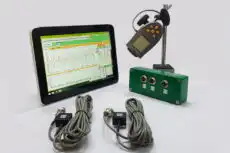
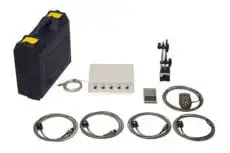
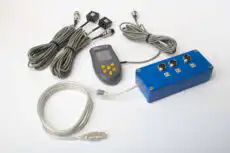
เทอร์โมกราฟีทรงพลังที่สุดเมื่อเป็นหนึ่งในชั้นของกลยุทธ์ การบำรุงรักษาเชิงคาดการณ์ ที่กว้างขึ้น มากกว่าจะเป็นเครื่องมือเดี่ยว ในฐานะรูปแบบหนึ่งของ การทดสอบที่ไม่ทำลาย, มันตอบคำถามว่า “มีบางอย่างกำลังร้อนขึ้นหรือไม่?“ แต่โดยลำพังมักไม่บอกสาเหตุเชิงกลรากแท้ นี่คือจุดที่มันจับคู่กับการสั่นสะเทือนได้ดีมาก ตัวอย่างชัดเจนคือ ความไม่สมดุล: การสำรวจด้วยความร้อนอาจเผยให้เห็นตลับลูกปืนร้อน แต่ไม่อาจบอกได้ว่าความร้อนนั้นเกิดจากปัญหาการหล่อลื่นหรือจากโหลดแบบไดนามิกที่มากเกินไปซึ่งขับเคลื่อนโดยโรเตอร์ไม่สมดุล เพื่อแยกสองกรณีนี้ คุณต้องวัดการสั่นสะเทือนโดยตรง — และหากสาเหตุคือความไม่สมดุล เครื่องวิเคราะห์พกพาแบบสองช่องสัญญาณ เช่น Balanset-1A สามารถยืนยันได้โดยการวัด 1× แอมพลิจูดและเฟส แล้วแก้ไขโดย การถ่วงสมดุลภาคสนาม การถ่วงสมดุลโรเตอร์บนตลับลูกปืนของมันเอง เพื่อลดโหลดแบบไดนามิกที่ทำให้ตลับลูกปืนร้อนเกินตั้งแต่แรก เมื่อใช้แบบนี้ — อินฟราเรดใช้ค้นหาอาการ การสั่นสะเทือนใช้ค้นหาและแก้สาเหตุ — เทอร์โมกราฟีจึงกลายเป็นด่านหน้าเพื่อความเชื่อถือได้ของโรงงานที่รวดเร็ว ปลอดภัย และมีประสิทธิภาพสูง

