ทำความเข้าใจเกี่ยวกับการบำรุงรักษาเชิงคาดการณ์






การบำรุงรักษาเชิงคาดการณ์ (PdM) คือกลยุทธ์การบำรุงรักษาที่ใช้ การติดตามสภาพ ข้อมูลเพื่อทำนายว่าเมื่อใดอุปกรณ์จะขัดข้อง และกำหนดเวลาซ่อม ณ ช่วงเวลาที่เหมาะสมที่สุด — หลังตรวจพบปัญหาแล้ว แต่ก่อนจะเกิดความขัดข้องในการใช้งานจริง PdM ผสานการวัดเป็นระยะหรืออย่างต่อเนื่อง (การสั่นสะเทือน, อุณหภูมิ การวิเคราะห์น้ำมัน และอื่น ๆ) เข้ากับ การวิเคราะห์แนวโน้ม และความเชี่ยวชาญด้านการวินิจฉัยเพื่อคาดการณ์ อายุการใช้งานที่เหลืออยู่ และกำหนดเวลาการแทรกแซงเพื่อให้การใช้งานอุปกรณ์สูงสุด ขณะที่ลดทั้งต้นทุนการบำรุงรักษาและความเสี่ยงจากความขัดข้องให้น้อยที่สุด
เป็นวิวัฒนาการจากการบำรุงรักษาเชิงรับ (ซ่อมเมื่อเสีย) และการบำรุงรักษาเชิงป้องกัน (ตามกำหนดเวลาคงที่) ไปสู่แนวทางที่ขับเคลื่อนด้วยข้อมูล ตามสภาพ กลยุทธ์ที่ทำให้สมดุลระหว่างความเชื่อถือได้กับค่าใช้จ่ายเหมาะสมที่สุด หากทำได้ดี PdM มักให้ผลตอบแทน 5–10 เท่าของต้นทุน ผ่านการลดเวลาหยุดเครื่อง การยืดอายุชิ้นส่วน และการตัดงานบำรุงรักษาที่ไม่จำเป็นออกไป ซึ่งเป็นเหตุผลที่มันกลายเป็นศูนย์กลางของโปรแกรมความเชื่อถือได้ในอุตสาหกรรมหนัก
1. การบำรุงรักษาเชิงพยากรณ์เทียบกับกลยุทธ์อื่น
PdM เข้าใจได้ดีที่สุดเมื่อเปรียบเทียบกับสองแนวคิดรุ่นเก่าที่มันเข้ามาปรับปรุง
การบำรุงรักษาเชิงรับ (ซ่อมเมื่อเสีย)
- แนวทาง: ซ่อมหลังจากเกิดความขัดข้องแล้วเท่านั้น
- ค่าใช้จ่าย: ต้นทุนตามแผนต่ำที่สุด แต่ต้นทุนรวมสูงที่สุดเมื่อคิดความเสียหายลูกโซ่และการสูญเสียการผลิต
- ระยะเวลาการหยุดทำงาน: ไม่ได้วางแผนไว้ และมักยืดเยื้อ
- เหมาะสำหรับ: อุปกรณ์ที่ไม่วิกฤต ต้นทุนต่ำ หรือมีระบบสำรอง
การบำรุงรักษาเชิงป้องกัน (อิงเวลา)
- แนวทาง: บำรุงรักษาตามกำหนดช่วงเวลาคงที่
- ค่าใช้จ่าย: อยู่ในระดับปานกลาง โดยมีงานที่ไม่จำเป็นรวมอยู่บางส่วน
- ระยะเวลาการหยุดทำงาน: มีการวางแผนไว้ แต่เวลาอาจเร็วเกินจำเป็น
- ปัญหา: อาจเปลี่ยนชิ้นส่วนที่ยังเหลืออายุใช้งานอยู่ และยังอาจพลาดความขัดข้องที่เกิดขึ้นระหว่างรอบตามกำหนด
การบำรุงรักษาเชิงพยากรณ์ (อิงสภาพ)
- แนวทาง: บำรุงรักษาเมื่อสภาพที่วัดได้แสดงว่าจำเป็น
- ค่าใช้จ่าย: ต้องลงทุนในระบบติดตาม แต่ให้ต้นทุนรวมต่ำที่สุด
- ระยะเวลาการหยุดทำงาน: มีการวางแผน และกำหนดเวลาในช่วงที่เหมาะที่สุด
- ประโยชน์: ใช้ประโยชน์จากอุปกรณ์ได้สูงสุดโดยมีงานที่ไม่จำเป็นน้อยที่สุด
2. เทคโนโลยีและวิธีการของ PdM
ไม่มีเทคนิคใดมองเห็นทุกอย่างได้ครบ ดังนั้นโปรแกรมที่สมบูรณ์จึงวางหลายชั้นที่เสริมกัน
การตรวจสอบการสั่นสะเทือน
- การวัดตามเส้นทางด้วย เครื่องมือพกพา, และ การตรวจสอบอย่างต่อเนื่องแบบออนไลน์ สำหรับเครื่องจักรที่สำคัญที่สุด
- การวิเคราะห์สเปกตรัม และการติดตามแนวโน้มของข้อมูล
- การวิเคราะห์ซองสัญญาณ สำหรับการวินิจฉัยตลับลูกปืนระยะแรก
- ตรวจจับ ความไม่สมดุล, การจัดตำแหน่งที่ไม่ถูกต้อง, ความหลวม, ข้อบกพร่องของตลับลูกปืน และปัญหาเฟือง เป็นกำลังหลักของ PdM สำหรับเครื่องจักรหมุน
เทอร์โมกราฟี
- การสำรวจด้วยกล้องอินฟราเรดเพื่อตรวจจับจุดร้อนไฟฟ้าและแรงเสียดทานเชิงกล
- การคัดกรองทั้งโรงงานอย่างรวดเร็วที่เสริมงานด้านการสั่นสะเทือน (ดู เทอร์โมกราฟี.)
ไทรโบโลยี (การวิเคราะห์น้ำมัน)
- การนับและจำแนกอนุภาค รวมถึงการวิเคราะห์โลหะสึกหรอ
- การประเมินสภาพสารหล่อลื่น และผ่านสิ่งนั้นประเมินสภาพภายในของชิ้นส่วนที่วิธีอื่นมองไม่เห็น (ดู การวิเคราะห์น้ำมัน.)
การทดสอบด้วยคลื่นเสียงความถี่สูง
- การประเมินสภาพตลับลูกปืนและการตรวจจับการรั่ว (ไอน้ำ ลมอัด)
- การตรวจจับโคโรนาไฟฟ้าและการอาร์ก (ดู การวิเคราะห์ด้วยคลื่นเสียงความถี่สูง.)
การวิเคราะห์ลายเซ็นกระแสมอเตอร์
- อ่านลายเซ็นทางไฟฟ้าของสภาพมอเตอร์ เผยให้เห็น ความขัดข้องของแท่งโรเตอร์ และ ปัญหาของสเตเตอร์.
- ไม่รบกวนการทำงานเลย — มอเตอร์ยังคงเดินเครื่องขณะติดตามได้
3. การนำโปรแกรม PdM ไปใช้
โปรแกรมที่ประสบความสำเร็จจะค่อย ๆ ดำเนินการเป็นเฟสอย่างตั้งใจ แทนที่จะทำทั้งหมดพร้อมกัน
- เฟส 1 — การประเมินและการวางแผน: อุปกรณ์ ความสำคัญวิกฤต การวิเคราะห์, การเลือกเทคโนโลยี, ความต้องการทรัพยากร และเหตุผลด้าน ROI
- เฟส 2 — ค่าฐานและการตั้งค่า: การจัดหาเครื่องมือ, การฝึกอบรมบุคลากร, เส้นฐาน การวัดค่าฐาน, การตั้งค่าฐานข้อมูล และการกำหนด ขีดจำกัดการแจ้งเตือน.
- เฟส 3 — การปฏิบัติการ: การเก็บข้อมูลเป็นประจำ การวิเคราะห์และติดตามแนวโน้ม การจัดการสัญญาณเตือน การสร้างใบสั่งงาน และการดำเนินงานบำรุงรักษา
- เฟส 4 — การปรับให้เหมาะสม: ปรับเส้นทางและความถี่ ปรับขีดจำกัดสัญญาณเตือน ขยายขอบเขต และขับเคลื่อนการปรับปรุงอย่างต่อเนื่อง
4. ตัวชี้วัดความสำเร็จ
คุณค่าของโปรแกรมพิสูจน์ได้ด้วยตัวเลขในสามมิติ
- ตัวชี้วัดด้านความเชื่อถือได้: ค่าเฉลี่ยเวลาระหว่างความขัดข้อง (MTBF) สูงขึ้น เวลาหยุดเครื่องที่ไม่ได้วางแผนลดลง ความพร้อมใช้งานของอุปกรณ์ดีขึ้น และไม่มีความขัดข้องรุนแรง
- ตัวชี้วัดด้านเศรษฐกิจ: ต้นทุนบำรุงรักษาต่ำลง สต็อกอะไหล่ลดลง การสูญเสียการผลิตที่หลีกเลี่ยงได้ และการคำนวณ ROI ที่ชัดเจน — จำลองได้ง่ายด้วย เครื่องคำนวณ ROI การบำรุงรักษาเชิงคาดการณ์ และ เครื่องคำนวณความพร้อมใช้งาน MTBF / MTTR.
- ตัวชี้วัดด้านการปฏิบัติการ: จำนวนความขัดข้องที่ตรวจพบต่อการตรวจหนึ่งครั้ง ระยะเวลานำจากการตรวจพบถึงความขัดข้อง สัดส่วนงานที่วางแผนเทียบกับไม่วางแผน และความครอบคลุมของโปรแกรมโดยรวม (เปอร์เซ็นต์ของอุปกรณ์ที่ถูกติดตาม)
5. ความท้าทายและแนวทางแก้ไข
โปรแกรมมักสะดุดด้วยเหตุผลที่คาดเดาได้ ซึ่งแต่ละข้อก็มีแนวทางแก้ที่รู้กันอยู่แล้ว
- การลงทุนเบื้องต้น: ต้นทุนของอุปกรณ์ การฝึกอบรม และบุคลากร รับมือได้ด้วยการนำไปใช้เป็นระยะ มีกรณี ROI ที่แข็งแรง และเริ่มจากเครื่องจักรที่ อุปกรณ์ที่สำคัญ ก่อน.
- การเปลี่ยนแปลงด้านวัฒนธรรม: การต่อต้านวิธีทำงานแบบใหม่เอาชนะได้ด้วยการฝึกอบรม ความสำเร็จระยะแรกที่จับต้องได้ และการสนับสนุนจากฝ่ายบริหารที่มองเห็นได้ชัด
- ข้อมูลล้นระบบ: ปริมาณข้อมูลที่มหาศาลจัดการได้ด้วยการวิเคราะห์อัตโนมัติ การรายงานตามข้อยกเว้น และการจัดลำดับความสำคัญที่ชัดเจน
- การบูรณาการ: การเชื่อมโยงการติดตามสภาพเข้ากับ CMMS และการปฏิบัติการ แก้ได้ด้วยการผสานซอฟต์แวร์ ขั้นตอนการทำงานที่กำหนดชัด และการฝึกข้ามสายงาน
6. มาตรฐานอุตสาหกรรม
แนวปฏิบัติ PdM ยึดโยงอยู่กับตระกูลมาตรฐานสากล:
- ISO 17359: แนวทางทั่วไปสำหรับการติดตามสภาพและการวินิจฉัย
- ISO 13372: คำศัพท์สำหรับการติดตามสภาพและการวินิจฉัยของเครื่องจักร
- ISO 13373: ขั้นตอนสำหรับการติดตามสภาพการสั่นสะเทือน
- ISO 18436: การรับรองบุคลากรสำหรับการติดตามสภาพและการวินิจฉัย
การประเมินการสั่นสะเทือนที่วัดได้เทียบกับโซนการยอมรับถูกกำกับโดยชุดมาตรฐาน ISO 20816 สมัยใหม่ ซึ่งมาแทน ISO 10816 รุ่นเก่า
7. บทบาทของเครื่องมือภาคสนาม
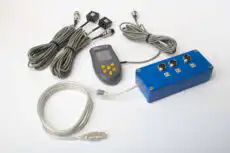
การตรวจพบเป็นเพียงครึ่งหนึ่งของงาน PdM ถูกตัดสินจากสิ่งที่เกิดขึ้นหลังพบความขัดข้อง ความขัดข้องจำนวนมากเป็นเรื่องความไม่สมดุลและ การจัดตำแหน่งที่ไม่ถูกต้อง, และการตอบสนองที่มีประสิทธิภาพที่สุดคือแก้ไข ณ จุดใช้งานแทนที่จะส่งโรเตอร์ออกไปภายนอก นี่คือจุดที่ การถ่วงสมดุลภาคสนาม ปิดวงจร: เครื่องวิเคราะห์พกพาแบบสองช่องสัญญาณ เช่น Balanset-1A วัดขนาด 1× แอมพลิจูดและเฟส ในตลับลูกปืนจริงของเครื่องที่ความเร็วใช้งาน คำนวณน้ำหนักแก้ไข และตรวจสอบผลกับ ISO 21940-11 เกรดการถ่วงสมดุล — ทั้งหมดโดยไม่ต้องถอดประกอบ ด้วยวิธีนี้ เครื่องมือเดียวกันที่ช่วยคัดกรองการสั่นสะเทือนของเครื่อง ยังช่วยคืนเครื่องกลับสู่การใช้งาน กลายเป็นการเปลี่ยนผลการบำรุงรักษาเชิงพยากรณ์ให้เป็นการซ่อมที่เสร็จสมบูรณ์โดยตรง นี่คือแก่นของ PdM: ด้วยการคาดการณ์ความขัดข้องก่อนจะเกิดและกำหนดเวลาแก้ไขอย่างแม่นยำ มันเปลี่ยนการบำรุงรักษาจากศูนย์ต้นทุนให้เป็นตัวขับเคลื่อนคุณค่า มอบคำมั่นของการบริหารสินทรัพย์ตามสภาพในงานอุตสาหกรรมสมัยใหม่

