Aylanuvchi mashinalar tahlilida tormozlashni tushunish


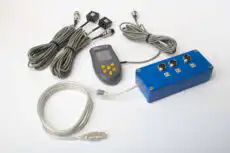
Coastdown — also called rundown or deceleration — is the process of letting a rotating machine slow from operating speed to a stop with no active braking, relying on the natural losses of friction, windage, and bearing drag. In rotor dynamics and tebranish tahlili, a coastdown sinov mashinani to'xtatish jarayonida amalga oshiriladigan diagnostika protsedurasi bo'lib, vibration ma'lumotlar mashina tezlikni pasaytirib borishi davomida uzluksiz yozib olinadi va aylanuvchi mexanizmlar haqida keng qamrovli axborot beradi kritik aylanish tezliklarini, tabiiy chastotalar, va tizimning dinamik xususiyati. Uning ko'zgu tasviri bilan birga, runup sinov, bu yangi uskunalarni ishga tushirishda, qiyin tebranish muammolarini bartaraf etishda va real qurilgan hamda o'rnatilgan mashina bo'yicha rotordinamik modellarni tasdiqlashda asosiy vosita hisoblanadi.
1. Maqsad va qo'llanish sohalari
Kritik Tezlikni Aniqlash
To'xtash sinovi (coastdown)ning asosiy maqsadi kritik tezliklarni aniqlashdan iborat:
- tezlik har bir kritik tezlik orqali pasayganda, tebranish amplitudasi cho'qqiga chiqadi;
- peaks in the amplitude-tezlikka nisbatan grafik kritik tezliklarni belgilaydi;
- hamroh 180° phase siljish bu haqiqiy ekanligini tasdiqlaydi resonance boshqa tezlikka bog'liq ta'sirdan farqli o'laroq; va
- bitta o'tishda bir nechta kritik tezlik qayd etilishi mumkin.
Tabiiy Chastotani O'lchash
Kritik tezliklar tabiiy chastotalarga mos keladi:
- birinchi kritik tezlik birinchi tabiiy chastotada, ikkinchi kritik tezlik esa ikkinchisida yuzaga keladi va hokazo;
- sinov analitik bashoratlarning eksperimental tasdig'ini beradi; va
- u chekli elementlar modellarini tasdiqlash uchun keng qo'llaniladi.
So'nishni Aniqlash
Har bir rezonans cho'qqisining o'tkirligi tizimning xususiyatini aks ettiradi damping:
- o'tkir, baland cho'qqilar past so'nishni bildiradi;
- keng, past cho'qqilar yuqori so'nishni bildiradi;
- the damping ratio cho'qqining’ kengligi va amplitudasidan hisoblanishi mumkin; va
- bu ko'rsatkich kelajakdagi ishlash davridagi tebranish darajalarini bashorat qilish uchun muhim ahamiyatga ega.
Muvozanatsizlikni Taqsimotini Baholash
- kritik aylanish tezliklaridagi faza munosabatlari qanday ekanligini ko'rsatadi unbalance rotor bo'ylab taqsimlangan;
- ular statik va dinamik muvozanatsizlikni bir-biridan ajrata oladi juftlik muvozanatsizligi; and
- ular har qanday og'irlik qo'shilishidan oldin balanslashtirish strategiyasini rejalashtirishga yordam beradi.
2. To'xtatish (Coastdown) Sinov Tartibi
Preparation
- Sensorlarni o'rnating: place akselerometrlar or tezlik datchiklari podshipnik joylashgan joylarda, gorizontal va vertikal yo'nalishlarda.
- Taxometrni o'rnating: optik yoki magnit tachometer aylanish tezligini kuzatish va faza referens nuqtasini ta'minlash uchun.
- Ma'lumot yig'ishni sozlang: etarli namuna olish tezligida uzluksiz yozib olishni sozlang.
- Tezlik diapazonini belgilang: odatda ish tezligidan uning 10–20% gacha, yoki mashina to'xtaguncha.
Execution
- Ish tezligini barqarorlashtiring: issiqlik muvozanati va barqaror tebranishga erishilgunga qadar normal tezlikda ishlating.
- To'xtatishni boshlang: harakatlantiruvchi kuchni — elektr motor, turbina yoki boshqa harakat manbai — o'chiring va tabiiy sekinlashishga ruxsat bering.
- Uzluksiz kuzating: tormozlash davomida tebranish amplitudasi, fazasi va aylanish tezligini qayd eting.
- Xavfsizlikni nazorat qiling: kutilmagan rezonans yoki boshqa muammoni bildiruvchi haddan ortiq tebranishga e'tiborli bo'ling instability.
- To'liq tormozlashni amalga oshiring: mashina to'xtaguncha yoki qiziqish uchun minimal tezlikka yetguncha yozishni davom ettiring.
Ma'lumot yig'ish parametrlari
- Sample rate: qiziqish uchun har bir chastotani qamrab olishga yetarlicha yuqori — odatda maksimal chastotaning 10–20 barobari.
- Duration: set by rotor inertia, anywhere from 30 seconds to 10 minutes.
- Measurements: barcha sensor o'lchaш nuqtalari bo'yicha amplituda, faza va tezlik.
- Sinxron namuna olish: qo'llab-quvvatlash uchun doimiy burchak bosqichlari orqali olingan ma'lumotlar order analysis.
3. Ma'lumotlarni tahlil qilish va vizualizatsiya
Bode Plot
Tormozlash ma'lumotlarining standart ko'rinishi — Bode plot:
- upper trace: tebranish amplitudasining tezlikka nisbati;
- lower trace: faza burchagining tezlikka nisbati;
- kritik tezlik belgisi: 180°lik faza siljishiga mos keladigan amplituda cho'qqisi; va
- per location: har bir o'lchov nuqtasi va yo'nalish uchun alohida grafiklar.
Waterfall Plot
A waterfall plot (kaskad diagramma) uch o'lchamli ko'rinishni beradi:
- X o'qi: chastota (Hz yoki tartiblarda);
- Y-o'qi: aylanish tezligi (rpm);
- Z-o'qi (rang): tebranish amplitudasi;
- 1× komponenti tezlikni kuzatib, diagonal chiziq sifatida ko'rinadi;
- tabiiy chastotalar doimiy chastotada gorizontal chiziqlar sifatida namoyon bo'ladi; va
- ularning kesishish nuqtasi — 1× chizig'i tabiiy chastota chizig'ini kesib o'tgan joy — kritik tezlikdir.
Polar Plot
- tebranish vektorlari ko'p tezliklarda chiziladi;
- har bir kritik tezlik orqali tezlik pasaygan sari xarakterli spiral shakllanadi; va
- vektor aylanib o'tganda faza o'zgarishi yaqqol ko'rinadi.
4. Sustlanish va tezlanish rejimida sinov
Sustlanish rejimining afzalliklari
- Tashqi quvvat talab etilmaydi: drayverdan uzib qo'ying va mashina o'z-o'zidan sustlanib to'xtashiga ruxsat bering.
- Sekinroq tormozlanish: har bir tezlikda uzoqroq qolish vaqti yaxshiroq chastota ajratish imkonini beradi.
- Safer: tizim energiya to'playotgani emas, balki sarflayotgan bo'ladi.
- Less stress: kritik tezliklar energiya pasayishi paytida o'tiladi.
Tezlanish rejimining afzalliklari
- Nazorat ostida tezlashtirish: kritik tezliklar orqali o'tish tezligini boshqarish mumkin.
- Odatiy ishga tushirish qismi: a tezlik oshirish tahlili muntazam ishga tushirish jarayonida yig'ish mumkin.
- Active conditions: jarayon yuklari mavjud, shuning uchun ma'lumotlar haqiqiy ish rejimini to'liq aks ettiradi.
Taqqoslash mezonlari
- Temperature: tezlik oshirish odatda sovuq holatda amalga oshiriladi; tezlik pasaytirishda esa issiq ish sharoitidan boshlanadi.
- Podshipnik qattiqligi: issiq (tezlik pasaytirish) va sovuq (tezlik oshirish) holatlarda farq qilishi mumkin.
- Ishqalanish va so'nish: ikkalasi ham haroratga bog'liq va amplitudaning cho'qqi qiymatlarini siljitadi.
- Ma'lumotlarni taqqoslash: tezlik oshirish va pasaytirish eğrilarining farqlari issiqlik yoki yuklanish ta'sirlarini aniqlashga yordam beradi.
5. Qo'llash sohalari va foydalanish holatlari
Yangi uskunalarni ishga tushirish
- kritik tezliklar loyiha hisob-kitoblariga mos kelishini tekshirish;
- yetarli ajratish marjalarini tasdiqlash;
- rotordinamik modelni tasdiqlash; va
- establish baseline data kelajakdagi ma'lumotnoma uchun.
Tebranish muammolarini bartaraf etish
- yuqori tebranishning tezlikka bog'liqligini (rezonans) aniqlash;
- ilgari noma'lum bo'lgan kritik aylanish tezliklarini aniqlash;
- o'zgartirish yoki ta'mirlash natijasini baholash; va
- rezonansni boshqa tebranish manbalaridan ajratish.
Balancing Procedures
- for egiluvchan rotorlar, to'xtash jarayoni qaysi rejimlar muvozanatlashni talab qilishini aniqlaydi;
- u to'g'ri muvozanatlash tezliklarini tanlashga yordam beradi; va
- u dan keyin yaxshilanishni tasdiqlaydi modal muvozanatlash.
O'zgartirishni Tasdiqlash
- podshipnik almashtirishdan so'ng, kritik tezlikning o'zgarishini tasdiqlash;
- massa yoki qattiqlik o'zgarishlaridan so'ng, bashorat qilingan tabiiy chastota o'zgarishini tekshirish; va
- yaxshilanishni miqdoriy baholash uchun o'zgarishdan oldingi va keyingi to'xtash jarayonlarini solishtirish.
6. To'xtash Jarayonini Sinash bo'yicha Eng Yaxshi Amaliyotlar
Xavfsizlik Talablari
- yaqin atrofdagi barcha xodimlar sinov amalga oshirilayotganidan xabardor bo'lishlarini ta'minlash;
- kutilmagan rezonanslar uchun tebranishni diqqat bilan kuzatib borish;
- favqulodda to'xtatish imkoniyatini doimo tayyor holda saqlash;
- uskunalar atrofidagi hududni tozalash; va
- agar haddan tashqari tebranish kuzatilsa, to'xtash jarayonini yakunlash o'rniga favqulodda to'xtatishni ko'rib chiqish.
Data Quality
- To'g'ri sekinlashuv tezligi: har bir tezlik uchun ma'lumot nuqtalari juda kam bo'lmasligi uchun juda tez emas, ammo ish davomida issiqlik sharoitlari o'zgarib ketmasligi uchun juda sekin ham emas.
- Barqaror sharoitlar: sinov jarayonida jarayon o'zgaruvchilarining o'zgarishini minimallashtirishga harakat qiling.
- Multiple runs: takrorlanishini tekshirish uchun ikki yoki uch marta pasayish o'tkazishni amalga oshiring.
- Barcha nuqtalar bir vaqtda: barcha podshipniklarni bir vaqtda yozib oling.
Hujjatlar
- ish sharoitlarini qayd eting — harorat, yuklama, konfiguratsiya;
- to'liq tebranish va aylanish chastotasi ma'lumotlarini yozib oling;
- standart tahlil grafiklari (Bode, sharshara, qutb)ni yarating;
- aniqlangan barcha kritik tezliklarni belgilang; va
- loyiha bashoratlari yoki avvalgi sinov ma'lumotlari bilan solishtiring, so'ng arxivlang.
7. Natijalarni talqin qilish
Kritik tezliklarni aniqlash
- Bode grafigida amplituda cho'qqilarini qidiring;
- har birini 180° faza siljishi bilan tasdiqlang;
- cho'qqi sodir bo'lgan aylanish tezligini qayd eting; va
- ish tezligidan ajratish zahirasini hisoblang.
Jiddiylikni baholash
- Cho'qqi amplitudasi: kritik tezlikda tebranish qay darajagacha ko'tariladi?
- Cho'qqining tikligi: keskin cho'qqi past so'nishni va potentsial muammoni anglatadi.
- Ishlash tezligining yaqinligi: ishchi tezlik kritik tezlikka qanchalik yaqin?
- Acceptability: odatda taxminan ±15–20% ajratish marrasi talab etiladi.
Kengaytirilgan tahlil
- extract mode shapes ko'p nuqtali o'lchovlardan;
- cho'qqi xarakteristikalaridan so'nish koeffitsientlarini hisoblash;
- oldinga va orqaga aylanishni farqlash whirl modes; and
- natijalarni taqqoslash Kempbell diagrammasi predictions.
8. Maydonda tezlikni pasaytirish sinovi
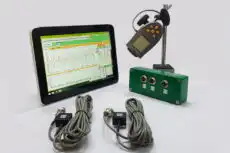
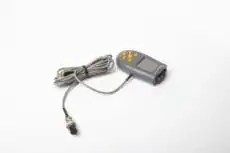
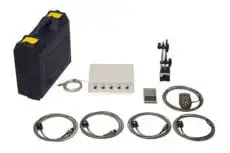
Maydonida tezlikni pasaytirish sinovi uchun maxsus sinov stendi talab etilmaydi — u haydovchi o'chirilgan zahoti ko'chma asbob bilan qayd etish mumkin. Ikki kanalli analizator, masalan, Balanset-1A, lazerli taxometri faza etalonini ta'minlab, rotor sekinlashayotganda amplitudani, fazani va tezlikni uzluksiz yozib boradi; shu tariqa muhandis kritik tezlik cho'qqilarini olingan Bode diagrammasidan to'g'ridan-to'g'ri o'qiy oladi. Rezonansni aniqlagan bir xil ma'lumotlar to'plami 1× muvozanatsizlikning hissasi bor-yo'qligini ham tasdiqlaydi va tashxis hamda keyingi field balancing balanslashtirish ishi bitta tezlikni pasaytirish jarayonidan kelib chiqadi. Xulosa qilib aytganda, tezlikni pasaytirish sinovi analitik bashoratni to'ldiruvchi va aylanuvchi mashinalarning haqiqiy ish sharoitidagi dinamik xatti-harakatini ochib beruvchi empirik ma'lumotlarni ta'minlaydi.

