Bir tekislikda balanslashni tushunish
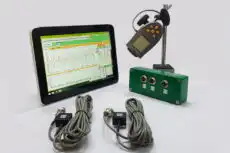


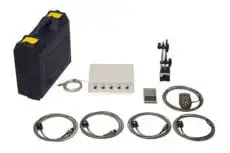
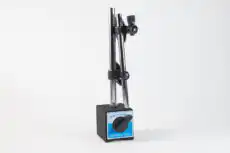


Bir tekislikda balanslashtirish is a muvozanatlash rotorning’ unbalance aylanish o'qiga perpendikulyar bo'lgan faqat bitta radial tekislikda massa qo'shish yoki olib tashlash orqali tuzatiladi. Bu to'g'ri usul bo'lib, qachonki muvozanatsizlik asosan static xarakterda bo'lsa — ya'ni, rotorning massa markazi aylanish o'qidan siljigan, ammo rotorni uchidan-uchigacha tebratishga urinuvchi sezilarli moment yoki juft kuch mavjud bo'lmaganda. Eng oddiy va tejamkor balanslash usuli sifatida, u faqat bitta tuzatish tekisligi va, odatda, bitta trial weight o'tishini talab qiladi.
1. Ta'rif: Bir tekislikda balanslash nima?
Har bir rotor ma'lum darajada muvozanatsizlikni o'z ichiga oladi, ammo geometry bu muvozanatsizlikni qanday tuzatish kerakligini belgilaydi. Og'ir nuqta bir tekislikda joylashgan deb qaralsa — yoki uning kichik o'qli tarqalishi sezilarli qiyshayish momentini keltirib chiqarmasa — bitta tuzatish muvozanatni tiklaydi. Bu bir tekislikda balanslashning asosiy sharti: muvozanatsizlik sof radial kuch sifatida namoyon bo'ladi, juft kuch sifatida emas. Juft kuch mavjud bo'lganda, rotor tebranadi va hech qanday bitta tuzatish ikkala uchni bir vaqtda muvozanatlash imkonini bermaydi — bu bir tekislikda balanslashni dinamik (ikki tekislikli) balanslashtirish.
2. Bir tekislikda balanslashdan qachon foydalanish kerak
Bir tekislikda balanslash muayyan rotor geometriyalari va ish sharoitlariga mos keladi.
Disk shaklidagi rotorlar
Diametriga nisbatan eksenel uzunligi (qalinligi) kichik bo’lgan rotorlar eng mos nomzodlar hisoblanadi — ular ko‘pincha “tor” yoki “yupqa” disklar deb tavsiflanadi. Massa asosan bitta tekislikda to‘planganligi sababli, juftlik momentining paydo bo‘lishi uchun juda oz imkon qoladi. Tipik misollar:
- Silliqlash g'ildiraklari
- Aylana arralar
- Bir bosqichli ventilyator yoki havo puflagich krylaçkalari
- Flywheels
- Disk tormozi rotorlari
- Single pulleys
Birinchi kritik tezlikdan past tezlikda ishlaydigan qattiq rotorlar
For rigid rotors birinchi kritik tezliklaridan ancha past tezlikda ishlaydigan critical speed, bir tekislikda muvozanatlash rotor katta eksenel uzunlikka ega bo’lganda ham yetarli bo’lishi mumkin, agar rotor ish davomida egilmasa yoki deformatsiyalanmasa. Asosiy tushuncha — rigid: val o’z shaklini saqlashi kerak, shunda bitta tuzatish butun ish diapazoni bo’yicha amal qiladi.
Muvozanatsizlik statik ekanligiga ishonch hosil qilinganda
Agar muvozanatsizlik bitta mahalliy manbadan kelib chiqsa — material to’planishi, yetishmayotgan ventilyator paneli, markazdan siljigan o’rnatish — va tebranish o’lchovlari asosan in-phase ikki podshipnikdagi tebranish harakatini ko’rsatsa, holat statik hisoblanadi va bir tekislikda tuzatish o’rinlidir. Ikki uchidagi phase ni solishtirish amaliy sinov hisoblanadi: bir fazadagi harakat statik muvozanatsizlikni ko’rsatadi, teskari fazadagi harakat esa juftlik mavjudligidan ogohlantiradi.
3. Bir tekislikda muvozanatlash tartibi
Tartib quyidagiga asoslangan sodda va izchil tsikl bo’yicha amalga oshiriladi: ta'sir koeffitsienti method.
1-qadam — Dastlabki o’lchash
Rotor normal tezlikda ishlaganda, bir yoki bir nechta podshipnik joylashuvidagi dastlabki tebranish vektorini — ham amplitude ham fazani — o’lchab, qayd eting. Bu dastlabki muvozanatsizlik hosil qilgan tebranishni aks ettiradi va keyingi barcha o’lchovlar uchun etalonга aylanadi.
2-qadam — Sinov og’irligini o’rnatish
Mashinani to’xtating va tanlangan tuzatish tekisligidagi qulay burchak holatiga (odatda 0°) ma’lum sinov og’irligini o’rnating. Og’irlik tebranishni sezilarli darajada o’zgartirish uchun yetarlicha katta bo’lishi kerak — foydali amaliy qoida sifatida tebranish vektorini taxminan 25–50% ga o’zgartirishni maqsad qiling. Og’irlikni birinchi urinishda to’g’ri tanlash keraksiz ishga tushirishlardan qochishga yordam beradi; Sinov og'irligi kalkulyatori rotorning og'irligi va aylanish tezligiga asoslanib xavfsiz boshlang'ich massani beradi.
3-qadam — Sinov ishlashi
Mashinani qayta ishga tushiring va xuddi shu nuqta(lar)da yangi tebranish vektorini o'lchang. Bu o'qish dastlabki muvozanatsizlikning birgalikdagi ta'sirini ifodalaydi plus sinov og'irligi — ikkalasi vektor sifatida qo'shiladi.
4-qadam — Tuzatish og'irligini hisoblash
Dastlabki va sinov vektorlarini solishtirish orqali asbob vektor ayirish sinov og'irligining o'z ta'sirini ajratib oladigan va ta'sir koeffitsienti — rotorning berilgan burchakdagi birlik og'irlikka nisbatan qancha tebranish hosil qilishini hisoblaydi. Ushbu koeffitsient asosida doimiy tuzatish og'irligining dastlabki muvozanatsizlikni bartaraf etadigan aniq massa va burchak holati hisoblanadi. Asosiy matematik hisoblar Bir tekislikdagi ta'sir koeffitsienti kalkulyatori.
5-qadam — Tuzatishni o'rnatish va tekshirish
Sinov og'irligini olib tashlang, hisoblangan tuzatish og'irligini doimiy ravishda o'rnating — ko'rsatilgan joyga massa qo'shish yoki uni olib tashlash (parmalash, silliqlash) orqali — va tebranish maqbul darajaga tushganligini tasdiqlash uchun mashinani ishga tushiring. Agar biroz tebranish qolsa, trim balance natijani aniqlashtiradi va yakuniy qoldiq nomuvozanat ni ISO 21940-11 balance grade.
4. Sahnada bir tekislikda balanslashtirish
Bir tekislikda balanslashtirish maxsus muvozanatlash mashinasi, uning asosiy kuchi shundan iboratki, uni in situ, rotor o'z podshipniklarida ishchi tezlikda aylanayotgan holda. Ikki kanalli ko'chma asbob, masalan, Balanset-1A sinov og'irligidan oldin va keyin 1× amplituda va fazani o'lchaydi, ta'sir koeffitsientini hisoblaydi va tuzatish uchun aniq massa va burchakni ko'rsatadi — so'ngra og'irlik o'rnatilgandan keyin qoldiq muvozanatsizlikni tekshiradi. Uning optik lazer tachometer, tasma bilan ishga tushadigan aks ettiruvchi lenta, rotorning har bir aylanishi uchun fazaviy ma'lumot beradi va hisob-kitob aynan shu ma'lumotga tayanadi. Rotor haqiqiy ish sharoitlarida — haqiqiy tezlikda, haqiqiy o'rnatish holatida, haqiqiy haroratda — o'lchanadi; field balancing shu tarzda balansirovka mashinasi to'liq takrorlay olmaydigan haqiqiy ish holati qayd etiladi.
5. Bir tekislikda balansirovka qilishning afzalliklari
- Simplicity: faqat bitta tuzatish tekisligi ishlatiladi, bu esa ishni rejalashtirish, amalga oshirish va tushunishni osonlashtiradi.
- Speed: odatda jarayon faqat ikki yoki uch o'tishni talab qiladi (boshlang'ich, sinov, tekshiruv), bu vaqtni tejaydi va mashinaning ishlamay turish muddatini qisqartiradi.
- Cost-effectiveness: kamroq o'lchov va soddaroq hisob-kitoblar mehnat xarajatlarini kamaytiradi va murakkabroq jihozlarga ehtiyojni bartaraf etadi.
- Accessibility: disk tipidagi rotorning ko'pgina nuqtalarida og'irlik qo'shish yoki olib tashlash imkoniyati mavjud bo'lib, bu tuzatishning qayerga qo'yilishida moslashuvchanlik beradi.
6. Cheklovlar va qo'llab bo'lmaydigan holatlar
Usulning soddaliği e'tiborga olinishi shart bo'lgan haqiqiy chegaralar bilan birga keladi.
Moment nomutanosibligini tuzata olmaydi
Agar rotorda sezilarli darajada juftlik muvozanatsizligi — qarama-qarshi uchlarida, lekin turli burchak holatlarida joylashgan teng og'ir nuqtalar — mavjud bo'lsa, bir tekislikdagi tuzatish uni bartaraf eta olmaydi. Moment nomutanosibligi bir tekislik ta'sir qila oladigan umumiy radial kuch hosil qilmaydi, biroq rotorning chayqalishiga sabab bo'ladi. Bunday holat ikki tekislikda (dinamik) muvozanatlash.
Uzun rotorlar uchun mos emas
Uzunlik/diametr nisbati taxminan 0,5–1,0 dan katta bo'lgan rotorlar odatda ikki tekislikda balansirovka qilishni talab qiladi. Elektr dvigatel armaturalari, nasos vallari va uzun ventilyator rotorlari bu guruhga kiradi, chunki ularning o'q bo'ylab o'lchami moment nomutanosibligining paydo bo'lishiga imkon beradi.
Har bir podshipnikdagi tebranishni kamaytirmasligi mumkin
Bitta podshipnik uchun optimallashtiriган bir tekislikdagi tuzatish boshqa podshipnikdagi tebranishni deyarli kamaytirmasligi mumkin, ayniqsa uzunroq rotorda yoki kritik aylanish tezligiga yaqin ishlaydigan rotorda.
Moslashuvchan rotorlar uchun samarasiz
Birinchi kritik tezlikdan yuqorida ishlaydigan rotorlar aylanish jarayonida egiladi; ularning o'zgaruvchan mode shapes require ko'p tekislikda balanslashtirish bir tekislikdagi ish ta'minlay olmaydigan texnikalarni talab qiladi.
7. Statik balansirovka bilan munosabati
Bir tekislikda muvozanatlash bilan chambarchas bog'liq statik balansirlash; aslida, aylanayotgan mashinada amalga oshirilgan bir tekislikda muvozanatlash bu statik disbalansning dinamik o'lchovi. Klassik statik muvozanatlash rotorni to'xtatilgan holda og'ir nuqtani aniqlaydi — pichoq qirralari yoki roliklar ustiga qo'yib, og'irlik kuchiga binoan og'ir tomoniga o'z-o'zidan aylanishiga yo'l qo'yiladi — holbuki bir tekislikda muvozanatlash xuddi shu statik disbalansni rotor aylanganda o'lchaydi. Aylanish usuli yanada aniqroq, chunki disbalans haqiqiy ish sharoitida seziladi va uning kattaligi hamda burchagi aniqlanadi, shunchaki yo'nalishi emas.
8. Tipik Ilovalar va Sohalar
Bir tekislikda muvozanatlash rotor geometriyasi mos kelgan joylarda qo'llaniladi:
- Yog'ochga va metallga ishlov berish: aylana arra disklari, tosh kesish disklari, kesish disklari.
- HVAC: bir pog'onali markazdan qochma ventilatorlar va havo üfleyicilari.
- Qishloq xo'jaligi texnikasi: kombayn komponentlari, yagona kasnaklar.
- Automotive: zamбavonlar, tormoz rotorlari, yagona kasnaklar.
- Material uzatish: konveyer kasnaklar, tayanchli roliklar.
Ushbu ilovalar uchun bir tekislikda muvozanatlash samaradorlik, soddalik va xarajat o'rtasidagi optimal muvozanatni ta'minlaydi, bu esa uni rotor balancing.

