মোটরে বৈদ্যুতিক ফ্রিকোয়েন্সি বোঝা

বৈদ্যুতিক ফ্রিকোয়েন্সি — লাইন ফ্রিকোয়েন্সি, মেইনস ফ্রিকোয়েন্সি বা শক্তি ফ্রিকোয়েন্সি নামেও পরিচিত — এটি বৈদ্যুতিক মোটর এবং অন্যান্য বৈদ্যুতিক সরঞ্জামে সরবরাহ করা প্রতিবর্তী প্রবাহের ফ্রিকোয়েন্সি। বিশ্বব্যাপী দুটি মান প্রধান: উত্তর আমেরিকা, দক্ষিণ আমেরিকার কিছু অংশ এবং কিছু এশীয় দেশে ৬০ হার্জ, এবং ইউরোপ, এশিয়ার বেশিরভাগ অংশ, আফ্রিকা এবং অস্ট্রেলিয়া জুড়ে ৫০ হার্জ। এই একক সংখ্যা সরবরাহের প্রতিটি এসি মোটরের সিঙ্ক্রোনাস গতি নির্ধারণ করে এবং বৈদ্যুতিক শক্তির একটি পরিবার তৈরি করে — এবং তাই ভাইব্রেশন উপাদান — লাইন ফ্রিকোয়েন্সির গুণিতকে।
মোটরে কম্পন বিশ্লেষণ, লাইন ফ্রিকোয়েন্সি এবং এর সুরেলা, বিশেষ করে দ্বিগুণ লাইন ফ্রিকোয়েন্সি (২×f), বৈদ্যুতিক সমস্যা, স্টেটর ত্রুটি এবং বায়ু-ফাঁক অনিয়মের জন্য মূল নির্ণয়মূলক সূচক। সেগুলি সঠিকভাবে পড়া হল যা একজন বিশ্লেষককে একই জায়গায় বৈদ্যুতিক ত্রুটি থেকে যান্ত্রিক ত্রুটি আলাদা করতে দেয়। স্পেকট্রাম.
১. মোটর গতির সাথে সম্পর্ক
সিঙ্ক্রোনাস গতি
একটি এসি ইন্ডাকশন মোটরের জন্য, ঘূর্ণমান চৌম্বক ক্ষেত্রের সিঙ্ক্রোনাস গতি লাইন ফ্রিকোয়েন্সি এবং মেরু সংখ্যা দ্বারা নির্ধারিত হয়:
Nসিঙ্ক্রোনাইজেশন = (১২০ × f) / P — যেখানে Nসিঙ্ক্রোনাইজেশন হল RPM-তে সিঙ্ক্রোনাস গতি, f হল হার্জে বৈদ্যুতিক ফ্রিকোয়েন্সি, এবং P হল মেরুর সংখ্যা।
প্রকৃত রানিং স্পিড সর্বদা সিঙ্ক্রোনাসের চেয়ে সামান্য কম হয় কারণ একটি ইন্ডাকশন রোটর টর্ক বিকাশের জন্য স্লিপ করতে হবে।
সাধারণ মোটর গতি
একটি ৬০ Hz সরবরাহে সিঙ্ক্রোনাস গতিগুলি একটি ২-মেরু মোটরের জন্য ৩৬০০ RPM (সেবায় প্রায় ৩৫৫০ RPM), একটি ৪-মেরুর জন্য ১৮০০ RPM (প্রায় ১৭৫০ RPM), একটি ৬-মেরুর জন্য ১২০০ RPM (প্রায় ১১৭০ RPM) এবং একটি ৮-মেরুর জন্য ৯০০ RPM (প্রায় ৮৭৫ RPM)। একটিতে ৫০ Hz সরবরাহে একই মেরু গণনা ৩০০০ RPM (প্রায় ২৯৫০ RPM প্রকৃত), ১৫০০ RPM (প্রায় ১৪৫০), ১০০০ RPM (প্রায় ৯৭০) এবং ৭৫০ RPM (প্রায় ৭৩০) দেয়। দ্য মোটর স্লিপ এবং প্রকৃত RPM ক্যালকুলেটর একটি নেমপ্লেট এবং একটি পরিমাপ করা গতিকে সরাসরি এই পরিসংখ্যানে পরিণত করে।
স্লিপ ফ্রিকোয়েন্সি
সিঙ্ক্রোনাস এবং প্রকৃত গতির মধ্যে ব্যবধান সংজ্ঞায়িত করে স্লিপ ফ্রিকোয়েন্সি:
fs = (Nসিঙ্ক্রোনাইজেশন − Nপ্রকৃত) / 60
- সাধারণ স্লিপ সিঙ্ক্রোনাস গতির ১–৫% চলে।
- ফলস্বরূপ স্লিপ ফ্রিকোয়েন্সি সাধারণত মাত্র ১–৩ হার্জ।
- এটি লোড-নির্ভরশীল — মোটর যত বেশি কঠোর পরিশ্রম করে স্লিপ বৃদ্ধি পায়।
- এটি রোটর বৈদ্যুতিক ত্রুটি নির্ণয়ের জন্য কেন্দ্রীয়, কারণ রোটর-বার ত্রুটিগুলি মেরু-পাস ফ্রিকোয়েন্সিতে কম্পন মডুলেট করে, যা স্লিপ মেরু সংখ্যা দ্বারা গুণ করা হয়।
২. বৈদ্যুতিক চুম্বকীয় কম্পন উপাদান
দুইগুণ লাইন ফ্রিকোয়েন্সি (প্রধান উপাদান)
সবচেয়ে গুরুত্বপূর্ণ ইলেকট্রোম্যাগনেটিক কম্পোনেন্টটি থাকে 2×f-এ — 60 Hz সাপ্লাইতে 120 Hz, 50 Hz সাপ্লাইতে 100 Hz। এটি দেখা দেয় কারণ স্টেটর ও রোটরের মধ্যে চৌম্বকীয় আকর্ষণ প্রতি ইলেকট্রিক্যাল সাইকেলে দুইবার স্পন্দিত হয়। প্রতিটি এসি মোটরে সামান্য পরিমাণ স্বাভাবিক, তাই এর নিছক উপস্থিতি কোনো ত্রুটি নয়; তবে একটি উচ্চ ও ক্রমবর্ধমান 2×f নির্দেশ করে স্টেটর সমস্যা, একটি অসম এয়ার গ্যাপ, বা চৌম্বক অসন্তুলন।
লাইন ফ্রিকোয়েন্সি (১×ফ)
লাইন ফ্রিকোয়েন্সিতে একটি উপাদান — ৫০ বা ৬০ Hz — সাধারণত ২×ফ এর চেয়ে কম প্রশস্ততা থাকে। এটি সরবরাহ-ভোল্টেজ অসন্তুলন প্রকাশ করতে পারে এবং স্টেটর-ওয়াইন্ডিং ত্রুটির সাথে থাকতে পারে।
উচ্চতর হারমোনিক্স
সুস্থ মোটরে সাধারণত 4×f, 6×f এবং তার বেশি (60 Hz সিস্টেমে 240 Hz, 360 Hz) কম্পোনেন্টগুলি কম মাত্রার হয়। এগুলি বৃদ্ধি পেলে ওয়াইন্ডিং সমস্যা বা কোর-ল্যামিনেশন সমস্যা নির্দেশ করতে পারে।
৩. নির্ণয়গত গুরুত্ব
স্বাভাবিক ২×ফ প্রশস্ততা
একটি সুস্থ মোটরে 2×f কম্পোনেন্ট সাধারণত 1×-এর প্রায় 10%-এর কম থাকে রানিং-স্পিড স্তর, সময়ের সাথে অপেক্ষাকৃত স্থির থাকে, এবং সকল দিকে প্রদর্শিত হয় যদিও প্রায়শই রেডিয়াল দিকে সবচেয়ে শক্তিশালী। স্বাভাবিক স্তর প্রতিষ্ঠা করা হল যা পরবর্তী বৃদ্ধিকে অর্থপূর্ণ করে তোলে।
উন্নত ২×ফ এবং এর অর্থ
- স্টেটর ওয়াইন্ডিং সমস্যা: টার্ন-টু-টার্ন স্বল্পপথ বা ফেজ অসন্তুলন ২×ফ বৃদ্ধি করে সময়ের সাথে, প্রায়শই তাপমাত্রা বৃদ্ধি এবং ফেজ জুড়ে পরিমাপযোগ্য কারেন্ট অসন্তুলনের সাথে।
- এয়ার-গ্যাপ এক্সেন্ট্রিসিটি: রোটর থেকে একটি অ-সমান ফাঁক উৎকেন্দ্রিকতা বা বিয়ারিং ক্ষয় অসন্তুলিত তৈরি করে চৌম্বকীয় টান, ২×ফ এবং বৃদ্ধি করে পোল-পাস ফ্রিকোয়েন্সি একসাথে — যান্ত্রিক এবং বৈদ্যুতিক চুম্বকীয় প্রভাবের মিশ্রণ।
- নরম ফুট বা ফ্রেম অনুরণন: যদি একটি সফট ফুট বা ফ্রেম’এর প্রাকৃতিক কম্পাঙ্ক 2×f-এর কাছাকাছি থাকে, কাঠামোগত অনুরণন বৈদ্যুতিক চুম্বকীয় কম্পন প্রশস্ত করে; ফ্রেম কম্পন তখন বেয়ারিং কম্পন অনেক অতিক্রম করে, এবং প্রতিকার হল কাঠামোগত দৃঢ়তা বা যুক্ত ড্যাম্পিং।
৪. ভেরিয়েবল-ফ্রিকোয়েন্সি ড্রাইভস
একটি VFD ইচ্ছাকৃতভাবে আউটপুট ফ্রিকোয়েন্সি ভিন্ন করে — সাধারণত ০–১২০ Hz — এবং মোটরের গতি এটি অনুসরণ করে, তাই প্রতিটি ইলেক্ট্রোম্যাগনেটিক ফ্রিকোয়েন্সি, যার মধ্যে ২×f এবং পোল-পাস উপাদানগুলি অন্তর্ভুক্ত, ড্রাইভ আউটপুটের সাথে স্কেল করে বরং একটি নির্দিষ্ট ৫০ বা ৬০ Hz-এ বসে থাকে না। সেই গতিশীলতার কম্পনের জন্য ব্যবহারিক পরিণতি রয়েছে:
- স্যুইচিং ফ্রিকোয়েন্সিগুলি: PWM বাহক মৌলিকতার উপরে kHz-রেঞ্জের উপাদানগুলি ইনজেক্ট করে।
- বহন কারী স্রোত: উচ্চ-ফ্রিকোয়েন্সি স্রোতগুলি শ্যাফ্টটি যথাযথভাবে গ্রাউন্ড না করা হলে বেয়ারিংগুলিকে গর্ত করতে এবং খাঁচা বানাতে পারে।
- টর্সনাল কম্পন: টর্ক নাড়া বিভিন্ন ফ্রিকোয়েন্সিতে উপস্থিত হয়।
- অনুরণন উত্তেজনা: একটি স্যুইপ করা পরিবর্তনশীল গতি কাঠামোগত অনুরণনগুলির মধ্য দিয়ে যেতে পারে এবং মুহূর্তের জন্য কম্পন প্রসারিত করতে পারে।
৫. ব্যবহারিক রোগ নির্ণয়ের উদাহরণ
কেস ১ — উচ্চ ২×f কম্পন
একটি ৪-পোল ৬০ Hz মোটর ১৭৫০ RPM-এর কাছাকাছি চলমান ৬ mm/s-এ ১২০ Hz উপাদান দেখায়, যা এর ১× চলমান-গতির স্তর ১ mm/s-এর চেয়ে অনেক বেশি। কারণ শক্তি দুইবার লাইন ফ্রিকোয়েন্সিতে ঘনীভূত হয় বরং চলমান গতিতে নয়, ইঙ্গিতটি একটি স্টেটর-ওয়াইন্ডিং সমস্যা বা এয়ার-গ্যাপ উদ্ভববিদ্যা বরং যান্ত্রিক নয়। অসাম্য। তাপীয় ইমেজিং তখন স্টেটরে একটি হট স্পট প্রকাশ করে এবং পর্যায়গুলির মধ্যে একটি বর্তমান ভারসাম্যহীনতা পরিমাপ করা হয়, রোগ নির্ণয় নিশ্চিত করে; সংশোধনমূলক পদক্ষেপ হল মোটরটি পুনর্ক্ষত করা বা প্রতিস্থাপন করা।
কেস ২ — চলমান গতির চারপাশে সাইডব্যান্ডগুলি
পিক দেখা যায় 1× ± স্লিপ-সম্পর্কিত স্পেসিংয়ে (কয়েক Hz), যা এর পাঠ্যপুস্তকসুলভ স্বাক্ষর ভাঙা রোটর বার। মোটর বর্তমান স্বাক্ষর বিশ্লেষণ সরবরাহ বর্তমানে একই নিদর্শন দেখায়, সাইডব্যান্ড প্যাটার্ন, এবং সময়ের সাথে সাইডব্যান্ড প্রশস্ততা ট্র্যাক করা একটি প্রতিস্থাপন পরিকল্পনার জন্য লিড সময় দেয়। উভয় ক্ষেত্রে বিস্তৃত পরিবারের মধ্যে বসে আছে যে বিদ্যুৎ ত্রুটি যে কম্পন বিশ্লেষণ যান্ত্রিক থেকে আলাদা করার জন্য ভালভাবে স্থাপন করা হয়েছে।
৬. পর্যবেক্ষণ সেরা অনুশীলনগুলি
স্পেকট্রাম সেটআপ
সর্বোচ্চ ফ্রিকোয়েন্সি ৫০০ Hz-এর উপরে সেট করুন যাতে বিশ্লেষণ ২×f এবং এর সামঞ্জস্যগুলি ক্যাপচার করে, এবং ঘনিষ্ঠভাবে স্থানযুক্ত সাইডব্যান্ডগুলি আলাদা করার জন্য যথেষ্ট রেজোলিউশন চয়ন করুন — স্লিপ-ফ্রিকোয়েন্সি কাজের জন্য ০.৫ Hz রেজোলিউশনের চেয়ে ভাল। অনুভূমিকভাবে, উল্লম্বভাবে এবং অক্ষীয়ভাবে পরিমাপ করুন, কারণ ইলেক্ট্রোম্যাগনেটিক এবং যান্ত্রিক উপাদানগুলি দিকগুলির মধ্যে আলাদাভাবে বিতরণ করে।
বেসলাইন এবং ট্রেন্ডিং
মোটরটি নতুন বা সদ্য পুনর্ঘুর্ণায়িত হলে ২×f প্রশস্ততা রেকর্ড করুন, সুবিধার প্রতিটি মোটর ধরনের জন্য স্বাভাবিক স্তর স্থাপন করুন এবং অ্যালার্ম সীমা নির্ধারণ করুন — সাধারণত দুই থেকে তিনগুণ বেসলাইন 2×f-এর জন্য। এরপর গুরুত্বপূর্ণ প্যারামিটারগুলির প্রবণতা পর্যবেক্ষণ করুন: 2× লাইন-ফ্রিকোয়েন্সি অ্যামপ্লিটিউড, পোল-পাস কম্পোনেন্ট, সাইডব্যান্ড অ্যামপ্লিটিউড ও প্যাটার্ন, সামগ্রিক ভাইব্রেশন লেভেল, এবং সাধারণ বেয়ারিং-কন্ডিশন ইন্ডিকেটরসমূহ। সময়ের সাথে সাথে এই মানগুলি কীভাবে পরিবর্তিত হয় তা পর্যবেক্ষণ করে, শৃঙ্খলাবদ্ধ ট্রেন্ড বিশ্লেষণ এটি একটি একক বর্ণালী কে প্রাথমিক সতর্কতা তে রূপান্তরিত করে।
৭. ক্ষেত্রে পরিমাপ করা
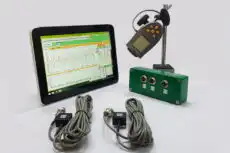
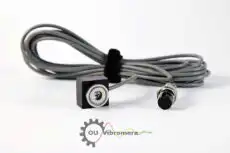
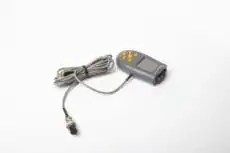
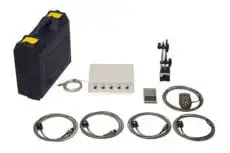
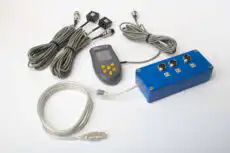
বৈদ্যুতিক স্বাক্ষর থেকে যান্ত্রিক স্বাক্ষর আলাদা করা প্রশস্ততা, কম্পাঙ্ক এবং এর পরিষ্কার পরিমাপ দিয়ে শুরু হয় ফেজ যন্ত্রে। একটি পোর্টেবল দ্বি-চ্যানেল যন্ত্র যেমন Balanset-1A FFT বর্ণালী এবং সিঙ্ক্রোনাস রেফারেন্স ক্যাপচার করে যা এই উপাদানগুলি চলমান গতি এবং এর হারমোনিক্সের বিপরীতে সুনির্দিষ্টভাবে স্থাপন করতে প্রয়োজন, যা নিশ্চিত করতে সাহায্য করে যে ১০০ বা ১২০ হার্জের কাছাকাছি একটি শিখর বৈদ্যুতিক বা কেবল একটি কাঠামোগত প্রতিক্রিয়া। এবং একবার বৈদ্যুতিক কারণ বাদ দেওয়া হয় এবং অবশিষ্ট অসাম্য ১× কম্পন চালিকা শক্তি হিসাবে চিহ্নিত করা হয়, একই যন্ত্র ফিল্ড ব্যালেন্সিং সম্পাদন করে যা এটি সংশোধন করে — লাইন-ফ্রিকোয়েন্সি জ্ঞান সরাসরি দোকানের মেঝেতে কার্যকর করে তোলে।
বৈদ্যুতিক কম্পাঙ্ক এসি মোটর কীভাবে চলে এবং কীভাবে ব্যর্থ হয় তা বোঝার জন্য মৌলিক। লাইন-ফ্রিকোয়েন্সি উপাদানগুলি — বিশেষ করে ২×f — একটি কম্পনের বর্ণালীতে স্বীকৃতি দেওয়া এবং তাদের পিছনের বৈদ্যুতিক চৌম্বক ঘটনা জানা, একজন বিশ্লেষককে যান্ত্রিক এবং বৈদ্যুতিক ত্রুটির মধ্যে গুরুত্বপূর্ণ লাইন আঁকতে এবং সঠিক ডায়াগনস্টিক এবং সংশোধনমূলক পদক্ষেপের দিকে পরিচালিত করতে দেয়।

