কম্পন পরিমাপে টেলিমেট্রি বোঝা
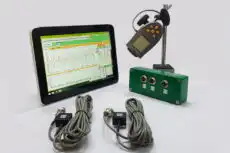
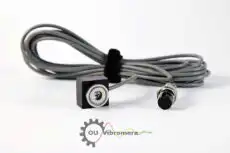
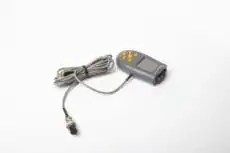
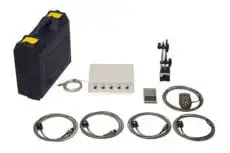

টেলিমেট্রি দূরবর্তী বা অন্যথায় অ্যাক্সেসযোগ্য স্থান থেকে — বিশেষত ঘূর্ণমান উপাদান থেকে — পরিমাপ ডেটা স্থির রেকর্ডিং এবং বিশ্লেষণ সরঞ্জামে সংক্রমণের প্রযুক্তি। ঘূর্ণমান যন্ত্রপাতিতে, টেলিমেট্রি শাফট, রোটার এবং ব্লেডে পরিমাপ করা সম্ভব করে যেখানে সরাসরি তারযুক্ত সংযোগ অসম্ভব কারণ অংশটি ঘূর্ণায়মান। একটি সম্পূর্ণ সিস্টেম ঘূর্ণমান অংশে সেন্সর, সংকেত কন্ডিশনিং এবং ট্রান্সমিশনের জন্য ঘূর্ণায়মান ইলেকট্রনিক্স, একটি ঘূর্ণায়মান শক্তি সরবরাহ এবং সংক্রমিত ডেটা ক্যাপচার করার জন্য একটি স্থির রিসিভার নিয়ে গঠিত। এটি শাফট স্ট্রেন পরিমাপের মতো বিশেষায়িত পরিমাপের জন্য সক্ষমকারী প্রযুক্তি (টর্শনাল স্ট্রেস), ব্লেড ভাইব্রেশন স্ট্রেইন গেজ এবং রোটর তাপমাত্রার মাধ্যমে — যেকোনো পরামিতি যা একটি চলমান উপাদানে মাউন্ট করা সেন্সিং উপাদান দাবি করে। টেলিমেট্রি জটিল এবং ব্যয়বহুল, কিন্তু এটি পরিমাপের ক্ষমতা প্রদান করে যা কোনো স্থির সেন্সর ম্যাচ করতে পারে না।
১. টেলিমেট্রি সিস্টেমের প্রকার
চারটি পরিবার সিস্টেম প্রভাবিত করে, ঘূর্ণায়মান এবং স্থির ফ্রেমের মধ্যে সংকেত কীভাবে অতিক্রম করে তা দ্বারা আলাদা করা হয়।
স্লিপ রিং টেলিমেট্রি
সবচেয়ে পুরানো এবং সবচেয়ে নির্ভরযোগ্য পদ্ধতি।
- নীতি: ঘূর্ণায়মান রিং সেন্সরের সাথে তারযুক্ত, এবং স্থির ব্রাশগুলি সংকেত নিয়ে যায়।
- চ্যানেল: অনেক চ্যানেল ব্যবহারিক, সাধারণত ৪–৬৪।
- ব্যান্ডউইথ: DC থেকে MHz — চমৎকার।
- নির্ভরযোগ্যতা: প্রমাণিত, সুপরিচিত প্রযুক্তি।
- সীমাবদ্ধতা: ব্রাশগুলি ঘষে, যোগাযোগ শব্দ উৎপন্ন করে এবং গতি সীমাবদ্ধ।
- প্রয়োগক্ষেত্র: গবেষণা, উন্নয়ন পরীক্ষা এবং কিছু উৎপাদন পর্যবেক্ষণ।
FM/AM রেডিও টেলিমেট্রি
- নীতি: একটি ঘূর্ণায়মান ট্রান্সমিটার FM- বা AM-মডুলেটেড সংকেত সম্প্রচার করে।
- চ্যানেল: সাধারণত ১–১৬।
- ব্যান্ডউইথ: প্রতি চ্যানেল DC থেকে ১০০ kHz।
- সুবিধা: কোনো যোগাযোগ নেই এবং কোনো পরিধান নেই।
- সীমাবদ্ধতা: উচ্চ শক্তি খরচকারী, চ্যানেল সংখ্যায় সীমিত এবং হস্তক্ষেপের প্রবণ।
ডিজিটাল ওয়্যারলেস টেলিমেট্রি (আধুনিক)
- নীতি: Wi-Fi, Bluetooth বা মালিকানা প্রোটোকলের উপর ডিজিটাল এনকোডিং।
- চ্যানেল: অনেক, একটি লিংকে মাল্টিপ্লেক্স করা।
- ব্যান্ডউইথ: ডেটা হারের দ্বারা নির্ধারিত।
- সুবিধা: নমনীয় এবং শক্তিশালী, ত্রুটি সংশোধনসহ, এবং সমতুল্য কর্মক্ষমতার জন্য অ্যানালগ FM এর চেয়ে কম শক্তি।
- প্রবণতা: নতুন সিস্টেমের জন্য মান হয়ে উঠছে, যা আরও বিস্তৃত অগ্রসরের সাথে ঘনিষ্ঠভাবে সম্পর্কিত ওয়্যারলেস অবস্থা পর্যবেক্ষণ.
অপটিক্যাল টেলিমেট্রি
- ডেটা মড্যুলেটেড আলো, অবলোহিত বা দৃশ্যমান উপর সংক্রমণ করা হয়।
- উচ্চ ব্যান্ডউইথ অর্জনযোগ্য, এবং লিংক RF হস্তক্ষেপ প্রতিরোধী।
- স্পষ্ট দৃষ্টিভঙ্গির লাইন প্রয়োজন, তাই এটি বিশেষায়িত ইনস্টলেশনের জন্য উপযুক্ত।
২. প্রয়োগ
টেলিমেট্রি জটিলতা অর্জন করে যেখানে আগ্রহের প্যারামিটার রোটর নিজেই থাকে।
মোড় কম্পন পরিমাপ
- শ্যাফটে বন্ধনী স্ট্রেন গেজ সরাসরি শিয়ার স্ট্রেস পরিমাপ করে।
- এই পরিমাপ টেলিমেট্রি ছাড়া অসম্ভব।
- এটি শক্তিশালী মোড় উত্তেজনা সহ ইঞ্জিন-চালিত সরঞ্জামের জন্য গুরুত্বপূর্ণ।
- এটি একটির ভবিষ্যদ্বাণী যাচাই করে টর্শনাল বিশ্লেষণ মডেল।
ব্লেড চাপ পরিমাপ
- টার্বাইন বা কম্প্রেসর ব্লেডের স্ট্রেন গেজ প্রকৃত অপারেটিং স্ট্রেস ক্যাপচার করে।
- এটি উন্নয়ন পরীক্ষা এবং সমস্যা সমাধানে ব্যবহৃত হয়, বিশেষ করে ব্লেড রেজোন্যান্স.
- এটি নন-কন্ট্যাক্টিং যাচাই করে ব্লেড টিপ টাইমিং পরিমাপ এবং একটির পূর্বাভাসের পরিপূরক টার্বাইন ব্লেডের প্রাকৃতিক কম্পন ফ্রিকোয়েন্সি গবেষণা।
রোটর তাপমাত্রা
- রোটর ওয়াইন্ডিং বা উপাদানের থার্মোকাপল তাপীয় অবস্থা পর্যবেক্ষণ করে।
- তারা অতিরিক্ত উষ্ণতা সনাক্ত করে এবং কুলিং সিস্টেমের কার্যকারিতা নিশ্চিত করে।
শ্যাফট কম্পন
- শ্যাফটের উপর সরাসরি মাউন্ট করা অ্যাক্সিলারোমিটার সত্যিকারের রোটর ল্যাটারাল এবং অক্ষীয় বেয়ারিং-হাউজিং গতির পরিবর্তে কম্পন ক্যাপচার করে।
- এটি গবেষণা এবং বিশেষ সমস্যা সমাধানের জন্য সংরক্ষিত, এবং রোটর আচরণ প্রকাশ করতে পারে — যেমন একটি উন্নয়নশীল শ্যাফট ক্র্যাক — যা কেসিং সেন্সর মিস করে।
৩. বিদ্যুৎ সরবরাহ পদ্ধতি
পাওয়ার সংগ্রহ করা এর উপর রোটর ডেটা পাওয়ার মতোই চ্যালেঞ্জ বন্ধ এটি এবং চারটি পদ্ধতি সাধারণ।
- ব্যাটারি: প্রাথমিক সেল (১–৫ বছর সাধারণ) অথবা পুনরায় চার্জযোগ্য প্যাক — সবচেয়ে সহজ বিকল্প, কিন্তু সীমিত জীবন এবং রক্ষণাবেক্ষণ বাধামুক্ত সঙ্গে প্রতিস্থাপন।
- স্লিপ রিং পাওয়ার: স্লিপ রিং এর মাধ্যমে বিদ্যুৎ স্থানান্তর অসীম রানিং সময়ের জন্য, একটি স্লিপ-রিং সমাবেশের খরচে; স্লিপ-রিং ডেটা টেলিমেট্রি পাশাপাশি সাধারণ।
- ইন্ডাক্টিভ কাপলিং: একটি বায়ু ফাঁক জুড়ে ওয়্যারলেস শক্তি স্থানান্তর, একটি স্থির কুণ্ডলীর কাছ থেকে শক্তি গ্রহণকারী একটি ঘূর্ণায়মান কুণ্ডলী কোনো যোগাযোগ বা পরিধান ছাড়াই, যদিও মোটামুটি ১০ ওয়ের অধীন সীমিত।
- শক্তি সংগ্রহণ: কম্পন শক্তি পুনরুদ্ধার (পাইজোইলেকট্রিক) বা তাপীয় গ্রেডিয়েন্ট ব্যবহার করা (থার্মোইলেকট্রিক) ব্যাটারি সম্পূরক বা প্রতিস্থাপন এবং স্বায়ত্তশাসিত অপারেশন সক্ষম করার জন্য।
৪. চ্যালেঞ্জসমূহ
আবর্তনশীল পরিবেশ ইলেকট্রনিক্সের জন্য প্রতিকূল, এবং দ্বি-কাঠামো স্থাপত্য নিজস্ব অসুবিধা যোগ করে।
- আবর্তনশীল পরিবেশ: কেন্দ্রবিমুখ বল ইলেকট্রনিক্সে কাজ করে, তাপমাত্রা চক্র, উপাদানগুলির নিজস্ব কম্পন এবং তেল কুয়াশা বা অন্যান্য দূষণের পাশাপাশি।
- সিস্টেমের জটিলতা: আবর্তনশীল এবং স্থির অংশগুলি সমন্বয় করা সমকালীনতা, সময় এবং ক্যালিব্রেশন চ্যালেঞ্জ নিয়ে আসে এবং স্থির সেন্সিংয়ের চেয়ে উচ্চতর খরচ।
- রক্ষণাবেক্ষণ: ব্যাটারি প্রতিস্থাপন করতে হবে এবং সেন্সর বা ইলেকট্রনিক্স ব্যর্থ হতে পারে; অ্যাক্সেস সাধারণত মেশিন বন্ধ করার প্রয়োজন, তাই অপ্টিমাল মডিউল হাতে রাখা হয়।
৫. আধুনিক উন্নয়ন
বেশ কয়েকটি প্রবণতা ক্রমাগত টেলিমেট্রির খরচ হ্রাস এবং পৌঁছানো প্রসারিত করছে।
- MEMS এবং ক্ষুদ্রকরণ: ছোট, হালকা ইলেকট্রনিক্স যা কম শক্তি আঁকে এবং শক বিদ্যুৎ এবং কম্পন ভালভাবে সেঁচে, নতুন অ্যাপ্লিকেশন খোলে।
- আবর্তনশীল ডিজিটাল সিগন্যাল প্রক্রিয়াকরণ: আবর্তনশীল প্ল্যাটফর্মে ডেটা প্রক্রিয়া করা এবং শুধুমাত্র ফলাফল প্রেরণ করা — একটি FFT স্পেকট্রাম কাঁচা তরঙ্গরূপের পরিবর্তে — যা ব্যান্ডউইথ এবং শক্তি চাহিদা উভয়ই হ্রাস করে।
- মানকীকরণ: WirelessHART এবং ISA100 এর মতো শিল্প বেতার মান আন্তঃকার্যকারিতা উন্নত করছে এবং স্কেলের সাথে খরচ হ্রাস করছে।
টেলিমেট্রিকে দৃষ্টিভঙ্গিতে রাখা মূল্যবান। রুটিন কাজের বিশাল সংখ্যাগরিষ্ঠের জন্য — ভারসাম্য, বিয়ারিং ডায়াগনস্টিক্স, অবস্থা পর্যবেক্ষণ — বিয়ারিং হাউজিংয়ে মাউন্ট করা স্থির সেন্সর সম্পূর্ণরূপে যথেষ্ট, এবং একটি বহনযোগ্য দ্বি-চ্যানেল বিশ্লেষক যেমন Balanset-1A অপারেটিং গতিতে প্রশস্ততা এবং পর্যায় পরিমাপ করে কোনো আবর্তনশীল যন্ত্রবিদ্যা ছাড়াই। টেলিমেট্রি নিজের নিয়মে আসে শুধুমাত্র যখন প্যারামিটার সত্যিই স্থির ফ্রেম থেকে পৌঁছানো যায় না — শাফট টর্সনাল চাপ, ব্লেড স্ট্রেন, বা রটর তাপমাত্রা — যা ঠিক যেই কুলুঙ্গি এটি টারবোমেশিনারি উন্নয়ন, টর্সনাল অধ্যয়ন এবং উন্নত পূরণ করে রোটর-ডায়নামিক্স বৈশিষ্ট্যকরণ। স্থায়ী পরিপূরক হিসাবে অনলাইন পর্যবেক্ষণ, এটি পরিমাপ সেট বাকি সরঞ্জাম কেবল পৌঁছাতে পারে না জায়গায় প্রসারিত।

