রোটর ব্যালেন্সিংয়ে টেস্ট রান বোঝা
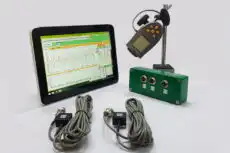
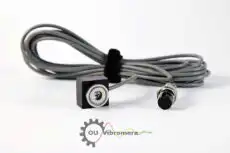
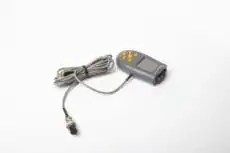
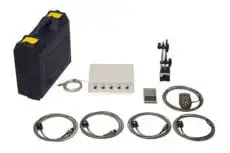

A টেস্ট রান (ট্রায়াল রান নামেও পরিচিত) হল একটি মেশিনের নির্দিষ্ট ব্যালেন্সিং গতিতে একটি নিয়ন্ত্রিত অপারেশন যার উদ্দেশ্য হল সংগ্রহ করা ভাইব্রেশন ডেটা এর সময় ব্যালেন্সিং পদ্ধতি। প্রসঙ্গে প্রভাব সহগ পদ্ধতি, একটি টেস্ট রান বিশেষভাবে মেশিনটি চালানোর উল্লেখ করে একটির পরে ট্রায়াল ওয়েট সংযুক্ত করা হয়েছে, যাতে সিস্টেমটি একটি পরিচিত অপ্রত্যাশিতির পরিবর্তনে কীভাবে সাড়া দেয় তা পরিমাপ করা যায়।
টেস্ট রান হল ফিল্ড ব্যালেন্সিং এর অভিজ্ঞতামূলক হৃদয়। তারা রোটরের কোনো তাত্ত্বিক মডেল ছাড়াই নির্ভুল সংশোধন ওজন গণনা করার জন্য প্রয়োজনীয় বাস্তব-বিশ্ব পরিমাপ সরবরাহ করে — মেশিনটি কার্যকরভাবে নিজেকে এক সময়ে একটি চালনা করে।
১. টেস্ট রান কেন প্রয়োজনীয়
প্রতিটি চালনা ব্যালেন্সিং কর্মপ্রবাহে একযোগে বিভিন্ন কাজ করে:
- তথ্য সংগ্রহ: প্রতিটি চালনা মেশিনের কম্পন অবস্থার একটি স্ন্যাপশট, উভয়ই ক্যাপচার করে অ্যামপ্লিটিউড এবং ফেজ পরিমাপ পয়েন্টে।
- সিস্টেম বৈশিষ্ট্যায়ন: প্রাথমিক চালনার সাথে ট্রায়াল-ওজন চালনার তুলনা প্রকাশ করে কিভাবে রোটর একটি পরিচিত অপ্রত্যাশিতার প্রতিক্রিয়া জানায় — প্রভাব-সহগ গণনার ভিত্তি।
- যাচাইকরণ: চূড়ান্ত চালনা, সংশোধন ওজন ফিট করার পরে, নিশ্চিত করে যে পদ্ধতিটি কাজ করেছে এবং কম্পন এখন গ্রহণযোগ্য সীমার মধ্যে রয়েছে।
- নিরাপত্তা যাচাইকরণ: প্রতিটি চালনা প্রযুক্তিবিদকে নিশ্চিত করতে দেয় যে মেশিনটি নিরাপদে চলছে এবং কম্পন সীমানার মধ্যে রয়েছে, পরবর্তী পদক্ষেপে যাওয়ার আগে।
২. একটি ব্যালেন্সিং পদ্ধতিতে চালনা
একটি সাধারণ একক-সমতল ব্যালান্সিং কাজে কমপক্ষে তিনটি স্বতন্ত্র চালনা জড়িত।
প্রাথমিক চালনা (বেসলাইন চালনা)
প্রথম চালনা, অপ্রত্যাশিত অবস্থায় অপ্রত্যাশিত মেশিনে। প্রযুক্তিবিদ প্রাথমিক কম্পন ভেক্টর রেকর্ড করে — বিস্তার (সাধারণত mm/s বা mils-এ) এবং পর্যায় কোণ (ডিগ্রিতে, একটি রেফারেন্স মার্কের সাপেক্ষে) উভয়ই। এই ভেক্টর মূল স্বাক্ষর অসাম্য এবং এটি বেসলাইন যার বিপরীতে অন্য সবকিছু মূল্যায়ন করা হয়।
ট্রায়াল ওজন চালনা
পরিচিত ওজনের একটি ট্রায়াল ওজন একটি নির্বাচিত কোণীয় অবস্থানে সংযুক্ত করার পরে, মেশিনটি একই গতিতে এবং একই শর্তে আবার চালিত হয়। নতুন কম্পন ভেক্টর পরিমাপ এবং রেকর্ড করা হয়। প্রাথমিক চালনা এবং এই চালনার মধ্যে ভেক্টর পার্থক্য প্রকাশ করে প্রভাব সহগ — সেই অবস্থানে অসন্তুলনের প্রতি একক কতটা কম্পন উৎপন্ন হয় এবং কোণে।
যাচাইকরণ চালনা (চূড়ান্ত চালনা)
একবার গণনা করা হলে সংশোধন ভার স্থায়ীভাবে ইনস্টল করা হয়, একটি চূড়ান্ত চালনা যাচাই করে যে কম্পন একটি গ্রহণযোগ্য স্তরে নেমে এসেছে। যদি অবশিষ্ট এখনও খুব বেশি হয়, তবে একটি আরও ট্রিম-ব্যালান্স পুনরাবৃত্তি শেষটি দূর করার জন্য প্রয়োজন হতে পারে।
বহু-সমতল সন্তুলনের জন্য অতিরিক্ত চালনা
জন্য দুই-প্লেন বা বহু-সমতল সন্তুলনের জন্য, অতিরিক্ত ট্রায়াল ওজন চালনা প্রয়োজন — প্রতিটির জন্য একটি সংশোধন সমতল প্রভাব গুণাঙ্কগুলি (সমতলগুলির মধ্যে ক্রস-প্রভাব সহ) যা রোটরের গতিশীল আচরণ বর্ণনা করে।
3. একটি পরীক্ষার চালনার সময় সংগৃহীত ডেটা
প্রতিটি চালনা নিম্নলিখিতগুলি পদ্ধতিগতভাবে সংগ্রহ করে, কম্পন বিশ্লেষণ যন্ত্রপাতি:
- কম্পন প্রশস্ততা: প্রতিটি পরিমাপ বিন্দুতে মাত্রা, সাধারণত বেগে (mm/s বা in/s) বা স্থানচ্যুতিতে (মাইক্রন বা মিল)।
- ফেজ কোণ: কম্পন সংকেত এবং একবার-প্রতি-বিপ্লব রেফারেন্স নাড়ির মধ্যে সময়ের সম্পর্ক টাকোমিটার বা কিফেজর পর্যায় হল যা সংশোধন ওজনের কোণীয় অবস্থান নির্ধারণ করে, তাই একটি পরিষ্কার রেফারেন্স নাড়ি অপরিহার্য।
- আবর্তনশীল গতি: নিশ্চিত করা হয়েছে যাতে প্রতিটি চালনা সামঞ্জস্যের জন্য একই গতিতে সম্পাদিত হয়।
- অপারেটিং শর্তাবলী: তাপমাত্রা, লোড এবং অন্যান্য পরামিতি, চালনাগুলি তুলনীয় তা নিশ্চিত করার জন্য নোট করা হয়েছে।
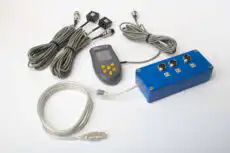
প্রশস্ততা-এবং-দশা ভেক্টর হল ঠিক সেই রাশি যা একটি পোর্টেবল দ্বি-চ্যানেল যন্ত্র ক্যাপচার করার জন্য নির্মিত। দ্য Balanset-1A, উদাহরণস্বরূপ, প্রতিটি রান-এ 1× প্রশস্ততা এবং দশা রেকর্ড করে, রান-গুলির মধ্যে ভেক্টর পার্থক্য স্বয়ংক্রিয়ভাবে গ্রহণ করে, এবং প্রতিটি সমতলের জন্য সংশোধন ভর এবং কোণ পরিকলনা করে — তিন রানের কাঁচামাল সরাসরি সেই ভরে রূপান্তরিত করে যা একজন প্রযুক্তিবিদ রোটরে সজ্জিত করে, তারপর যাচাইকরণে নিশ্চিত করে অবশিষ্ট ভারসাম্যহীনতা যাচাইকরণ রানে।
৪. সুরক্ষা বিবেচনা
পরীক্ষামূলক রান-গুলির সময় সুরক্ষা সর্বোচ্চ অগ্রাধিকার, বিশেষত ঘূর্ণায়মান একটি পরীক্ষামূলক ভর সহ:
- নিরাপদ ভর সংযুক্তি: পরীক্ষামূলক ভর ঘূর্ণনের সময় বিচ্ছিন্ন হতে পারে না তা যাচাই করুন। দ্রুততর, ক্ল্যাম্প, বা চুম্বক ব্যবহার করুন যা রেট করা হয়েছে কেন্দ্রাবর্তী বল জড়িত — এই শক্তিগুলি গতির বর্গের সাথে বৃদ্ধি পায় এবং বিশাল হতে পারে।
- কম্পন পর্যবেক্ষণ: রান জুড়ে কম্পন ক্রমাগত দেখুন; যদি এটি নিরাপদ সীমা অতিক্রম করে, অবিলম্বে বন্ধ করুন।
- কর্মীদের সুরক্ষা: রান চলাকালীন ঘূর্ণায়মান যন্ত্রপাতি থেকে সবাইকে দূরে রাখুন।
- সুরক্ষামূলক বাধা: প্রয়োজন হলে, উচ্চ কম্পনের অধীনে ছুড়ে ফেলা হতে পারে এমন কোনো উপাদান ধারণ করার জন্য গার্ড সজ্জিত করুন।
- জরুরি থামা: জরুরি-স্টপ নিয়ন্ত্রণ হাতের নাগালের মধ্যে রাখুন এবং নিশ্চিত করুন যে সবাই জানে এটি কোথায় আছে।
- ধীরে ধীরে ত্বরণ: মেশিনটি ক্রমান্বয়ে সন্তুলনের গতিতে আনুন, রান-আপ জুড়ে কম্পন দেখুন যাতে কোনো বিসঙ্গতি — একটি সহ ক্রিটিক্যাল স্পিড — তাড়াতাড়ি ধরা পড়ে।
৫. সামঞ্জস্যপূর্ণ ফলাফলের জন্য সেরা অনুশীলন
নির্ভুল, পুনরাবৃত্তিযোগ্য রান শৃঙ্খলাবদ্ধ কৌশলের উপর নির্ভর করে:
- সামঞ্জস্যপূর্ণ পরিচালনা অবস্থা: প্রতিটি পরীক্ষা ঠিক একই গতি, তাপমাত্রা এবং লোডে চালান। এমনকি ছোট বৈচিত্র্যও ভেক্টর তুলনায় ত্রুটি প্রবর্তন করে।
- তাপীয় স্থিতিশীলকরণ: ডেটা সংগ্রহের আগে মেশিনকে তাপীয় সাম্যাবস্থায় পৌঁছাতে দিন, কারণ বিয়ারিং এবং রোটর উষ্ণ হওয়ার সাথে এবং রোটরের আকৃতি স্থির হওয়ার সাথে সাথে কম্পন লক্ষণীয়ভাবে পরিবর্তিত হতে পারে।
- একাধিক পরিমাপ: প্রতিটি চালনে একাধিক পড়া নিন এবং র্যান্ডম শব্দ এবং ক্ষণস্থায়ী বিঘ্ন দমন করতে সেগুলি গড় করুন।
- সবকিছু নথিভুক্ত করুন: প্রতিটি চালনার জন্য ওজনের পরিমাণ, কৌণিক অবস্থান, সেন্সর অবস্থান এবং পরিবেশগত শর্ত রেকর্ড করুন। যদি সেই রেকর্ডটি সমস্যা সমাধান পরবর্তীতে প্রয়োজন হয়, এবং ভারসাম্য রক্ষার ভিত্তি গঠন করে নির্ণয়ক প্রতিবেদন.
৬. যখন চালনা একমত না হয়: ফলাফল পড়া
একটি শৃঙ্খলাবদ্ধ চালন ক্রম শুধুমাত্র একটি ওজন উৎপাদন করে না — এটি সমস্যাও উন্মোচন করে। যদি ট্রায়াল-ওজন চালন কম্পন ভেক্টরকে অর্ধেক পরিবর্তন করে, তবে ট্রায়াল ওজন সম্ভবত খুব ছোট ছিল, বা প্রতিক্রিয়া অসন্তুলন ছাড়া অন্য কিছু দ্বারা মুখোশ হচ্ছে। যদি পুনরাবৃত্তি যাচাইকরণ চালন একত্রিত হতে অস্বীকার করে, তবে কারণ প্রায়শই অরৈখিক সিস্টেম আচরণ, একটি সফট ফুট, আলগাপন, বা একটি রেজোন্যান্স চলমান গতির কাছাকাছি একটি ভারসাম্য ত্রুটির পরিবর্তে। চালনগুলি জুড়ে বিস্তার এবং পর্যায় তুলনা করা — আদর্শভাবে একটিতে প্লট করা পোলার প্লট — একটি সত্যিকারের অসন্তুলন থেকে একটি ছদ্মবেশী ত্রুটি বলার দ্রুততম উপায়।
পরীক্ষা চালনে একটি শৃঙ্খলাবদ্ধ পদ্ধতি অনুসরণ করে, ভারসাম্য প্রযুক্তিবিদরা অত্যন্ত সঠিক ফলাফল অর্জন করেন এবং একটি মেশিনকে গ্রহণযোগ্য ভারসাম্যে আনতে প্রয়োজনীয় পুনরাবৃত্তির সংখ্যা কমিয়ে আনেন — শাফ্ট ঘন্টা এবং প্রতিটি অতিরিক্ত চালনার সাথে আসা ঝুঁকি উভয়ই সাশ্রয় করেন।