Razumijevanje Aliasinga u Analizi Vibracija
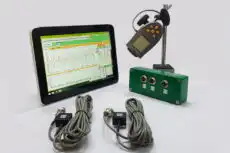


Aliasing je greška u obradi signala koja može narušiti digitalnu analizu podataka vibracija. Javlja se kada se signal uzorkuje brzinom premalom da uhvati njegove komponente sa najvećom frekvencijom, tako da se te visoke frekvencije “savijaju” i pretvaraju u niže frekvencije u rezultirajućem FFT spektru. Rezultat su lažni vrhovi koji nikada nisu postojali u stvarnoj mašini — vrhovi koji mogu dovesti do ozbiljne pogrešne dijagnoze. Razumijevanje aliasinga i zaštite koja ga sprečava je fundamentalno za vjeru u bilo koju digitalnu spektar vibracija.
1. Definicija: Šta je Aliasing?
Kada analizator digitalizira signal vibracija, ne bilježi kontinuiranu krivulju; bilježi niz diskretnih uzoraka — snimke snimljene u fiksnom vremenskom intervalu. Ako su ti uzorci razmaknuti previše daleko u odnosu na brzinu promjene signala, analizator doslovno ne može razlikovati brzi val od sporog. Nekoliko točaka koje on hvata od komponente sa visokom frekvencijom mogu biti spojene u savršeno vjerovatni sinusni val male frekvencije. Ta fantomna niska frekvencija je alias, i kada se pojavi u spektar neće se razlikovati od pravu vibraciju na toj frekvenciji.
2. Nyquistov Teorem i Brzina Uzorkovanja
Da razumijete aliasing, prvo morate razumjeti Nyquistov teorem (Nyquist–Shannonov teorem uzorkovanja). Ovaj fundamentalni princip digitalne obrade signala navodi:
Da bi se analogni signal točno predstavio u digitalnom obliku, frekvencija uzorkovanja (Fs) mora biti najmanje dvostruka od najveće komponente frekvencije (Fmax) prisutne u signalu.
Ova minimalna brzina uzorkovanja (2 × Fmax) se naziva Nyquistova frekvencija. Okrenuto, najviša frekvencija koju data brzina uzorkovanja može točno mjeriti je polovica od nje: Fmax = Fs / 2. Taj gornji limit je Nyquistova frekvencija. Bilo koja stvarna frekvencija iznad Nyquist frekvencije ne može biti reprezentirana korektno i umjesto toga će biti reflektirana ispod nje. U praksi odabrana Fmax također postavlja rezoluciju analize zajedno s brojem FFT linija — odnos koji možete istražiti s Kalkulator rezolucije FFT pri planiranju mjerenja.
3. Kako se javlja aliasing?
Zamislite vibration sa visokom frekvencijom koja se mjeri digitalnim analizatorom koji uzima diskretne uzorke na fiksnoj brzini:
- Ako je brzina uzorkovanja dovoljno visoka — daleko iznad Nyquist brzine — analizator prikuplja dovoljno točaka po ciklusu da tačno rekonstruira valni oblik.
- Ako je brzina uzorkovanja premala, analizator propušta ono što se dešava između uzoraka. Nekoliko točaka koje prikupi povezuju se u potpuno drugačiji sinusni val nižu frekvenciju. Taj lažni nski niskofrekventni je alias.
Konkretan primjer: pretpostavimo da signal sadrži stvarnu 900 Hz komponentu ali analizator’s Fmax je postavljena na 500 Hz, što odgovara brzini uzorkovanja od 1000 Hz. Sadržaj od 900 Hz leži iznad Nyquist frekvencije od 500 Hz i ne može biti mjerena korektno. Aliasira se i ponovno se pojavljuje na Fs − 900 = 1000 − 900 = 100 Hz. Analitičar koji skenira spektar bi lako mogao pomiješati taj pik od 100 Hz sa 1× brzina vrtnje vibration, ili za stvarnu grešku, i janjati nepostojeću grešku. Štoviše, visokofrekvencijski uzročnici — udarci u ležajima, energija prijenosa zupčanika, električni šum — često su upravo oni signali koje analizator najčešće želi pouzdati.
4. Sprječavanje aliasinga: filter protiv aliasingaa
Nemoguće je unaprijed znati sav visokofrekvencijski sadržaj koji signal može nositi — ultrazvučni šum, oštrih udarci, radio-frekvencijska interferencija i električna smetnja sve mogu proniknuti. Samo nadam se da je brzina uzorkovanja dovoljno visoka nije dakle sigurna strategija.
Rješenje koje se koristi u svakom modernom digitalnom analizatoru vibration je filter protiv aliasinga: strmi niskopropusni filtar postavljen u signal putanju prije pretvarač analogno-digitalno (ADC). Radi na sljedeći način:
- Korisnik postavlja željenu maksimalnu frekvenciju, Fmax, za analizu.
- Na osnovu tog Fmax, analizator automatski postavlja graničnu frekvenciju antialias filtera malo iznad Fmax.
- Analogni senzor signal prolazi kroz filter koji uklanja ili snažno prigušuje sve iznad granične frekvencije.
- Samo filtrirani, čist signal dostiže ADC za uzorkovanje.
Pošto filter uklanja visokofrekvencijske komponente koju odabrana brzina uzorkovanja ne može obraditi prije uzorkovanje se obavlja, čini aliasing fizički nemogućim. Pravi filter ne može imati beskonačno oštar odrez, pa se granična frekvencija postavlja malo ispod Nyquistove frekvencije kako bi se ostavio zaštitni pojas. Antialias filter je jedan od najkritičnijih elemenata svakog analizatora, osiguravajući da je rezultirajući FFT istinita i vjerna slika vibracija mašine u odabranom rasponu. Imajte na umu da ovo filtriranje mora biti analognO i mora prethoditi digitalizaciji — primjena digitalnog filtriranja nakon ADC ne može poništiti alias, jer je do tada lažna frekvencija već zaključana u podacima.
5. Praktične implikacije za analizatora
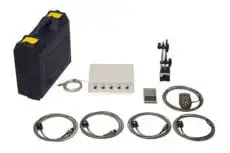
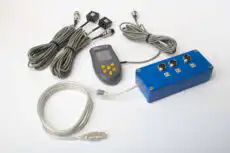
Za inženjera na terenu, lekcija je poštovati postavke frekvencije instrumenta. Odabir Fmax prenizak da bi zadržao dobru rezolucija na vrhovima nižeg reda može sakriti važne visokofrekvencijske informacije; antialias filter će vas zaštititi od lažnih vrhova, ali ne može vam prikazati energiju koju ste filtrirali. Pouzdani instrumenti to obrađuju automatski — prenosivi analizator kao što je Balanset-1A primjenjuje antialias u hardveru ispred svog ADC, tako da spektri koje predstavlja za dijagnostiku i 1× amplitudu-i-fazu koju koristi za balansiranje su slobodni od aliasnih artefakata u cijelom rasponu rada. Praktični zaključci: postavite Fmax dovoljno visoko da pokrije najvišu frekvenciju kvara koju vam je bitna, vjerujte da će pravilno dizajnirani analizator biti bez aliasa, i tretirajte svaki neobjašnjeni niskofrekventni vrh sa zdravom skeptičnošću dok ne isključite druge uzroke.

