Razumijevanje Backlash-a u Zupčanicima i Spojkama


Zazor (poznat i kao lash ili play) je zranost ili procjep između uparenih komponenti u mehaničkim pogonima — najčešće tangencijalna zranost između zubi uključenih zupčanika kada se jedan zupčanik drži fiksno a drugi se ljulja naprijed i natrag. To je količina “izgubljenog gibanja” ili slobodne labavosti u sustavu: udaljenost koju pogonski zupčanik može zakrenuti prije nego što se uključi s gonjenim zupčanikom u suprotnom smjeru. Mala, namjerna količina backlash-a bitna je za zdrav rad zupčanika, ali kada raste kroz trošenje postaje izvor udarnog opterećenja, buke, greške pozicioniranja i vibracija.
1. Definicija: Što je Backlash?
U paru zupčanika, backlash je najpreciznije definiran kao procjep izmjeren duž linije djelovanja — ili ekvivalentno tangencijalna labavost na liniji koraka — što omogućava jednom zubu da se malo pomakne unutar prostora zuba uparenog zupčanika prije nego što se kontakt uspostavi. Drži jedan zupčanik fiksno i ljuljaj drugi, a kut koji se slobodno putuje prije nego što se bočne površine dodirnu izravan je izraz prisutnog backlash-a.
Ista ideja se proširuje i dalje od zubčanika. Spojnice, žljebovi, vijačni vretena, zubčasto-polutarna veza i bilo koja nazubljena ili klinasta veza nosi neko klacanje. Ključna točka je da je neko klacanje potrebno i namjerno: omogućuje prostor da se film maziva formira, prilagođava se toplinskoj ekspanziji zuba, apsorbiruje tolerancije proizvodnje i sprječava zaglavljivanje zuba pod opterećenjem. Klacanje postaje nedostatak samo kada naraste izvan svoje projektne vrijednosti — u kojem trenutku se ponaša kao lokalizirani oblik mehanička labavost unutar zupčanog sklopa.
2. Svrha i tipične vrijednosti
Zašto je klacanje projektirano
- Prostor za mazivanje: omogućuje film ulja da se formira između opterećenih i neopterećenih bočnih stranica zuba.
- Toplinska ekspanzija: prilagođava se izduženju zuba dok se zupčanik zagriava na radnu temperaturu.
- Tolerancije proizvodnje: omogućuje paranju dva zupčanika uprkos malim varijacijama u debljini i razmaku zuba.
- Sprječava zaglavljivanje: osigurava da se zubi nikada ne zapnu pod opterećenjem ili toplinskom ekspanzijom, što bi dovelo do skoka trenja i topline.
Tipične vrijednosti klacanja
- Precizni zubčanici: 0,05–0,15 mm (0,002–0,006 in).
- Industrijski zupčanici: 0,2–0,8 mm (0,008–0,030 in).
- Teška mehanizacija: 1,0–3,0 mm (0,040–0,120 in).
- Praktično pravilo: otprilike 0,04–0,08% od razmaka između centra za opće industrijske zupčanike.
Ovo su početne tačke, ne apsolutne vrijednosti — ispravna vrijednost ovisi o modulu, klasi točnosti, materijalu i opterećenju. Pri projektiranju ili provjeri novog para vrijedi potvrditi geometriju zuba prema standardu točnosti; kalkulator čelnog zupčanika i odgovarajući klasa točnosti zupčanika olakšavaju povezivanje razmaka između centra i tolerancije s razumnom granicom zazora.
3. Metode mjerenja
Izravno mjerenje
- Metoda mjernog klina: umetnite mjerne kline između zuba na liniji nagiba da direktno pročitate razmak.
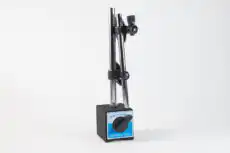
- Metoda brojčanog indikatora: zaključajte jedan zupčanik, ljuljajte drugi naprijed-natrag i mjerite slobodan hod na radijusu nagiba.
- Koordinatno mjerenje: precizno izmjerite oba zupčanika i izračunajte teoretski zazor iz debljine zuba i razmaka između centra.
- Mjerač zazora: namjenske alate koje se koriste za proizvodne provjere ili terensku inspekciju.
Operativna procjena
- Slušajte zvuke britanja ili udaranja, koji signaliziraju prekomjeran zazor.
- Promatrajte kretanje vratila kada se opterećenje promijeni — vidljiv trzaj ukazuje na igru.
- Izmjeriti grešku pozicioniranja u servo ili indeksnim sistemima.
- Koristite analizu vibracija da bi se otkrili obrasci vezani uz udare koje višak zazora proizvodi.
4. Problemi uzrokovani prekomjernim zazorom
Udarni opterećenja i vibracije
- Kada se opterećenje obrne, zubi se razdvajaju, a zatim se ponovo slamaju zajedno.
- To stvara udarnih opterećenja i impulsivne vibracije svaki put kada se uspostavi ponovna veza.
- Udar se ponavlja brzinom obrnutog opterećenja, a ne nužno brzinom osovine.
- Ponovljeni udari ubrzavaju trošenje zuba zamor i habanje.
- Rezultat je karakterističan zvuk kucanja ili lupanja.
Greške pozicioniranja
- U servo sistemima i opremi za pozicioniranje, zazor stvara “mrtvu zonu” oko svakog preokreta.
- Izlazna osovina ne reaguje na male promjene ulaza dok se zazor ne nadoknadi.
- Greška pozicioniranja jednaka je veličini zazora.
- To je kritično za CNC alatne mašine, robotiku i precizne instrumente.
Buka i smanjena krutost
- Buka: vibriranje od udaranja zuba tijekom fluktuacija opterećenja, posebno problematično u pogonima s promjenjivim opterećenjem, i pogoršava se kako trošenje povećava zazor.
- Smanjena krutost sistema: zazor unosi fleksibilnost u pogonski lanac, smanjujući efektivnu torzioni krutost, degradirajući performanse povratne petlje, i u sistemima s povratnom vezom može čak uzrokovati nestabilnost ciklusa ograničenja.
5. Uzroci prekomjernoga zazora
Normalno habanje
- Bočne površine zuba se trošte od kliznog kontakta koji je svojstven zahvatanju zupčanika.
- Zazor se postepeno povećava tokom godina eksploatacije.
- Ovo je očekivani način trošenja kod svih zupčanika.
- Brzina ovisi o opterećenju, kvaliteti podmazivanja i čistoći ulja.
Ubrzano trošenje
- Abrazivna kontaminacija: tvrde čestice djeluju kao sredstvo za glačanje, brušeći bočne površine.
- Neodgovarajuće podmazivanje: granični kontakt između metalnih površina ubrzava trošenje.
- Preopterećenje: pretjerano opterećenje zuba uzrokuje brže gubljenje površine.
- Nesaosnost: opterećenje na rubu od neporavnanje vratila koncentrira trošenje na jedan kraj zuba.
Greške u projektiranju ili instalaciji
- Neispravna specifikacija razmaka između centara.
- Pogrešan odabir zupčanika s neusklađenim profilima zuba.
- Toplinsko širenje nije dovoljno uzeto u obzir.
- Proizvodne tolerancije su postavljene previše labavo.
6. Dijagnostika zazora vibracijskom analizom
Karakteristika vibracije
- Udaranje: oštri impulsi u vremenski oblik signala pri svakom obrtanju opterećenja.
- Višestruke harmonike: udarno opterećenje pobuđuje široku porodicu harmonici umjesto jednog čistog tona.
- Zavisi od opterećenja: vibracija raste i pada sa opterećenjem na vratilu.
- Komponenta neovisna o brzini: brzina udara slijedi ciklus varijacije opterećenja, a ne brzinu vratila.
Razlikovanje zazora od ostalih kvarova
- naspram opšte habanja zupčanika: zazor kreira udare, dok uniformno habanje podiže glatku ali povišenu frekvenciju zahvata zupčanika (GMF) s bočnim pojasevima.
- naspram loma zuba: slomljeni zub proizvodi jedan udar po obrtaju, dok zazor proizvodi nekoliko udara po ciklusu opterećenja.
- u odnosu na olabavljenost: zazor je unutar zupčanika; labavost nalazi se u ležajima, kućištima ili nosačima.
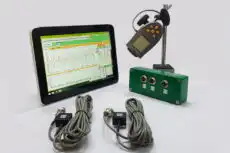
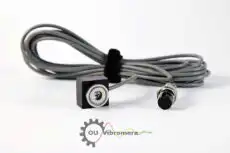
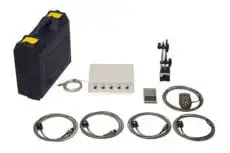
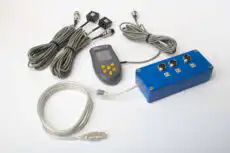
Budući da se karakteristične signature zazora, habanja zahvata i zazornosti preklapaju, analizator koji prikuplja i spektar i vremensku valnu formu sa fazom je neprocjenjiv. U terenu, prenosivi dvokanalski instrument kao što je Balanset-1A omogućava tehničaru da snimi vremensku valnu formu na kućištu ležaja zupčastog reduktora, uoči impulsivne obrate koji izdaju pretjerani zazor, i isključi neuravnoteženost ili je uključi prije nego što se zupčasti reduktor otvori. Preciziranje zahvata i njegovih bočnih traka je još brže sa namjenskom kalkulatorom frekvencije zahvata zupčanika.
7. Korekcija i upravljanje
Metode podešavanja
- Smanjenje središnje udaljenosti: malo premjestite zupčanike bliže jedan drugom, gdje to omogućava montaža.
- Podešavanje šimovima: koristite šimove za ponovno pozicioniranje zupčanika u ispravan zahvat.
- Zupčanici bez zazora: podjeljeni, opružini opterećeni zupčanici koji kontinuirano eliminiraju igru.
- Predopterećenje: primijenite mali opterećenje da biste zadržali flankove zubaca u stalnom kontaktu (vidi predopterećenja ležaja za analognu načelu u ležajima).
Zamjena
- Zamijenite istrošene zupčanike kada zazor prekorači specifikaciju.
- Zamijenite oba para zupčanika zajedno, jer se troše kao usklađeni par.
- Razmotrite poboljšane materijale ili premaze površine za bolju otpornost na habanje.
Prilagodbe u radu
- Izbjegavajte česte promjene smjera opterećenja gdje je moguće.
- Kontrolirajte brzinu primjene opterećenja kako biste ublažili udarac.
- Prihvatite neki zazor kao normalan — ne zatežite previše zahvat, što dovodi do zaglavljivanja i pregrijavanja.
- U servo sustavima, kompenzirajte mrtvu zonu u softveru za upravljanje.
Zazor je neophodna svojstva zupčastih pogona koja postaju problem samo kada postanu promatrivi. Razumijevanje ispravne specifikacije, zdravih mjernih tehnika i vibracijskog znaka previše igre omogućit će vam efikasno održavanje reduktora, vremenske zamjene, i unijeti disciplinirani rješavanje problema i praćenje stanja stroja u ponavljajućim problemima buke i vibracija zupčastih strojeva.

