Razumijevanje težine greške


Težina greške je klasifikacija otkrivenoga kvar prema njegovu ozbiljnosti, stadiju napredovanja i hitnosti ispravljačke akcije koju zahtijeva. Rang ozbiljnosti kombinira nekoliko ulaza — vibracija amplituda, brzina kojom se ta amplituda mijenja, tip greške, i kritičnost opreme — u jednu kategoriju koja ide od inicijalnog (malena, upravo detektabilna) do kritičnog (ozbiljna, na rubu sloma). U tome pretvara sirov izlaz iz detekcija greške u djeljive prioritete održavanja, govoreći timu ne samo to da problem postoji već koliko brzo da mora biti riješen.
Točna procjena ozbiljnosti je ono što čini praćenje stanja stroja program stvarno koristan. On odlučuje kako brzo djelovati, koja sredstva angažirati, i kako ponovno vagati jednu bolesnu mašinu protiv druge kada nekoliko bori za isti ograničeni prozor održavanja. Ako je ispravno i rijedak specijalizirani vreme teče prema mašinama koje ga trebaju; ako je pogrešno i vi ili gonite fantome ili propuštate kvara u procesu.
1. Skale klasifikacije ozbiljnosti
Većina programa rangira greške na skali od pet razina. Amplitude na koje se odnosi dolje su uzbunjujuća, upozorenje, alarm i isključenje pojase koje program postavlja protiv svojih osnovna vrijednost i protiv standarda za vibracionu težinu.
- Nivo 1 — Početni: vrlo rana greška, tek što je vidljiva. Amplituda je malo iznad bazne linije, upravo ulazi u zonu upozorenja. Procenjuje se 6–12+ meseci do otkaza. Akcija: zabeleži u bazi podataka i nastavi rutinsko praćenje.
- Nivo 2 — Manja: potvrđena greška u ranoj fazi. Amplituda je u zoni upozorenja sa jasnom trendom koji se razvija. Otprilike 3–6 meseci do otkaza. Akcija: povećaj frekvenciju praćenja i počni sa planiranjem održavanja.
- Nivo 3 — Umjerena: aktivna, progresivna greška. Amplituda dostiže zonu upozorenja ili alarma. Otprilike 1–3 meseca do otkaza. Akcija: zakaži održavanje u roku od nekoliko nedelja i prati sedmično.
- Nivo 4 — Ozbiljna: napredna greška sa značajnom degradacijom. Amplituda je u zoni opasnosti i brzo raste. Nekoliko nedelja do otkaza. Akcija: organizuj hitno održavanje, prati dnevno i planira brzu gašenje.
- Nivo 5 — Kritična: neminovan otkaz sa katastrofalnim rizikom. Amplituda je na ili iznad nivoa gašenja. Dani ili sati do otkaza. Akcija: neposredno gašenje i popravka, sa kontinuiranim praćenjem dok mašina radi.
2. Faktori za procenu težine
Niti jedan broj ne govori celu priču. Dobar poziv severity teži pet faktora zajedno.
Amplituda vibracija
- Primarni pokazatelj za mnoge tipove grešaka — viša amplituda obično znači naprednije defekte.
- Uvek se procenjuje prema relevantnom standardu i baznoj liniji same mašine, nikad izolovano.
- Tumači se u svetlosti tipa greške, jer data amplituda znači veoma različite stvari za grešku ležaja i za neuravnoteženost.
Brzina promjene
- Spora promjena: niža težina — stanje je u suštini stabilno.
- Ubrzavajuća promjena: veća ozbiljnost — aktivno propadanje je u toku.
- Eksponencijalni rast: kritična težina — otkaz je blizu.
- Često je stopa promene važnija od apsolutnog nivoa, što je razlog analiza trenda i trend nalaze se u centru procjene težine.
Tip kvara
- Ljuštenje ležaja: brzo napreduju čim postanu naprednike → visoka težina.
- Neuravnoteženost: obično su stabilne tokom vremena → niža težina.
- Pukotine na vratilu: mogu se odjednom i bez upozorenja srušiti → visoka težina.
- Neporavnanje: hronične ali upravljive → umjerena težina.
Spektralne karakteristike
- Broj harmonici prisutne — više harmonika obično znači goru manu.
- Bočna traka složenost — opsežne bočne vrpce ukazuju na naprednuli kvar.
- Povišeni nivo šuma, koji pokazuje na rasprostranjenu ili distribuiranu štetu.
- Više različitih frekvencija kvarova koji signaliziraju nekoliko problema istovremeno. Tehnike kao što su analiza omotača često otvaraju ove obrasce dugo prije nego što se pojave u običnoj brzini spektar.
Kritičnost opreme
- Ista razina vibracija je teža na kritična oprema nego na rezervnoj rezervi.
- Težina bi trebala biti prilagođena posljedicama kvara, a ne samo izmjerenoj signalu.
- Na kritičnoj opremi, tretirajte nižu vrijednost vibracija kao višu težinu, jer je cijena greške puno veća.
3. Mjere na osnovu težine
Svaki opseg težine mapira se na definirani odgovor, tako da se ocjena direktno prevodi u plan rada.
- Početak / Mali: ostanite na redovnom rasporedu nadzora, napomenite manu za buduću gašenja mjesecima unaprijed, te vremenske radnje za sljedeće planirano održavanje ili unutar 3–6 mjeseci.
- Umjereno: mjerite tjedno, rasporedite namjensku zadaću održavanja unutar 1–2 mjeseca, naručite dijelove za zamjenu sada, i poduzmi mjere unutar otprilike 2–8 sedmica.
- Ozbiljno: pratiti dnevno ili kontinuirano, ubrzati planiranje u vremenski okvir od nekoliko dana do dvije sedmice, dodijeliti prioritetne resurse, i izvršiti u roku od 1–2 sedmice maksimalno.
- Kritično: pratiti kontinuirano, isključiti i popraviti odmah, mobilizirati hitni odgovor sa svim potrebnim resursima, i izvršiti u roku od hitnog djelovanja do nekoliko dana.
4. Dokumentacija i praćenje
Procjena jačine vibracija je samo toliko dobra koliko je zapis iza nje. Dva tipa dokumentacije su važna.
Zapisi o procjeni jačine vibracija
- Greška, jasno identificirana i opisana.
- Dodijeljena razina jačine vibracija, sa obrazloženjem za nju.
- Podaci o vibracijama koji podržavaju procjenu.
- Preporučene akcije i njihov vremenski okvir.
- Potpisi odobrenja i pregleda. Većina toga prirodno se nalazi u strukturiranom dijagnostičkom izvještaju.
Praćenje jačine vibracija
- Pratiti jačinu vibracija kroz vrijeme dok se greška razvija.
- Ažurirati ocjenu sa svakim novim mjerenjem.
- Eskalirati razinu kako vibracije rastu.
- Voditi historijski zapis razvoja — to oštrina budućih odluka i hrani prognoza preostalog vijeka.
5. Procjena jačine vibracija u praksi i na radionici
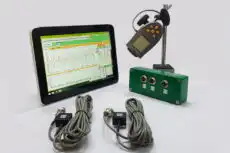
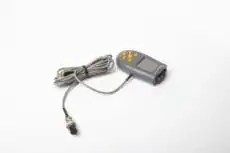
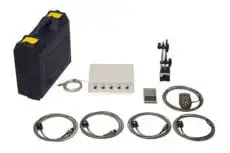
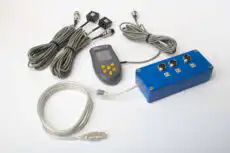
Procjena jačine vibracija je most između otkrića greške i djelovanja na njoj: okvir koji mjerenja pretvara u prioritete i razdeljuje resurse tamo gdje su važni. Na mjestu ova odluka rijetko se donosi iz jednog čitanja. Nakon posla balansiranja, na primjer, inženjer koji koristi prenosivi analizator kao što je Balanset-1A će zabilježiti 1× frekventnu komponentu amplitudu i fazu i ukupnu razinu vibracija, a zatim ih usporediti sa baznom linijom mašine kako bi se utvrdilo je li rezidualna nebalansiranost u početnoj fazi ili dovoljno ozbiljna da opravdava intervenciju. Ta odluka se oslanja na svaki faktor iznad — amplitudu, stopu promjene, tip greške i kritičnost mašine — i upravo je disciplina razmatranja svih njih zajedno što omogućava održavanje na bazi stanja program balansiranja, održavanja i rizika od neuspjeha.

