Razumijevanje laserskih tahometara
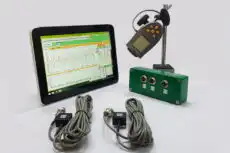
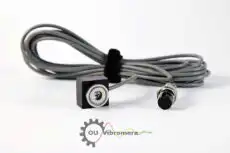
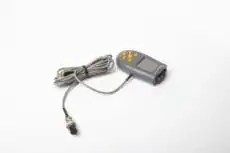
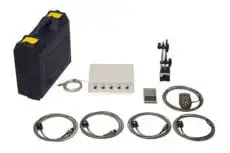

A laserski tahometar je optički uređaj za mjerenje brzine bez kontakta koji reflektira lasersku zraku sa rotirajuće površine kako bi pročitao brzinu rotacije (okretaje u minuti) i generirao signal jednom po okretaju. Taj signal omogućava analizatoru vibracija faza referencu — vremensku markeru kutnog položaja bez koje balansiranje i najnaprednija dijagnostika rotora su nemoguća. U praksi mali trakasti komad reflektivne trake se ljepljiv na osovinu; instrument detektuje sjajnu refleksiju jednom po okretu, izvodi brzinu iz brzine impulsa i šalje signalom okidača u analizator za fazno-zaključanu vibracija mjerenja.
Laserski tahometri su uvelike zamijenili kontaktne tahometre i magnetske preslušivače za rad sa vibracijama. Oni su pogodni (bez pripreme osovine osim trakastog komada), sigurni (bez kontakta sa rotirajućim dijelovima) i precizni. Oni su standard brzinu i fazu senzora za terensko balansiranje, analiza reda i svako mjerenje koje zahtijeva i brzinu rada i fazu. Kao optički uređaj na bazi svjetlosti, laserski tahometar je jedna vrsta od šire optičkog tahometra obitelji, razlikuje se po svojoj uskoj, kolimiranoj zraci i dugi radnom rastojanju.
Za balansiranje na terenu, Vibromera laserski tahometar isporučuje faznu oznaku jednom po okretaju koja se koristi za postavljanje korekcijskih masa.
1. Princip rada
Dva senzorna metoda su česta, a razlika između njih je uglavnom kvaliteta cilja.
Metoda reflektivne trake (najčešće korišćena)
Ovo je pouzdana, ponovljiva metoda korišćena za ozbiljan rad sa fazom, i nastavlja se u fiksnom redoslijedu:
- Primjena trake: mali komad reflektivne trake se aplikuje na osovinu.
- Emisija lasera: tahometar emituje vidljivu lasersku zraku, tipično crvenu oko 650 nm.
- Detekcija refleksije: fotodetktor osjeća intenzitet povratnog svjetla.
- Generisanje impulsa: kada traka prođe ispred zraka, jaka refleksija kreira oštar impuls.
- Proračun brzine: vrijeme između impulsa je period rotacije, pa je broj okretaja = 60 / period (sekunde).
- Referenca faze: rastuća grana impulsa označava poziciju reference od 0° za revoluciju.
Jer svaki impuls fiksira trenutak t = 0 za okret, svaki uzorak vibracije dobija poznatu kutnu poziciju na vratilu — upravo funkciju koju trajno instaliran keyphasor obavlja na zaštićenim mašinama.
Metoda kontrastnosti površine
- Detektuje prirodne karakteristike površine — utore za ključ, urezane oznake ili promene boje.
- Ne zahteva traku ako je kontrast dovoljno jasan.
- Manje pouzdana od reflektivne trake, sa većim rizikom od propuštenih ili dvostrukih impulsa.
- Korisna za brze provjere brzine umjesto preciznog mjerenja faze.
2. Ključne karakteristike i specifikacije
Mjerenje brzine
- Opseg: tipično 10–250.000 o/min.
- Tačnost: ±0,01–0,05% čitanja.
- Brzina osvježavanja: prikaz u realnom vremenu, osvežavajući se nekoliko puta u sekundi.
- Rješenje: 0,1 o/min tipično.
Rastojanje (radno područje)
- Tipična distanca: 50–500 mm (2–20 inča) od cilja.
- Postižna distanca ovisi o snazi lasera i kvaliteti reflektivne trake.
- Ako je previše blizu, zraka svjetlosti postaje premala da pouzdano padne na traku; ako je previše daleko, nema dovoljno odbijene svjetlosti da se aktivira detektor.
Izlazni signali
- Digitalni prikaz: Broj okretaja direktno prikazan na ekranu.
- Analogni izlaz: napetost proporcionalna brzini (tipično 0–10 V).
- Impulsni izlaz: TTL ili logički puls jednom po revoluciji — signal koji analizator zapravo koristi.
- Smjer: neki modeli detektuju smjer rotacije.
3. Primjene u analizi vibracija
Balansiranje na terenu
- Osigurava faznu referencu jednom po revoluciji.
- Pozicija trake označava 0° za svaki fazni ugao mjerenje.
- Provjerava brzinu tijekom svakog balansiranja.
- Neophodna je za metoda koeficijenata utjecaja, koja uspoređuje amplitudu i fazu prije i nakon probni uteg.
Analiza redova (Order Analysis)
- Signal brzine omogućava praćenje redoslijeda, normalizirajući frekvencijsku os na višekratnike brzine vrtnje.
- A filter praćenja koristi tahometar za sinhronizaciju.
- To je osnova analize opreme varijabilne brzine i od pokretanje i zaustavljanje testiranja.
Mjerenje Faze
- Tahometar puls pokreće mjerenje faze.
- Analizator određuje vremenske parametre vršne vibracije u odnosu na taj puls.
- To je kritično za balansiranje i dijagnostiku — inženjeru pokazuje gdje teško mjesto se nalazi.
- Točnost faze potpuno ovisi o stabilnom, čistom signalu tahometra.
Provjera Brzine
- Brze provjere broja okretaja tijekom mjerenja vibracija.
- Provjera nazivne tablice radna brzina.
- Otkrivanje varijacija brzine.
- Mjerenje stvarne naspram sinkrone brzine za klizanje proračun kod asinkronih motora.
4. Reflektivna Traka: Izbor i Primjena
Vrste i Izbor
- Retroreflektivna traka: reflektira svjetlost direktno nazad do izvora, što je čini najefikasnijom i najtolerančnijom na kut namjeravanje.
- Aluminijska traka: dobra refleksija i ekonomična.
- Bijela traka: zadovoljavajuća za mnoge primjene.
- Veličina: 10–25 mm (0,5–1 inč) je uobičajeno.
Najbolje Prakse Primjene
- Očistite površinu prije primjene trake.
- Primijenite je na glatkom, cilindričnom dijelu osovine.
- Izbjegavajte bilo koja mjesta gdje bi traka mogla doći u dodir sa stacionarnim dijelovima.
- Koristite jedan komad po okretaju — više komada zbunjuje instrument.
- Pritisnite rubove prema dolje kako biste spriječili ljuštenje pri visokim brzinama.
- Označite kutnu poziciju ako će se traka koristiti kao referenca za balansiranje.
5. Laserski tahometar na terenu
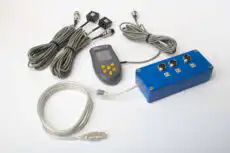
Na prenosivom instrumentu tahometar nije pribor — to je komponenta koja omogućava balansiranje sa jedne i dvije ravnine na mjestu. Balanset-1A isporučuje se s optičkim laserskim tahometrom koji se aktivira trakom reflektivne trake, radeći na 50–500 mm odstojanja u rasponu od 100–100,000 rpm. Njegov puls jednom po okretaju daje faznu referencu koju softver trebda za računanje mase korekcije mase i kuta, te zatim potvrđivanje rezidualnu neuravnoteženost nakon korekcije. Budući da isti puls daje i precizne okretaje u minuti, inženjer može uskladiti izmjerene frekvencije s određenim komponentama i odvojiti, primjerice, brzinu vrtnje harmonici od frekvencijama kvarova ležajeva u jednom mjerenju.
6. Prednosti u odnosu na druge tahometre
nasuprot kontaktnom tahometru
- Laser: bez kontakta, sigurnije, bez oštećenja osovine, radi pri bilo kojoj brzini.
- Kontakt: zahtijeva fizički kontakt, unosi trenje, ograničeno na niže brzine te rizik od oštećenja površine osovine.
nasuprot magnetskom hvataču
- Laser: radi na bilo kojem materijalu, trebda je samo jednostavna primjena trake i omogućava precizno pozicioniranje referentne marke.
- Magnetni: zahtijeva feromagnetsku metu, obično trajnu instalaciju, i nudi manju fleksibilnost pri pozicioniranju.
nasuprot stroboskopskoj svjetlosti
- Laser: daje izravno, kvantitativno mjerenje i izlaz fazne reference.
- Stroboskop: a stroboskop nudi samo vizualnu promatranju — it usklađuje brzinu bljeskanja umjesto mjerenja i ne daje fazni signal.
7. Česte greške i rješenja
Nestabilan ili nepostojeći signal
- Uzroci: prljava optika, pogrešna udaljenost postavljanja, loša kvaliteta trake ili smetnje od ambijentalne svetlosti.
- Rješenja: očistite objektiv, prilagodite udaljenost, zamenite traku i zaštitite metu od intenzivne svetlosti. Direktna sunčeva svetlost na senzor je čest uzrok problema i rešava se zasenčavanjem.
Pogrešno čitanje brzine
- Više komada trake: daju čitanje brzine koje je više puta veće od prave brzine (duplo okidanje).
- Reflektivna površina: sjajni vratilo ili druga svetla karakteristika mogu biti detektovani umesto trake ili pored nje.
- Rješenje: osigurajte tačno jednu referentnu markaciju po revoluciji i koristite mat traku sa pažljivim ciljanjem.
Greške pri merenju faze
- Pozicija trake je pomerena sa početnog referentnog ugla.
- Traka se kida ili klizi tokom rada.
- Rješenje: pravilno osigurajte traku, proverite njenu poziciju i ponovo je prilijepite ako je potrebno.
Laserski tahometri su neophodni alati za savremenu analizu vibracija i balansiranje, pružajući sigurna, tačna, bezkontaktna merenja brzine i faze. Njihova kombinacija pogodnosti, preciznosti i svestranosti učinila ih je standardom za terenski rad sa vibracijama, zamenjujući starije kontaktne i magnetne tehnologije u većini industrijskih aplikacija.

