Razumevanje Reflektivne Trake
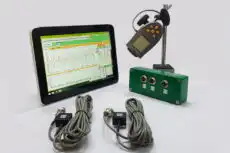
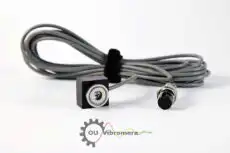
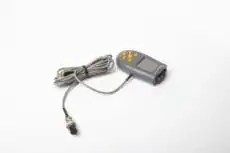
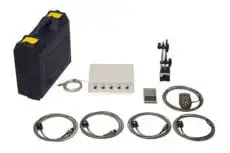

Reflektirajuća traka — poznata i kao retro-reflektivna traka ili tahometrijska traka — je mali komad samoljepiće materijale sa veoma reflektivnom površinom koji se primenjuje na rotirajući osovinu, spojnicu ili drugi rotirajući element kako bi se kreirala referentna oznaka sa jednim impulsom po revoluciji. An optički ili laserski tahometar usmeri svetlosni snop na rotirajuću površinu; svaki put kada traka prođe kroz snop, reflektuje mnogo više svetla nego okolni metalni deo, proizvodeći čist električni impuls. Taj impuls meri brzinu rada i, što je još važnije, omogućava faza referencu koju balansiranje rotora i dijagnostiku zasnovanu na fazi bez kojih je nemoguća.
To je jedan od najjeftinijih stavki u kompletu alata, pa je zaista neophodno za terenski vibracija rad. Bez dobrog markera, optički tahometar ne može da detektuje, analizator ne može da odredi ugao teške tačke, i niz naprednih tehnika — od analiza reda u Bode i orbita grafika — postaju nemoguće. Pošto traka fizički definiše ugaonu nulu, pažnja posvećena izboru, primeni i pozicioniranju direktno utiče na tačnost merenja.
1. Zašto Reflektivna Oznaka Ima Značaja
Tahometar za rad sa vibracijom obavlja dva posla istovremeno. Merenjima vremenskog intervala između impulsa, izvodi precizne trenutne obrtaje, što omogućava analizatoru da sortira harmonike vrtnje od frekvencijama kvarova ležajeva. Druga, kritična uloga je merenje vremenske pozicije: analizator meri kašnjenje između svakog impulsa sa trake i vrha 1× neuravnoteženost odgovora i pretvara ga u fazni ugao. Taj ugao je upravo ono što inženjeru omogućava da pronađe gde se nalazi teška tačka i zato gde da postavi korekciju u mase korekcije. Reflektivna oznaka je fizički poreklo tog celog koordinatnog sistema, tako da bilo šta što je pogorszava ili pomera korumpiram svako fazno čitanje koje dolazi poslije.
2. Vrste Reflektivne Trake
Retro-reflektivna traka (najbolje performanse)
Premium izbor sadrži mikroskopske staklene kuglice ili prizmatsku strukturu koja odbija svetlo direktno prema izvoru umesto da ga rasipa. Rezultat je najveća reflektivnost i jačina signala, pouzdan okidač na većim radnim distancama, i najčistiji impuls za balansiranje i druga kritična merenja. Proizvode inženjerskog stepena kao što je 3M Scotchlite su tipičan primer. Kada je fazna tačnost bitna, ovo je tip koji treba da koristiš.
Ljepljiva aluminijumska traka od folije
Sjajnu aluminijumsku HVAC traku koja dobro reflektuje lasere za tahometre, ekonomična je i dostupna gotovo svugdje. Dovoljna je za većinu poslova, iako je njena zrcalna završna obrada obično zahtjevna što se tiče bliže i preciznijeg usmerenog rastojanja od retro-reflektivnog cilja, jer vraća jak signal samo kada je kut ispravan.
Bijela ili obojana traka
Obična bijela, žuta ili narandžasta samolepljiva traka reflektuje više svjetla od tamnog vratila i može proći za brzu provjeru brzine. Međutim, njena svojstva su granična i ne bi trebala da se koristi za mjerenje faze ili balansiranje, gdje slab ili nekonzistentan impuls uvodi grešku.
3. Ispravna primjena trake
Priprema površine
Adhezija je sve. Očistite odabrano mjesto otapalom da uklonite ulje, mast, prljavu i hrđavu; potpuno osušite kako voda ne bi bila zarobljeana; i lagano file ili brušite grubu površinu kako bi se osnovna površina mogla vezati. Odaberite glatku cilindričnu dio koju tahometar može jasan vidjeti sa sigurnog rastojanja.
Primjena trake
- Isjecite na mjeru: traka od približno 10–25 mm (0,5–1 inč) odgovara većini vratila.
- Aksijalno poravnajte: nanesi traku paralelno sa osom vratila kako bi u svakom okretaju održala istu stranu prema zraku.
- Čvrsto pritisnite: uklonite sve mjehure zraka za potpuni kontakt.
- Osigurajte rubove: pritisnite prednji i stražnji rub naročito čvrsto — to je mjesto gdje počinje odvajanje pod strujanjem zraka i centrifugalnom silom.
- Samo jedan komad: jedan cilj po revoluciji. Druga reflektivna svojstva proizvode drugi impuls i dvostruko povećavaju prijavljivenu brzinu.
Za aplikacije balansiranja
U poslu balansiranja traka nije samo hvatanje brzine — ona je ugaoni datum. Zamijetite ili označite njenu poziciju jer ona definiše 0° referencu za polarni dijagrami i svaki proračun balansiranja. Fotografirajte ili snimite lokaciju za budućnost trim balansiranja, i za pogodnost možete usklađivati traku sa prvim probni uteg poziciju kako uglovi bila čitljivih prirodno.
4. Reflektivna traka u polskom balansiranju
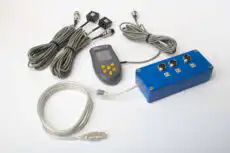
Na prenosivom instrumentu reflektivna oznaka je vremenski okvir cijelog radnog procesa. Balanset-1A dolazi sa optičkim laserskim tahometrom koji se aktivira malom trakom na osovini, funkcionirajući na udaljenosti od 50–500 mm u rasponu od 100–100.000 RPM. Njegov impuls jednom po okretaju daje softveru referencu faze potrebnu da izračuna koeficijenti utjecaja rotora, izračuna masu i kut svakog balansnog tegla i potom provjeri rezidualnu neuravnoteženost nakon korekcije. Pošto se ista referentna traka koristi prije i nakon svakog probno pokretanje, inženjer može balansirati stroj u vlastitim ležajevima bez rastavljanja — pod uvjetom da skromna traka ostane točno gdje je zalijepljena.
5. Česti problemi i rješenja
Otpadanje ili klizanje trake
Loša priprema površine, zagađenje uljem, toplina i centrifugalna sila sve zajedno nastoje poći traku tijekom rada. Temeljito čišćenje, kvalitetan proizvod visokog prihvata (adheziv klase 3M VHB) i čvrsta primjena sprječavaju većinu kvarova; adhezivni primer pomaže na neobičnim površinama. Na brzim osovinama, sloj prozirne trake preko mete ili malo mehaničkog osiguranja dodaje dodatnu sigurnost.
Loša kvaliteta signala
Prljava ili istrošena traka, neadekvatan kontrast nasuprot osovini ili jaka ambijentalna svetlost uzrokuju slabe i izostavljene impulse koji pogrešno postavljaju fazu. Očistite ili zamijenite traku, prijeđite na retro-reflektivnu vrstu i zaštitite metu od direktne sunčeve svetlosti. Direktna sunčeva svetlost na senzor može u potpunosti zaseniti laserski tahometar, pa šaka ili zaštita preko mete često odmah obnovi pouzdan impuls.
Traka se pomaknula ili klizala
Ovo je tiho ubica tačnosti balansiranja. Rutinsko čišćenje ili održavanje između tokova može pomaknuti traku, a bilo koja promjena njenog kutnog položaja postaje direktna greška faze u rezultatu. Provjerite da je traka osigurana i nepomaknuta prije svakog kritičnog mjerenja i ponovno primijenite i vrati kalibraciju na nulu ako je njen položaj ikada upitan.
6. Okruženja sa visokom brzinom, visokom temperaturom i vlažnim uvjetima
- Velika brzina: centrifugalna sila se povećava sa radijusom i kvadratom brzine, pa brza osovina navedemo tvrdim pokušajima da baci traku. Koristite adheziv visokog prihvata ili mehanijsko osiguranje, primijenite na najmanjem praktičnom radijusu i za trajne instalacije razmotrite oznaku bojom umjesto.
- Visoka temperatura: standardni ljepila ne izdrže iznad otprilike 80–100 °C. Postoje visokotemperaturne trake predviđene za preko 200 °C, ali obojena traka, izrađen žlijeb ili postojeća trajna oznaka su na vrućim mašinama često trajniji izbor.
- Vlažna ili uljana primjena: ulje napada adheziv a vlažnost promovira dizanje. Očistite površinu do kosti suho, odaberite traku otpornu na otapala i očekujte da je zamjenjujete češće.
7. Alternativne i trajne mete
Kada je traka nepraktična, nekoliko zamjena može pružiti isti događaj jednom po okretaju. Traka bijele ili reflektivne boje, lagano ukrasljena linija, postojeći ključni navoj ili reflektivna glava vijka na spojnici mogu sve biti mete, a sondu blizine ili trajno instaliran Keyphasor obavlja identičnu funkciju bez bilo kakve optičke oznake uopće. Adhezivne retro-reflektivne točke, uklonjivi magnetski markeri i namjenski izrađene mete za visokin temperaturi nude trajnije opcije za ponovljeni rad. Bilo koji izbor, izbjegavajte lepljivu traku, traku za brtvljenje i jeftini film: njihove dosadne, nejednolike površine daju točno slabe, nekonzistentne impulse koji ruše mjerenje faze.
8. Kvaliteta i izbor
Dobar target mora biti sjajan i ujednačen, ima jaku ljepljivu osnovu, durable podlogu koja se ne cepa, je procijenjena za radnu temperaturu i izrezan s čistim preciznim rubovima. Za većinu terenskog rada, izbor je jasan: 3M Scotchlite retro-reflektivna traka za maksimalnu točnost, aluminijska HVAC traka kao ekonomičan zamjenski proizvod, i specijalizirana tahometarska traka od proizvođača vibracijske opreme kada želite provjereni proizvod. Tretirajući je kao malu, ali važnu detalj koju stvarno jest, reflektivna traka nagradi malo pažnje pouzdanim snimanjem brzine, točnom fazom i čistim rezultatima balansiranja.

