ಫ್ರೀಕ್ವೆನ್ಸಿ ರೆಸ್ಪೋನ್ಸ್ ಫಂಕ್ಷನ್ (FRF) ಅನ್ನು ಅರ್ಥಮಾಡಿಕೊಳ್ಳುವುದು
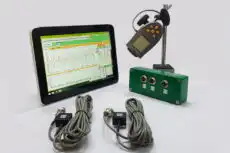
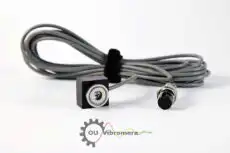
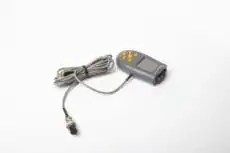
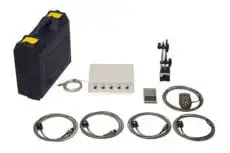
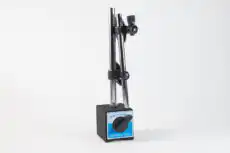

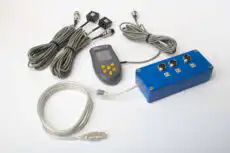
ದಿ ಪರಿಚಾಲನೆ ವಿಚಲನ ಆಕಾರ (ODS) ಹೇರಲಾದ ಉದ್ದೀಪನ ಬಲಕ್ಕೆ ಒಂದು ರಚನೆ, ಘಟಕ ಅಥವಾ ವ್ಯವಸ್ಥೆ ಆವೃತ್ತಿಯ ಪ್ರಕಾರ ಹೇಗೆ ಪ್ರತಿಕ್ರಿಯಿಸುತ್ತದೆ ಎಂಬುದನ್ನು ವಿವರಿಸುತ್ತದೆ. ಸರಳವಾಗಿ ಹೇಳುವುದಾದರೆ, ಇದು ವ್ಯವಸ್ಥೆ ಎಷ್ಟು ಕಂಪಿಸುತ್ತದೆ ಎಂಬುದನ್ನು ಪ್ರತಿಯೊಂದು ಆವೃತ್ತಿಯಲ್ಲಿ ತಿಳಿಸುತ್ತದೆ, ನೀವು ತಿಳಿದಿರುವ ಬಲದಿಂದ ಅದನ್ನು “ಹೊಡೆದಾಗ”. FRF ರಚನಾತ್ಮಕ ಗತಿಶಾಸ್ತ್ರದ ಮೂಲಸ್ತಂಭವಾಗಿದ್ದು, ಮೋಡಲ್ ವಿಶ್ಲೇಷಣೆ and resonance ಪತ್ತೆಹಚ್ಚುವಿಕೆಯಲ್ಲಿ ಬಳಸಲಾಗುತ್ತದೆ — ಮತ್ತು ಇದು ಯಂತ್ರದ ನೈಸರ್ಗಿಕ ಆವೃತ್ತಿಗಳನ್ನು ತೊಂದರೆ ಉಂಟುಮಾಡುವ ಮೊದಲು ಪತ್ತೆಹಚ್ಚುವ ಅತ್ಯಂತ ನೇರ ವಿಧಾನವಾಗಿದೆ.
ಗಣಿತದ ದೃಷ್ಟಿಯಿಂದ FRF ಒಂದು ವರ್ಗಾವಣೆ ಕಾರ್ಯ ಅಳೆಯಲಾದ ಔಟ್ಪುಟ್ ಪ್ರತಿಕ್ರಿಯೆಯನ್ನು (ಬಹುತೇಕ ವೇಳೆ ತ್ವರಣೆ) ಅಳೆಯಲಾದ ಇನ್ಪುಟ್ ಬಲದೊಂದಿಗೆ ಸಂಬಂಧಿಸುವುದು:
FRF = Output Response / Input Force
ಔಟ್ಪುಟ್ ಮತ್ತು ಇನ್ಪುಟ್ ಎರಡೂ ಆವೃತ್ತಿಯ ಕಾರ್ಯಗಳಾಗಿದ್ದು, FRF ಸ್ವತಃ ಒಂದು ಸಂಕೀರ್ಣ ಫಂಕ್ಷನ್ — ಇದು ಎರಡನ್ನೂ ಹೊತ್ತಿರುತ್ತದೆ amplitude and phase ಪ್ರತಿ frequency lineನಲ್ಲಿ ಮಾಹಿತಿಯನ್ನು. ಈ phase ವಿಷಯವೇ FRF ಅನ್ನು ಸಾಮಾನ್ಯ ಕಾರ್ಯಾಚರಣಾ spectrumಗಿಂತ ಬಹಳ ಹೆಚ್ಚು ಮಾಹಿತಿಪೂರ್ಣವಾಗಿಸುತ್ತದೆ; ಅದು ಪ್ರತಿಕ್ರಿಯೆಯನ್ನು ದಾಖಲಿಸುತ್ತದೆ ಆದರೆ ಅದಕ್ಕೆ ಕಾರಣವಾದ ಬಲವನ್ನು ಅಲ್ಲ.
1. ವ್ಯಾಖ್ಯಾನ: FRF ನಿಜವಾಗಿ ಏನು ಅಳೆಯುತ್ತದೆ
ಸಾಮಾನ್ಯ vibration spectrum ಯಂತ್ರ ಎಷ್ಟು ಜೋರಾಗಿ ಕಂಪುತ್ತಿದೆ ಎಂದು ಹೇಳುತ್ತದೆ, ಆದರೆ ಏಕೆಎಂಬುದನ್ನು ಅಲ್ಲ. FRF ಬೇರೆ ಮತ್ತು ಇನ್ನೂ ಮೂಲಭೂತವಾದ ಪ್ರಶ್ನೆಗೆ ಉತ್ತರಿಸುತ್ತದೆ: ಎಷ್ಟು ಬಲದಿಂದ ಚಾಲಿತವಾಗಿದೆ ಎಂಬುದನ್ನು ಬಿಟ್ಟು, ಪ್ರತಿಯೊಂದು ಆವೃತ್ತಿಯಲ್ಲಿ ಚಲನೆಯನ್ನು ಹೆಚ್ಚಿಸಲು ರಚನೆಗೆ ಇರುವ ಸ್ವಾಭಾವಿಕ ಪ್ರವೃತ್ತಿ ಏನು? ಪರಿಚಿತ ಇನ್ಪುಟ್ ಬಲದಿಂದ ಪ್ರತಿಕ್ರಿಯೆಯನ್ನು normalise ಮಾಡುವುದರಿಂದ FRF ರಚನೆಯ ಸ್ವಂತ ಗುಣವಾಗಿದೆ — ಅದರ mass, stiffness ಮತ್ತು damping — ಯಾವುದಾದರೂ ದಿನ ಹಾಜರಿರುವ ಬಲಗಳ ಗುಣವಲ್ಲ. ಬಳಸುವ response unit ಅನ್ನು ಅವಲಂಬಿಸಿ ಅದೇ ಮಾಪನಕ್ಕೆ ಬೇರೆ ಹೆಸರುಗಳಿವೆ: accelerance (acceleration/force), mobility (velocity/force) ಅಥವಾ receptance (displacement/force); ಆದರೆ ಇವೆಲ್ಲವೂ FRF ರೂಪಗಳೇ.
2. FRF ಅನ್ನು ಹೇಗೆ ಅಳೆಯಲಾಗುತ್ತದೆ?
ಕ್ಲಾಸಿಕ್ ಕ್ಷೇತ್ರ ವಿಧಾನವೆಂದರೆ ಬಂಪ್ ಟೆಸ್ಟ್, ಇದನ್ನು impact test ಎಂದೂ ಕರೆಯುತ್ತಾರೆ:
- ಒಂದು accelerometer ಪ್ರತಿಕ್ರಿಯೆಯನ್ನು ಅಳೆಯಬೇಕಾದ ಬಿಂದುವಿನಲ್ಲಿ ಇದನ್ನು ರಚನೆ ಮೇಲೆ ಅಳವಡಿಸಲಾಗುತ್ತದೆ.
- ರಚನೆಯನ್ನು ಆಯ್ದ ಬಿಂದುವಿನಲ್ಲಿ ಒಂದು ಮಾಪಿತ ಹ್ಯಾಮರ್ ಬಳಸಿ ಹೊಡೆಯಲಾಗುತ್ತದೆ — ಅದರ ತುದಿಯಲ್ಲಿ force sensor (load cell) ಹೊಂದಿರುವ ಹ್ಯಾಮರ್; ಇದು ಪ್ರತಿ ಹೊಡೆಯುವಿಕೆಯ ಇನ್ಪುಟ್ ಬಲವನ್ನು ಅಳೆಯುತ್ತದೆ.
- ಒಂದು ಬಹು-ಚಾನೆಲ್ ವೈಬ್ರೇಶನ್ ಆನಾಲೈಜರ್ ಹ್ಯಾಮರ್ನಿಂದ ಇನ್ಪುಟ್ ಸಿಗ್ನಲ್ ಮತ್ತು accelerometerನಿಂದ ಔಟ್ಪುಟ್ ಸಿಗ್ನಲ್ ಎರಡನ್ನೂ ಒಂದೇ ಸಮಯದಲ್ಲಿ ದಾಖಲಿಸುತ್ತದೆ.
- ವಿಶ್ಲೇಷಕವು FFT ಎಂಬುದನ್ನು ಎರಡೂ ಸಿಗ್ನಲ್ಗಳ ಮೇಲೆ ನಡೆಸಿ, ಪ್ರತಿಯೊಂದು frequency lineನಲ್ಲಿ output/input ಅನುಪಾತವನ್ನು ಗಣನೆಮಾಡುತ್ತದೆ. ಅದೇ ಅನುಪಾತ FRF ಆಗಿದೆ.
ಈ ಪ್ರಕ್ರಿಯೆಯನ್ನು ಹಲವು impacts ಗಳಲ್ಲಿ ಪುನರಾವರ್ತಿಸಿ ಫಲಿತಾಂಶಗಳ ಸರಾಸರಿ ತೆಗೆದುಕೊಳ್ಳಲಾಗುತ್ತದೆ; ಇದರಿಂದ ಯಾದೃಚ್ಛಿಕ ಶಬ್ದ ಕಡಿಮೆಯಾಗಿ ಸ್ವಚ್ಛ ಹಾಗೂ ವಿಶ್ವಾಸಾರ್ಹ ಮಾಪನ ಸಿಗುತ್ತದೆ. ಕೋಹೆರನ್ಸ್ ಫಂಕ್ಷನ್ ಅನ್ನು FRF ಜೊತೆಗೆ ಗುಣಮಟ್ಟ ಪರಿಶೀಲನೆಗಾಗಿ ಗಣನೆಮಾಡಲಾಗುತ್ತದೆ: ಆಸಕ್ತಿಯ bandನಲ್ಲಿ 1.0ಕ್ಕೆ ಸಮೀಪದ coherence ಇದ್ದರೆ ಅಳೆಯಲಾದ ಪ್ರತಿಕ್ರಿಯೆ ನಿಜವಾಗಿಯೂ ಅಳೆಯಲಾದ ಇನ್ಪುಟ್ನಿಂದಲೇ ಉಂಟಾಗಿದೆ, ಹೊರಗಿನ ಶಬ್ದ, ಸರಿಯಾಗಿ ಕುಳಿತುಕೊಳ್ಳದ ಸೆನ್ಸರ್ ಅಥವಾ double hammer strike ಕಾರಣದಿಂದ ಅಲ್ಲ ಎಂಬುದು ದೃಢವಾಗುತ್ತದೆ.
3. FRF ಪ್ಲಾಟ್ ಅನ್ನು ವ್ಯಾಖ್ಯಾನಿಸುವುದು
FRF ಅನ್ನು ಸಾಮಾನ್ಯವಾಗಿ ಒಟ್ಟಿಗೆ ಓದಲೇಬೇಕಾದ ಎರಡು ಪ್ಲಾಟ್ಗಳ ರೂಪದಲ್ಲಿ ತೋರಿಸಲಾಗುತ್ತದೆ:
- Magnitude plot: ಆವೃತ್ತಿಗೆ ವಿರುದ್ಧವಾಗಿ FRF ನ amplitude ಅನ್ನು ತೋರಿಸುತ್ತದೆ. ಇದರಲ್ಲಿ ಸ್ಪಷ್ಟವಾದ ಶೃಂಗಗಳು ಇರುತ್ತವೆ; ಪ್ರತಿಯೊಂದು ಶೃಂಗದ ಆವೃತ್ತಿಯೇ ರಚನೆಯ ನೈಸರ್ಗಿಕ (ರೆಸೊನಾನ್ಟ್) ಆವೃತ್ತಿ ಆಗಿದೆ. ಪ್ರತಿ ಶೃಂಗದ ಎತ್ತರ ಮತ್ತು ತೀಕ್ಷ್ಣತೆ ಅಲ್ಲಿ ಎಷ್ಟು amplification ಸಂಭವಿಸುತ್ತದೆ ಮತ್ತು ಎಷ್ಟು damping ಇದೆ ಎಂಬುದನ್ನು ಸೂಚಿಸುತ್ತವೆ — ಎತ್ತರವಾದ, ಸಣ್ಣ ಶೃಂಗವು ಕಡಿಮೆ damping ಮತ್ತು ಬಲವಾದ amplification ಅನ್ನು ಸೂಚಿಸುತ್ತದೆ; ಕಡಿಮೆ, ಅಗಲವಾದ ಶೃಂಗವು ಹೆಚ್ಚಿನ damping ಅನ್ನು ಸೂಚಿಸುತ್ತದೆ.
- Phase plot: ಆವೃತ್ತಿಗೆ ವಿರುದ್ಧವಾಗಿ ಪ್ರತಿಕ್ರಿಯೆ ಮತ್ತು ಇನ್ಪುಟ್ ಬಲದ ನಡುವಿನ phase shift ಅನ್ನು ತೋರಿಸುತ್ತದೆ. ಆವೃತ್ತಿ resonance ಮೂಲಕ sweep ಆಗುವಾಗ phase ವೈಶಿಷ್ಟ್ಯಪೂರ್ಣ 180° ಬದಲಾವಣೆಯನ್ನು ತೋರುತ್ತದೆ; ನೈಸರ್ಗಿಕ ಆವೃತ್ತಿಯಲ್ಲಿ ಅದು ನಿಖರವಾಗಿ 90° ಮೂಲಕ ಹಾದುಹೋಗುತ್ತದೆ. ಈ phase ವರ್ತನೆಯೇ ಒಂದು peak ನಿಜವಾಗಿಯೂ resonance ಆಗಿದೆ, ಅಳೆಯುವ ದೋಷವಲ್ಲ ಎಂಬುದಕ್ಕೆ ನಿರ್ಣಾಯಕ ದೃಢೀಕರಣ.
ಎರಡೂ ಪ್ಲಾಟ್ಗಳನ್ನು ಒಂದೇ ವೇಳೆ ಓದುವುದೇ ರಕ್ಷಣೆ: ನಿಜವಾದ mode ಒಂದು magnitude peak ಹಾಗೂ ಅದರ ಹೊಂದಾಣಿಕೆಯ phase rollover ಎರಡನ್ನೂ ತೋರಿಸುತ್ತದೆ; ಸುಳ್ಳು ಶೃಂಗಗಳು ಸಾಮಾನ್ಯವಾಗಿ ಅಂಥದ್ದು ತೋರಿಸುವುದಿಲ್ಲ.
4. ಕಂಪನ ನಿರ್ಧಾರದಲ್ಲಿ ಅನ್ವಯಗಳು
ಯಂತ್ರೋಪಕರಣ ಮತ್ತು ಬೆಂಬಲ ರಚನೆಗಳಲ್ಲಿನ resonance ಸಮಸ್ಯೆಗಳನ್ನು ಪತ್ತೆಹಚ್ಚಲು ಮತ್ತು ಸರಿಪಡಿಸಲು FRF ಅವಿಭಾಜ್ಯ ಸಾಧನವಾಗಿದೆ:
- ನೈಸರ್ಗಿಕ ಆವೃತ್ತಿಗಳ ಗುರುತು: ಇದರ ಮುಖ್ಯ ಬಳಕೆ — ಯಂತ್ರ, ಅದರ baseplate, ಸಂಪರ್ಕಿತ piping ಅಥವಾ ಸುತ್ತಮುತ್ತಲಿನ ಬೆಂಬಲ ರಚನೆ.
- ರೆಸೊನಾನ್ಸ್ ದೃಢೀಕರಣ: ಸೇವೆಯಲ್ಲಿರುವಾಗ ಯಂತ್ರವು ನಿರ್ದಿಷ್ಟ ಆವೃತ್ತಿಯಲ್ಲಿ ತೀವ್ರವಾಗಿ ಕಂಪಿಸಿದರೆ, FRF ಮಾಪನವು ಆ ಕಾರ್ಯಾಚರಣಾ ಆವೃತ್ತಿ ರಚನೆಯ ನೈಸರ್ಗಿಕ ಆವೃತ್ತಿಗೆ ಹೊಂದಿಕೆಯಾಗಿದೆಯೇ ಎಂಬುದನ್ನು ತಿಳಿಸುತ್ತದೆ. ಚಾಲಿತ spectrum ನ peak, FRF ನ peak ಜೊತೆ ಸರಿಹೊಂದಿದಾಗ, ಹೆಚ್ಚಿನ ಕಂಪನದ ಮೂಲ ಕಾರಣ resonance ಎಂಬುದು ದೃಢವಾಗುತ್ತದೆ — spectrum data ಮಾತ್ರದಿಂದ ಸಿಗುವುದಕ್ಕಿಂತ ಬಹಳ ನಿರ್ಣಾಯಕ ಉತ್ತರ.
- ಮೋಡಲ್ ವಿಶ್ಲೇಷಣೆ: ರಚನೆಯ ಅನೇಕ ಬಿಂದುಗಳಲ್ಲಿ FRF ಮಾಪನಗಳನ್ನು ತೆಗೆದುಕೊಂಡು ಅದರ vibration modesಗಳ ಸಂಪೂರ್ಣ ಮಾದರಿ — ಅದರ ಮೋಡ್ ಆಕಾರಗಳು, ಅಥವಾ resonance ಸಮಯದ operating deflection shapes — ನಿರ್ಮಿಸಬಹುದು. ಈ ಮಾದರಿ ಪ್ರತಿ modeನ ಆವೃತ್ತಿಯಷ್ಟೇ ಅಲ್ಲ, ರಚನೆ ಯಾವ ಆಕಾರದಲ್ಲಿ ವಕ್ರಗೊಳ್ಳುತ್ತದೆ ಎನ್ನುವುದನ್ನೂ ತೋರಿಸುತ್ತದೆ.
- ರಚನಾ ಪರಿಷ್ಕರಣೆ (“what-if” ವಿಶ್ಲೇಷಣೆ): ಒಮ್ಮೆ resonance ದೃಢಪಟ್ಟ ನಂತರ, modal model ಸಾಧ್ಯ ಪರಿಹಾರಗಳ ಪರಿಣಾಮವನ್ನು — ಉದಾಹರಣೆಗೆ stiffener ಅಥವಾ tuning mass ಸೇರಿಸುವುದು — ಲೋಹವನ್ನು ಕತ್ತರಿಸುವ ಮೊದಲುಲೇ simulation ಮಾಡಬಹುದು; ಇದರಿಂದ ಆಯ್ಕೆ ಮಾಡಿದ ಪರಿಹಾರವು ಮುಂಚಿತವಾಗಿಯೇ ಕೆಲಸ ಮಾಡುವುದೆಂದು ತಿಳಿದುಬರುತ್ತದೆ.
5. ತಿರುಗುವ ಯಂತ್ರೋಪಕರಣಗಳಲ್ಲಿ FRF ಏಕೆ ಮಹತ್ವದದು
ಸರಿಯಾಗಿ ಸಮತೋಲನಗೊಳಿಸಿದ ರೋಟರ್ ಇನ್ನೂ ಅತಿಯಾಗಿ ಕಂಪಿಸುವ ಸಾಮಾನ್ಯ ಕಾರಣಗಳಲ್ಲಿ resonance ಒಂದು. ಯಂತ್ರದ running speed ಯಾವುದಾದರೂ ರಚನಾ ನೈಸರ್ಗಿಕ ಆವೃತ್ತಿಗೆ ತಕ್ಕಾಗಿದೆಯಾದರೆ, ಅಲ್ಪ ಮಟ್ಟಿನ ಉಳಿದ ಅಸಮತೋಲನ ಸಹ ಬಹಳವಾಗಿ ವೃದ್ಧಿಯಾಗುತ್ತದೆ, ಮತ್ತು ಹೆಚ್ಚುವರಿ balancing ಮಾಡಿದರೂ ಕಂಪನ ಕಡಿಮೆಯಾಗುವುದಿಲ್ಲ. ಅದಕ್ಕಾಗಿಯೇ FRF ಅಥವಾ bump test balancing engineer ಉಪಕರಣಪಟ್ಟಿಯಲ್ಲಿ ಇರಲೇಬೇಕು: ರೋಟರ್ balance ಆಗಲು ನಿರಾಕರಿಸಿದಾಗ, ನಿಜವಾದ ಅಪರಾಧಿ ರೋಟರ್ ಅಲ್ಲ, resonance ಹೊಂದಿರುವ support ಆಗಿದೆಯೇ ಎಂಬುದನ್ನು FRF ತೋರಿಸುತ್ತದೆ. ಕ್ಷೇತ್ರದಲ್ಲಿ ಇದು ಹಲವುವೇಳೆ ಒಂದೇ ಸಾಧನದೊಂದಿಗೆ ನಡೆಯುತ್ತದೆ — ಉದಾಹರಣೆಗೆ ಬ್ಯಾಲೆನ್ಸೆಟ್-1ಎ ಇದು ಕಾರ್ಯನಿರ್ವಹಣಾ ಸ್ಥಿತಿಯನ್ನು ಸೂಚಿಸುವ 1× amplitude ಮತ್ತು phase ಅನ್ನು ಹಿಡಿಯಬಲ್ಲದು; ನಿಲ್ಲಿಸಿದ ರಚನೆ ಮೇಲೆ bump test ಮಾಡಿದರೆ ಕಾರ್ಯಾಚರಣಾ ವೇಗ ಉದ್ದೀಪಿಸಬಹುದಾದ ಸಮೀಪದ ನೈಸರ್ಗಿಕ ಆವೃತ್ತಿಗಳನ್ನು ಗುರುತಿಸಬಹುದು. ಚಾಲನಾ ವೇಗ ಮತ್ತು ರಚನೆಯ resonanceಗಳ ನಡುವಿನ ಬೇರ್ಪಡಿಕೆಯನ್ನು ದೃಢೀಕರಿಸುವುದು, ಒಂದು natural frequency calculatorನ ಸಹಾಯದೊಂದಿಗೆ, balancing ಮಾತ್ರದಿಂದ ಎಂದಿಗೂ ಪರಿಹಾರವಾಗದ ಹಠದ ಕಂಪನವನ್ನು ವಿವರಿಸುತ್ತದೆ.

