ਵਾਈਬ੍ਰੇਸ਼ਨ ਨਿਗਰਾਨੀ ਵਿੱਚ ਚੇਤਾਵਨੀ ਪੱਧਰਾਂ (Warning Levels) ਨੂੰ ਸਮਝਣਾ

A ਚੇਤਾਵਨੀ ਪੱਧਰ ਇੱਕ ਵਿਚਕਾਰਲਾ ਹੈ ਅਲਾਰਮ ਥ੍ਰੈਸ਼ਹੋਲਡ ਇੱਕ ਬਹੁ-ਪੱਧਰੀ ਵਾਈਬ੍ਰੇਸ਼ਨ ਨਿਗਰਾਨੀ ਪ੍ਰਣਾਲੀ ਵਿੱਚ, ਜੋ ਪਹਿਲੀ ਹੇਠਲੇ-ਪੱਧਰ ਦੀ ਚੇਤਾਵਨੀ (alert) ਅਤੇ ਗੰਭੀਰ ਖ਼ਤਰੇ ਦੇ ਪੱਧਰ ਦੇ ਵਿਚਕਾਰ ਸਥਿਤ ਹੈ। ਜਦੋਂ ਵਾਈਬ੍ਰੇਸ਼ਨ ਜਦੋਂ ਚੇਤਾਵਨੀ ਪੱਧਰ ਤੋਂ ਵੱਧ ਜਾਂਦਾ ਹੈ ਤਾਂ ਇਹ ਇੱਕ ਪੁਸ਼ਟੀ ਹੋਈ, ਵਧ ਰਹੀ ਸਮੱਸਿਆ ਦਾ ਸੰਕੇਤ ਦਿੰਦਾ ਹੈ ਜਿਸ ਲਈ ਯੋਜਨਾਬੱਧ ਰੱਖ-ਰਖਾਅ ਦੀ ਲੋੜ ਹੁੰਦੀ ਹੈ — ਆਮ ਤੌਰ ’ਤੇ ਇੱਕ ਤੋਂ ਚਾਰ ਹਫ਼ਤਿਆਂ ਦੇ ਅੰਦਰ। ਸੰਕਲਪਿਕ ਤੌਰ ’ਤੇ ਚੇਤਾਵਨੀ ਪੱਧਰ ਦਾ ਸੰਚਾਲਨ Zone C ਵਿੱਚ ਦਾਖਲ ਹੋਣ ਨਾਲ ਮੇਲ ਖਾਂਦਾ ਹੈ ISO 20816 (ISO 10816 ਦਾ ਆਧੁਨਿਕ ਉੱਤਰਾਧਿਕਾਰੀ): ਲਗਾਤਾਰ ਲੰਬੇ ਸਮੇਂ ਦੇ ਸੰਚਾਲਨ ਲਈ ਅਸੰਤੋਸ਼ਜਨਕ ਅਤੇ ਸੁਧਾਰਾਤਮਕ ਕਾਰਵਾਈ ਦੀ ਲੋੜ ਵਾਲਾ, ਫਿਰ ਵੀ ਇੰਨਾ ਗੰਭੀਰ ਨਹੀਂ ਕਿ ਮਸ਼ੀਨ ਨੂੰ ਤੁਰੰਤ ਬੰਦ ਕਰਨਾ ਪਵੇ। ਉਸ ਸੀਮਾ ਦਾ ਸੰਖਿਆਤਮਕ ਮੁੱਲ ਸਰਵ ਵਿਆਪਕ ਨਹੀਂ ਹੈ — ਇਹ ਸਟੈਂਡਰਡ ਦੇ ਮਸ਼ੀਨ-ਵਿਸ਼ੇਸ਼ ਭਾਗ ਤੋਂ ਆਉਂਦਾ ਹੈ ਅਤੇ ਮਸ਼ੀਨ ਸਮੂਹ ਅਤੇ ਸਹਾਰਾ ਸਥਿਤੀਆਂ 'ਤੇ ਨਿਰਭਰ ਕਰਦਾ ਹੈ।
ਚੇਤਾਵਨੀ ਪੱਧਰ ਇੱਕ ਦੇ ਮੁੱਖ ਕਾਰਵਾਈ ਟਰਿੱਗਰ ਹਨ ਭਵਿੱਖਬਾਣੀ ਰੱਖ-ਰਖਾਵ ਪ੍ਰੋਗਰਾਮ। ਇੱਕ ਪਾਰ ਕਰਨ ਦਾ ਮਤਲਬ ਹੈ ਕਿ ਯੋਜਨਾਬੱਧ ਦਖਲਅੰਦਾਜ਼ੀ ਲਈ ਵਿੰਡੋ ਖੁੱਲ੍ਹੀ ਹੈ: ਨੁਕਸ ਅਸਲੀ ਅਤੇ ਵਧ ਰਿਹਾ ਹੈ, ਪਰ ਯੋਜਨਾਬੰਦੀ, ਪੁਰਜ਼ਿਆਂ ਦੀ ਖਰੀਦ ਅਤੇ ਯੋਜਨਾਬੱਧ ਬੰਦ ਦੌਰਾਨ ਲਾਗੂਕਰਨ ਲਈ ਲੋੜੀਂਦਾ ਸਮਾਂ ਬਾਕੀ ਹੈ। ਇਸ ਸੀਮਾ ਨੂੰ ਸਹੀ ਕਰਨਾ ਹੀ ਕੱਚੇ ਸਥਿਤੀ ਨਿਗਰਾਨੀ ਡੇਟਾ ਨੂੰ ਲਾਗਤ-ਪ੍ਰਭਾਵਸ਼ਾਲੀ ਫੈਸਲਿਆਂ ਵਿੱਚ ਬਦਲਦਾ ਹੈ।
1. ਅਲਾਰਮ ਲੜੀ ਵਿੱਚ ਸਥਿਤੀ
ਚੇਤਾਵਨੀ ਪੱਧਰ ਸਿਰਫ਼ ਸੀਮਾਵਾਂ ਦੀ ਇੱਕ ਦਰਜੇਬੰਦੀ ਪੌੜੀ ਦੇ ਇੱਕ ਪੜਾਅ ਵਜੋਂ ਅਰਥ ਰੱਖਦਾ ਹੈ, ਹਰ ਇੱਕ ਵੱਖਰੀ ਪ੍ਰਤੀਕਿਰਿਆ ਦੀ ਮੰਗ ਕਰਦਾ ਹੈ।
ਬਹੁ-ਪੱਧਰੀ ਪ੍ਰਣਾਲੀ
- ਆਮ: ਸਾਰੀਆਂ ਸੀਮਾਵਾਂ ਤੋਂ ਹੇਠਾਂ — ਇੱਕ ਜਾਣੇ-ਪਛਾਣੇ ਦੇ ਮੁਕਾਬਲੇ ਸਿਹਤਮੰਦ ਸੰਚਾਲਨ ਬੇਸਲਾਈਨ.
- ਚੇਤਾਵਨੀ / ਸਾਵਧਾਨੀ: ਪਹਿਲੀ ਸੀਮਾ — ਜਾਂਚ ਦੇ ਯੋਗ ਇੱਕ ਸੰਭਾਵਿਤ ਸਮੱਸਿਆ।
- ਚੇਤਾਵਨੀ: ਇੱਕ ਪੁਸ਼ਟੀਸ਼ੁਦਾ ਸਮੱਸਿਆ; ਰੱਖ-ਰਖਾਅ ਦੀ ਯੋਜਨਾ ਬਣਾਓ (ਇਹ ਪੱਧਰ)।
- ਖ਼ਤਰਾ / ਗੰਭੀਰ: ਇੱਕ ਗੰਭੀਰ ਸਥਿਤੀ ਜਿਸ ਲਈ ਤੁਰੰਤ ਕਾਰਵਾਈ ਦੀ ਲੋੜ ਹੈ।
- ਟ੍ਰਿਪ / ਬੰਦ: ਦੇ ਟ੍ਰਿਪ ਪੱਧਰ ਜੋ ਇੱਕ ਐਮਰਜੈਂਸੀ ਬੰਦ ਕਰਨ ਲਈ ਮਜਬੂਰ ਕਰਦਾ ਹੈ।
ਚੇਤਾਵਨੀ (alert) ਪੱਧਰ ਸ਼ੁਰੂਆਤੀ ਸੰਕੇਤ ਫੜਦਾ ਹੈ; ਚੇਤਾਵਨੀ (warning) ਪੱਧਰ ਪੁਸ਼ਟੀ ਕਰਦਾ ਹੈ ਅਤੇ ਮੁਰੰਮਤ ਦਾ ਸਮਾਂ ਤੈਅ ਕਰਦਾ ਹੈ; ਇਹ ਥ੍ਰੈਸ਼ਹੋਲਡ ਢਾਂਚਾ ਸਮੁੱਚੇ ਤੌਰ 'ਤੇ ਸੰਪਤੀ ਦੀ ਸੁਰੱਖਿਆ ਕਰਦਾ ਹੈ।
ਆਮ ਮੁੱਲ
- ਬੇਸਲਾਈਨ-ਸੰਦਰਭਿਤ: ਚੇਤਾਵਨੀ ≈ ਬੇਸਲਾਈਨ ਵਾਈਬ੍ਰੇਸ਼ਨ ਦਾ 4× ਜੋ ਉਦੋਂ ਦਰਜ ਕੀਤੀ ਗਈ ਸੀ ਜਦੋਂ ਮਸ਼ੀਨ ਸਿਹਤਮੰਦ ਜਾਣੀ ਜਾਂਦੀ ਸੀ।
- ਮਿਆਰ-ਆਧਾਰਿਤ: ਲਾਗੂ ਹੋਣ ਵਾਲੇ ਮਸ਼ੀਨ-ਵਿਸ਼ੇਸ਼ ਭਾਗ ਤੋਂ ਲਈ ਗਈ ISO 20816 ਜ਼ੋਨ ਸੀਮਾ 'ਤੇ ਸੈੱਟ ਕੀਤੀ ਗਈ ਚੇਤਾਵਨੀ, ਮਸ਼ੀਨ ਦੇ ਸਮੂਹ ਅਤੇ ਸਹਾਰਾ ਸਥਿਤੀਆਂ ਲਈ।
- ਪੂਰਨ: ਕੁਝ ISO 10816/20816 ਮਸ਼ੀਨ-ਵਿਸ਼ੇਸ਼ ਸਾਰਣੀਆਂ ਖਾਸ ਮਸ਼ੀਨ ਸਮੂਹਾਂ ਅਤੇ ਸਹਾਰਾ ਸਥਿਤੀਆਂ ਲਈ ਜ਼ੋਨ ਸੀਮਾ ਵਜੋਂ ਲਗਭਗ 7.1 mm/s RMS ਦੇ ਮੁੱਲ ਵਰਤਦੀਆਂ ਹਨ — ਪਰ ਇੱਕ ਅਸਲ ਚੇਤਾਵਨੀ ਥ੍ਰੈਸ਼ਹੋਲਡ ਨੂੰ ਲਾਗੂ ਹੋਣ ਵਾਲੇ ISO 20816 ਭਾਗ ਨੂੰ ਬੇਸਲਾਈਨ ਰੁਝਾਨਾਂ ਅਤੇ ਮਸ਼ੀਨ ਦੀ ਗੰਭੀਰਤਾ ਨਾਲ ਜੋੜਨਾ ਚਾਹੀਦਾ ਹੈ, ਨਾ ਕਿ ਇੱਕ ਸਿੰਗਲ ਸਰਵ ਵਿਆਪਕ ਸੰਖਿਆ।
- ਉਪਕਰਣ-ਵਿਸ਼ੇਸ਼: ਇੱਕ ਸਿੰਗਲ ਨਿਯਮ ਤੋਂ ਲੈਣ ਦੀ ਬਜਾਏ ਮਸ਼ੀਨ ਦੀ ਕਿਸਮ, ਆਕਾਰ ਅਤੇ ਗਤੀ ਦੇ ਅਨੁਸਾਰ ਟਿਊਨ ਕੀਤਾ ਗਿਆ।
2. ਚੇਤਾਵਨੀ ਪੱਧਰ ਮਹੱਤਵਪੂਰਨ ਕਿਉਂ ਹੈ
ਇੱਕ ਪੁਸ਼ਟੀਸ਼ੁਦਾ ਸਮੱਸਿਆ
ਇੱਕ ਚੇਤਾਵਨੀ ਵਾਧੇ ਨੂੰ ਇੱਕ ਅਸਲੀ, ਦੁਹਰਾਈ ਜਾਣ ਵਾਲੀ ਤਬਦੀਲੀ ਨੂੰ ਦਰਸਾਉਣਾ ਚਾਹੀਦਾ ਹੈ — ਨਾ ਕਿ ਇੱਕ ਅਸਥਾਈ ਜਾਂ ਮਾਪ ਦੀ ਗਲਤੀ। ਨੁਕਸ ਦੀ ਪੁਸ਼ਟੀ ਇਸ ਰਾਹੀਂ ਹੁੰਦੀ ਹੈ ਰੁਝਾਨ ਲਗਾਤਾਰ ਰੀਡਿੰਗਾਂ ਵਿੱਚ, ਇਸ ਲਈ ਸੁਧਾਰਾਤਮਕ ਕਾਰਵਾਈ ਦੀ ਲੋੜ ਹੁੰਦੀ ਹੈ, ਅਤੇ ਸਿਰਫ਼ ਇਸਨੂੰ ਦੇਖਦੇ ਰਹਿਣਾ ਕਾਫ਼ੀ ਨਹੀਂ ਹੈ।
ਇੱਕ ਯੋਜਨਾਬੰਦੀ ਵਿੰਡੋ
ਚੇਤਾਵਨੀ ਪੱਧਰ ਦੀ ਪਰਿਭਾਸ਼ਿਤ ਵਿਸ਼ੇਸ਼ਤਾ ਉਹ ਸਮਾਂ ਹੈ ਜੋ ਇਹ ਖਰੀਦਦਾ ਹੈ। ਪ੍ਰਤੀਕਿਰਿਆ ਪ੍ਰਤੀਕਿਰਿਆਸ਼ੀਲ ਦੀ ਬਜਾਏ ਵਿਵਸਥਿਤ ਹੋ ਸਕਦੀ ਹੈ: ਇਹ ਕੋਈ ਐਮਰਜੈਂਸੀ ਨਹੀਂ ਹੈ, ਪਰ ਵਿੰਡੋ ਵੀ ਅਸੀਮਤ ਨਹੀਂ ਹੈ। ਇੱਕ ਤੋਂ ਚਾਰ ਹਫ਼ਤਿਆਂ ਦੀ ਇੱਕ ਆਮ ਮਿਆਦ ਉਤਪਾਦਨ ਵਿੱਚ ਵਿਘਨ ਪਾਏ ਬਿਨਾਂ ਰੱਖ-ਰਖਾਅ ਨੂੰ ਤਹਿ ਕਰਨ ਅਤੇ ਪੁਰਜ਼ਿਆਂ ਨੂੰ ਆਰਡਰ ਕਰਨ ਦੀ ਆਗਿਆ ਦਿੰਦੀ ਹੈ।
ਆਰਥਿਕ ਅਨੁਕੂਲਨ
ਇੱਕ ਚੰਗੀ ਤਰ੍ਹਾਂ ਸਥਾਪਿਤ ਚੇਤਾਵਨੀ ਪੱਧਰ ਸੈਕੰਡਰੀ ਨੁਕਸਾਨ ਨੂੰ ਰੋਕਣ ਲਈ ਕਾਫ਼ੀ ਜਲਦੀ ਹੈ — ਇੱਕ ਛੋਟੇ ਨੁਕਸ ਨੂੰ ਰੋਕਣਾ ਬੇਅਰਿੰਗ ਸ਼ਾਫਟ (shaft) ਨੂੰ ਬਰਬਾਦ ਕਰਨ ਤੋਂ — ਫਿਰ ਵੀ ਦਖਲ ਦੇਣ ਤੋਂ ਪਹਿਲਾਂ ਹਿੱਸੇ ਤੋਂ ਉਪਯੋਗੀ ਜੀਵਨ ਕੱਢਣ ਲਈ ਕਾਫ਼ੀ ਦੇਰ ਨਾਲ। ਇਹ ਸਮੇਂ ਤੋਂ ਪਹਿਲਾਂ, ਬੇਲੋੜੇ ਰੱਖ-ਰਖਾਅ ਅਤੇ ਅਸਫਲਤਾ ਤੱਕ ਚੱਲਣ ਦੇ ਜੋਖਮ ਦੇ ਵਿਚਕਾਰ ਸੰਤੁਲਨ ਬਣਾਉਂਦਾ ਹੈ, ਜੋ ਸਰਵੋਤਮ ਮੁਰੰਮਤ ਸਮੇਂ ਨੂੰ ਦਰਸਾਉਂਦਾ ਹੈ।
3. ਚੇਤਾਵਨੀ ਪੱਧਰ ਸੈੱਟ ਕਰਨਾ
ਕਈ ਕਾਰਕ ਇਹ ਨਿਰਧਾਰਿਤ ਕਰਦੇ ਹਨ ਕਿ ਕਿਸੇ ਦਿੱਤੀ ਮਸ਼ੀਨ ਲਈ ਚੇਤਾਵਨੀ ਪੱਧਰ ਕਿੱਥੇ ਹੋਣਾ ਚਾਹੀਦਾ ਹੈ।
ਉਪਕਰਣ ਦੀ ਗੰਭੀਰਤਾ (ਕ੍ਰਿਟਿਕੈਲਿਟੀ)
- ਕ੍ਰਿਟੀਕਲ ਮਸ਼ੀਨਰੀ: ਹੇਠਲੇ, ਸਖ਼ਤ ਚੇਤਾਵਨੀ ਪੱਧਰ ਪਹਿਲਾਂ ਦਖਲਅੰਦਾਜ਼ੀ ਲਈ ਮਜਬੂਰ ਕਰਨ ਲਈ ਉੱਚ-ਤਰਜੀਹੀ ਉਪਕਰਣ.
- ਗੈਰ-ਗੰਭੀਰ ਮਸ਼ੀਨਰੀ: ਉੱਚੇ, ਢਿੱਲੇ ਪੱਧਰ ਸਵੀਕਾਰਯੋਗ ਹਨ ਜਿੱਥੇ ਅਸਫਲਤਾ ਦੇ ਸੀਮਿਤ ਨਤੀਜੇ ਹੁੰਦੇ ਹਨ।
- ਸੁਰੱਖਿਆ ਪ੍ਰਭਾਵ: ਜਿੱਥੇ ਵੀ ਅਸਫਲਤਾ ਸੁਰੱਖਿਆ ਦੇ ਨਤੀਜੇ ਲੈ ਕੇ ਆਉਂਦੀ ਹੈ, ਉੱਥੇ ਹੇਠਲੇ ਪੱਧਰ।
ਅਸਫਲਤਾ-ਮੋਡ ਦੀ ਗਤੀ
- ਹੌਲੀ ਵਿਗਾੜ: ਇੱਕ ਉੱਚਾ ਚੇਤਾਵਨੀ ਪੱਧਰ ਸਵੀਕਾਰਯੋਗ ਹੈ ਕਿਉਂਕਿ ਹਫ਼ਤਿਆਂ ਦਾ ਲੀਡ ਟਾਈਮ ਬਾਕੀ ਰਹਿੰਦਾ ਹੈ।
- ਤੇਜ਼ ਵਾਧਾ: ਜਦੋਂ ਪਤਾ ਲਗਾਉਣ ਅਤੇ ਖ਼ਰਾਬੀ ਵਿਚਕਾਰ ਸਿਰਫ਼ ਕੁਝ ਦਿਨ ਹੀ ਬਚਦੇ ਹਨ ਤਾਂ ਘੱਟ ਪੱਧਰ ਦੀ ਲੋੜ ਹੁੰਦੀ ਹੈ।
- ਸਬੂਤ ਆਧਾਰ: ਉਸ ਉਪਕਰਨ ਕਿਸਮ ਅਤੇ ਇਸਦੀ ਪ੍ਰਮੁੱਖ ਨੁਕਸ ਗੰਭੀਰਤਾ ਲਈ ਇਤਿਹਾਸਕ ਖ਼ਰਾਬੀ ਡੇਟਾ ਤੋਂ ਸੈੱਟ ਕੀਤਾ ਗਿਆ.
ਰੱਖ-ਰਖਾਵ ਦੀ ਸਮਾਂ-ਸਾਰਣੀ
- ਪੱਧਰ ਨੂੰ ਬੰਦ ਦੀ ਯੋਜਨਾ ਬਣਾਉਣ ਅਤੇ ਸਮਾਂ-ਸਾਰਣੀ ਤਿਆਰ ਕਰਨ ਲਈ ਲੋੜੀਂਦਾ ਸਮਾਂ ਦੇਣਾ ਚਾਹੀਦਾ ਹੈ।
- ਸਪੇਅਰ-ਪਾਰਟ ਖਰੀਦ ਲਈ ਆਮ ਸਪਲਾਈ ਸਮੇਂ ਨੂੰ ਧਿਆਨ ਵਿੱਚ ਰੱਖੋ।
- ਉਤਪਾਦਨ ਸਮਾਂ-ਸਾਰਣੀ ਦੀਆਂ ਸੀਮਾਵਾਂ ਦਾ ਧਿਆਨ ਰੱਖੋ।
- ਚੇਤਾਵਨੀ ਨੂੰ ਲੋੜੀਂਦੇ ਯੋਜਨਾ ਸਮੇਂ ਦੇ ਨਾਲ ਟਰਿੱਗਰ ਹੋਣਾ ਚਾਹੀਦਾ ਹੈ।
4. ਚੇਤਾਵਨੀ ਪੱਧਰ ਦੀ ਉਲੰਘਣਾ ਦਾ ਜਵਾਬ ਦੇਣਾ
ਤੁਰੰਤ ਕਾਰਵਾਈਆਂ
- ਅਲਾਰਮ ਦੀ ਪੁਸ਼ਟੀ ਕਰੋ: ਕਾਰਵਾਈ ਕਰਨ ਤੋਂ ਪਹਿਲਾਂ ਇਹ ਯਕੀਨੀ ਬਣਾਓ ਕਿ ਇਹ ਝੂਠਾ ਅਲਾਰਮ ਜਾਂ ਮਾਪ ਦੀ ਗ਼ਲਤੀ ਨਹੀਂ ਹੈ।
- ਵਿਸਤ੍ਰਿਤ ਵਿਸ਼ਲੇਸ਼ਣ: ਇੱਕ ਸਪੈਕਟ੍ਰਲ (FFT) ਵਿਸ਼ਲੇਸ਼ਣ ਚਲਾਓ ਤਾਂ ਜੋ ਵਾਧੇ ਪਿੱਛੇ ਖਾਸ ਨੁਕਸ ਦੀ ਪਛਾਣ ਕੀਤੀ ਜਾ ਸਕੇ।
- ਗੰਭੀਰਤਾ ਮੁਲਾਂਕਣ: ਪਤਾ ਲਗਾਓ ਕਿ ਵਾਈਬ੍ਰੇਸ਼ਨ ਕਿੰਨੀ ਤੇਜ਼ੀ ਨਾਲ ਵਧ ਰਹੀ ਹੈ।
- ਵਰਕ ਆਰਡਰ ਤਿਆਰ ਕਰੋ: ਰੱਖ-ਰਖਾਵ ਯੋਜਨਾਬੰਦੀ ਪ੍ਰਕਿਰਿਆ ਸ਼ੁਰੂ ਕਰੋ।
- ਨਿਗਰਾਨੀ ਵਧਾਓ: ਤਰੱਕੀ ਨੂੰ ਟਰੈਕ ਕਰਨ ਲਈ ਹਫ਼ਤਾਵਾਰ ਜਾਂ ਰੋਜ਼ਾਨਾ ਮਾਪਾਂ ਵੱਲ ਵਧੋ।
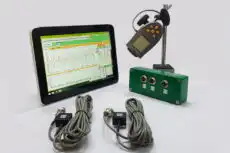
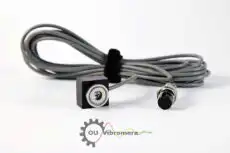
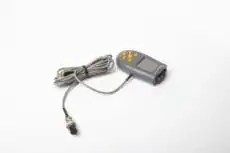
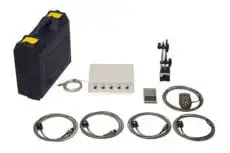
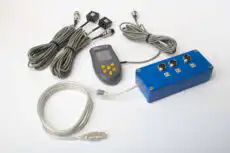
ਜਿੱਥੇ ਸਪੈਕਟ੍ਰਮ ਮਕੈਨੀਕਲ ਅਸੰਤੁਲਨ ਨੂੰ ਕਾਰਨ ਵਜੋਂ ਦਰਸਾਉਂਦਾ ਹੈ, ਨਿਦਾਨ ਸਿੱਧਾ ਸੁਧਾਰ ਵਿੱਚ ਜਾ ਸਕਦਾ ਹੈ: ਇੱਕ ਪੋਰਟੇਬਲ ਦੋ-ਚੈਨਲ ਯੰਤਰ ਜਿਵੇਂ ਕਿ Balanset-1A ਮਸ਼ੀਨ 'ਤੇ ਵਧੇ ਹੋਏ 1× ਪੱਧਰ ਦੀ ਪੁਸ਼ਟੀ ਵੀ ਕਰ ਸਕਦਾ ਹੈ ਅਤੇ ਰੋਟਰ ਨੂੰ ਬੈਲੇਂਸ ਕਰੋ ਉਸੇ ਵਿਜ਼ਿਟ 'ਤੇ, ਅਕਸਰ ਬਿਨਾਂ ਖੋਲ੍ਹੇ ਹੀ ਚੇਤਾਵਨੀ ਨੂੰ ਹੱਲ ਕਰ ਦਿੰਦਾ ਹੈ।
ਯੋਜਨਾਬੰਦੀ ਕਾਰਵਾਈਆਂ
- ਲੋੜੀਂਦੇ ਮੁਰੰਮਤ ਅਤੇ ਪੁਰਜ਼ਿਆਂ ਦਾ ਪਤਾ ਲਗਾਓ।
- ਲੋੜੀਂਦੇ ਸਪੇਅਰ ਖਰੀਦੋ।
- ਬੰਦ ਦੀ ਸਮਾਂ-ਸੀਮਾ ਤਹਿ ਕਰੋ।
- ਸਾਧਨ ਨਿਰਧਾਰਤ ਕਰੋ — ਸਟਾਫ਼ ਅਤੇ ਔਜ਼ਾਰ।
- ਸਪਸ਼ਟ ਕੰਮ ਦੀਆਂ ਹਦਾਇਤਾਂ ਤਿਆਰ ਕਰੋ।
ਲਾਗੂਕਰਨ ਸਮਾਂ-ਸੀਮਾ
- ਗ਼ੈਰ-ਨਾਜ਼ੁਕ ਉਪਕਰਨ: ਅਗਲਾ ਸੁਵਿਧਾਜਨਕ ਬੰਦ, ਲਗਭਗ 2–4 ਹਫ਼ਤੇ ਦੂਰ।
- ਮਹੱਤਵਪੂਰਨ ਉਪਕਰਨ: 1–2 ਹਫ਼ਤਿਆਂ ਦੇ ਅੰਦਰ ਯੋਜਨਾਬੱਧ ਸਮਰਪਿਤ ਬੰਦ।
- ਨਾਜ਼ੁਕ ਉਪਕਰਨ: ਤੇਜ਼ ਸਮਾਂ-ਸਾਰਣੀ, ਦਿਨਾਂ ਤੋਂ ਲੈ ਕੇ ਇੱਕ ਹਫ਼ਤੇ ਤੱਕ।
- ਸੈੱਟ ਕਰੋ: ਵਾਈਬ੍ਰੇਸ਼ਨ ਵਧਣ ਦੀ ਦਰ ਅਨੁਸਾਰ ਸਮਾਂ-ਸੀਮਾ ਨੂੰ ਸਖ਼ਤ ਜਾਂ ਢਿੱਲਾ ਕਰੋ।
5. ਦਸਤਾਵੇਜ਼ੀਕਰਨ, ਅਨੁਕੂਲਨ ਅਤੇ ਸੁਧਾਰ
ਰੱਖਣ ਵਾਲੇ ਰਿਕਾਰਡ
ਹਰ ਮਸ਼ੀਨ ਲਈ ਹਰ ਅਲਾਰਮ ਸੈੱਟਪੁਆਇੰਟ, ਚੁਣੇ ਗਏ ਪੱਧਰਾਂ ਪਿੱਛੇ ਦਾ ਤਰਕ, ਹਰੇਕ ਨੂੰ ਸਥਾਪਿਤ ਕੀਤੇ ਜਾਣ ਦੀ ਮਿਤੀ, ਬਾਅਦ ਵਿੱਚ ਹੋਈਆਂ ਕੋਈ ਵੀ ਤਬਦੀਲੀਆਂ, ਅਤੇ ਮਨਜ਼ੂਰੀ ਤੇ ਸਮੀਖਿਆ ਪ੍ਰਕਿਰਿਆ ਦਾ ਦਸਤਾਵੇਜ਼ੀਕਰਨ ਕਰੋ। ਅਲਾਰਮ ਘਟਨਾ ਲੌਗ ਵੀ ਰੱਖੋ: ਜਦੋਂ ਚੇਤਾਵਨੀ ਪੱਧਰ ਪਾਰ ਹੋਇਆ, ਉਸ ਸਮੇਂ ਵਾਈਬ੍ਰੇਸ਼ਨ ਦਾ ਮੁੱਲ ਅਤੇ ਰੁਝਾਨ, ਜਾਂਚ ਦੇ ਨਤੀਜੇ, ਕੀਤੀਆਂ ਗਈਆਂ ਕਾਰਵਾਈਆਂ, ਅਤੇ ਨਤੀਜਿਆਂ ਸਮੇਤ ਹੱਲ। ਚੰਗੇ ਰਿਕਾਰਡ ਸਿੱਧੇ ਮਸ਼ੀਨ ਦੇ ਡਾਇਗਨੌਸਟਿਕ ਰਿਪੋਰਟ ਇਤਿਹਾਸ ਦੇ ਸੰਦਰਭ ਵਿੱਚ ਕਰੋ।
ਪੱਧਰਾਂ ਨੂੰ ਟਿਊਨ ਕਰਨਾ
- ਝੂਠੇ ਅਲਾਰਮ ਦੀ ਟਰੈਕਿੰਗ: ਉਹਨਾਂ ਅਲਾਰਮਾਂ ਦੀ ਗਿਣਤੀ ਕਰੋ ਜੋ ਕਿਸੇ ਮਿਲੇ ਨੁਕਸ ਵੱਲ ਨਹੀਂ ਲੈ ਗਏ; 10% ਤੋਂ ਘੱਟ ਝੂਠੇ ਅਲਾਰਮ ਦਰ ਦਾ ਟੀਚਾ ਰੱਖੋ, ਅਤੇ ਜੇ ਉਹ ਬਹੁਤ ਵਾਰ ਟਰਿੱਗਰ ਹੁੰਦੇ ਹਨ ਤਾਂ ਪੱਧਰਾਂ ਨੂੰ ਉੱਪਰ ਵੱਲ ਢਿੱਲਾ ਕਰੋ।
- ਖੁੰਝੀ ਹੋਈ-ਖ਼ਰਾਬੀ ਦਾ ਵਿਸ਼ਲੇਸ਼ਣ: ਜੇ ਚੇਤਾਵਨੀ ਪੱਧਰ ਤੱਕ ਪਹੁੰਚਣ ਤੋਂ ਪਹਿਲਾਂ ਹੀ ਖ਼ਰਾਬੀ ਹੋ ਗਈ, ਤਾਂ ਪੱਧਰ ਬਹੁਤ ਢਿੱਲਾ ਸੀ — ਅਗਲੀ ਵਾਰ ਇਸਨੂੰ ਪਹਿਲਾਂ ਫੜਨ ਲਈ ਥ੍ਰੈਸ਼ਹੋਲਡ ਘਟਾਓ ਜਾਂ ਨਿਗਰਾਨੀ ਦੀ ਬਾਰੰਬਾਰਤਾ ਵਧਾਓ।
- ਲਗਾਤਾਰ ਸੁਧਾਰ: ਹਰ ਸਾਲ ਜਾਂ ਕਿਸੇ ਵੀ ਮਹੱਤਵਪੂਰਨ ਘਟਨਾ ਤੋਂ ਬਾਅਦ ਸਮੀਖਿਆ ਕਰੋ, ਸੰਚਾਲਨ ਅਨੁਭਵ ਨੂੰ ਸ਼ਾਮਲ ਕਰੋ, ਅਤੇ ਉਪਕਰਨ ਸੋਧਾਂ ਤੋਂ ਬਾਅਦ ਪੱਧਰਾਂ ਨੂੰ ਅੱਪਡੇਟ ਕਰੋ, ਹਰ ਤਬਦੀਲੀ ਦਾ ਦਸਤਾਵੇਜ਼ੀ ਰਿਕਾਰਡ ਰੱਖਦੇ ਹੋਏ।
ਚੇਤਾਵਨੀ ਪੱਧਰ ਕੰਡੀਸ਼ਨ ਮੌਨੀਟਰਿੰਗ ਪ੍ਰੋਗਰਾਮ ਵਿੱਚ ਕਾਰਵਾਈ ਥ੍ਰੈਸ਼ਹੋਲਡ ਹਨ ਜੋ ਯੋਜਨਾਬੱਧ ਰੱਖ-ਰਖਾਵ ਨੂੰ ਟਰਿੱਗਰ ਕਰਦੇ ਹਨ। ਪਹਿਲੀ ਚੇਤਾਵਨੀ ਅਤੇ ਨਾਜ਼ੁਕ ਸਥਿਤੀ ਦੇ ਵਿਚਕਾਰ ਸਹੀ ਢੰਗ ਨਾਲ ਸੈੱਟ ਕੀਤੇ ਜਾਣ 'ਤੇ, ਇਹ ਸਭ ਤੋਂ ਵਧੀਆ ਦਖ਼ਲਅੰਦਾਜ਼ੀ ਬਿੰਦੂ ਪ੍ਰਦਾਨ ਕਰਦੇ ਹਨ — ਸਮੱਸਿਆਵਾਂ ਦੀ ਪੁਸ਼ਟੀ ਹੋ ਚੁੱਕੀ ਹੈ, ਪਰ ਵਿਵਸਥਿਤ ਜਵਾਬ ਲਈ ਅਜੇ ਵੀ ਸਮਾਂ ਹੱਥ ਵਿੱਚ ਹੈ — ਜੋ ਭਵਿੱਖਬਾਣੀ ਰੱਖ-ਰਖਾਵ ਦਾ ਪੂਰਾ ਵਾਅਦਾ ਹੈ, ਯੋਜਨਾਬੱਧ, ਲਾਗਤ-ਪ੍ਰਭਾਵਸ਼ਾਲੀ ਰੱਖ-ਰਖਾਵ ਪ੍ਰਦਾਨ ਕਰਦੇ ਹੋਏ।

