ਕਪਲਿੰਗ ਖ਼ਰਾਬੀਆਂ ਨੂੰ ਸਮਝਣਾ

ਕਪਲਿੰਗ ਖ਼ਰਾਬੀਆਂ ਇੱਕ ਡਰਾਈਵਰ ਸ਼ਾਫਟ ਨੂੰ ਇੱਕ ਡ੍ਰਿਵਨ ਸ਼ਾਫਟ ਨਾਲ ਜੋੜਨ ਵਾਲੇ ਮਕੈਨੀਕਲ ਕਪਲਿੰਗਾਂ ਵਿੱਚ ਨੁਕਸਾਨ, ਘਿਸਾਵਟ ਜਾਂ ਖਰਾਬੀ ਹੁੰਦੀ ਹੈ — ਮੋਟਰ-ਤੋਂ-ਪੰਪ, ਮੋਟਰ-ਤੋਂ-ਫੈਨ, ਟਰਬਾਈਨ-ਤੋਂ-ਗੀਅਰਬਾਕਸ ਆਦਿ। ਇਹਨਾਂ ਵਿੱਚ ਘਿਸੇ ਹੋਏ ਲਚਕੀਲੇ ਤੱਤ, ਗੀਅਰ ਕਪਲਿੰਗਾਂ ਵਿੱਚ ਖਰਾਬ ਦੰਦ, ਟੁੱਟੇ ਜਾਂ ਫਟੇ ਇਲਾਸਟੋਮੈਰਿਕ ਇਨਸਰਟ, ਢਿੱਲੀ ਹੱਬ-ਟੂ-ਸ਼ਾਫਟ ਫਿਟਿੰਗ, ਅਤੇ ਲਗਾਤਾਰ ਮਿਸਅਲਾਈਨਮੈਂਟ ਕਾਰਨ ਹੋਇਆ ਨੁਕਸਾਨ ਸ਼ਾਮਲ ਹਨ। ਕਿਉਂਕਿ ਕਪਲਿੰਗ ਦੋ ਮਸ਼ੀਨਾਂ ਵਿਚਕਾਰ ਮਕੈਨੀਕਲ ਚੌਰਾਹੇ ਉੱਤੇ ਬੈਠਦੀ ਹੈ, ਇਸ ਦੇ ਨੁਕਸ ਇੱਕ ਵੱਖਰੀ ਵਾਈਬ੍ਰੇਸ਼ਨ ਸਿਗਨੇਚਰ ਪੈਦਾ ਕਰਦੇ ਹਨ: ਪ੍ਰਧਾਨ 2× ਅਤੇ 3× ਹਾਰਮੋਨਿਕਸ ਦਾ ਚੱਲਣ ਦੀ ਗਤੀ, ਜਿਸ ਦੇ ਨਾਲ ਅਕਸਰ ਉੱਚ ਧੁਰੇ ਦੇ ਨਾਲ ਕੰਬਣੀ.
ਇੱਕ ਕਪਲਿੰਗ ਦਾ ਕੰਮ ਦੋ ਵੱਖਰੇ ਤੌਰ 'ਤੇ ਲਗਾਏ ਸ਼ਾਫਟਾਂ ਵਿਚਕਾਰ ਛੋਟੀ, ਅਟੱਲ ਮਿਸਅਲਾਈਨਮੈਂਟ ਨੂੰ ਸਹਿਣ ਕਰਦੇ ਹੋਏ ਟਾਰਕ ਸੰਚਾਰਿਤ ਕਰਨਾ ਅਤੇ ਇੱਕ ਮਸ਼ੀਨ ਨੂੰ ਦੂਜੀ ਦੇ ਝਟਕਿਆਂ ਤੋਂ ਵੱਖ ਰੱਖਣਾ ਹੈ। ਪਰ ਇਹ ਲਚਕ ਸੀਮਤ ਹੁੰਦੀ ਹੈ। ਕਪਲਿੰਗਾਂ ਦੀ ਇੱਕ ਨਿਸ਼ਚਿਤ ਸੇਵਾ ਉਮਰ ਹੁੰਦੀ ਹੈ ਅਤੇ ਇਹ ਬਹੁਤ ਜ਼ਿਆਦਾ ਮਿਸਅਲਾਈਨਮੈਂਟ, ਓਵਰਲੋਡ, ਥਕਾਵਟ (ਫੈਟੀਗ) ਜਾਂ ਸਧਾਰਨ ਘਿਸਾਵਟ ਕਾਰਨ ਫੇਲ੍ਹ ਹੁੰਦੀਆਂ ਹਨ — ਜਿਸ ਕਰਕੇ ਨਿਯਮਤ ਜਾਂਚ ਅਤੇ ਵਾਈਬ੍ਰੇਸ਼ਨ ਨਿਗਰਾਨੀ ਦੀ ਮਿਹਨਤ ਕਈ ਗੁਣਾ ਲਾਭ ਦਿੰਦੀ ਹੈ।
1. ਆਮ ਕਪਲਿੰਗ ਕਿਸਮਾਂ ਅਤੇ ਉਹਨਾਂ ਦੇ ਨੁਕਸ
ਵੱਖ-ਵੱਖ ਕਪਲਿੰਗ ਡਿਜ਼ਾਈਨ ਵੱਖ-ਵੱਖ ਤਰੀਕਿਆਂ ਨਾਲ ਫੇਲ੍ਹ ਹੁੰਦੇ ਹਨ, ਇਸ ਲਈ ਕਿਸਮ ਦੀ ਪਛਾਣ ਕਰਨਾ ਇਸ ਦੇ ਲੱਛਣਾਂ ਦੀ ਵਿਆਖਿਆ ਕਰਨ ਦਾ ਪਹਿਲਾ ਕਦਮ ਹੈ।
ਇਲਾਸਟੋਮੈਰਿਕ (ਲਚਕੀਲੇ-ਤੱਤ) ਕਪਲਿੰਗਾਂ
ਇਹ ਰਬੜ ਜਾਂ ਪੌਲੀਯੂਰੀਥੇਨ ਤੱਤ ਰਾਹੀਂ ਟਾਰਕ ਸੰਚਾਰਿਤ ਕਰਦੀਆਂ ਹਨ ਜੋ ਮਿਸਅਲਾਈਨਮੈਂਟ ਨੂੰ ਸੋਖਣ ਲਈ ਮੁੜਦਾ ਹੈ। ਆਮ ਖਰਾਬੀਆਂ ਹਨ ਤੱਤ ਦੀ ਘਿਸਾਵਟ ਲਗਾਤਾਰ ਮੋੜਨ ਕਾਰਨ, ਥਕਾਵਟ ਦਰਾੜ ਪੈਣਾ, ਫਟਣਾ ਓਵਰਲੋਡ ਜਾਂ ਬਹੁਤ ਜ਼ਿਆਦਾ ਮਿਸਅਲਾਈਨਮੈਂਟ ਹੇਠ, ਸਖ਼ਤ ਹੋਣਾ ਜਿਵੇਂ ਗਰਮੀ ਅਤੇ ਉਮਰ ਤੱਤ ਦੀ ਲਚਕ ਖੋਹ ਲੈਂਦੀ ਹੈ, ਅਤੇ ਰਸਾਇਣਕ ਹਮਲਾ ਤੇਲ ਜਾਂ ਪ੍ਰਕਿਰਿਆ ਰਸਾਇਣਾਂ ਤੋਂ। ਜਿਵੇਂ-ਜਿਵੇਂ ਤੱਤ ਵਿਗੜਦਾ ਹੈ, 2× ਅਤੇ 3× ਹਾਰਮੋਨਿਕਸ ਵਧਦੇ ਹਨ, ਧੁਰੀ (ਐਕਸੀਅਲ) ਵਾਈਬ੍ਰੇਸ਼ਨ ਵਧਦੀ ਹੈ, ਅਤੇ ਪ੍ਰਤੀਕਿਰਿਆ ਅਸਥਿਰ ਹੋ ਜਾਂਦੀ ਹੈ; ਅੰਤਿਮ ਸਥਿਤੀ ਤੱਤ ਦਾ ਪੂਰੀ ਤਰ੍ਹਾਂ ਟੁੱਟਣਾ ਅਤੇ ਡਰਾਈਵ ਦਾ ਨੁਕਸਾਨ ਹੈ।
ਗੀਅਰ ਕਪਲਿੰਗਾਂ
ਇੱਥੇ ਟਾਰਕ ਮੇਸ਼ਿੰਗ ਗੀਅਰ ਦੰਦਾਂ ਰਾਹੀਂ ਲੰਘਦਾ ਹੈ ਜੋ ਮਿਸਅਲਾਈਨਮੈਂਟ ਨੂੰ ਸਹਿਣ ਕਰਨ ਲਈ ਖਿਸਕਦੇ ਹਨ। ਨੁਕਸਾਂ ਵਿੱਚ ਸ਼ਾਮਲ ਹਨ ਦੰਦਾਂ ਦੀ ਘਿਸਾਵਟ ਇਸ ਖਿਸਕਣ ਕਾਰਨ, ਲੁਬਰੀਕੇਸ਼ਨ ਫੇਲ੍ਹ ਹੋਣਾ ਜਿਸ ਨਾਲ ਘਸਾਈ (ਸਕਫਿੰਗ) ਹੁੰਦੀ ਹੈ, ਸੀਲ ਫੇਲ੍ਹ ਹੋਣਾ ਜਿਸ ਨਾਲ ਗਰੀਸ ਬਾਹਰ ਨਿਕਲਦੀ ਹੈ ਅਤੇ ਗੰਦਗੀ ਅੰਦਰ ਆਉਂਦੀ ਹੈ, ਸਪੱਸ਼ਟ ਦੰਦ ਟੁੱਟਣਾ ਓਵਰਲੋਡ ਜਾਂ ਥਕਾਵਟ ਹੇਠ, ਅਤੇ ਹੱਬ ਦੀ ਢਿੱਲ ਸ਼ਾਫਟ ਉੱਤੇ। ਵਾਈਬ੍ਰੇਸ਼ਨ ਮਜ਼ਬੂਤ 2× ਦਿਖਾਉਂਦੀ ਹੈ (ਘਿਸੀ ਹੋਈ ਕਪਲਿੰਗ ਰਾਹੀਂ ਸੰਚਾਰਿਤ ਮਿਸਅਲਾਈਨਮੈਂਟ ਸਿਗਨੇਚਰ), ਕਪਲਿੰਗ ਦੀ ਆਪਣੀ ਕੁਦਰਤੀ ਬਾਰੰਬਾਰਤਾ (ਅਕਸਰ 200–1000 Hz) 'ਤੇ ਸਿਖਰ, ਬੈਕਲੈਸ਼ ਬਹੁਤ ਜ਼ਿਆਦਾ ਵਧਣ 'ਤੇ ਖੜਖੜਾਹਟ ਅਤੇ ਟੱਕਰਾਂ, ਅਤੇ ਗੈਰ-ਲੀਨੀਅਰ ਦੰਦ ਸੰਪਰਕ ਤੋਂ ਹਾਰਮੋਨਿਕਸ ਦਾ ਇੱਕ ਝੁੰਡ। ਗੀਅਰ ਕਪਲਿੰਗਾਂ ਆਪਣੇ ਫੇਲ੍ਹ ਹੋਣ ਦੀ ਭੌਤਿਕੀ ਦਾ ਬਹੁਤਾ ਹਿੱਸਾ ਵੱਡੇ ਪਰਿਵਾਰ ਨਾਲ ਸਾਂਝਾ ਕਰਦੀਆਂ ਹਨ ਗੇਅਰ ਦੇ ਨੁਕਸ.
ਗਰਿੱਡ / ਮੈਟਾਲਿਕ-ਸਪਰਿੰਗ ਕਪਲਿੰਗਾਂ
ਲਚਕ ਪ੍ਰਦਾਨ ਕਰਨ ਲਈ ਇੱਕ ਸਰਪਾਈਨ ਧਾਤੂ ਗਰਿੱਡ ਸਲਾਟਾਂ ਵਿੱਚ ਬੈਠਦੀ ਹੈ। ਖਰਾਬੀਆਂ ਹਨ ਗਰਿੱਡ ਦੀ ਘਿਸਾਵਟ ਜਾਂ ਟੁੱਟਣਾ, ਸਪਰਿੰਗ-ਤੱਤ ਦੀ ਥਕਾਵਟ, ਲੁਬਰੀਕੇਸ਼ਨ ਦਾ ਵਿਗੜਨਾ ਅਤੇ ਕਵਰ-ਸੀਲ ਨੁਕਸਾਨ। ਲੱਛਣ ਹਨ ਵਧਦੀ 2× ਵਾਈਬ੍ਰੇਸ਼ਨ, ਢਿੱਲੇ ਜਾਂ ਟੁੱਟੇ ਗਰਿੱਡ ਹਿੱਸਿਆਂ ਤੋਂ ਸ਼ੋਰ, ਅਤੇ ਉੱਚ-ਬਾਰੰਬਾਰਤਾ ਖੜਖੜਾਹਟ।
ਡਿਸਕ / ਡਾਇਆਫ੍ਰਾਮ ਕਪਲਿੰਗਾਂ
ਇਹ ਪਤਲੀਆਂ ਧਾਤੂ ਡਿਸਕਾਂ ਨੂੰ ਮੋੜਦੀਆਂ ਹਨ ਅਤੇ ਕਿਸੇ ਲੁਬਰੀਕੇਸ਼ਨ ਦੀ ਲੋੜ ਨਹੀਂ ਪੈਂਦੀ, ਜੋ ਇਹਨਾਂ ਨੂੰ ਹਰਮਨਪਿਆਰਾ ਪਰ ਸਖ਼ਤ ਬਣਾਉਂਦਾ ਹੈ। ਨੁਕਸ ਹਨ ਡਿਸਕ ਥਕਾਵਟ (ਵਾਰ-ਵਾਰ ਮੋੜਨ ਨਾਲ ਦਰਾੜ ਪੈਣਾ), ਬੋਲਟ ਢਿੱਲ ਜੋੜਨ ਵਾਲੇ ਹਾਰਡਵੇਅਰ ਵਿੱਚ, ਅਤੇ ਪੂਰੀ ਡਿਸਕ-ਪੈਕ ਟੁੱਟਣਾ। ਕਿਉਂਕਿ ਕਪਲਿੰਗ ਸਖ਼ਤ ਹੁੰਦੀ ਹੈ, ਮਿਸਅਲਾਈਨਮੈਂਟ ਇਸ ਉੱਤੇ ਭਾਰੀ ਲੋਡ ਪਾਉਂਦੀ ਹੈ, ਜਿਸ ਨਾਲ ਉੱਚ 2× ਵਾਈਬ੍ਰੇਸ਼ਨ, ਬੋਲਟ ਢਿੱਲੇ ਹੋਣ 'ਤੇ ਧਾਤੂ ਖੜਖੜਾਹਟ, ਅਤੇ ਅਚਾਨਕ ਭਿਆਨਕ ਫੇਲ੍ਹ ਹੋਣ ਦੀ ਸੰਭਾਵਨਾ ਪੈਦਾ ਹੁੰਦੀ ਹੈ।
2. ਕਪਲਿੰਗ ਸਮੱਸਿਆਵਾਂ ਦੀਆਂ ਵਾਈਬ੍ਰੇਸ਼ਨ ਵਿਸ਼ੇਸ਼ਤਾਵਾਂ
ਇਹਨਾਂ ਸਾਰੀਆਂ ਕਿਸਮਾਂ ਵਿੱਚ, ਇੱਕ ਇਕਸਾਰ ਪੈਟਰਨ ਉੱਭਰਦਾ ਹੈ ਜੋ ਵਿਸ਼ਲੇਸ਼ਕ ਨੂੰ ਕਪਲਿੰਗ ਨੁਕਸ ਨੂੰ ਤੇਜ਼ੀ ਨਾਲ ਪਛਾਣਨ ਦਿੰਦਾ ਹੈ।
ਫ੍ਰੀਕੁਐਂਸੀ ਸਮੱਗਰੀ
- 2× ਪ੍ਰਧਾਨ: ਜ਼ਿਆਦਾਤਰ ਕਪਲਿੰਗ ਨੁਕਸ ਚੱਲਣ ਦੀ ਗਤੀ ਦੇ ਦੁੱਗਣੇ 'ਤੇ ਊਰਜਾ ਕੇਂਦਰਿਤ ਕਰਦੇ ਹਨ — ਇਹੀ ਵਿਸ਼ੇਸ਼ ਪਛਾਣ ਹੈ।
- 3× ਭਾਗ: ਅਕਸਰ ਮੌਜੂਦ ਹੁੰਦਾ ਹੈ, ਅਤੇ ਘਿਸੀ ਹੋਈ ਕਪਲਿੰਗ ਰਾਹੀਂ ਕਿਰਿਆਸ਼ੀਲ ਐਂਗੁਲਰ ਮਿਸਅਲਾਈਨਮੈਂਟ ਵੱਲ ਇੱਕ ਮਜ਼ਬੂਤ ਸੰਕੇਤ ਹੁੰਦਾ ਹੈ।
- 1× ਵਧ ਸਕਦਾ ਹੈ: ਕਪਲਿੰਗ ਅਸਮਾਨਤਾ ਇੱਕ ਅਸੰਤੁਲਨ-ਵਰਗਾ 1× ਭਾਗ ਜੋੜ ਸਕਦੀ ਹੈ।
- ਉੱਚ-ਫ੍ਰੀਕੁਐਂਸੀ ਸਮੱਗਰੀ: ਖੜਖੜਾਹਟ ਅਤੇ ਪ੍ਰਭਾਵ ਸਪੈਕਟ੍ਰਮ ਵਿੱਚ ਬ੍ਰੌਡਬੈਂਡ ਸ਼ੋਰ ਫੈਲਾਉਂਦੇ ਹਨ।
ਮਸ਼ੀਨ ਦੇ RPM ਨੂੰ ਸੰਬੰਧਿਤ 1×, 2× ਅਤੇ 3× ਬਾਰੰਬਾਰਤਾ (Hz ਵਿੱਚ) ਵਿੱਚ ਬਦਲਣਾ ਇੱਕ ਰੁਟੀਨ ਪਹਿਲਾ ਕਦਮ ਹੈ; ਇੱਕ ਹਾਰਮੋਨਿਕ ਫ੍ਰੀਕੁਐਂਸੀ ਕੈਲਕੁਲੇਟਰ ਇਹ ਕੰਮ ਇੱਕ ਹੀ ਕਦਮ ਵਿੱਚ ਕਰ ਦਿੰਦਾ ਹੈ ਅਤੇ ਤੁਹਾਨੂੰ ਸਪੈਕਟ੍ਰਮ ਉੱਤੇ ਕਰਸਰ ਰੱਖਣ ਵਿੱਚ ਮਦਦ ਕਰਦਾ ਹੈ।
ਦਿਸ਼ਾਤਮਕ ਵਿਸ਼ੇਸ਼ਤਾਵਾਂ
- ਉੱਚ ਧੁਰੀ (axial) ਵਾਈਬ੍ਰੇਸ਼ਨ: ਅਕਸਰ ਰੇਡੀਏਲ ਪੱਧਰ ਦੇ 50 % ਤੋਂ ਵੱਧ — ਕਪਲਿੰਗ ਰਾਹੀਂ ਪ੍ਰਸਾਰਿਤ ਮਿਸਅਲਾਈਨਮੈਂਟ ਦੀ ਕਲਾਸਿਕ ਪਛਾਣ।
- ਰੇਡੀਏਲ ਪੈਟਰਨ: ਕਪਲਿੰਗ ਦੇ ਸਭ ਤੋਂ ਨੇੜੇ ਦੇ ਬੇਅਰਿੰਗਾਂ ਵਿੱਚ ਸਭ ਤੋਂ ਵੱਧ ਹੁੰਦਾ ਹੈ।
- 180° ਐਕਸੀਅਲ ਫੇਜ਼: ਡਰਾਈਵਰ ਅਤੇ ਡ੍ਰਿਵਨ ਸਿਰਿਆਂ 'ਤੇ ਐਕਸੀਅਲ ਮਾਪ ਅਕਸਰ ਐਂਟੀ-ਫੇਜ਼ ਵਿੱਚ ਹੁੰਦੇ ਹਨ, ਜੋ ਇੱਕ ਸ਼ਕਤੀਸ਼ਾਲੀ ਪੁਸ਼ਟੀਕਰਨ ਸੰਕੇਤ ਹੈ।
3. ਖੋਜ ਅਤੇ ਡਾਇਗਨੋਸਿਸ
ਕਪਲਿੰਗ ਦੋਸ਼ ਦੀ ਪੁਸ਼ਟੀ ਕਰਨ ਲਈ ਇੰਸਟਰੂਮੈਂਟ ਡਾਟਾ ਨੂੰ ਹੱਥੀਂ ਨਿਰੀਖਣ ਨਾਲ ਜੋੜਿਆ ਜਾਂਦਾ ਹੈ।
ਵਾਈਬ੍ਰੇਸ਼ਨ ਵਿਸ਼ਲੇਸ਼ਣ
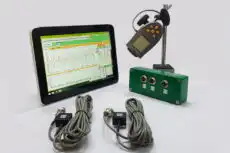
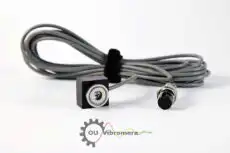
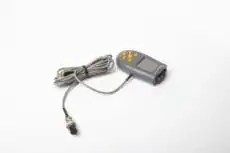
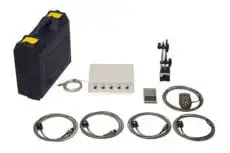
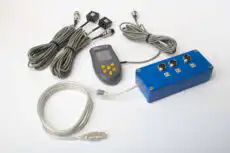
2× ਐਂਪਲੀਟਿਊਡ ਦਾ ਰੁਝਾਨ ਟਰੈਕ ਕਰੋ — ਲਗਾਤਾਰ ਵਾਧਾ ਵਧ ਰਹੇ ਘਸਾਅ ਜਾਂ ਮਿਸਅਲਾਈਨਮੈਂਟ ਦਾ ਸੰਕੇਤ ਦਿੰਦਾ ਹੈ — ਅਤੇ ਐਕਸੀਅਲ-ਤੋਂ-ਰੇਡੀਏਲ ਅਨੁਪਾਤ ਦੀ ਤੁਲਨਾ ਕਰੋ। ਉੱਚ-ਬਾਰੰਬਾਰਤਾ ਖੜਖੜਾਹਟ ਅਤੇ ਪ੍ਰਭਾਵ ਲਈ ਧਿਆਨ ਰੱਖੋ, ਅਤੇ ਵਰਤੋਂ ਕਰੋ ਫੇਜ਼ ਵਿਸ਼ਲੇਸ਼ਣ ਕਪਲਿੰਗ ਦੇ ਪਾਰ, ਜਿੱਥੇ ਦੋਵਾਂ ਸਿਰਿਆਂ ਵਿਚਕਾਰ ਵੱਡਾ ਫੇਜ਼ ਅੰਤਰ ਸਮੱਸਿਆ ਨੂੰ ਉਜਾਗਰ ਕਰਦਾ ਹੈ। ਇੱਕ ਪੋਰਟੇਬਲ ਦੋ-ਚੈਨਲ ਵਿਸ਼ਲੇਸ਼ਕ ਜਿਵੇਂ ਕਿ Balanset-1A ਇਹ ਕੰਮ ਲਈ ਬਹੁਤ ਢੁਕਵਾਂ ਹੈ: ਕਪਲਿੰਗ ਦੇ ਦੋਵਾਂ ਪਾਸਿਆਂ 'ਤੇ 1× ਅਤੇ 2× ਐਂਪਲੀਟਿਊਡ ਅਤੇ ਫੇਜ਼ ਨੂੰ ਇੱਕੋ ਸਮੇਂ ਮਾਪਣ ਨਾਲ ਇੰਜੀਨੀਅਰ ਨੂੰ ਸਾਈਟ 'ਤੇ ਹੀ ਇੱਕ ਅਸਲੀ ਕਪਲਿੰਗ/ਮਿਸਅਲਾਈਨਮੈਂਟ ਦੋਸ਼ ਨੂੰ ਰਹਿੰਦ-ਖੂੰਹਦ ਰੋਟਰ ਅਸੰਤੁਲਨ ਤੋਂ ਵੱਖ ਕਰਨ ਦਿੰਦਾ ਹੈ, ਇਸ ਤੋਂ ਪਹਿਲਾਂ ਕਿ ਇਹ ਫੈਸਲਾ ਕੀਤਾ ਜਾਵੇ ਕਿ ਹੱਲ ਰੀਅਲਾਈਨਮੈਂਟ, ਨਵਾਂ ਐਲੀਮੈਂਟ, ਜਾਂ ਰੋਟਰ ਬੈਲੇਂਸਿੰਗ। ਖੋਜਾਂ ਨੂੰ ਇੱਕ ਲਿਖਤੀ ਡਾਇਗਨੌਸਟਿਕ ਰਿਪੋਰਟ.
ਭੌਤਿਕ ਨਿਰੀਖਣ
- ਦ੍ਰਿਸ਼ਟੀਗਤ: ਦਰਾਰਾਂ, ਘਸਾਅ, ਨੁਕਸਾਨ ਅਤੇ ਤੇਲ ਲੀਕੇਜ ਲਈ ਦੇਖੋ।
- ਬੋਲਟ ਜਾਂਚਾਂ: ਪੁਸ਼ਟੀ ਕਰੋ ਕਿ ਹਰ ਕਪਲਿੰਗ ਬੋਲਟ ਕੱਸਿਆ ਹੋਇਆ ਹੈ।
- ਹੱਬ ਫਿਟ: ਸ਼ਾਫਟਾਂ 'ਤੇ ਢਿੱਲੇਪਣ ਦੀ ਜਾਂਚ ਕਰੋ — ਆਪਣੇ ਫਿਟ 'ਤੇ ਖਿਸਕਦਾ ਹੱਬ ਹੋਰ ਦੋਸ਼ਾਂ ਦੀ ਨਕਲ ਕਰਦਾ ਹੈ।
- ਲਚਕੀਲੇ ਤੱਤ: ਘਸਾਅ, ਦਰਾਰ ਅਤੇ ਸਖ਼ਤ ਹੋਣ ਲਈ ਨਿਰੀਖਣ ਕਰੋ।
- ਲੁਬਰੀਕੇਸ਼ਨ: ਗੀਅਰ ਅਤੇ ਗ੍ਰਿੱਡ ਕਪਲਿੰਗਾਂ ਵਿੱਚ ਗਰੀਸ ਦੀ ਮੌਜੂਦਗੀ ਅਤੇ ਸਾਫ਼-ਸੁਥਰੀ ਹਾਲਤ ਦੀ ਪੁਸ਼ਟੀ ਕਰੋ।
- ਅਲਾਈਨਮੈਂਟ: ਵਰਤੋਂ ਲੇਜ਼ਰ ਸ਼ਾਫ਼ਟ ਅਲਾਈਨਮੈਂਟ ਇਹ ਪੁਸ਼ਟੀ ਕਰਨ ਲਈ ਕਿ ਕਪਲਿੰਗ ਸਹਿਣਸ਼ੀਲਤਾ ਦੇ ਅੰਦਰ ਹੈ।
ਸੰਚਾਲਨ ਸੂਚਕ
ਇੰਦਰੀਆਂ ਕਾਫ਼ੀ ਕੁਝ ਫੜ ਲੈਂਦੀਆਂ ਹਨ: ਕਪਲਿੰਗ ਖੇਤਰ ਤੋਂ ਅਸਾਧਾਰਨ ਸ਼ੋਰ, ਦਿਖਾਈ ਦੇਣ ਵਾਲਾ ਨੁਕਸਾਨ ਜਾਂ ਘਸਾਅ, ਲੁਬਰੀਕੈਂਟ ਲੀਕੇਜ, ਛੂਹਣ 'ਤੇ ਗਰਮ ਕਪਲਿੰਗ, ਅਤੇ ਜ਼ਿਆਦਾ ਗਰਮ ਹੋ ਰਹੇ ਇਲਾਸਟੋਮੈਰਿਕ ਐਲੀਮੈਂਟ ਤੋਂ ਰਬੜ ਸੜਨ ਦੀ ਬਦਬੂ।
4. ਰੋਕਥਾਮੀ ਰੱਖ-ਰਖਾਅ
ਜ਼ਿਆਦਾਤਰ ਕਪਲਿੰਗ ਅਸਫਲਤਾਵਾਂ ਰੋਕੀਆਂ ਜਾ ਸਕਦੀਆਂ ਹਨ, ਅਤੇ ਰੋਕਥਾਮ ਉਸ ਸੈਕੰਡਰੀ ਨੁਕਸਾਨ ਨਾਲੋਂ ਕਿਤੇ ਸਸਤੀ ਹੈ ਜੋ ਇੱਕ ਅਸਫਲ ਕਪਲਿੰਗ ਜੁੜੇ ਉਪਕਰਣ ਨੂੰ ਪਹੁੰਚਾਉਂਦੀ ਹੈ।
ਅਲਾਈਨਮੈਂਟ
ਇੰਸਟਾਲੇਸ਼ਨ ਸਮੇਂ ਸਟੀਕ-ਅਲਾਈਨ ਕਰੋ, ਸਮੇਂ-ਸਮੇਂ 'ਤੇ (ਸਾਲਾਨਾ ਜਾਂ ਅਨੁਸੂਚੀ ਅਨੁਸਾਰ) ਅਲਾਈਨਮੈਂਟ ਦੀ ਪੁਸ਼ਟੀ ਕਰੋ, ਨਿਰਮਾਤਾ ਦੀ ਮਿਸਅਲਾਈਨਮੈਂਟ ਸਹਿਣਸ਼ੀਲਤਾ ਦੇ ਅੰਦਰ ਰਹੋ, ਅਤੇ ਥਰਮਲ ਵਾਧਾ ਦਾ ਹਿਸਾਬ ਰੱਖੋ ਤਾਂ ਜੋ ਠੰਢੀ ਹਾਲਤ ਵਿੱਚ ਅਲਾਈਨ ਕੀਤੀ ਮਸ਼ੀਨ ਸੰਚਾਲਨ ਤਾਪਮਾਨ 'ਤੇ ਵੀ ਅਲਾਈਨ ਰਹੇ। ਇੱਕ ਸ਼ਾਫਟ ਅਲਾਈਨਮੈਂਟ ਸਹਿਣਸ਼ੀਲਤਾ ਕੈਲਕੁਲੇਟਰ RPM ਨੂੰ ਕੰਮ ਲਈ ਮਨਜ਼ੂਰਸ਼ੁਦਾ ਆਫਸੈੱਟ ਅਤੇ ਐਂਗੁਲਰ ਸੀਮਾਵਾਂ ਵਿੱਚ ਬਦਲਦਾ ਹੈ।
ਲੁਬਰੀਕੇਸ਼ਨ (ਗੀਅਰ ਅਤੇ ਗ੍ਰਿੱਡ ਕਪਲਿੰਗਾਂ)
ਨਿਰਧਾਰਿਤ ਗਰੀਸ ਦੀ ਵਰਤੋਂ ਕਰੋ, ਅਨੁਸੂਚੀ ਅਨੁਸਾਰ ਦੁਬਾਰਾ ਲੁਬਰੀਕੇਟ ਕਰੋ (ਆਮ ਤੌਰ 'ਤੇ ਹਰ 6–12 ਮਹੀਨੇ), ਸੀਲਾਂ ਨੂੰ ਬਰਕਰਾਰ ਰੱਖੋ ਤਾਂ ਜੋ ਗਰੀਸ ਟਿਕੀ ਰਹੇ, ਅਤੇ ਹਰ ਓਵਰਹਾਲ 'ਤੇ ਸੀਲਾਂ ਬਦਲੋ। ਲੁਬਰੀਕੇਸ਼ਨ ਅਸਫਲਤਾ ਗੀਅਰ-ਕਪਲਿੰਗ ਦੰਦਾਂ ਦੀ ਤਬਾਹੀ ਦਾ ਸਭ ਤੋਂ ਤੇਜ਼ ਰਸਤਾ ਹੈ।
ਨਿਰੀਖਣ ਅਨੁਸੂਚੀ ਅਤੇ ਬਦਲੀ
ਇੱਕ ਪੱਧਰੀ ਰੁਟੀਨ ਚੰਗੀ ਤਰ੍ਹਾਂ ਕੰਮ ਕਰਦੀ ਹੈ: ਹਫ਼ਤਾਵਾਰ ਬਾਹਰੀ ਦ੍ਰਿਸ਼ਟੀਗਤ ਜਾਂਚਾਂ ਅਤੇ ਅਸਾਧਾਰਨ ਸ਼ੋਰ ਲਈ ਸੁਣਨਾ; ਤਿਮਾਹੀ ਵਾਈਬ੍ਰੇਸ਼ਨ ਰੁਝਾਨ ਅਤੇ ਤਾਪਮਾਨ ਜਾਂਚਾਂ; ਸਾਲਾਨਾ ਅਲਾਈਨਮੈਂਟ ਪੁਸ਼ਟੀਕਰਨ ਅਤੇ ਵਿਸਤ੍ਰਿਤ ਨਿਰੀਖਣ; ਅਤੇ ਪੂਰਾ ਵਿਖੰਡਨ ਅਤੇ ਅੰਦਰੂਨੀ ਨਿਰੀਖਣ 'ਤੇ ਵੱਡੀਆਂ ਬੰਦੀਆਂ (outages)। ਸਪੱਸ਼ਟ ਮਾਪਦੰਡਾਂ ਦੇ ਵਿਰੁੱਧ ਹਿੱਸਿਆਂ ਨੂੰ ਬਦਲੋ — ਇਲਾਸਟੋਮੈਰਿਕ ਐਲੀਮੈਂਟਾਂ ਨੂੰ ਜਦੋਂ ਉਹ ਆਪਣੀ ਡੂੰਘਾਈ ਦੇ ਲਗਭਗ ਇੱਕ-ਤਿਹਾਈ ਤੋਂ ਵੱਧ ਦਰਾਰੇ ਹੋਣ, ਜਦੋਂ ਸਖ਼ਤ ਹੋ ਜਾਣ, ਜਾਂ ਨਿਰਮਾਤਾ ਦੀ ਘੰਟਾ ਸੀਮਾ 'ਤੇ; ਗੀਅਰ-ਕਪਲਿੰਗ ਦੰਦਾਂ ਨੂੰ ਜਦੋਂ ਘਸਾਅ ਸੀਮਾਵਾਂ ਤੋਂ ਵੱਧ ਜਾਵੇ ਜਾਂ ਪਿਟਿੰਗ ਸਤਹ ਦੇ ~30 % ਤੋਂ ਵੱਧ ਹਿੱਸੇ ਨੂੰ ਢੱਕ ਲਵੇ; ਗ੍ਰਿੱਡ ਜਾਂ ਸਪਰਿੰਗ ਤੱਤਾਂ ਨੂੰ ਜਦੋਂ ਟੁੱਟ ਜਾਣ, ਦਰਾਰੇ ਹੋ ਜਾਣ ਜਾਂ ਬਦਲੀ ਅਨੁਸੂਚੀ ਅਨੁਸਾਰ; ਅਤੇ ਇੱਕ ਵੱਡੀ ਅਸਫਲਤਾ ਤੋਂ ਬਾਅਦ, ਦੋਵੇਂ ਅੱਧਿਆਂ ਅਤੇ ਹੱਬਾਂ ਨੂੰ ਇਕੱਠੇ ਬਦਲਣ 'ਤੇ ਵਿਚਾਰ ਕਰੋ। ਬਦਲੀ ਲਈ ਲਚਕੀਲਾ ਕਪਲਿੰਗ ਚੁਣਦੇ ਜਾਂ ਆਕਾਰ ਦਿੰਦੇ ਸਮੇਂ, ਇੱਕ ਲਚਕੀਲਾ ਕਪਲਿੰਗ ਕੈਲਕੁਲੇਟਰ ਅਤੇ ਇੱਕ ਕਪਲਿੰਗ ਅਸੰਤੁਲਨ ਸਹਿਣਸ਼ੀਲਤਾ ਕੈਲਕੁਲੇਟਰ ਇਸ ਨੂੰ ਡਿਊਟੀ ਨਾਲ ਮੇਲਣ ਅਤੇ ਸੰਤੁਲਨ ਬਜਟ ਵਿੱਚ ਇਸ ਦੇ ਯੋਗਦਾਨ ਦੀ ਪੁਸ਼ਟੀ ਕਰਨ ਵਿੱਚ ਮਦਦ ਕਰਦੇ ਹਨ।
ਕਪਲਿੰਗ ਦੋਸ਼ ਜੁੜੀਆਂ ਮਸ਼ੀਨਾਂ ਵਿੱਚ ਵਾਈਬ੍ਰੇਸ਼ਨ ਦੇ ਸਭ ਤੋਂ ਆਮ ਸਰੋਤਾਂ ਵਿੱਚੋਂ ਹਨ — ਪਰ ਸਭ ਤੋਂ ਵੱਧ ਪਛਾਣਨਯੋਗ ਵੀ। ਵਿਸ਼ੇਸ਼ਤਾ 2× ਦਸਤਖਤ ਉੱਚ ਐਕਸੀਅਲ ਵਾਈਬ੍ਰੇਸ਼ਨ ਨਾਲ ਮਿਲ ਕੇ ਇਹਨਾਂ ਨੂੰ ਆਸਾਨੀ ਨਾਲ ਪਛਾਣਨਯੋਗ ਬਣਾਉਂਦਾ ਹੈ, ਅਤੇ ਵਾਈਬ੍ਰੇਸ਼ਨ ਨਿਗਰਾਨੀ ਦੁਆਰਾ ਸਮਰਥਿਤ ਨਿਯਮਿਤ ਨਿਰੀਖਣ ਇੱਕ ਘਸੇ ਹੋਏ ਕਪਲਿੰਗ ਨੂੰ ਇੱਕ ਵਿਨਾਸ਼ਕਾਰੀ ਅਸਫਲਤਾ ਤੋਂ ਬਾਅਦ ਦੀ ਬਜਾਏ ਇੱਕ ਯੋਜਨਾਬੱਧ ਬੰਦੀ 'ਤੇ ਬਦਲਣ ਦੀ ਆਗਿਆ ਦਿੰਦੀ ਹੈ, ਜੋ ਜੁੜੀ ਮਸ਼ੀਨ ਨੂੰ ਵੀ ਆਪਣੇ ਨਾਲ ਲੈ ਜਾਂਦੀ ਹੈ।

