ਗੇਅਰ ਘਸਾਈ ਨੂੰ ਸਮਝਣਾ






ਗੇਅਰ ਘਸਾਈ ਗੇਅਰ-ਦੰਦ ਦੀਆਂ ਸਤਹਾਂ ਤੋਂ ਮਕੈਨਿਕਲ ਪ੍ਰਕਿਰਿਆਵਾਂ — ਘਸਾਈ, ਚਿਪਕਾਅ, ਸਤਹ ਥਕਾਵਟ, ਅਤੇ ਖੋਰ — ਕਾਰਨ ਸਮੱਗਰੀ ਦਾ ਹੌਲੀ-ਹੌਲੀ ਨੁਕਸਾਨ ਹੈ। ਟੁੱਟੇ ਹੋਏ ਦੰਦ ਦੀ ਅਚਾਨਕ ਅਸਫਲਤਾ ਦੇ ਉਲਟ, ਗੇਅਰ ਵੀਅਰ ਇੱਕ ਹੌਲੀ-ਹੌਲੀ ਵਾਪਰਨ ਵਾਲੀ ਗਿਰਾਵਟ ਹੈ ਜੋ ਦੰਦ ਦੀ ਪ੍ਰੋਫਾਈਲ ਨੂੰ ਮੁੜ-ਆਕਾਰ ਦਿੰਦੀ ਹੈ, ਵਧਾਉਂਦੀ ਹੈ ਬੈਕਲੈਸ਼, ਅਤੇ ਲਗਾਤਾਰ ਸ਼ੋਰ ਅਤੇ ਵਧਾਉਂਦੀ ਹੈ ਵਾਈਬ੍ਰੇਸ਼ਨ ਪੱਧਰਾਂ ਨੂੰ। ਜੇ ਨਾ ਰੋਕਿਆ ਜਾਵੇ ਤਾਂ ਇਹ ਕਾਰਜਸ਼ੀਲ ਅਸਫਲਤਾ ਵੱਲ ਲੈ ਜਾਂਦਾ ਹੈ ਜਦੋਂ ਸਮੱਗਰੀ ਦਾ ਨੁਕਸਾਨ ਬਹੁਤ ਜ਼ਿਆਦਾ ਹੋ ਜਾਂਦਾ ਹੈ ਜਾਂ ਵਧੇਰੇ ਗੰਭੀਰ ਨੁਕਸਾਨ ਦੇ ਢੰਗਾਂ ਵਿੱਚ ਬਦਲ ਜਾਂਦਾ ਹੈ ਜਿਵੇਂ ਕਿ ਪਿਟਿੰਗ ਜਾਂ ਦੰਦ ਟੁੱਟਣਾ। ਕਿਉਂਕਿ ਵੀਅਰ ਹੌਲੀ ਅਤੇ ਅਨੁਮਾਨਯੋਗ ਢੰਗ ਨਾਲ ਵਧਦਾ ਹੈ, ਇਹ ਟਰੈਕ ਕਰਨ ਲਈ ਸਭ ਤੋਂ ਲਾਭਦਾਇਕ ਨੁਕਸਾਂ ਵਿੱਚੋਂ ਇੱਕ ਹੈ: ਢੰਗਾਂ ਨੂੰ ਸਮਝਣਾ ਅਤੇ ਇਹਨਾਂ ਦੀ ਪ੍ਰਗਤੀ ਦੀ ਨਿਗਰਾਨੀ ਕਰਨਾ ਵਾਈਬ੍ਰੇਸ਼ਨ ਵਿਸ਼ਲੇਸ਼ਣ, ਤੇਲ ਵਿਸ਼ਲੇਸ਼ਣ, ਅਤੇ ਸਮੇਂ-ਸਮੇਂ ਦੀ ਜਾਂਚ ਇੱਕ ਸੰਭਾਵਿਤ ਖਰਾਬੀ ਨੂੰ ਇੱਕ ਯੋਜਨਾਬੱਧ, ਘੱਟ ਲਾਗਤ ਵਾਲੇ ਗੇਅਰ ਬਦਲਾਅ ਵਿੱਚ ਬਦਲ ਦਿੰਦੀ ਹੈ।
1. ਗੇਅਰ ਵੀਅਰ ਦੀਆਂ ਕਿਸਮਾਂ ਅਤੇ ਢੰਗ
ਵੀਅਰ ਇੱਕ ਹੀ ਪ੍ਰਕਿਰਿਆ ਨਹੀਂ ਹੈ। ਪਛਾਣ ਕਰਨਾ ਜੋ ਕਿਹੜਾ ਢੰਗ ਕੰਮ ਕਰ ਰਿਹਾ ਹੈ, ਇਸਨੂੰ ਰੋਕਣ ਵੱਲ ਪਹਿਲਾ ਕਦਮ ਹੈ, ਕਿਉਂਕਿ ਅਬ੍ਰੇਸਿਵ ਵੀਅਰ (ਸਾਫ਼ ਤੇਲ) ਦਾ ਇਲਾਜ ਸਕਫਿੰਗ (ਬਿਹਤਰ ਲੁਬਰੀਕੈਂਟ ਫਿਲਮ) ਦੇ ਇਲਾਜ ਤੋਂ ਵੱਖਰਾ ਹੈ। ਇਹ ਉਦਯੋਗਿਕ ਵਿੱਚ ਦੇਖੇ ਜਾਣ ਵਾਲੇ ਮੁੱਖ ਢੰਗ ਹਨ ਗੇਅਰਿੰਗ.
ਅਬ੍ਰੇਸਿਵ ਵੀਅਰ (ਘਸਾਈ ਨਾਲ ਖੋਰਾ)
ਉਦਯੋਗਿਕ ਗੇਅਰਬਾਕਸਾਂ ਵਿੱਚ ਸਭ ਤੋਂ ਆਮ ਢੰਗ। ਸਖ਼ਤ ਕਣ — ਮਿੱਟੀ, ਧਾਤੂ ਦੇ ਟੁਕੜੇ, ਜਾਂ ਪਹਿਲਾਂ ਬਣੇ ਵੀਅਰ ਮਲਬੇ — ਦੰਦ ਦੀਆਂ ਫਲੈਂਕਾਂ ਦੇ ਵਿਚਕਾਰ ਫਸ ਜਾਂਦੇ ਹਨ ਅਤੇ ਲੈਪਿੰਗ ਕੰਪਾਊਂਡ ਵਾਂਗ ਇੱਕ ਪੀਸਣ ਵਾਲੀ ਕਿਰਿਆ ਦੁਆਰਾ ਸਮੱਗਰੀ ਨੂੰ ਹਟਾਉਂਦੇ ਹਨ। ਨਤੀਜਾ ਇੱਕ ਪਾਲਿਸ਼ਡ, ਮੁਲਾਇਮ ਸਤਹ ਹੈ ਜਿਸ ਵਿੱਚੋਂ ਸਮੱਗਰੀ ਕਾਫ਼ੀ ਇਕਸਾਰ ਢੰਗ ਨਾਲ ਹਟਾਈ ਗਈ ਹੈ, ਅਤੇ ਦਰ ਪ੍ਰਦੂਸ਼ਣ ਪੱਧਰ ਅਤੇ ਲੋਡ ਦੋਵਾਂ ਦੇ ਅਨੁਸਾਰ ਵਧਦੀ ਹੈ। ਪ੍ਰਭਾਵਸ਼ਾਲੀ ਫਿਲਟਰੇਸ਼ਨ, ਚੰਗੀ ਸੀਲਿੰਗ, ਅਤੇ ਸਾਫ਼ ਅਸੈਂਬਲੀ ਮੁੱਖ ਬਚਾਅ ਹਨ।
ਐਡਹੀਸਿਵ ਵੀਅਰ (ਸਕਫਿੰਗ / ਸਕੋਰਿੰਗ)
ਇਹ ਗੰਭੀਰ ਲੋਡਿੰਗ ਜਾਂ ਨਾਕਾਫ਼ੀ ਲੁਬਰੀਕੇਸ਼ਨ ਹੇਠ ਵਾਪਰਦਾ ਹੈ, ਜਦੋਂ ਸੁਰੱਖਿਆਤਮਕ ਤੇਲ ਫਿਲਮ ਟੁੱਟ ਜਾਂਦੀ ਹੈ ਅਤੇ ਖੁਰਦਰੀਆਂ ਸਤਹਾਂ ਸੱਚੇ ਧਾਤੂ-ਤੋਂ-ਧਾਤੂ ਸੰਪਰਕ ਕਰਦੀਆਂ ਹਨ। ਸਲਾਈਡਿੰਗ ਸੰਪਰਕ ਬਿੰਦੂਆਂ 'ਤੇ ਸੂਖਮ ਵੈਲਡਿੰਗ ਅਤੇ ਫਟਣਾ ਖੁਰਦਰੀਆਂ, ਫਟੀਆਂ ਹੋਈਆਂ ਸਤਹਾਂ, ਮੇਲ ਖਾਂਦੇ ਦੰਦਾਂ ਵਿਚਕਾਰ ਦਿਖਾਈ ਦੇਣ ਵਾਲਾ ਸਮੱਗਰੀ ਟ੍ਰਾਂਸਫਰ, ਅਤੇ ਸਲਾਈਡਿੰਗ ਦਿਸ਼ਾ ਦੇ ਨਾਲ ਇਕਸਾਰ ਸਕੋਰਿੰਗ ਦੇ ਨਿਸ਼ਾਨ ਪੈਦਾ ਕਰਦੇ ਹਨ। ਸਕਫਿੰਗ ਖ਼ਤਰਨਾਕ ਹੈ ਕਿਉਂਕਿ ਇਹ ਸ਼ੁਰੂ ਹੋਣ ਤੋਂ ਬਾਅਦ ਤੇਜ਼ੀ ਨਾਲ ਵਧ ਸਕਦੀ ਹੈ, ਵਿਨਾਸ਼ਕਾਰੀ ਅਸਫਲਤਾ ਤੱਕ ਵਧਦੀ ਹੋਈ; ਢੁਕਵੀਂ ਲੁਬਰੀਕੇਸ਼ਨ, ਅਤਿ-ਦਬਾਅ (EP) ਐਡਿਟਿਵ, ਅਤੇ ਘਟਾਏ ਹੋਏ ਲੋਡ ਇਸਨੂੰ ਕਾਬੂ ਵਿੱਚ ਰੱਖਦੇ ਹਨ।
ਮਾਈਕ੍ਰੋਪਿਟਿੰਗ
ਇੱਕ ਸਤਹ-ਥਕਾਵਟ ਵੀਅਰ ਢੰਗ ਜੋ ਇੱਕ ਬਾਰੀਕ, ਧੁੰਦਲੀ ਬਣਤਰ ਪੈਦਾ ਕਰਦਾ ਹੈ। ਪਤਲੀਆਂ ਲੁਬਰੀਕੈਂਟ ਫਿਲਮਾਂ ਖੁਰਦਰੀਆਂ ਦੇ ਪੱਧਰ 'ਤੇ ਉੱਚ ਸੰਪਰਕ ਤਣਾਅ ਦੀ ਆਗਿਆ ਦਿੰਦੀਆਂ ਹਨ, ਜੋ ਲਗਭਗ 10–50 µm ਆਕਾਰ ਦੇ ਹਜ਼ਾਰਾਂ ਸੂਖਮ ਟੋਏ ਅਤੇ ਇੱਕ ਵਿਸ਼ੇਸ਼ ਮੈਟ-ਸਲੇਟੀ ਦਿੱਖ ਪੈਦਾ ਕਰਦੀਆਂ ਹਨ। ਇਹ ਆਮ ਤੌਰ 'ਤੇ ਪਿੱਚ ਲਾਈਨ ਦੇ ਨੇੜੇ ਕੇਂਦ੍ਰਿਤ ਹੁੰਦਾ ਹੈ, ਜਿੱਥੇ ਰੋਲਿੰਗ ਅਤੇ ਸਲਾਈਡਿੰਗ ਮਿਲ ਜਾਂਦੇ ਹਨ। ਮਾਈਕ੍ਰੋਪਿਟਿੰਗ ਹਲਕੀ ਹੋਣ 'ਤੇ ਸਥਿਰ ਹੋ ਸਕਦੀ ਹੈ, ਜਾਂ ਗੰਭੀਰ ਹੋਣ 'ਤੇ ਮੈਕਰੋਪਿਟਿੰਗ ਵਿੱਚ ਬਦਲ ਸਕਦੀ ਹੈ — ਅਤੇ ਦੋਵਾਂ ਹਾਲਤਾਂ ਵਿੱਚ ਇਹ ਦੰਦ ਦੀ ਪ੍ਰੋਫਾਈਲ ਬਦਲਦੀ ਹੈ ਅਤੇ ਸ਼ੋਰ ਅਤੇ ਵਾਈਬ੍ਰੇਸ਼ਨ ਵਧਾਉਂਦੀ ਹੈ।
ਮੱਧਮ (ਸਧਾਰਨ) ਵੀਅਰ
ਹਰ ਵੀਅਰ ਨੁਕਸ ਨਹੀਂ ਹੈ। ਸਾਲਾਂ ਵਿੱਚ ਹੌਲੀ-ਹੌਲੀ ਪਾਲਿਸ਼ਿੰਗ ਅਤੇ ਸਮੱਗਰੀ ਹਟਾਉਣ ਦੀ ਇੱਕ ਹੱਦ ਸਾਰੀ ਗੇਅਰਿੰਗ ਵਿੱਚ ਆਮ ਹੈ। ਦਰ ਹੌਲੀ ਅਤੇ ਅਨੁਮਾਨਯੋਗ ਹੋਣੀ ਚਾਹੀਦੀ ਹੈ (ਗੇਅਰ ਦੀ ਜ਼ਿੰਦਗੀ ਵਿੱਚ 0.1 mm ਤੋਂ ਕਾਫ਼ੀ ਘੱਟ) ਅਤੇ ਜੇ ਇਹ ਡਿਜ਼ਾਈਨ ਸਹਿਣਸ਼ੀਲਤਾ ਦੇ ਅੰਦਰ ਰਹਿੰਦੀ ਹੈ ਤਾਂ ਪੂਰੀ ਤਰ੍ਹਾਂ ਸਵੀਕਾਰਯੋਗ ਹੈ। ਸਧਾਰਨ ਨੂੰ ਪਛਾਣਨਾ ਘਸਾਈ ਬੇਲੋੜੀ ਦਖਲਅੰਦਾਜ਼ੀ ਨੂੰ ਰੋਕਦਾ ਹੈ।
ਕਾਰੋਸਿਵ ਵੀਅਰ (ਖੋਰ ਨਾਲ ਖਰਾਬੀ)
ਨਮੀ, ਤੇਜ਼ਾਬੀ ਲੁਬਰੀਕੈਂਟਸ, ਜਾਂ ਰਸਾਇਣਕ ਪ੍ਰਦੂਸ਼ਣ ਦੇ ਕਾਰਨ, ਕਾਰੋਸਿਵ ਵੀਅਰ ਜੰਗਾਲ-ਰੰਗ ਦੇ ਧੱਬੇ, ਸਤਹ ਦੇ ਖੁਰਦਰੇਪਣ, ਅਤੇ ਗੜ੍ਹਿਆਂ ਦੇ ਰੂਪ ਵਿੱਚ ਦਿਖਾਈ ਦਿੰਦੀ ਹੈ। ਇਹ ਸਭ ਤੋਂ ਆਮ ਹੁੰਦੀ ਹੈ ਜਦੋਂ ਗੇਅਰਬਾਕਸ ਨਮੀ ਦੀ ਮੌਜੂਦਗੀ ਨਾਲ ਵਿਹਲਾ ਪਿਆ ਰਹਿੰਦਾ ਹੈ — ਉਦਾਹਰਨ ਲਈ ਇੱਕ ਸਟੈਂਡਬਾਏ ਡਰਾਈਵ ਜਾਂ ਸਟੋਰੇਜ ਵਿੱਚ ਪਈ ਯੂਨਿਟ। ਸਹੀ ਸੀਲਿੰਗ, ਖੋਰ-ਰੋਕੂ ਪਦਾਰਥ, ਅਤੇ ਸਟੋਰੇਜ ਸੁਰੱਖਿਆ (ਬ੍ਰੀਦਰ ਡੈਸੀਕੈਂਟਸ ਸਮੇਤ) ਮਿਆਰੀ ਰੋਕਥਾਮ ਉਪਾਅ ਹਨ।
2. ਗੇਅਰ ਵੀਅਰ ਦੇ ਪ੍ਰਭਾਵ
ਜਿਵੇਂ-ਜਿਵੇਂ ਸਮੱਗਰੀ ਫਲੈਂਕਾਂ ਤੋਂ ਗਾਇਬ ਹੁੰਦੀ ਹੈ, ਨਤੀਜੇ ਜਿਓਮੈਟਰੀ ਤੋਂ, ਪ੍ਰਦਰਸ਼ਨ ਤੱਕ, ਵਧਦੇ ਹੋਏ ਸਵੈ-ਨੁਕਸਾਨ ਤੱਕ ਵਧਦੇ ਹਨ।
ਜਿਓਮੈਟ੍ਰਿਕ ਬਦਲਾਅ
- ਪ੍ਰੋਫਾਈਲ ਸੋਧ: ਇਨਵੌਲਿਊਟ ਪ੍ਰੋਫਾਈਲ ਖ਼ਰਾਬ ਹੋ ਜਾਂਦੀ ਹੈ, ਜਿਸ ਨਾਲ ਮੁਲਾਇਮ ਸੰਯੁਕਤ ਕਿਰਿਆ ਵਿਗੜਦੀ ਹੈ ਜੋ ਮੈਸ਼ ਨੂੰ ਸ਼ਾਂਤ ਰੱਖਦੀ ਹੈ।
- ਵਧਿਆ ਹੋਇਆ ਬੈਕਲੈਸ਼: ਸਮੱਗਰੀ ਦਾ ਨੁਕਸਾਨ ਮੇਲ ਖਾਂਦੇ ਦੰਦਾਂ ਵਿਚਕਾਰ ਕਲੀਅਰੈਂਸ ਖੋਲ੍ਹਦਾ ਹੈ।
- ਘਟਿਆ ਹੋਇਆ ਸੰਪਰਕ ਅਨੁਪਾਤ: ਕਿਸੇ ਵੀ ਪਲ 'ਤੇ ਘੱਟ ਦੰਦ ਲੋਡ ਸਾਂਝਾ ਕਰਦੇ ਹਨ।
- ਲੋਡ ਸੰਘਣਾਪਣ: ਬਾਕੀ ਬਚਿਆ ਸੰਪਰਕ ਖੇਤਰ ਵੱਧ ਤਣਾਅ ਸਹਿਣ ਕਰਦਾ ਹੈ।
ਪ੍ਰਦਰਸ਼ਨ ਵਿੱਚ ਗਿਰਾਵਟ
- ਵਧੀ ਹੋਈ ਵਾਈਬ੍ਰੇਸ਼ਨ: ਖ਼ਰਾਬ ਦੰਦ ਸੰਪਰਕ ਅਤੇ ਵੱਖ-ਵੱਖ ਮੈਸ਼ ਸਖ਼ਤੀ ਸਮੇਂ-ਸਮੇਂ ਦੇ ਝਟਕੇ ਪੈਦਾ ਕਰਦੇ ਹਨ।
- ਸ਼ੋਰ: ਬੈਕਲੈਸ਼ ਤੋਂ ਖੜਖੜਾਹਟ ਅਤੇ ਸਤਹ ਖੁਰਦਰੇਪਣ ਤੋਂ ਚੀਕਵੀਂ ਆਵਾਜ਼।
- ਘੱਟੀ ਹੋਈ ਕੁਸ਼ਲਤਾ: ਵਧਿਆ ਹੋਇਆ ਰਗੜ ਨੁਕਸਾਨ ਇਨਪੁਟ ਪਾਵਰ ਬਰਬਾਦ ਕਰਦਾ ਹੈ।
- ਸ਼ੁੱਧਤਾ ਦਾ ਨੁਕਸਾਨ: ਵਧਦਾ ਬੈਕਲੈਸ਼ ਇੰਡੈਕਸਿੰਗ ਅਤੇ ਸਰਵੋ ਡਰਾਈਵਾਂ ਵਿੱਚ ਪੋਜ਼ੀਸ਼ਨਿੰਗ ਸ਼ੁੱਧਤਾ ਨੂੰ ਘਟਾਉਂਦਾ ਹੈ।
ਤੇਜ਼ ਖਰਾਬੀ
ਵੀਅਰ ਆਪਣੇ ਆਪ ਨੂੰ ਹੋਰ ਵਧਾਉਣ ਦਾ ਰੁਝਾਨ ਰੱਖਦੀ ਹੈ। ਖ਼ਰਾਬ ਹੋਏ ਦੰਦ ਵੱਧ ਲੋਡ ਚੁੱਕਦੇ ਹਨ ਕਿਉਂਕਿ ਘੱਟ ਦੰਦ ਇਸਨੂੰ ਸਾਂਝਾ ਕਰਦੇ ਹਨ, ਤਣਾਅ ਖ਼ਰਾਬ ਹੋਏ ਖੇਤਰਾਂ ਵਿੱਚ ਕੇਂਦ੍ਰਿਤ ਹੁੰਦਾ ਹੈ, ਅਤੇ ਪ੍ਰਕਿਰਿਆ ਗੜ੍ਹਿਆਂ ਜਾਂ ਸਿੱਧੇ ਦੰਦ ਟੁੱਟਣ ਵਿੱਚ ਬਦਲ ਸਕਦੀ ਹੈ। ਇਸ ਤੋਂ ਵੀ ਬੁਰਾ, ਵੀਅਰ ਦੁਆਰਾ ਪੈਦਾ ਹੋਇਆ ਮਲਬਾ ਹੋਰ ਅਬ੍ਰੇਸਿਵ ਵੀਅਰ ਲਈ ਘਸਾਈ ਕਰਨ ਵਾਲਾ ਪਦਾਰਥ ਬਣ ਜਾਂਦਾ ਹੈ — ਇੱਕ ਸਕਾਰਾਤਮਕ-ਫੀਡਬੈਕ ਲੂਪ ਜੋ ਬਿਲਕੁਲ ਇਹੀ ਕਾਰਨ ਹੈ ਕਿ ਸ਼ੁਰੂਆਤੀ ਪਛਾਣ ਲਾਭਦਾਇਕ ਹੁੰਦੀ ਹੈ।
3. ਖੋਜ ਵਿਧੀਆਂ
ਕਈ ਪੂਰਕ ਤਕਨੀਕਾਂ ਵੱਖ-ਵੱਖ ਪੜਾਵਾਂ 'ਤੇ ਵੀਅਰ ਨੂੰ ਫੜਦੀਆਂ ਹਨ। ਸਭ ਤੋਂ ਮਜ਼ਬੂਤ ਪ੍ਰੋਗਰਾਮ ਘੱਟੋ-ਘੱਟ ਦੋ ਨੂੰ ਜੋੜਦੇ ਹਨ, ਕਿਉਂਕਿ ਹਰ ਇੱਕ ਇਸੇ ਗਿਰਾਵਟ ਦੇ ਵੱਖਰੇ ਪਹਿਲੂ ਨੂੰ ਦੇਖਦਾ ਹੈ।
ਵਾਈਬ੍ਰੇਸ਼ਨ ਵਿਸ਼ਲੇਸ਼ਣ
ਗੇਅਰ ਜੋੜੇ ਦਾ ਮੈਸ਼ ਗੀਅਰ ਮੇਸ਼ ਫ੍ਰੀਕੁਐਂਸੀ (GMF), ਅਤੇ ਵੀਅਰ ਇਸਦੇ ਆਲੇ-ਦੁਆਲੇ ਸਪਸ਼ਟ ਨਿਸ਼ਾਨ ਛੱਡਦੀ ਹੈ:
- GMF ਐਂਪਲੀਟਿਊਡ ਰੁਝਾਨ: ਹੌਲੀ-ਹੌਲੀ ਵਾਧਾ ਵਧਦੀ ਵੀਅਰ ਨੂੰ ਦਰਸਾਉਂਦਾ ਹੈ।
- ਹਾਰਮੋਨਿਕ ਵਿਕਾਸ: ਜਿਵੇਂ ਪ੍ਰੋਫਾਈਲ ਖ਼ਰਾਬ ਹੁੰਦੀ ਹੈ 2×GMF ਅਤੇ 3×GMF ਦਾ ਉੱਭਰਨਾ ਅਤੇ ਵਧਣਾ।
- ਸਾਈਡਬੈਂਡ: ਸ਼ਾਫਟ-ਸਪੀਡ ਸਾਈਡਬੈਂਡਸ GMF ਦੇ ਆਲੇ-ਦੁਆਲੇ ਉੱਭਰਦੀਆਂ, ਮੈਸ਼ ਦੇ ਮੌਡੂਲੇਸ਼ਨ ਦਾ ਸੰਕੇਤ ਦਿੰਦੀਆਂ।
- ਬ੍ਰੌਡਬੈਂਡ ਸ਼ੋਰ: ਸਤਹ ਖੁਰਦਰੇਪਣ ਤੋਂ ਵਧੀ ਹੋਈ ਉੱਚ-ਫ੍ਰੀਕੁਐਂਸੀ ਸਮੱਗਰੀ।
- ਸਮਾਂ ਵੇਵਫਾਰਮ: ਵਧਦੀ ਅਨਿਯਮਿਤਤਾ ਅਤੇ ਪ੍ਰਭਾਵ ਟਾਈਮ ਵੇਵਫਾਰਮ (ਸਮਾਂ ਤਰੰਗ-ਰੂਪ).
ਪਹਿਲਾਂ ਕਿੱਥੇ ਦੇਖਣਾ ਹੈ, ਇਹ ਸਹੀ ਜਾਣਨਾ ਵਿਆਖਿਆ ਨੂੰ ਬਹੁਤ ਸੌਖਾ ਬਣਾਉਂਦਾ ਹੈ; ਇਹ ਗੀਅਰ ਮੈਸ਼ ਫ੍ਰੀਕੁਐਂਸੀ ਕੈਲਕੁਲੇਟਰ ਦੰਦਾਂ ਦੀ ਗਿਣਤੀ ਅਤੇ ਸ਼ਾਫਟ ਸਪੀਡ ਤੋਂ ਸਪੈਕਟ੍ਰਮ ਖੋਲ੍ਹਣ ਤੋਂ ਪਹਿਲਾਂ ਹੀ ਤੁਹਾਨੂੰ ਅਨੁਮਾਨਿਤ GMF ਅਤੇ ਸਾਈਡਬੈਂਡ ਸਪੇਸਿੰਗ ਦਿੰਦਾ ਹੈ।
ਤੇਲ ਵਿਸ਼ਲੇਸ਼ਣ
- ਵੀਅਰ-ਕਣ ਵਿਸ਼ਲੇਸ਼ਣ: ਤੇਲ ਦੇ ਨਮੂਨਿਆਂ ਵਿੱਚ ਲੋਹੇ ਦੀ ਗਾੜ੍ਹਾਪਣ ਨੂੰ ਟਰੈਕ ਕਰਨਾ।
- ਫੈਰੋਗ੍ਰਾਫੀ: ਕਣਾਂ ਦੀ ਬਣਤਰ ਦਾ ਵਰਗੀਕਰਨ ਕਰਨਾ — ਰਗੜਨ ਬਨਾਮ ਕੱਟਣ ਬਨਾਮ ਥਕਾਵਟ (ਫਟੀਗ) ਕਣ — ਘਿਸਾਵਟ ਦੇ ਢੰਗ ਦੀ ਪਛਾਣ ਕਰਨ ਲਈ।
- ਸਪੈਕਟ੍ਰੋਗ੍ਰਾਫਿਕ ਵਿਸ਼ਲੇਸ਼ਣ: ਤੱਤਵੀ ਬਣਤਰ ਜੋ ਦੱਸਦੀ ਹੈ ਕਿ ਕਿਹੜੀਆਂ ਘਿਸਾਵਟ ਧਾਤਾਂ ਮੌਜੂਦ ਹਨ।
- ਕਣ ਗਿਣਤੀ (ਪਾਰਟੀਕਲ ਕਾਊਂਟਿੰਗ): ਮਲਬੇ ਦੀ ਗਾੜ੍ਹਾਪਣ ਅਤੇ ਆਕਾਰ ਵੰਡ ਦੇ ਰੁਝਾਨ ਨੂੰ ਟਰੈਕ ਕਰਨਾ।
- ਸ਼ੁਰੂਆਤੀ ਖੋਜ: ਤੇਲ ਵਿਸ਼ਲੇਸ਼ਣ ਕਿਸੇ ਵੀ ਵਾਈਬ੍ਰੇਸ਼ਨ ਲੱਛਣ ਤੋਂ ਪਹਿਲਾਂ ਅਸਧਾਰਨ ਘਿਸਾਵਟ ਦਾ ਸੰਕੇਤ ਦੇ ਸਕਦਾ ਹੈ, ਜਿਸ ਨਾਲ ਇਹ ਇੱਕ ਸ਼ਕਤੀਸ਼ਾਲੀ ਪਹਿਲਾ ਅਲਾਰਮ ਬਣ ਜਾਂਦਾ ਹੈ।
ਦ੍ਰਿਸ਼ਟੀ ਨਿਰੀਖਣ
ਸਿੱਧੀ ਜਾਂਚ ਸਭ ਤੋਂ ਨਿਰਣਾਇਕ ਬਣੀ ਰਹਿੰਦੀ ਹੈ। ਬੋਰਸਕੋਪ ਇੰਸਪੈਕਸ਼ਨ ਬਿਨਾਂ ਵੱਖ ਕੀਤੇ ਦੇਖਣ ਦੀ ਸਹੂਲਤ ਦਿੰਦਾ ਹੈ; ਪੂਰੀ ਜਾਂਚ ਓਵਰਹਾਲ ਦੌਰਾਨ ਹੁੰਦੀ ਹੈ। ਇੰਜੀਨੀਅਰ ਪਿੱਚ ਲਾਈਨ ’ਤੇ ਦੰਦ ਦੀ ਮੋਟਾਈ ਮਾਪਦੇ ਹਨ, ਸੰਪਰਕ ਪੈਟਰਨ ਦੀ ਜਾਂਚ ਕਰਦੇ ਹਨ (ਬਲੂਇੰਗ ਜਾਂ ਕੋਟਿੰਗ ਟ੍ਰਾਂਸਫਰ ਵਰਤ ਕੇ), ਇਤਿਹਾਸਕ ਤੁਲਨਾ ਲਈ ਦੰਦਾਂ ਦੀਆਂ ਤਸਵੀਰਾਂ ਲੈਂਦੇ ਹਨ, ਅਤੇ ਨਿਰਮਾਤਾ ਦੀਆਂ ਪ੍ਰਕਾਸ਼ਿਤ ਘਿਸਾਵਟ ਸੀਮਾਵਾਂ ਨਾਲ ਨਤੀਜਿਆਂ ਦੀ ਤੁਲਨਾ ਕਰਦੇ ਹਨ।
ਸ਼ੋਰ ਨਿਗਰਾਨੀ
ਧੁਨੀ (ਐਕੌਸਟਿਕ) ਢੰਗ ਟੂਲਕਿੱਟ ਨੂੰ ਪੂਰਾ ਕਰਦੇ ਹਨ: ਅਕੌਸਟਿਕ ਐਮਿਸ਼ਨ ਦੰਦਾਂ ਦੇ ਸੰਪਰਕਾਂ ਤੋਂ, ਸਤ੍ਹਾ ਦੀ ਹਾਲਤ ਦੀ ਅਲਟਰਾਸੋਨਿਕ ਮਾਪ, ਅਤੇ ਸਧਾਰਨ ਸੁਣਨਯੋਗ-ਸ਼ੋਰ ਤਬਦੀਲੀਆਂ ਜੋ ਅਕਸਰ ਕਿਸੇ ਸੈਂਸਰ ਰਾਊਟ ਚਲਾਏ ਜਾਣ ਤੋਂ ਬਹੁਤ ਪਹਿਲਾਂ ਇੱਕ ਤਜਰਬੇਕਾਰ ਓਪਰੇਟਰ ਨੂੰ ਸੁਚੇਤ ਕਰਦੀਆਂ ਹਨ।
4. ਰੋਕਥਾਮ ਅਤੇ ਜੀਵਨ ਕਾਲ ਵਧਾਉਣਾ
ਜ਼ਿਆਦਾਤਰ ਗੀਅਰ ਘਿਸਾਵਟ ਕਾਬੂ ਵਿੱਚ ਲਿਆਈ ਜਾ ਸਕਦੀ ਹੈ। ਚਾਰ ਮੁੱਖ ਕਾਰਕ — ਲੁਬਰੀਕੇਸ਼ਨ, ਗੰਦਗੀ ਕੰਟਰੋਲ, ਲੋਡ ਪ੍ਰਬੰਧਨ, ਅਤੇ ਅਲਾਈਨਮੈਂਟ — ਇਸ ਵਿੱਚ ਸਭ ਤੋਂ ਵੱਧ ਭੂਮਿਕਾ ਨਿਭਾਉਂਦੇ ਹਨ।
ਸਹੀ ਲੁਬਰੀਕੇਸ਼ਨ
ਲੋਡ ਅਤੇ ਸਪੀਡ ਲਈ ਸਹੀ ਲੁਬਰੀਕੈਂਟ ਲੇਸਦਾਰਤਾ (viscosity) ਵਰਤੋ, ਵੱਧ ਲੋਡਾਂ ਲਈ EP ਐਡਿਟਿਵ ਸ਼ਾਮਲ ਕਰੋ, ਅਤੇ ਲੋੜੀਂਦੀ ਮਾਤਰਾ ਤੇ ਵਹਾਅ ਯਕੀਨੀ ਬਣਾਓ। ਫਿਲਟਰੇਸ਼ਨ ਰਾਹੀਂ ਤੇਲ ਦੀ ਸਾਫ਼-ਸਫ਼ਾਈ ਬਣਾਈ ਰੱਖਣਾ ਅਤੇ ਨਿਰਮਾਤਾ ਦੇ ਸ਼ਡਿਊਲ ’ਤੇ ਤੇਲ ਬਦਲਣਾ ਉਸ ਫਿਲਮ ਦੀ ਰੱਖਿਆ ਕਰਦਾ ਹੈ ਜੋ ਅਡਹੀਸਿਵ ਘਿਸਾਵਟ ਨੂੰ ਦੂਰ ਰੱਖਦੀ ਹੈ।
ਗੰਦਗੀ ਨਿਯੰਤਰਣ
ਪ੍ਰਭਾਵਸ਼ਾਲੀ ਸੀਲਿੰਗ ਕਣਾਂ ਦੇ ਦਾਖਲੇ ਨੂੰ ਰੋਕਦੀ ਹੈ; ਫਿਲਟਰ ਕੀਤੇ ਬ੍ਰੀਦਰ ਗੀਅਰਬਾਕਸ ਨੂੰ ਗਰਮ ਅਤੇ ਠੰਢਾ ਹੋਣ ਵੇਲੇ ਧੂੜ ਖਿੱਚਣ ਤੋਂ ਰੋਕਦੇ ਹਨ; ਸਾਫ਼ ਅਸੈਂਬਲੀ ਅਤੇ ਰੱਖ-ਰਖਾਅ ਅਭਿਆਸ ਮਲਬੇ ਦੇ ਦਾਖਲੇ ਤੋਂ ਬਚਾਉਂਦੇ ਹਨ; ਅਤੇ ਲਗਭਗ 10–25 µm ਐਬਸੋਲਿਊਟ ਦਰਜੇ ਵਾਲੇ ਤੇਲ-ਫਿਲਟਰੇਸ਼ਨ ਸਿਸਟਮ ਪਹਿਲਾਂ ਤੋਂ ਮੌਜੂਦ ਅਪਘਰਸ਼ਕਾਂ (abrasives) ਨੂੰ ਹਟਾਉਂਦੇ ਹਨ।
ਲੋਡ ਪ੍ਰਬੰਧਨ
ਡਿਜ਼ਾਈਨ ਲੋਡ ਰੇਟਿੰਗਾਂ ਦੇ ਅੰਦਰ ਕੰਮ ਕਰੋ, ਝਟਕਾ ਲੋਡ ਅਤੇ ਅਚਾਨਕ ਲੋਡ ਬਦਲਾਅ ਤੋਂ ਬਚੋ, ਟ੍ਰਾਂਸਮਿਟ ਹੋ ਰਹੇ ਟਾਰਕ ਅਤੇ ਪਾਵਰ ਦੀ ਨਿਗਰਾਨੀ ਕਰੋ, ਅਤੇ ਜੇ ਗੀਅਰਬਾਕਸ ਲਗਾਤਾਰ ਓਵਰਲੋਡ ਹੁੰਦਾ ਹੈ ਤਾਂ ਇਸਨੂੰ ਵੱਡਾ ਕਰਨ ’ਤੇ ਵਿਚਾਰ ਕਰੋ।
ਅਲਾਈਨਮੈਂਟ ਅਤੇ ਇੰਸਟਾਲੇਸ਼ਨ
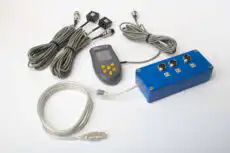
ਯਕੀਨੀ ਬਣਾਓ ਕਿ ਸੰਪਰਕ ਪੈਟਰਨ ਪੂਰੀ ਫੇਸ ਚੌੜਾਈ ਵਿੱਚ ਫੈਲਦਾ ਹੈ, ਕਿਸੇ ਵੀ ਸ਼ਾਫਟ ਮਿਸਅਲਾਈਨਮੈਂਟ ਨੂੰ ਠੀਕ ਕਰੋ ਜੋ ਕਿਨਾਰੇ ਦੇ ਲੋਡਿੰਗ ਦਾ ਕਾਰਨ ਬਣਦਾ ਹੈ, ਬੈਅਰਿੰਗਾਂ ਨੂੰ ਸਹੀ ਢੰਗ ਨਾਲ ਚੁਣੋ ਅਤੇ ਬਣਾਈ ਰੱਖੋ, ਅਤੇ ਪੁਸ਼ਟੀ ਕਰੋ ਕਿ ਬੈਕਲੈਸ਼ ਸਪੈਸੀਫਿਕੇਸ਼ਨ ਦੇ ਅੰਦਰ ਹੈ। ਧਿਆਨ ਦਿਓ ਕਿ ਗੀਅਰਬਾਕਸ ਦੀ ਗ਼ਲਤ-ਅਲਾਈਨਮੈਂਟ ਅਕਸਰ ਉੱਪਰ ਵੱਲ ਤੋਂ ਪੈਦਾ ਹੁੰਦੀ ਹੈ — ਇੱਕ ਮਾੜੀ ਅਲਾਈਨ ਕੀਤੀ ਕਪਲਿੰਗ ਜਾਂ ਬਾਕੀ ਬਚਿਆ ਅਸੰਤੁਲਨ ਡ੍ਰਾਈਵਿੰਗ ਰੋਟਰ ਵਿੱਚ ਦੰਦਾਂ ’ਤੇ ਅਸਮਾਨ ਲੋਡ ਪਾਉਂਦਾ ਹੈ। ਇੱਕ ਪੋਰਟੇਬਲ ਬੈਲੇਂਸਰ ਅਤੇ ਵਿਸ਼ਲੇਸ਼ਕ ਜਿਵੇਂ ਕਿ Balanset-1A ਨਾਲ ਖੇਤਰ ਵਿੱਚ ਇਹਨਾਂ ਮੂਲ ਕਾਰਨਾਂ ਨੂੰ ਠੀਕ ਕਰਨਾ ਗੀਅਰ ਘਿਸਾਵਟ ਦੇ ਤੇਜ਼ ਹੋਣ ਦੇ ਇੱਕ ਲੁਕਵੇਂ ਕਾਰਕ ਨੂੰ ਦੰਦਾਂ ਦੀਆਂ ਸਤ੍ਹਾਵਾਂ ਤੱਕ ਪਹੁੰਚਣ ਤੋਂ ਪਹਿਲਾਂ ਹੀ ਹਟਾ ਦਿੰਦਾ ਹੈ।
5. ਗੀਅਰ ਕਦੋਂ ਬਦਲੀਏ
ਆਖਰਕਾਰ ਘਿਸਾਵਟ 'ਨਿਗਰਾਨੀ' ਤੋਂ 'ਬਦਲੀ' ਵੱਲ ਦੀ ਲਕੀਰ ਪਾਰ ਕਰ ਜਾਂਦੀ ਹੈ। ਸਪੱਸ਼ਟ, ਮਾਪਣਯੋਗ ਮਾਪਦੰਡ ਇਸ ਫੈਸਲੇ ਨੂੰ ਪ੍ਰਤੀਕਿਰਿਆਸ਼ੀਲ ਦੀ ਬਜਾਏ ਬੇਸ਼ੱਕ ਰੱਖਦੇ ਹਨ।
ਬਦਲੀ ਦੇ ਮਾਪਦੰਡ
- ਦੰਦ ਦੀ ਮੋਟਾਈ: ਨਿਰਮਾਤਾ ਦੀ ਸੀਮਾ ਤੋਂ ਵੱਧ ਘਿਸਾਵਟ, ਆਮ ਤੌਰ ’ਤੇ 10–20% ਸਮੱਗਰੀ ਦਾ ਨੁਕਸਾਨ।
- ਵਾਈਬ੍ਰੇਸ਼ਨ ਪੱਧਰ: GMF ਐਂਪਲੀਟਿਊਡ ਲੁਬਰੀਕੇਸ਼ਨ ਸੁਧਾਰਾਂ ਦੇ ਬਾਵਜੂਦ ਅਲਾਰਮ ਸੀਮਾਵਾਂ ਤੋਂ ਵੱਧ ਜਾਣਾ।
- ਪਿਟਿੰਗ ਦੀ ਹੱਦ: ਦੰਦ ਦੀ ਸਤ੍ਹਾ ਦੇ ਲਗਭਗ 30% ਤੋਂ ਵੱਧ ਹਿੱਸੇ ’ਤੇ ਦਰਮਿਆਨੀ ਤੋਂ ਗੰਭੀਰ ਪਿਟਿੰਗ ਦਿਖਾਈ ਦੇਣਾ।
- ਸਕੋਰਿੰਗ / ਸਕਫਿੰਗ: ਕੋਈ ਵੀ ਦਰਮਿਆਨੀ ਤੋਂ ਗੰਭੀਰ ਸਕੋਰਿੰਗ ਆਪਣੇ ਆਪ ਵਿੱਚ ਇੱਕ ਬਦਲੀ ਟ੍ਰਿਗਰ ਹੈ।
- ਸ਼ੋਰ: ਬਹੁਤ ਜ਼ਿਆਦਾ ਸ਼ੋਰ ਜੋ ਦੰਦਾਂ ਦੇ ਮਾੜੇ ਸੰਪਰਕ ਨੂੰ ਦਰਸਾਉਂਦਾ ਹੈ।
- ਬੈਕਲੈਸ਼: ਮਾਪੇ ਗਏ ਮੁੱਲ ਵੱਧ ਤੋਂ ਵੱਧ ਨਿਰਧਾਰਿਤ ਸੀਮਾ ਤੋਂ ਵੱਧ।
ਸਮਾਂ-ਸਾਰਣੀ ਸੰਬੰਧੀ ਵਿਚਾਰ
ਸ਼ਡਿਊਲ ਕੀਤੇ ਬੰਦ (outages) ਸਮੇਂ ਦੇ ਆਲੇ-ਦੁਆਲੇ ਬਦਲੀ ਦੀ ਯੋਜਨਾ ਬਣਾਓ, ਨਾ ਕਿ ਐਮਰਜੈਂਸੀ ਵਿੱਚ। ਮੇਲਦੇ ਗੀਅਰਾਂ ਨੂੰ ਜੋੜੇ ਵਜੋਂ ਬਦਲੋ — ਇਹ ਇਕੱਠੇ ਘਿਸਦੇ ਹਨ, ਅਤੇ ਇੱਕ ਘਿਸੇ ਹੋਏ ਨਾਲ ਮੇਲ ਖਾਂਦਾ ਨਵਾਂ ਗੀਅਰ ਤੇਜ਼ੀ ਨਾਲ ਘਿਸਦਾ ਹੈ। ਜੇ ਹਾਊਸਿੰਗ ਨੂੰ ਨੁਕਸਾਨ ਪਹੁੰਚਿਆ ਹੈ ਤਾਂ ਪੂਰੀ ਗੀਅਰਬਾਕਸ ਬਦਲੀ ਨੂੰ ਸਿਰਫ਼-ਗੀਅਰ ਬਦਲੀ ਦੇ ਮੁਕਾਬਲੇ ਤੋਲੋ, ਅਤੇ ਬਦਲੀ ਗੀਅਰਾਂ ਦਾ ਆਰਡਰ ਪਹਿਲਾਂ ਹੀ ਦਿਓ, ਕਿਉਂਕਿ ਕੱਟੇ ਹੋਏ ਗੀਅਰਾਂ ਦੀ ਸਪੁਰਦਗੀ ਵਿੱਚ ਲੰਬਾ ਸਮਾਂ ਲੱਗ ਸਕਦਾ ਹੈ।
ਗੀਅਰ ਘਿਸਾਵਟ ਪਾਵਰ ਟ੍ਰਾਂਸਮਿਸ਼ਨ ਦਾ ਇੱਕ ਅਟੱਲ ਨਤੀਜਾ ਹੈ, ਪਰ ਇਹ ਸਭ ਤੋਂ ਵੱਧ ਪ੍ਰਬੰਧਨਯੋਗ ਵੀ ਹੈ। ਸਹੀ ਲੁਬਰੀਕੇਸ਼ਨ, ਅਨੁਸ਼ਾਸਿਤ ਗੰਦਗੀ ਕੰਟਰੋਲ, ਅਤੇ ਵਿਵਸਥਿਤ ਸਥਿਤੀ ਨਿਗਰਾਨੀ — ਖਾਸ ਤੌਰ ’ਤੇ ਗੀਅਰ ਮੈਸ਼ ਫ੍ਰੀਕੁਐਂਸੀ ਅਤੇ ਇਸ ਦੇ ਸਾਈਡਬੈਂਡਾਂ ਨੂੰ ਤੇਲ ਵਿਸ਼ਲੇਸ਼ਣ ਨਾਲ ਟਰੈਕ ਕਰਨਾ — ਦੁਆਰਾ ਘਿਸਾਵਟ ਦਰਾਂ ਘਟਾਈਆਂ ਜਾ ਸਕਦੀਆਂ ਹਨ, ਗੀਅਰਬਾਕਸ ਦਾ ਜੀਵਨ ਕਾਲ ਵਧਾਇਆ ਜਾ ਸਕਦਾ ਹੈ, ਅਤੇ ਕਿਸੇ ਵੀ ਵਿਨਾਸ਼ਕਾਰੀ ਅਸਫਲਤਾ ਹੋਣ ਤੋਂ ਬਹੁਤ ਪਹਿਲਾਂ ਯੋਜਨਾਬੱਧ ਸ਼ਡਿਊਲ ’ਤੇ ਗੀਅਰ ਬਦਲੀ ਕੀਤੀ ਜਾ ਸਕਦੀ ਹੈ।

