ਰੂਟ-ਅਧਾਰਿਤ ਡਾਟਾ ਕਲੈਕਸ਼ਨ ਨੂੰ ਸਮਝਣਾ

ਰੂਟ-ਅਧਾਰਿਤ ਡਾਟਾ ਕੁਲੈਕਸ਼ਨ (Route-Based Data Collection) ਦੀਆਂ ਬੁਨਿਆਦ ਹੈ ਬਹੁਤੇ ਭਵਿੱਖਬਾਣੀ ਰੱਖ-ਰਖਾਵ (PdM) ਅਤੇ ਵਾਈਬ੍ਰੇਸ਼ਨ ਨਿਗਰਾਨੀ ਪ੍ਰੋਗਰਾਮਾਂ ਦਾ। ਇਹ ਇੱਕ ਯੋਜਨਾਬੱਧ, ਸਮੇਂ-ਸਮੇਂ ਵਾਲੀ ਪ੍ਰਕਿਰਿਆ ਹੈ ਜਿਸ ਵਿੱਚ ਇੱਕ ਤਕਨੀਸ਼ੀਅਨ ਇੱਕ ਪੋਰਟੇਬਲ ਵਾਈਬ੍ਰੇਸ਼ਨ ਵਿਸ਼ਲੇਸ਼ਕ ਜਾਂ ਡਾਟਾ ਕਲੈਕਟਰ ਨੂੰ ਪਲਾਂਟ ਵਿੱਚ ਇੱਕ ਪਹਿਲਾਂ ਤੋਂ ਤੈਅ ਕੀਤੇ ਰਸਤੇ ਦੇ ਨਾਲ-ਨਾਲ ਲੈ ਕੇ ਜਾਂਦਾ ਹੈ, ਮਸ਼ੀਨਾਂ ਅਤੇ ਮਾਪ ਬਿੰਦੂਆਂ ਦੀ ਇੱਕ ਨਿਸ਼ਚਿਤ ਸੂਚੀ ਤੋਂ ਰੀਡਿੰਗਾਂ ਇਕੱਠੀਆਂ ਕਰਦਾ ਹੈ। ਇਹਨਾਂ ਰੀਡਿੰਗਾਂ ਦੀ ਦੁਹਰਾਈ ਜਾਣ ਵਾਲੀ, ਇਕਸਾਰ ਪ੍ਰਕਿਰਤੀ ਹੀ ਹੈ ਜੋ ਰੁਝਾਨ ਨੂੰ ਸੰਭਵ ਬਣਾਉਂਦੀ ਹੈ — ਅਤੇ ਟ੍ਰੈਂਡਿੰਗ ਉਹ ਚੀਜ਼ ਹੈ ਜੋ ਮਸ਼ੀਨ ਦੀ ਸਿਹਤ ਵਿੱਚ ਹੌਲੀ-ਹੌਲੀ ਹੋ ਰਹੀ ਗਿਰਾਵਟ ਨੂੰ ਪ੍ਰਗਟ ਕਰਦੀ ਹੈ ਜੋ ਵਿਕਸਿਤ ਹੋ ਰਹੀ ਖਰਾਬੀ ਦਾ ਸੰਕੇਤ ਦਿੰਦੀ ਹੈ।
1. ਪਰਿਭਾਸ਼ਾ: ਰੂਟ-ਅਧਾਰਿਤ ਡਾਟਾ ਕਲੈਕਸ਼ਨ ਕੀ ਹੈ?
“ਰੂਟ” ਇੱਕ ਤਰਕਸੰਗਤ ਰਸਤਾ ਹੈ ਜਿਸਦਾ ਤਕਨੀਸ਼ੀਅਨ ਪਾਲਣ ਕਰਦਾ ਹੈ, ਇਹ ਯਕੀਨੀ ਬਣਾਉਂਦੇ ਹੋਏ ਕਿ ਸਾਰਾ ਲੋੜੀਂਦਾ ਡਾਟਾ ਇੱਕੋ ਤਰੀਕੇ ਨਾਲ, ਇੱਕੋ ਬਿੰਦੂਆਂ 'ਤੇ, ਨਿਯਮਤ ਅੰਤਰਾਲਾਂ 'ਤੇ ਇਕੱਠਾ ਕੀਤਾ ਜਾਵੇ — ਆਮ ਤੌਰ 'ਤੇ ਮਹੀਨਾਵਾਰ ਜਾਂ ਤਿਮਾਹੀ। ਹਰ ਵਾਰ ਇੱਕੋ ਜਿਹੀਆਂ ਸੈਟਿੰਗਾਂ ਹੇਠ ਡਾਟਾ ਇਕੱਠਾ ਕਰਨਾ ਕੋਈ ਸਹੂਲਤ ਨਹੀਂ ਹੈ; ਇਹ ਇੱਕ ਲਾਜ਼ਮੀ ਸ਼ਰਤ ਹੈ। ਟ੍ਰੈਂਡ ਵਿਸ਼ਲੇਸ਼ਣ ਤਾਂ ਹੀ ਕੰਮ ਕਰਦਾ ਹੈ ਜਦੋਂ ਅੱਜ ਦੀ ਮਾਪ ਪਿਛਲੀ ਤਿਮਾਹੀ ਦੀ ਮਾਪ ਨਾਲ ਸੱਚਮੁੱਚ ਤੁਲਨਾਯੋਗ ਹੋਵੇ, ਜਿਸਦਾ ਮਤਲਬ ਹੈ ਹਰ ਵਾਰ ਇੱਕੋ ਸੈਂਸਰ ਸਥਾਨ, ਇੱਕੋ ਸਥਿਤੀ, ਇੱਕੋ ਗਤੀ ਅਤੇ ਲੋਡ, ਅਤੇ ਇੱਕੋ ਪ੍ਰਾਪਤੀ ਪੈਰਾਮੀਟਰ।
ਇਹ ਸਮੇਂ-ਸਮੇਂ ਵਾਲੀ ਪਹੁੰਚ ਇੱਕ ਰੂਪ ਹੈ ਸਮੇਂ-ਸਮੇਂ ਦੀ ਨਿਗਰਾਨੀ ਦਾ ਅਤੇ ਇਹ ਇਸ ਵਿਸ਼ਾਲ ਅਨੁਸ਼ਾਸਨ ਦੇ ਅੰਦਰ ਆਉਂਦੀ ਹੈ ਸਥਿਤੀ ਨਿਗਰਾਨੀ ਜੋ ਮਿਆਰਾਂ ਵਿੱਚ ਪਰਿਭਾਸ਼ਿਤ ਹੈ ਜਿਵੇਂ ਕਿ ISO 17359.
2. ਰੂਟ-ਅਧਾਰਿਤ ਪ੍ਰੋਗਰਾਮ ਦਾ ਵਰਕਫਲੋ
ਇੱਕ ਪਰਿਪੱਕ ਰੂਟ-ਅਧਾਰਿਤ ਪ੍ਰੋਗਰਾਮ ਇੱਕ ਨਿਰੰਤਰ ਚੱਕਰ ਵਜੋਂ ਚੱਲਦਾ ਹੈ:
- ਡਾਟਾਬੇਸ ਸੈੱਟਅੱਪ: ਇੱਕ PC 'ਤੇ ਹੋਸਟ ਸਾਫਟਵੇਅਰ ਵਿੱਚ ਇੱਕ ਡਾਟਾਬੇਸ ਬਣਾਇਆ ਜਾਂਦਾ ਹੈ, ਜੋ ਲੜੀਵਾਰ ਢੰਗ ਨਾਲ ਢਾਂਚਾਗਤ ਹੁੰਦਾ ਹੈ (ਪਲਾਂਟ > ਖੇਤਰ > ਮਸ਼ੀਨ > ਮਾਪ ਬਿੰਦੂ)। ਹਰੇਕ ਬਿੰਦੂ ਲਈ, ਵਿਸ਼ਲੇਸ਼ਕ ਡਾਟਾ-ਪ੍ਰਾਪਤੀ ਪੈਰਾਮੀਟਰ ਪਰਿਭਾਸ਼ਿਤ ਕਰਦਾ ਹੈ — Fmax, ਰੈਜ਼ੋਲੂਸ਼ਨ, ਔਸਤਾਂ ਦੀ ਗਿਣਤੀ — ਅਤੇ ਅਲਾਰਮ ਪੱਧਰ ਜਿਸਦੇ ਵਿਰੁੱਧ ਰੀਡਿੰਗਾਂ ਦਾ ਮੁਲਾਂਕਣ ਕੀਤਾ ਜਾਵੇਗਾ।
- ਰੂਟ ਡਾਊਨਲੋਡ: ਇੱਕ ਦਿੱਤੇ ਦਿਨ ਜਾਂ ਹਫ਼ਤੇ ਲਈ ਰੂਟ ਹੋਸਟ ਸਾਫਟਵੇਅਰ ਤੋਂ ਪੋਰਟੇਬਲ ਡਾਟਾ ਕੁਲੈਕਟਰ ਵਿੱਚ ਡਾਊਨਲੋਡ ਕੀਤਾ ਜਾਂਦਾ ਹੈ। ਇਹ ਮਾਪੀਆਂ ਜਾਣ ਵਾਲੀਆਂ ਮਸ਼ੀਨਾਂ ਅਤੇ ਬਿੰਦੂਆਂ ਦੀ ਸੂਚੀ ਸਾਰੇ ਪਹਿਲਾਂ ਤੋਂ ਤੈਅ ਸੈੱਟਅਪ ਪੈਰਾਮੀਟਰਾਂ ਦੇ ਨਾਲ ਲੈ ਕੇ ਜਾਂਦਾ ਹੈ, ਤਾਂ ਜੋ ਫੀਲਡ ਵਿੱਚ ਕੁਝ ਵੀ ਦੁਬਾਰਾ ਦਰਜ ਨਾ ਕਰਨਾ ਪਵੇ।
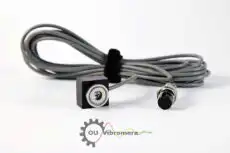
- ਡਾਟਾ ਕਲੈਕਸ਼ਨ: ਤਕਨੀਸ਼ੀਅਨ ਕੁਲੈਕਟਰ 'ਤੇ ਰੂਟ 'ਤੇ ਚੱਲਦਾ ਹੈ। ਹਰੇਕ ਮਸ਼ੀਨ 'ਤੇ ਉਹ ਇੱਕ ਸੈਂਸਰ ਲਗਾਉਂਦੇ ਹਨ — ਆਮ ਤੌਰ 'ਤੇ ਇੱਕ ਐਕਸੀਲਰੋਮੀਟਰ ਚੁੰਬਕ ਦੇ ਨਾਲ — ਨਿਸ਼ਚਿਤ ਬਿੰਦੂ 'ਤੇ (ਉਦਾਹਰਨ ਲਈ “ਮੋਟਰ ਆਊਟਬੋਰਡ ਬੇਅਰਿੰਗ, ਹਰੀਜ਼ੌਂਟਲ”) ਅਤੇ ਰੀਡਿੰਗ ਪ੍ਰਾਪਤ ਕਰਦੇ ਹਨ। ਕੁਲੈਕਟਰ ਉਹਨਾਂ ਨੂੰ ਕਦਮ-ਦਰ-ਕਦਮ ਕ੍ਰਮ ਰਾਹੀਂ ਮਾਰਗਦਰਸ਼ਨ ਕਰਦਾ ਹੈ।
- ਡਾਟਾ ਅੱਪਲੋਡ: ਜਦੋਂ ਰੂਟ ਪੂਰਾ ਹੋ ਜਾਂਦਾ ਹੈ, ਕੁਲੈਕਟਰ ਨੂੰ ਹੋਸਟ PC ਨਾਲ ਦੁਬਾਰਾ ਜੋੜਿਆ ਜਾਂਦਾ ਹੈ ਅਤੇ ਨਵੀਆਂ ਮਾਪਾਂ ਨੂੰ ਡਾਟਾਬੇਸ ਵਿੱਚ ਅੱਪਲੋਡ ਕੀਤਾ ਜਾਂਦਾ ਹੈ।
- ਵਿਸ਼ਲੇਸ਼ਣ ਅਤੇ ਰਿਪੋਰਟਿੰਗ: ਸਾਫਟਵੇਅਰ ਆਪਣੇ-ਆਪ ਹੀ ਕਿਸੇ ਵੀ ਅਜਿਹੀ ਰੀਡਿੰਗ ਨੂੰ ਫਲੈਗ ਕਰਦਾ ਹੈ ਜਿਸਨੇ ਆਪਣੀ ਅਲਾਰਮ ਸੀਮਾ ਦੀ ਉਲੰਘਣਾ ਕੀਤੀ ਹੋਵੇ। ਇੱਕ ਸਿਖਲਾਈ-ਪ੍ਰਾਪਤ ਵਿਸ਼ਲੇਸ਼ਕ ਫਿਰ ਫਲੈਗ ਕੀਤੇ ਡਾਟੇ ਦੀ ਸਮੀਖਿਆ ਕਰਦਾ ਹੈ, ਅਧਿਐਨ ਕਰਦਾ ਹੈ FFT ਸਪੈਕਟਰਾ ਅਤੇ ਸਮਾਂ ਵੇਵਫਾਰਮ ਮੂਲ ਕਾਰਨ ਦਾ ਨਿਦਾਨ ਕਰਨ ਲਈ, ਅਤੇ ਜਾਰੀ ਕਰਦਾ ਹੈ ਡਾਇਗਨੌਸਟਿਕ ਰਿਪੋਰਟ ਖਾਸ ਰੱਖ-ਰਖਾਅ ਸਿਫ਼ਾਰਸ਼ਾਂ ਦੇ ਨਾਲ।
ਫਿਰ ਚੱਕਰ ਅਗਲੇ ਨਿਯਤ ਅੰਤਰਾਲ 'ਤੇ ਦੁਹਰਾਉਂਦਾ ਹੈ, ਹਰ ਗੇੜ ਟ੍ਰੈਂਡ ਵਿੱਚ ਇੱਕ ਹੋਰ ਬਿੰਦੂ ਜੋੜਦਾ ਹੈ।
3. ਰੂਟ-ਅਧਾਰਿਤ ਪਹੁੰਚ ਦੇ ਫਾਇਦੇ
- ਲਾਗਤ-ਪ੍ਰਭਾਵਸ਼ਾਲੀ: ਇੱਕ ਇਕੱਲਾ ਪੋਰਟੇਬਲ ਯੰਤਰ ਸੈਂਕੜੇ ਜਾਂ ਹਜ਼ਾਰਾਂ ਮਸ਼ੀਨਾਂ ਦੀ ਨਿਗਰਾਨੀ ਕਰ ਸਕਦਾ ਹੈ, ਹਰੇਕ ਨੂੰ ਸਥਾਈ ਤੌਰ 'ਤੇ ਸਥਾਪਿਤ ਕੀਤੇ ਹੋਏ ਨਾਲ ਜੋੜਨ ਦੀ ਹਾਰਡਵੇਅਰ ਲਾਗਤ ਦੇ ਇੱਕ ਛੋਟੇ ਜਿਹੇ ਹਿੱਸੇ ਲਈ ਔਨਲਾਈਨ ਨਿਗਰਾਨੀ ਸਿਸਟਮ।
- ਲਚਕਤਾ: ਜਿਵੇਂ-ਜਿਵੇਂ ਨਵੀਆਂ ਮਸ਼ੀਨਾਂ ਆਨਲਾਈਨ ਆਉਂਦੀਆਂ ਹਨ, ਰੂਟਾਂ ਨੂੰ ਵਧਾਉਣਾ ਆਸਾਨ ਹੈ, ਅਤੇ ਮਸ਼ੀਨ ਦੇ ਵਿਵਹਾਰ ਜਾਂ ਗੰਭੀਰਤਾ ਬਦਲਣ ਦੇ ਨਾਲ ਅੰਤਰਾਲ ਜਾਂ ਪੈਰਾਮੀਟਰ ਵਿਵਸਥਿਤ ਕੀਤੇ ਜਾ ਸਕਦੇ ਹਨ।
- ਇਕਸਾਰਤਾ: ਸਾਫਟਵੇਅਰ ਵਿੱਚ ਰੂਟ ਅਤੇ ਮਾਪ ਸੈਟਿੰਗਾਂ ਨੂੰ ਪਹਿਲਾਂ ਤੋਂ ਪਰਿਭਾਸ਼ਿਤ ਕਰਨਾ ਇਹ ਗਰੰਟੀ ਦਿੰਦਾ ਹੈ ਕਿ ਡਾਟਾ ਹਰ ਵਾਰ ਇੱਕੋ ਤਰੀਕੇ ਨਾਲ ਇਕੱਠਾ ਕੀਤਾ ਜਾਂਦਾ ਹੈ — ਭਰੋਸੇਯੋਗ ਟ੍ਰੈਂਡਿੰਗ ਅਤੇ ਸਾਰਥਕ ਦੀ ਬੁਨਿਆਦ ਬੇਸਲਾਈਨ ਡਾਟਾ.
- ਵਿਜ਼ੂਅਲ ਨਿਰੀਖਣ: ਹਰੇਕ ਮਸ਼ੀਨ 'ਤੇ ਇੱਕ ਵਿਅਕਤੀ ਨੂੰ ਭੇਜਣਾ ਇੱਕ ਮਨੁੱਖੀ ਜਾਂਚ ਜੋੜਦਾ ਹੈ ਜੋ ਕੋਈ ਵੀ ਸਥਿਰ ਸੈਂਸਰ ਪ੍ਰਦਾਨ ਨਹੀਂ ਕਰਦਾ — ਡਾਟਾ ਇਕੱਠਾ ਕਰਦੇ ਸਮੇਂ ਲੀਕ, ਅਸਾਧਾਰਨ ਆਵਾਜ਼ਾਂ, ਢਿੱਲੀਆਂ ਗਾਰਡਾਂ, ਜਾਂ ਹੋਰ ਸੁਰੱਖਿਆ ਖਤਰਿਆਂ ਨੂੰ ਦੇਖਣ ਦਾ ਇੱਕ ਮੌਕਾ।
4. ਸੀਮਾਵਾਂ ਅਤੇ ਇਹ ਕਿੱਥੇ ਢੁਕਵਾਂ ਹੈ
ਰੂਟ-ਅਧਾਰਿਤ ਸੰਗ੍ਰਹਿ ਦੀ ਮੁੱਖ ਸੀਮਾ ਮਾਪਾਂ ਵਿਚਕਾਰ ਅੰਤਰਾਲ ਹੈ। ਇਹਨਾਂ ਲਈ ਨਾਜ਼ੁਕ ਮਸ਼ੀਨਰੀ, ਜਾਂ ਤੇਜ਼ੀ ਨਾਲ ਅਸਫਲ ਹੋਣ ਵਾਲੇ ਢੰਗਾਂ ਵਾਲੀਆਂ ਜਾਣੀਆਂ-ਪਛਾਣੀਆਂ ਮਸ਼ੀਨਾਂ ਲਈ, ਮਹੀਨਾਵਾਰ ਜਾਂ ਤਿਮਾਹੀ ਦੌਰਾ ਕਾਫ਼ੀ ਚੇਤਾਵਨੀ ਨਹੀਂ ਦੇ ਸਕਦਾ — ਇੱਕ ਬੇਅਰਿੰਗ ਉਸ ਸਮੇਂ-ਸੀਮਾ ਦੇ ਅੰਦਰ ਪਹਿਲੀ ਖਰਾਬੀ ਤੋਂ ਅਸਫਲਤਾ ਤੱਕ ਵਧ ਸਕਦੀ ਹੈ। ਇਹਨਾਂ ਮਾਮਲਿਆਂ ਵਿੱਚ ਇੱਕ ਸਥਾਈ ਤੌਰ 'ਤੇ ਸਥਾਪਿਤ ਨਿਰੰਤਰ ਨਿਗਰਾਨੀ ਸਿਸਟਮ, ਜਾਂ ਵਾਇਰਲੈੱਸ ਨਿਗਰਾਨੀ ਵੱਧ ਬਾਰੰਬਾਰਤਾ 'ਤੇ, ਵਧੇਰੇ ਢੁਕਵਾਂ ਹੱਲ ਹੈ। ਬਹੁਤ ਸਾਰੇ ਪਲਾਂਟ ਇੱਕ ਹਾਈਬ੍ਰਿਡ ਰਣਨੀਤੀ ਚਲਾਉਂਦੇ ਹਨ: ਕੁਝ ਨਾਜ਼ੁਕ ਇਕਾਈਆਂ 'ਤੇ ਨਿਰੰਤਰ ਸੁਰੱਖਿਆ, ਵੱਡੀ ਬੈਲੇਂਸ-ਆਫ-ਪਲਾਂਟ ਆਬਾਦੀ 'ਤੇ ਰੂਟ-ਅਧਾਰਿਤ ਨਿਗਰਾਨੀ।
5. ਫੀਲਡ ਵਿੱਚ ਖੋਜ ਤੋਂ ਸੁਧਾਰ ਤੱਕ
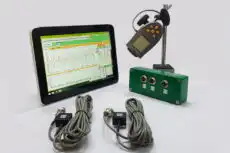
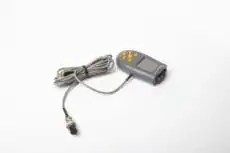
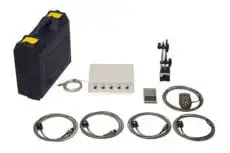
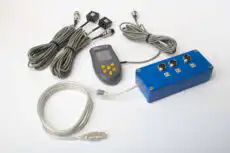
ਇੱਕ ਰੂਟ ਸਮੱਸਿਆਵਾਂ ਨੂੰ ਜਲਦੀ ਫੜਨ ਲਈ ਮੌਜੂਦ ਹੈ; ਮੁੱਲ ਉਦੋਂ ਪ੍ਰਾਪਤ ਹੁੰਦਾ ਹੈ ਜਦੋਂ ਨਿਦਾਨ ਇੱਕ ਹੱਲ ਵੱਲ ਲੈ ਜਾਂਦਾ ਹੈ। ਬਹੁਤ ਸਾਰੀਆਂ ਖਰਾਬੀਆਂ ਜੋ ਇੱਕ ਰੂਟ ਸਾਹਮਣੇ ਲਿਆਉਂਦਾ ਹੈ — ਇੱਕ ਵਧ ਰਹੀ 1× ਪੀਕ ਜੋ ਅਸੰਤੁਲਨ ਤੋਂ ਇੱਕ ਪੱਖੇ ਜਾਂ ਪੰਪ 'ਤੇ — ਨੂੰ ਰੋਟਰ ਹਟਾਏ ਬਿਨਾਂ ਸਾਈਟ 'ਤੇ ਠੀਕ ਕੀਤਾ ਜਾ ਸਕਦਾ ਹੈ। ਇਹ ਉਹ ਥਾਂ ਹੈ ਜਿੱਥੇ ਇੱਕ ਪੋਰਟੇਬਲ ਐਨਾਲਾਈਜ਼ਰ ਦੋ ਵਾਰ ਆਪਣੀ ਕੀਮਤ ਸਾਬਤ ਕਰਦਾ ਹੈ। Balanset-1A ਇੱਕ ਦੋ-ਚੈਨਲ ਡਾਟਾ-ਸੰਗ੍ਰਹਿ ਅਤੇ ਨਿਦਾਨ ਯੰਤਰ ਵਜੋਂ ਕੰਮ ਕਰਦਾ ਹੈ ਅਤੇ, ਜਦੋਂ ਇੱਕ ਰੂਟ ਅਸੰਤੁਲਨ ਨੂੰ ਫਲੈਗ ਕਰਦਾ ਹੈ, ਇੱਕ ਫੀਲਡ-ਬੈਲੈਂਸਿੰਗ ਟੂਲ ਵਜੋਂ ਜੋ 1× ਐਂਪਲੀਟਿਊਡ ਅਤੇ ਫੇਜ਼ ਮਾਪਦਾ ਹੈ, ਸੁਧਾਰ ਵਜ਼ਨ ਦੀ ਗਣਨਾ ਕਰਦਾ ਹੈ, ਅਤੇ ਮਸ਼ੀਨ ਦੀਆਂ ਆਪਣੀਆਂ ਬੇਅਰਿੰਗਾਂ ਵਿੱਚ ਨਤੀਜੇ ਦੀ ਪੁਸ਼ਟੀ ਕਰਦਾ ਹੈ — ਸਮੇਂ-ਸਮੇਂ ਦੀ ਖੋਜ ਤੋਂ ਸਿੱਧੇ ਸੁਧਾਰਾਤਮਕ ਕਾਰਵਾਈ ਤੱਕ ਲੂਪ ਨੂੰ ਬੰਦ ਕਰਦੇ ਹੋਏ।

