Kuelewa Dosari za Wawindaji
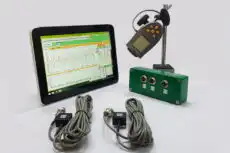
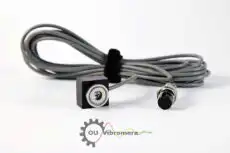
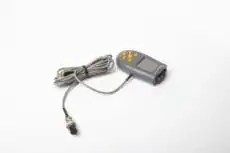
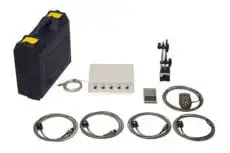

Fan defects ni dosari zinazoendelea katika wawindaji na povu ya viwanda: uharibifu wa bidi kama vile vipande, kuchamua na mkusanyiko wa nyenzo; unbalance kusababishwa na kupoteza nyenzo au mkusanyiko; sitara za aerodinamiki kama mifereji na mwendo; matatizo ya muundo kama vile bidi huria na hubs iliyovunjika; na kipeperoni na kushindwa kwa gari vya kawaida kwa zana zote zinazogeuka. Kila moja ina tabia ya vibration saini, kawaida iliyoongezwa na frequency ya kupita kwa blade na jaza zake, pamoja na 1× mtetemo wa imbalenssi na mitetemo ya aerodinamiki ya marudio ya chini. Kwa sababu wawindaji wanajulikana katika viwanda — HVAC, ubaridi wa mchakato, hewa ya moto, usindikaji wa nyenzo — kushindwa kwao kunaingia katika uzalishaji, usalama (uingizaji hewa) na ufanisi wa nishati, ambayo inafanya kutambua dosari maalum kwa wawindaji na mbinu zinazotumiwa kuangalia zao kuwa ujuzi wa kutegemeka wa core.
1. Ufafanuzi: Ni Nini Kasoro za Faniki?
Faniki ni mashine inayoonyesha kuwa ni rahisi — gurudumu lenye vile kwenye shimoni — lakini inasimama katikati ya nyanja mbili. Kama kila rota inakumbana na magonjwa ya mitambo kama vile kutokuwa na usawa, uchakavu wa kumimina na kudheleza; lakini pia husogeza kimiminika, kwa hivyo inatokumbana na nguvu za aerodynamic ambayo hakuna mashine safi ya mitambo inayoyajuana. Sanaa ya kuzuza kasoro za faniki iko katika kutofautiana na hizo mbili katika wigo, kwa sababu dawa ya kasoro ya mitambo (kusambaza, kubadili, kufunga) ni tofauti kabisa na dawa ya aerodynamiki (badili mahali pa uendeshaji au mifereji). Kupatia kasoro mapema pia kuna umuhimu mkubwa: vile vilivyotengana au hub iliyoshindwa kwenye faniki kubwa inaweza kuwa hatari kwa kweli.
2. Kasoro za Kawaida za Faniki
2.1 Uharibifu na kucakaa kwa Vile
Ujumuishaji wa nyenzo
- Cause: umande, kipande au nyenzo ya mchakato inayokusanyika juu ya vile.
- Effect: huunda kutokuwa na usawa kwa wingi na hubadilisha aerodynamiki.
- Symptom: vibration ya 1× inayoongezeka polepole kwa wakati.
- Common in: faniki za usambazaji wa nyenzo na mlipuko wa mchakato.
- Solution: kusafisha kwa kawaida na kuchuja kwa mwanzo.
Kuchakaa na uchakavu
- Cause: chemchemi zenye mikakamaji inayoamua uso wa vile.
- Effect: kupoteza nyenzo kunaunda kutokuwa na usawa na kusonga utendaji.
- Pattern: kawaida asymmetric, huku pembe ya mbele inachakaa haraka kuliko pembe ya nyuma.
- Detection: vibration ya 1× inayoongezeka na matokeo yaliyo na kasoro.
Corrosion
- Shambulio la kemia kwenye nyenzo ya vile.
- Hutengeneza matope na kupoteza nyenzo.
- Hupunguza nguvu ya vile.
- Inaweza kuendelea hadi kwa kupasuka na hatimaye kuumia blade.
Blade cracks
- Locations: mzizi wa blade (attachment ya hub), makali ya kuva mbele, na miunganisho ya weld.
- Causes: fatigue, kutu, athari na vibration.
- Symptoms: muundo wa vibration unaobadilika, wakati mwingine sehemu inayokua 2×.
- Danger: inaweza kusababisha kutenganishwa kwa kumalizia kwa blade.
Blades zinazokosa au zilizovunjwa
- Unbalance kubwa kutokana na mpangilio wa blade sasa ambao hauna usawa.
- Vibration ya 1× inayozidi sana.
- Muundo wa kawaida wa blade-passing-frequency.
- Immediate shutdown na ukaaji unaohitajika.
2.2 Unbalance
Tatizo la fan vibration linalotumiwa zaidi kwa ujumla:
- Sources: kujenga, muusaji, tolerances ya kutengeneza na damage ya blade.
- Signature: 1× synchronous vibration.
- Correction: field balancing kawaida inafaa.
- Recurring: ikiwa itarudi, sababu ya msingi (erosion au chanzo cha build-up) lazima ijitata, si tu dalili.
2.3 Aerodynamic instabilities
Stall
- Mtiririko wa hewa unatenganisha kutoka kwa uso wa blade katika hali za off-design.
- Mtiririko wa random, turbulent unaozalisha vibration ya broadband.
- Uingizaji na utendaji uliopungua.
- Kawaida kwa kiwango cha mtiririko cha chini au upinzani wa kuingizwa kwa kiwango cha juu.
Surge
- Mzunguko wa mtiririko wa nyuma katika sistemu nzima.
- Tukio la juu sana (chini ya 5 Hz) lakini pamoja na mshtuko mkubwa.
- Inaweza kuonezeana na mungano na njia za hewa.
- Kawaida inahitaji marekebisho ya mfumo ili kuondoa.
2.4 Matatizo ya muundo na kimakanika
- Loose blades: Kushindwa kwa screws au uunganaji wa kusambaza, kutengeneza harmonic nyingi.
- Cracked hub: Kushindwa kwa muundo wa kituo — inayoweza kuwa hatari sana.
- Worn shaft: Inaruhusu gurudumu la fan kugeuka, kutengeneza runout.
- Resonansi ya casing: casing au njia za hewa zinazing'ira katika BPF au moja ya harmonic yake, aina ya structural resonance.
2.5 Matatizo ya injini na kuzaa
- Matatizo ya ukanda — uhamiaji, misalignment, mvutano usiofaa.
- Kushindwa kwa bearing, haswa kawaida katika mazingira machafufu au ya joto.
- Matatizo ya kuunganisha kama vile hitilafu na uhamiaji.
- Matatizo ya injini inayosumbuа uendeshaji wa fan.
3. Sifa za Mshtuko
Blade passing frequency (BPF)
Tukio la muhimu la fan:
- Calculation: BPF = idadi ya pembe × RPM / 60.
- Example: fan yenye pembe 12 saa 1,200 RPM inatoa BPF ya 240 Hz.
- Amplitudu ya kawaida: inategemea aina ya feni — feni za axial zinafanya kazi kwa amplitudu ya juu kuliko zile za centrifugal.
- Elevated BPF: inaonyesha nuzuro za blade, matatizo ya nafasi au matatizo ya aerodynamics.
- Harmonics: 2×BPF and 3×BPF indicate blade problems or resonances.
Hesabu ni ya haraka kufanya kwa mkono, lakini chombo cha blade pass frequency calculator huondoa shaka yoyote kuhusu peak ipi ya spectral ni BPF na ipi ni coincidental. harmonic ya kasi ya uendeshaji.
Unbalance (1×)
- Kijenzi cha kawaida zaidi cha amplitudu ya juu.
- Inakua kadri ya kuokota au kuerosion.
- Inaweza kusahihiwa kwa balancing.
- Inaweza kujirudisha tena ikiwa sababu ya msingi haisahihiwi.
Pulsasyon za aerodynamic
- Stall: ongezeko la broadband linalochanganyika na fluctuations bila mpango.
- Surge: pulsasyon za 1–5 Hz zenye nguvu.
- Turbulence: broadband na frequency ya chini, takriban 10–100 Hz — angalia flow turbulence.
4. Mambo Mahususi ya Feni
Aina za feni na mifumo yao ya nuzuro
Feni za centrifugal
- Unbalance ni tatizo la kawaida zaidi.
- BPF kawaida ina amplitudu ya kiwango cha kati.
- Mkusanyiko wa vumbi kwenye makambi yenye mpinda nyuma ni kawaida.
- Matatizo ya mihaku na vipeleka hutokea kutokana na uchafuzi wa mchakato.
Axial fans
- Amplitudis za BPF zaidi ni kawaida — angalia matatizo ya fan ya axial kwa maelezo yaliyokamatia.
- Nafasi ya ncha ya makambi ni muhimu sana.
- Ujinga wa aerodynamic ni karibu zaidi.
- Uchovu wa makambi unatokana na mzigo wa aerodynamic unaobadilika, wakati mwingine unakuwa mbaya zaidi na blade resonance.
Fans za Induced-draught (ID)
- Mmomonyeko mkali kutokana na flyash na chembe.
- Joto la juu linaloathiri sifa za dutu.
- Mazingira ya operesheni yenye asidi.
- Bilansi nyingi zaidi inahitajika kama matokeo.
5. Mkakati wa Utambuzi
Tathmini ya awali
- Pima mitingi ya jumla ya miitikio katika vipeleka.
- Run an FFT uchambuzi ili kutambua masafa yaliyo na ushawishi mkuu.
- Angalia kwa 1× (imbalance), BPF (matatizo ya makambi) na taajweza za kosa la kuzaa.
- Tathmini utendaji — mtiririko na shinikizo.
- Kaguza vizuri ikiwa fan inapatikana.
Kutambua Tatizo
- High 1×: kutokuwa na usawa — saweza au safisha shabani.
- High BPF: uharibifu wa blade au matatizo ya nafasi — kaguza blade.
- Broadband: cavitation au kusimama — angalia nukta ya uendeshaji.
- Low frequency: surge or recirculation — badilisha mfumo.
- Frequencies za risasi: kutu ya bearing — badilisha bearing.
6. Kuzuia, Uendeshaji na Usahihisho wa Shambani
Kusawazisha
- Saweza shabani ndani-hadharani badala ya kuziondoa.
- Saweza upya baada ya usafi au kutengeneza blade.
- Tumia mabano-ya-juu au boli-ya-mahali uzani wa marekebisho kwa uweza wa kurekebisha.
- Hifadhi uzani wa usawa kwa sababu ya baadaye.
Kwa sababu shabani nyingi huendeshwa katika bearing zao mwenyewe bila mashine ya usawa katika mahali, hii ni kazi sawa ambayo kicheza-sauti cha njia mbili kinabuni kwa ajili. Balancet-1A hupima 1× upana na awamu katika kasi ya uendeshaji, hukokotoa mgawo wa ushawishi kutoka kwa mtihani wa jaribio, na kumwambia wakazi wa teknolohia uzani na pembe ya uzani wa kuongeza — kisha inathibitisha kutokuwa na usawa maalum baada ya usahihisho, yote bila kuinua shabani.
Ukaguzi na Usafi
- Kaguza kwa kaida kwa ajili ya kuingia, mvua na uharibifu.
- Safisha blade wakati wa kusimama.
- Angalia usalama wa kuambatanisha blade.
- Tafuta kupasuka, hasa kwa mizani ya vitezi.
Mbinu za uendeshaji
- Endesha karibu na hatua ya muundo wakati wowote iwezekanavyo.
- Zepeleka kuendesha kwa muda mrefu kwa kiwango cha juu sana au cha chini sana cha mtiririko.
- Dhibiti hali ya kuingia ili kupunguza matatizo ya mivuto.
- Tumia tabaka za ulinzi kwa huduma ya kuvaa au kuvimba.
Kasoro za paneli huchanganya matatizo ya makanikia yanayoshirikiwa na vifaa vyote vinavyozunguka na matatizo ya aerodainamiki ya kawaida kwa mashine ya kusambaza hewa. Saini ya uzi wa kupita kwa vitezi, iliyosomwa sambamba na mbinu za kawaida za uchambuzi wa vibration, hufanya kufuatilia hali ya paneli kuwa inayowezekana na kuongoza maamuzi ya matengenezo yenye akili kwa mashine haya muhimu.

